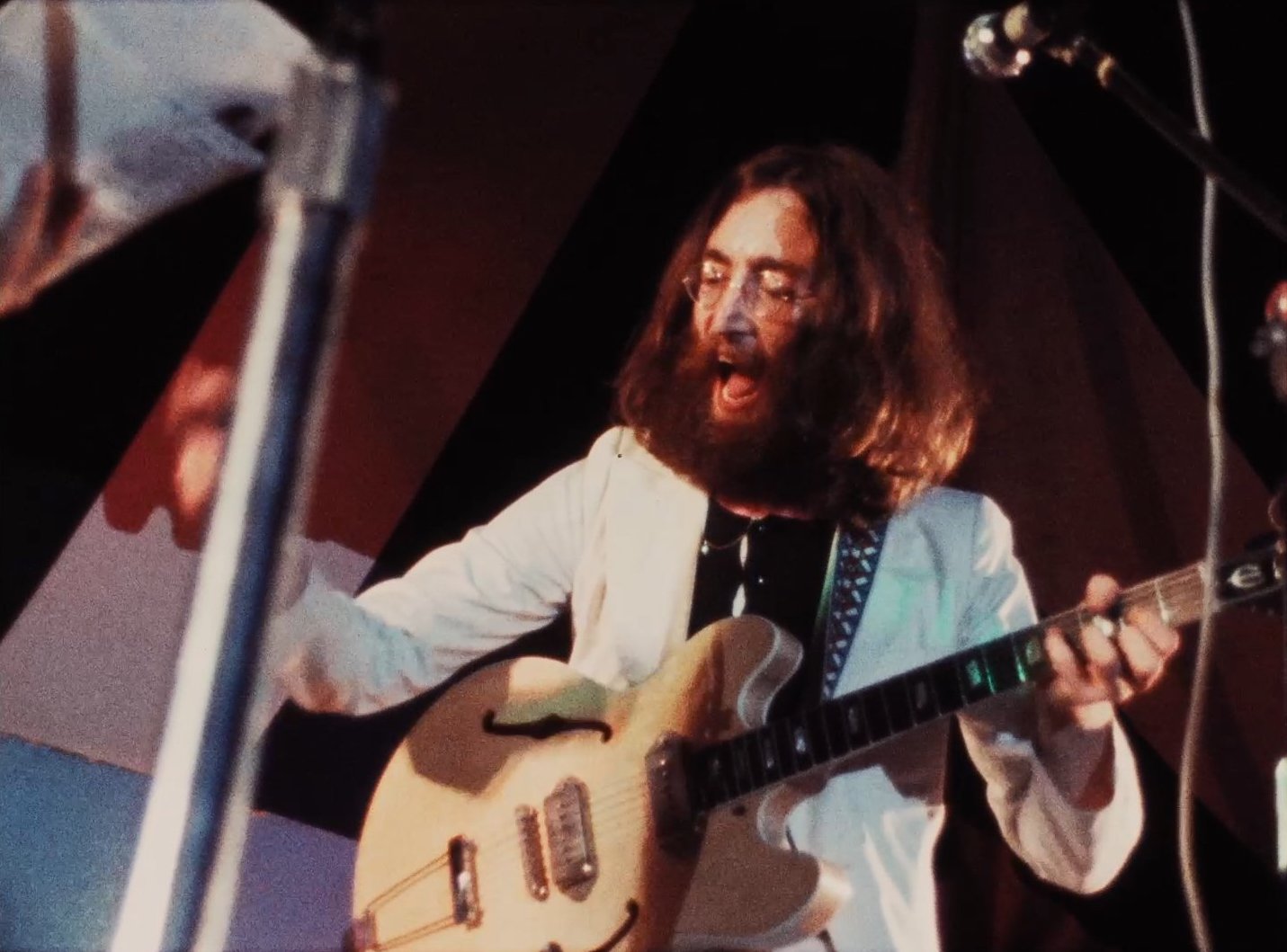
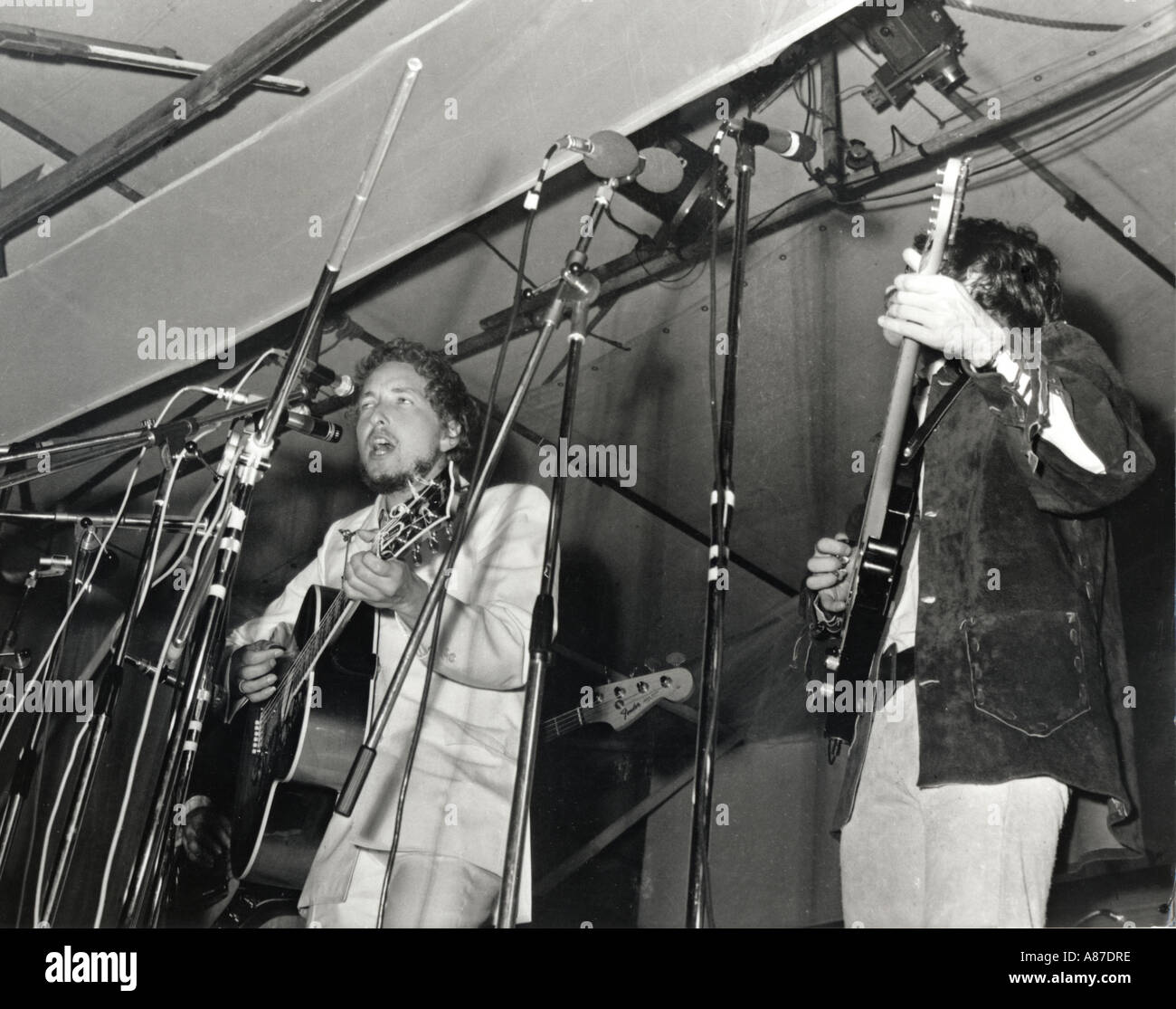
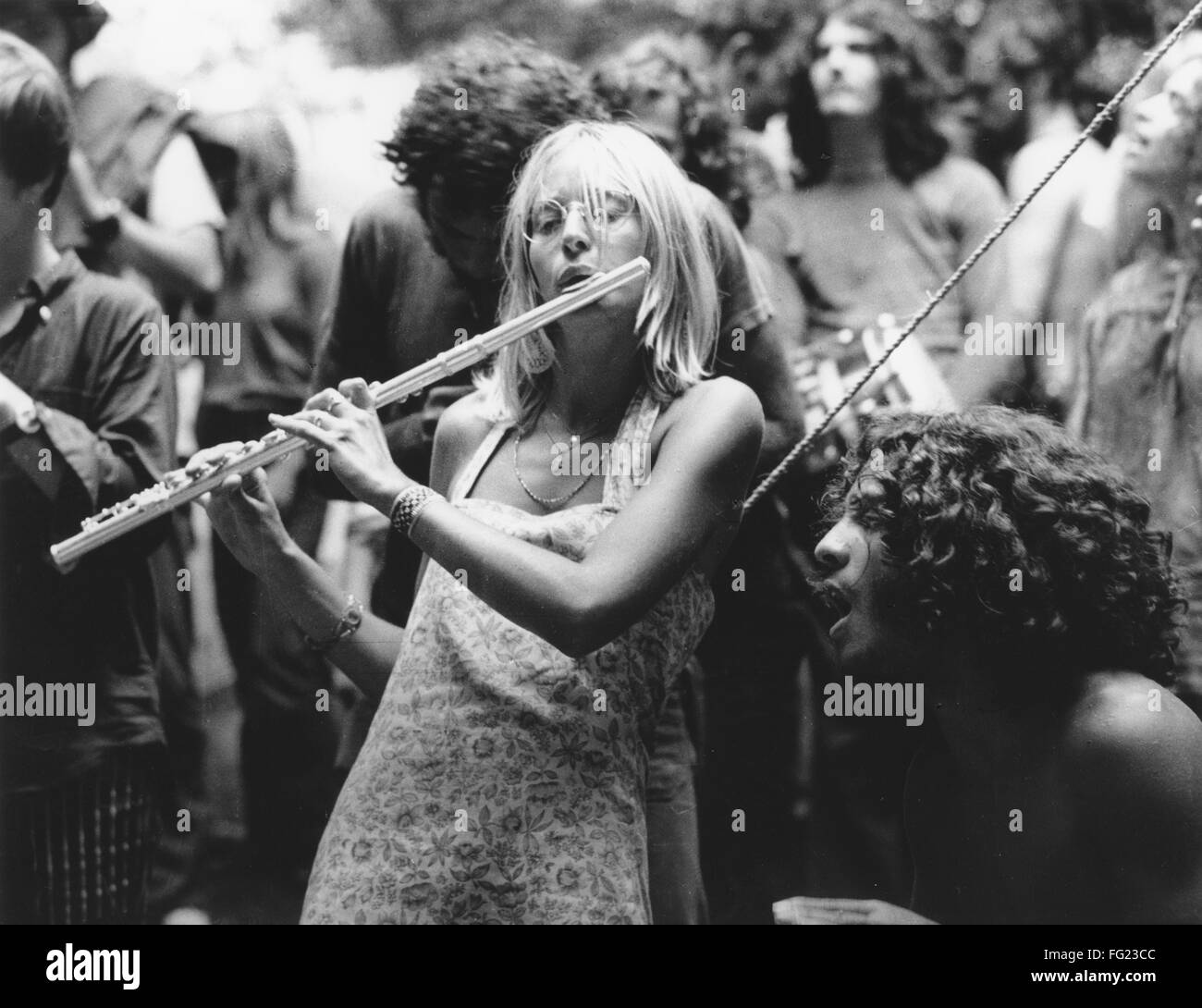
The year 1969 marked a watershed moment in modern cultural history, serving as the crucible for the modern outdoor music festival and cementing large-scale public gatherings as potent symbols of social change, youth identity, and countercultural expression. While Woodstock remains the globally recognized touchstone of that summer, a diverse constellation of contemporaneous events across North America and Europe laid the structural, logistical, and artistic groundwork for the festival industry as it operates today.
Understanding the phenomenon of 1969 music festivals requires examining a complex intersection of sociopolitical friction, technological advancements in outdoor sound reinforcement, and shifting economic paradigms in the entertainment industry. This era transformed live performance from elite indoor curation into democratic, communal endurance events that fundamentally altered the relationship between artists and audiences.
The Socio-Political Landscape of 1969 Live Music
The explosive growth of outdoor music festivals in 1969 did not occur in a vacuum; it was directly fueled by the escalating tensions of the Vietnam War, the burgeoning civil rights movement, and an unprecedented generational divide. Young people across Western democracies increasingly sought alternative spaces to articulate their rejection of traditional values, consumer capitalism, and political orthodoxy. Music served as the universal lingua franca of this movement, and the open-air festival became its temporary autonomous zone.
Governments and local municipalities frequently viewed these gatherings with deep suspicion, categorizing them as breeding grounds for civil unrest, drug use, and public health hazards. Promoters faced immense bureaucratic hurdles, ranging from arbitrary zoning restrictions to outright denials of permits. Consequently, staging a festival required a delicate alchemy of visionary ambition, financial risk-taking, and logistical improvisation. The resulting events were often characterized by a chaotic synthesis of utopian idealism and practical desperation, where infrastructural shortcomings were routinely offset by a pervasive communal ethos among attendees.
Technological Shifts in Sound Reinforcement and Production
Staging multi-day concerts for crowds numbering in the tens or hundreds of thousands presented unprecedented acoustic and engineering challenges. Prior to 1969, most large-scale public addresses and musical performances relied on low-wattage public address systems designed for spoken word or moderate indoor volumes. The sheer scale of audiences at 1969 music festivals rendered these legacy technologies obsolete almost overnight.
Audio engineers and equipment manufacturers were forced to innovate rapidly, pioneering high-powered solid-state amplification systems and custom-built speaker arrays. Bill Hanley, often called the "father of festival sound," designed the massive sound system used at Woodstock, utilizing custom vacuum-tube and early solid-state amplifiers to push pristine audio across vast, open fields without catastrophic distortion. These advancements in sound engineering not only made large outdoor festivals viable but also established the technical blueprint for stadium and arena rock tours throughout the subsequent decades.
Woodstock Music and Art Fair: The Definitive Paradigm
Held from August 15 to 18, 1969, on a dairy farm in Bethel, New York, the Woodstock Music and Art Fair stands as the definitive cultural artifact of the era. Originally projected to draw approximately 50,000 attendees, the festival ultimately attracted an estimated 400,000 to 500,000 people, instantly transforming the rural venue into the third-largest city in New York State for the duration of the weekend.
The sheer volume of unexpected attendees overwhelmed the site’s infrastructure, leading to the collapse of perimeter fences, free admission, severe shortages of food and water, and gridlocked regional traffic. Despite these near-catastrophic logistical failures, the festival gained legendary status due to the relative absence of violence and the manifestation of a cooperative spirit among the crowd. Iconic performances by Jimi Hendrix, The Who, Janis Joplin, Santana, and Sly and the Family Stone soundtracked a generational milestone, immortalized by Michael Wadleigh’s Academy Award-winning 1970 documentary film.
Beyond Bethel: Other Defining Festivals of 1969
While Woodstock captured global headlines, several other pivotal gatherings in 1969 demonstrated that the outdoor festival boom was a broad transnational phenomenon rather than an isolated American anomaly. These events each contributed distinct architectural and cultural elements to the history of live performance.
| Festival Name | Location | Estimated Attendance | Key Historical Significance |
|---|---|---|---|
| Woodstock Music and Art Fair | Bethel, New York, USA | 400,000–500,000 | Cultural zenith of the counterculture; established the template for mega-festivals. |
| Atlanta International Pop Festival | Morrow, Georgia, USA | 100,000–140,000 | Brought major countercultural acts to the American South; featured Led Zeppelin and Janis Joplin. |
| Texas International Pop Festival | Lewisville, Texas, USA | 120,000 | Demonstrated the viability of large-scale countercultural events in conservative southern states. |
| Isle of Wight Festival | Isle of Wight, United Kingdom | 150,000 | Cemented Europe's role in the festival circuit; featured Bob Dylan's first major live performance since 1966. |
| Altamont Free Concert | Sanham, California, USA | 300,000 | A cautionary finale to the era, marked by violence and the breakdown of informal security arrangements. |
The Atlanta International Pop Festival and the Texas International Pop Festival proved that the countercultural ethos transcended northeastern bohemian enclaves, drawing massive, multi-racial crowds in regions where civil rights tensions remained acute. Meanwhile, the Isle of Wight Festival in the United Kingdom demonstrated the global appetite for American and British rock royalty, drawing an audience that rivaled Woodstock and culminating in Bob Dylan’s highly anticipated return to the stage.
The Darker Side: Altamont and the End of an Era
The utopian summer of love culminated in a starkly different reality on December 6, 1969, at the Altamont Free Concert in Sanham, California, organized by the Rolling Stones. Intended as a West Coast equivalent to Woodstock, Altamont was plagued by poor planning, inadequate sanitation, and a fateful decision by the promoters to hire the Hells Angels motorcycle gang as security in exchange for $500 worth of beer.
The resulting environment of intimidation and violence starkly contrasted with the peaceful camaraderie of Woodstock. The day was marred by numerous beatings and culminated in the fatal stabbing of an eighteen-year-old attendee, Meredith Hunter, by a Hells Angels member near the stage. Altamont became widely recognized as the symbolic death of the 1960s countercultural dream, forcing promoters, artists, and municipal governments to radically reevaluate crowd control, security protocols, and operational safety in subsequent decades.
Legacy and Modern Evolution of the 1969 Festival Model
The structural DNA of modern multi-day music festivals—ranging from Coachella and Glastonbury to Download and Bonnaroo—can be traced directly back to the successes and failures of the 1969 circuit. Promoters learned vital lessons regarding site design, sanitation management, medical infrastructure, and municipal relations. The informal, ad-hoc approach of 1969 evolved into a heavily regulated, corporate-backed live entertainment industry.
Despite this commercialization, the foundational premise established in 1969 remains intact: the desire for collective effervescence, immersive musical curation, and temporary liberation from daily routines. As contemporary festival-goers navigate modern ticketing platforms, RFID wristbands, and corporate sponsorships, they continue to participate in a ritualistic format invented on muddy fields over half a century ago.