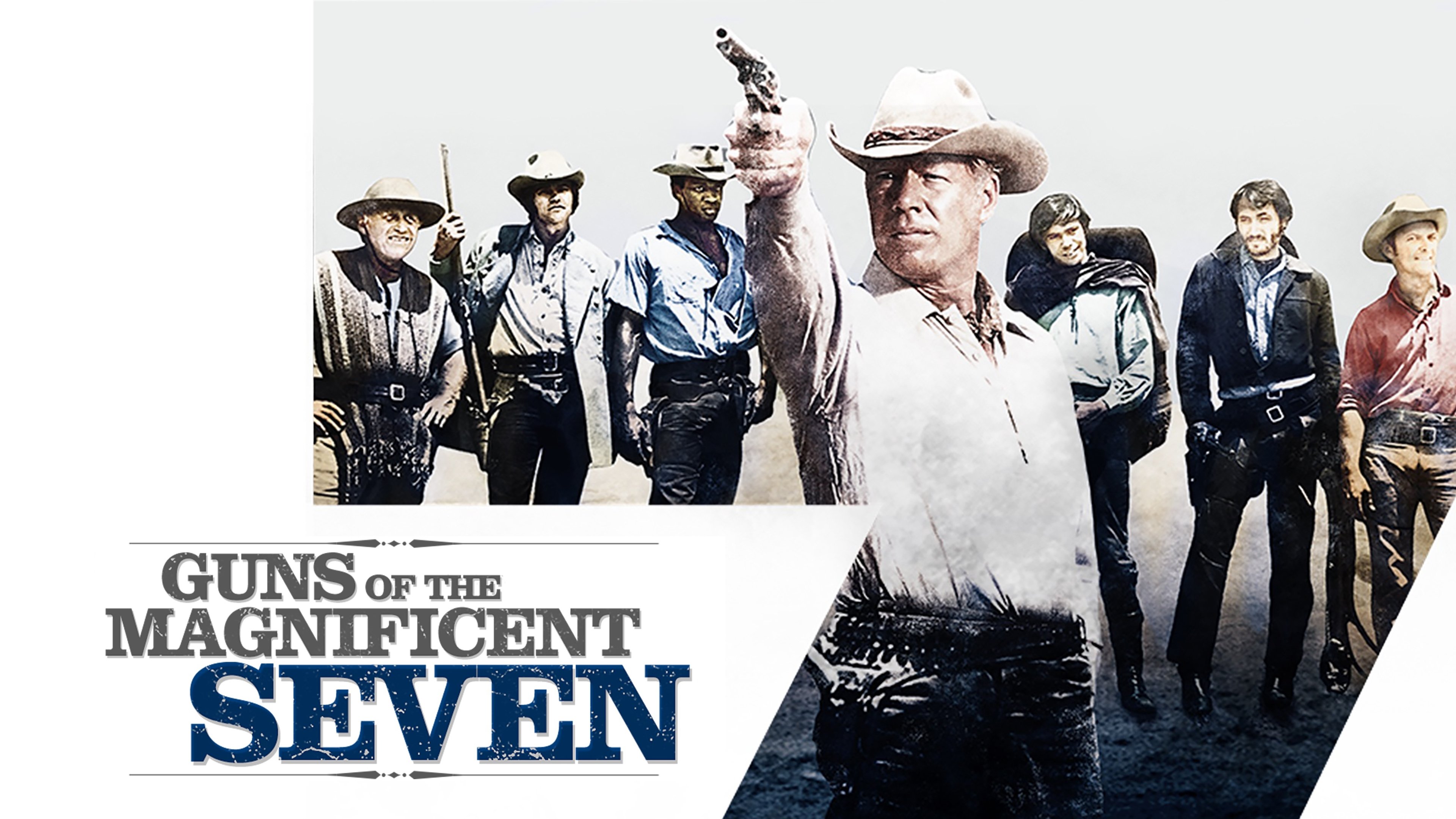
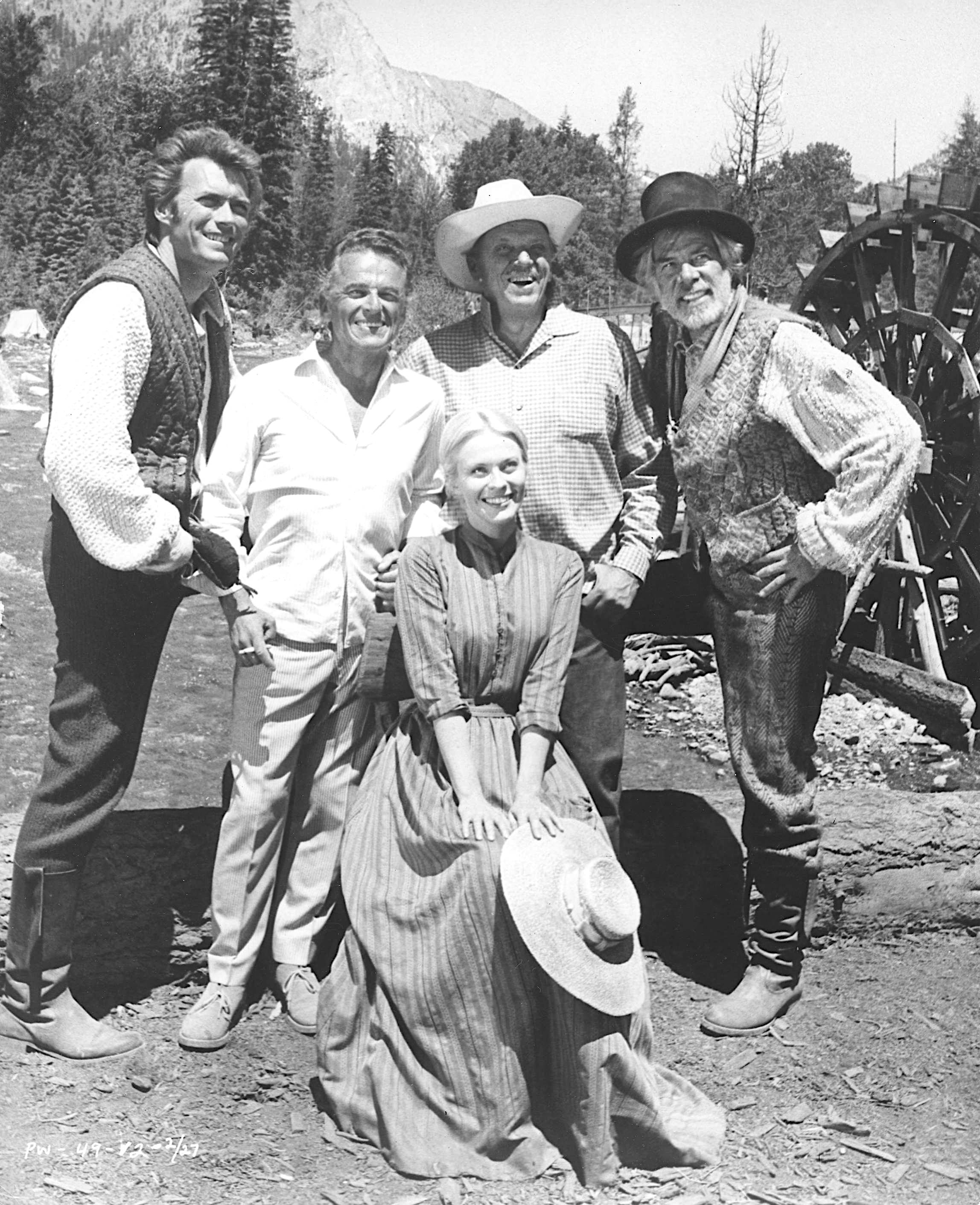
The 1969 film landscape marked a volatile and transformative transition for global cinema, bridging the conservative studio-era traditions of the 1950s and early 1960s with the gritty, director-driven counterculture of New Hollywood. This pivotal year delivered landmark countercultural road movies, gritty urban dramas, groundbreaking independent features, and major technological shifts, redefining what cinema could say and how it could reach audiences.
Historical and Cultural Context of 1969 Cinema
The cinematic output of 1969 cannot be separated from the intense socio-political turbulence of the era. The Vietnam War, the civil rights movement, the sexual revolution, and the shifting role of women in society all exerted immense pressure on filmmakers to abandon polished escapism in favor of raw realism and social critique. Hollywood studios, suffering from a string of multi-million-dollar box office disasters on bloated historical epics and traditional musicals (Star!, Doctor Dolittle), were desperately searching for younger audiences who connected with contemporary anxieties.
This desperation created an accidental vacuum that allowed young, film-school-educated auteurs, television directors, and independent producers to gain unprecedented creative control. The traditional Production Code, which had censored vulgarity, sexual themes, and overt violence for decades, was replaced in November 1968 by the Motion Picture Association of America (MPAA) rating system. By 1969, this new system—featuring G, M (later PG), R, and X ratings—was fully operational. It gave filmmakers the legal and structural freedom to explore taboo subjects with explicit language, nudity, and unvarnished violence without automatically triggering outright censorship bans.
The Birth of New Hollywood and Countercultural Milestones
No single film encapsulates the tectonic shift of 1969 quite like Easy Rider, directed by Dennis Hopper and produced by and starring Peter Fonda alongside Jack Nicholson. Made on a modest independent budget of roughly $400,000, the film abandoned studio soundstages for authentic cross-country locations, rock music soundtracks, and an unglamorized look at drug culture, motorcycle gangs, and violent American bigotry. Its massive commercial success proved to risk-averse studio executives that youth-oriented counterculture narratives could yield astronomical profits.
Following the trail blazed by independent and low-budget successes, established studios began funding projects that reflected contemporary disillusionment. John Schlesinger’s Midnight Cowboy captured the harsh, decaying underbelly of New York City through the unlikely friendship of a naive Texas hustler and a sickly, impoverished con man. To date, it remains the only X-rated film in motion picture history to win the Academy Award for Best Picture. This victory signaled a profound institutional acknowledgment that adult themes, psychological despair, and social realism were no longer relegated to the cinematic fringes.
Technological Shifts and Production Methods in 1969
While narrative themes were growing darker and more subversive, the technical apparatus of filmmaking was undergoing its own quiet revolution. The bulky, heavy Mitchell and Bell & Howell cameras that had anchored studio production for decades were increasingly supplanted by lightweight, portable equipment like the Arriflex and Eclair cameras. Inspired by the French New Wave and the documentary techniques of Direct Cinema, 1969 cinematographers utilized handheld camerawork, fast stock, and available natural lighting to achieve immediate, documentary-style authenticity.
Sound recording technology also evolved, moving toward synchronized, portable quarter-inch magnetic tape recorders. This allowed directors to capture dialogue on location with spatial fidelity rather than relying heavily on automated dialogue replacement (ADR) on soundstages. Furthermore, optical effects and laboratory processing techniques were refined, though digital intermediates and computer-generated imagery remained decades away. Practical stunt work, physical makeup effects, and traditional optical compositing were the absolute standard, requiring meticulous planning and high physical risk for stunt coordinators and camera operators.
Notable 1969 Film Releases and Their Impact
The cinematic output of 1969 spanned diverse genres, ranging from gritty westerns to psychological thrillers and science fiction. Sam Peckinpah’s The Wild Bunch redefined the cinematic western by introducing unprecedented levels of graphic, slow-motion violence and morally ambiguous antiheroes who lived by a dying code of honor. The film forced audiences to confront the brutal mechanics of frontier violence rather than romanticizing it.
In the realm of speculative science fiction, John Sturges’s Marooned explored the technical realism and psychological isolation of a space rescue mission, winning the Academy Award for Best Visual Effects and capturing the anxieties and technological triumphs leading up to the Apollo 11 moon landing. Meanwhile, Costa-Gavras released Z, a political thriller depicting the assassination of a Greek leftist politician. Blending fast-paced investigative journalism with stylistic editing, Z won the Academy Award for Best Foreign Language Film and set a benchmark for politically engaged international cinema.
| Film Title | Director | Primary Genre | Key Significance | Academy Award Recognition |
|---|---|---|---|---|
| Easy Rider | Dennis Hopper | Drama / Road Movie | Catalyzed the New Hollywood era and proved countercultural viability. | Nominated for 2 Awards |
| Midnight Cowboy | John Schlesinger | Drama | Only X-rated film to win Best Picture; explored urban poverty and isolation. | Won 3 Awards (including Best Picture) |
| The Wild Bunch | Sam Peckinpah | Western | Revolutionized action editing and graphic violence in cinema. | Nominated for 2 Awards |
| Z | Costa-Gavras | Political Thriller | Masterclass in political suspense; won Best Foreign Language Film. | Won 2 Awards |
Economic Realities and Box Office Trends
The economic structure of the film industry in 1969 was characterized by severe volatility. Major studios were absorbed by multinational conglomerates (such as Gulf+Western acquiring Paramount and Kinney National Company acquiring Warner Bros.-Seven Arts), shifting corporate priorities toward short-term profitability and quarterly balance sheets. When high-budget historical musicals and comedies flopped, studios panicked, cutting back on overhead and greenlighting low-budget gambles that they hoped would capture lightning in a bottle like Easy Rider.
This financial instability paradoxically benefited daring filmmakers. Because studios did not understand what young audiences wanted, they granted creative autonomy to young directors who promised to deliver youth appeal at a fraction of traditional costs. Consequently, 1969 became a golden window for artistic risk, where commercial failure did not automatically prevent a director from finding cult distribution or building a lasting career based on critical acclaim.
Frequently Asked Questions
What was the highest-grossing film released in 1969?
The musical Butch Cassidy and the Sundance Kid, starring Paul Newman and Robert Redford, was the highest-grossing film released in 1969, earning over $100 million in worldwide box office revenue. While countercultural dramas captured critical attention and cultural zeitgeist, star-driven western comedies dominated commercial returns.
Why was Midnight Cowboy rated X upon its initial release?
Midnight Cowboy received an X rating from the MPAA due to its adult thematic material, depictions of male prostitution, and brief scenes of sexual content. Over time, as industry standards shifted and the NC-17 rating was introduced, the film was re-rated R in 1971 without any footage being cut.
How did the rating system introduced in 1968 affect 1969 films?
The implementation of the MPAA rating system in late 1968 allowed 1969 filmmakers to market films directly to specific age demographics while addressing mature subject matter openly. It replaced studio self-censorship with a transparent categorization system, enabling independent and studio films alike to incorporate realistic violence, language, and sexuality.
Did foreign cinema influence American films released in 1969?
Yes, international movements like the French New Wave, Italian Neorealism, and the Japanese New Wave heavily influenced American directors working in 1969. Techniques such as jump cuts, location shooting, handheld cameras, and complex moral ambiguity were directly imported from European art-house cinema into American studio and independent productions.
Are 1969 films still culturally relevant today?
Films from 1969 continue to be studied extensively in film schools and retrospectives because they document a rare historical pivot point where classical Hollywood structures dissolved into modern independent filmmaking. Works like Easy Rider and The Wild Bunch established visual and narrative templates that modern action, drama, and independent cinema still utilize.
Navigating and Studying 1969 Cinema Today
For researchers, film historians, and enthusiasts looking to explore the cinematic output of 1969, the best approach is to examine both the massive commercial hits and the overlooked independent releases. Modern streaming platforms, physical media archive labels (such as The Criterion Collection), and specialized cinematheques frequently restore and distribute these titles with archival commentary tracks and documentaries. When studying this era, prioritize viewing films in their original aspect ratios and theatrical cuts to fully appreciate the visual framing and editing techniques that defined the threshold of modern cinema.