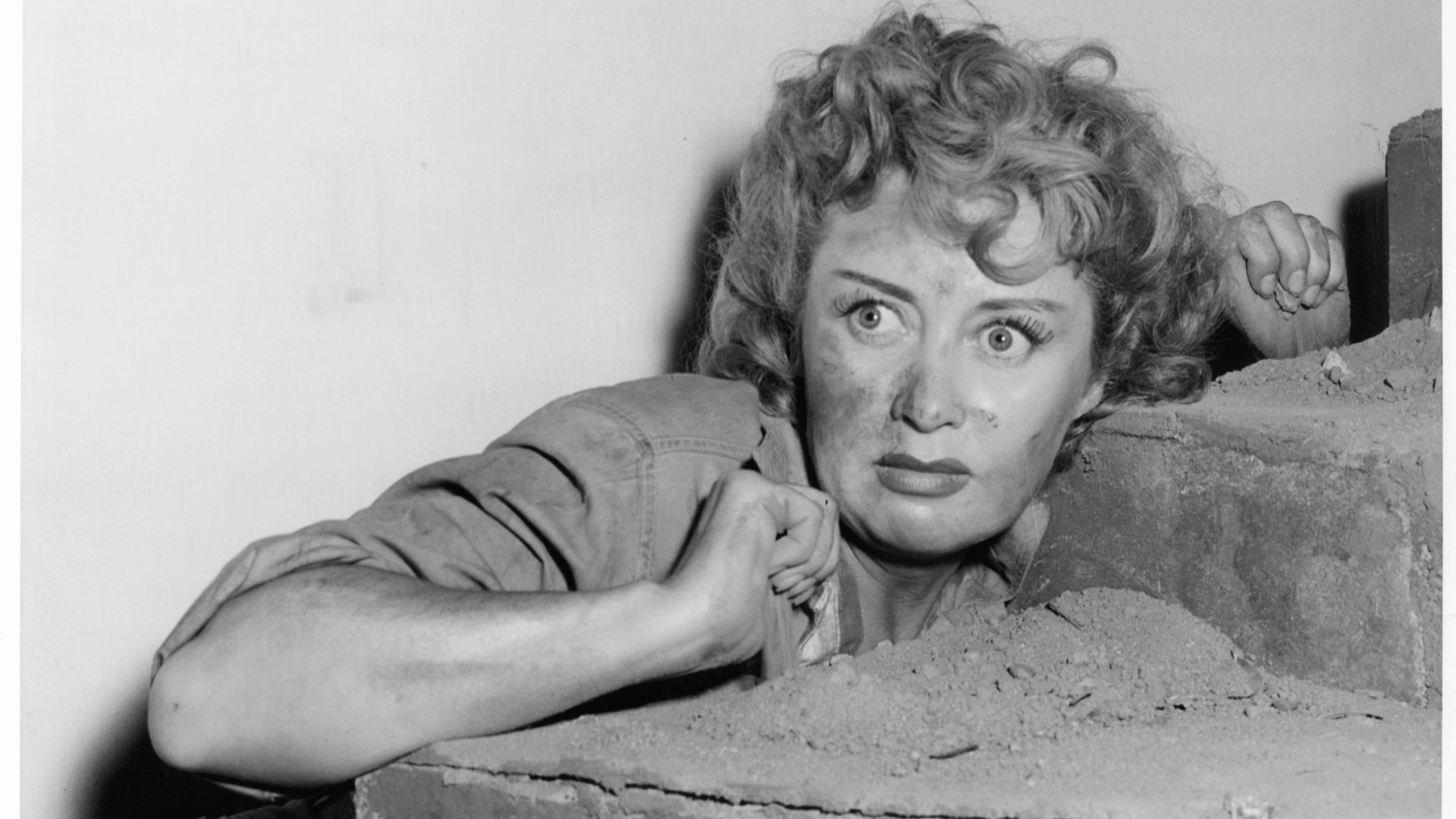
The year 1969 closed a transformative decade in global culture, politics, and the arts, leaving an indelible mark through the passing of several defining figures whose contributions continue to shape modern society. Remembering these icons offers a profound window into the cultural shifts, artistic revolutions, and historical turning points of the mid-20th century.
The Cultural Landscape of 1969 and Its Departures
The year 1969 is frequently remembered for monumental historical milestones, from the Apollo 11 moon landing to the Woodstock music festival. Yet, it was also a period marked by profound loss across literature, cinema, music, and politics. The transition of eras was hastened by the departure of luminaries who had defined the artistic and intellectual boundaries of the preceding decades. Understanding the weight of 1969 deaths requires examining the cultural ecosystem of the late 1960s, a time when traditional institutions faced intense scrutiny, and modernist aesthetics reached new heights of expression or faced tragic interruptions.
During this twelve-month span, the world bid farewell to pioneering actors of the silver screen, visionary writers who challenged political and social norms, and musical architects who laid the groundwork for modern soundscapes. These departures were not merely individual losses; they represented the closing chapters of specific artistic movements. By analyzing the profiles of these figures, historians and enthusiasts alike can trace how the cultural DNA of the 1920s through the 1950s passed into the turbulent landscape of the late twentieth century.
Cinematic Legends and Hollywood Pioneers
The film industry experienced seismic shifts in 1969, losing performers and creators who had built the studio system and defined cinematic storytelling. Among the most notable losses was Judy Garland, whose multifaceted career spanned musical theater, landmark cinema, and international concert stages. Garland's passing in June 1969 at the age of 47 marked the tragic end of a brilliant yet turbulent life that had mirrored the triumphs and pressures of Hollywood's Golden Age. Her role in shaping the emotional resonance of American popular culture remains unmatched, and her legacy endures across generations of performers.
Similarly, the film world mourned the loss of other industry titans, including director and producer Josef von Sternberg, whose visionary collaborations with Marlene Dietrich established enduring standards for visual style and cinematic lighting. The passing of these cinematic icons forced a reflection on the changing nature of film production. As the New Hollywood era began to take root with gritty, director-driven narratives, the loss of old-guard masters highlighted the generational turnover occurring on studio lots from Los Angeles to Europe.
Literary Giants and Intellectual Voices
The literary world suffered profound losses in 1969, with the passing of writers whose works dissected human nature, political ideology, and existential crisis. Jack Kerouac, a principal figure of the Beat Generation and author of On the Road, died in October 1969 at the age of 47. Kerouac's spontaneous prose style and bohemian ethos had heavily influenced the counterculture of the 1960s, making his death a poignant punctuation mark for a generation that had adopted his travels and philosophy as a blueprint for liberation.
| Name | Primary Field | Notable Contribution | Year of Birth |
|---|---|---|---|
| Judy Garland | Entertainment | Iconic performances in musical cinema and stage | 1922 |
| Jack Kerouac | Literature | Defining figure of the Beat Generation | 1922 |
| Karl Jaspers | Philosophy | Pioneering work in existential psychiatry and philosophy | 1883 |
| Thelma Ritter | Acting | Acclaimed character actress known for sharp realism | 1902 |
| Walter Gropius | Architecture | Founder of the Bauhaus school of design | 1883 |
Another monumental intellectual loss was the German-Swiss philosopher and psychiatrist Karl Jaspers, who died in February 1969. Jaspers had been instrumental in developing existential philosophy, influencing theological thinking, and advocating for German political responsibility in the post-war era. The departure of thinkers like Jaspers and creative writers like Kerouac demonstrated how the year claimed figures from vastly different ideological and artistic spectrums, each of whom had fundamentally challenged how humanity perceived itself.
Architectural and Design Visionaries
The physical spaces of the modern world lost one of their most influential architects when Walter Gropius passed away in July 1969. As the founder of the Bauhaus school in 1919, Gropius revolutionized design, architecture, and art education by advocating for a synthesis of craft, mass production, and functional utility. The Bauhaus philosophy dictated that form must follow function, a doctrine that shaped urban skylines, interior design, and industrial manufacturing throughout the twentieth century.
Gropius's death in the golden anniversary year of the Bauhaus movement felt symbolic. By 1969, the glass-and-steel aesthetic he championed was ubiquitous globally, yet architectural theory was beginning to pivot toward postmodern critiques. Remembering Gropius allows architectural historians to reexamine the utopian ideals of early-century modernism and assess how those principles weathered the socio-political storms of the subsequent decades.
How Did the Media and Public Respond to These Losses?
Public mourning in 1969 unfolded through a media landscape vastly different from today's instantaneous digital networks. Television news broadcasts, daily metropolitan newspapers, and weekly pictorial magazines served as the primary conduits for collective grief. When public figures passed, their memorials were broadcast into millions of homes, creating shared rituals of remembrance that crossed national boundaries.
The media coverage of these deaths often reflected the societal anxieties of the era. For instance, the passing of countercultural icons like Jack Kerouac was analyzed by mainstream press through the lens of generational conflict, while the death of established Hollywood stars elicited widespread nostalgia for a more glamorous, unified era of cinema. This dichotomy in reporting illustrated a society caught between the traditional values of the mid-century and the emergent, revolutionary ethos of the late 1960s.
What Long-Term Impact Did These Departures Have on Their Respective Fields?
The departure of foundational figures in 1969 created creative vacuums that forced subsequent generations to innovate independently. In cinema, literature, and design, the loss of primary architects necessitated a reimagining of established rules. Without the guiding presence of pioneers like Gropius or Garland, younger practitioners felt both liberated from and burdened by the monumental standards set by their predecessors.
Furthermore, these passings catalyzed the institutionalization of archival preservation and biographical scholarship. The realization that the generation responsible for the early modernist and Golden Age milestones was aging spurred universities, libraries, and cultural foundations to begin systematic efforts to preserve oral histories, manuscripts, and cinematic prints, ensuring that future generations could study these cultural touchstones accurately.
Frequently Asked Questions
Which prominent literary figure associated with the Beat Generation died in 1969?
Jack Kerouac passed away on October 21, 1969, at the age of 47. As a pioneering author whose spontaneous prose and anti-establishment themes defined On the Road, his death marked a significant milestone in the conclusion of the Beat movement's foundational era.
How did Walter Gropius influence modern architecture before his death in 1969?
Walter Gropius founded the Bauhaus school in 1919, establishing a radical curriculum that united craft and fine arts under the principle that design must serve functional needs. His pedagogical methods and structural designs laid the groundwork for international style architecture.
What circumstances surrounded the death of Judy Garland in 1969?
Judy Garland died of an accidental barbiturate overdose in London on June 22, 1969. Her sudden passing at age 47 prompted international mourning and tributes from fans and fellow entertainers worldwide, cementing her status as an enduring pop culture icon.
Why is 1969 considered a transitional year in cultural history?
The year 1969 encapsulated a profound cultural pivot, balancing the conclusion of mid-century artistic movements marked by the deaths of key pioneers with the rapid ascent of late-60s counterculture, new cinematic waves, and technological milestones.
Where can researchers find primary historical records regarding these figures?
Primary historical records, including personal correspondence, studio archives, and journalistic obituaries, are housed in specialized university libraries, national archives, and institutional repositories such as the Library of Congress and specific museum collections dedicated to film, literature, and design.
Honoring Legacies Through Historical Preservation
Preserving the memory of the cultural figures lost in 1969 requires active engagement with their surviving works, critical scholarship, and institutional archiving. Researchers, educators, and enthusiasts are encouraged to consult original texts, digitally restored cinematic prints, and primary architectural blueprints rather than relying solely on secondary summaries. By engaging directly with the primary materials left behind by these icons, contemporary audiences ensure that the intellectual and artistic breakthroughs of the mid-20th century remain vibrant, accessible, and correctly contextualized for future study.