The year 1968 marked a profound transitional period for international cinema, a time when traditional studio formulas collided with countercultural shifts, relaxed censorship, and shifting audience tastes. 1968 comedy films reflect this volatile cultural landscape, bridging the gap between old-Hollywood slapstick and modern, cynical, and socially critical satire. This era birthed timeless parodies, theatrical experiments, and edgy dark comedies that permanently altered how filmmakers approached humor on screen.
The Cultural and Cinematic Landscape of 1968
The late 1960s represented a period of immense social upheaval, political protest, and changing moral standards across Western society. The implementation of the Motion Picture Association of America (MPAA) film rating system in late 1968 effectively dismantled the rigid censorship of the Production Code, giving screenwriters and directors unprecedented freedom to explore mature themes, explicit language, and subversive political satire. Comedy films produced during this window seized upon these new artistic liberties, steering away from lighthearted, escapist musicals and family-friendly romps toward sharper, more experimental storytelling.
Filmmakers recognized that contemporary audiences—increasingly shaped by anti-war movements, civil rights struggles, and generational divides—demanded humor that mirrored real-world anxieties. Satire became a primary vehicle for social critique, allowing directors to mock institutional authority, military bravado, and conventional morality. This shift was not isolated to Hollywood; European and international filmmakers were similarly pushing boundaries, injecting absurdity and existential dread into comedic narratives. Consequently, the comedy films of this year occupy a fascinating middle ground, retaining elements of traditional theatrical performance while embracing the cynical edge of the emerging modern era.
Landmark Satirical and Musical Comedies
Among the most enduring releases of the year, Mel Brooks’ directorial debut The Producers stands out as a watershed moment for cinematic farce. By centering its plot on two theatrical producers attempting to mount a deliberate financial failure through a musical titled Springtime for Hitler, the film weaponized bad taste and dark humor to mock the darkest chapters of twentieth-century history. Its commercial and critical trajectory demonstrated that audiences were ready to embrace cynical, Jewish-inflected New York humor that subverted conventional cinematic taboos.
Parallel to this theatrical cynicism, the musical comedy underwent its own radical reinvention. Star!, starring Julie Andrews, attempted to capture old-Hollywood theatrical grandeur, but it was counterbalanced by countercultural experiments and family-oriented blockbusters that relied heavily on broad physical comedy. Meanwhile, animated features like Yellow Submarine, released in the summer of 1968, redefined comedic and visual boundaries by blending psychedelic art design with whimsical, satirical wit. These projects proved that comedy could transcend live-action dialogue-driven formats, integrating music, animation, and theatrical performance into cohesive comedic experiences.
The Evolution of Slapstick and Physical Humor
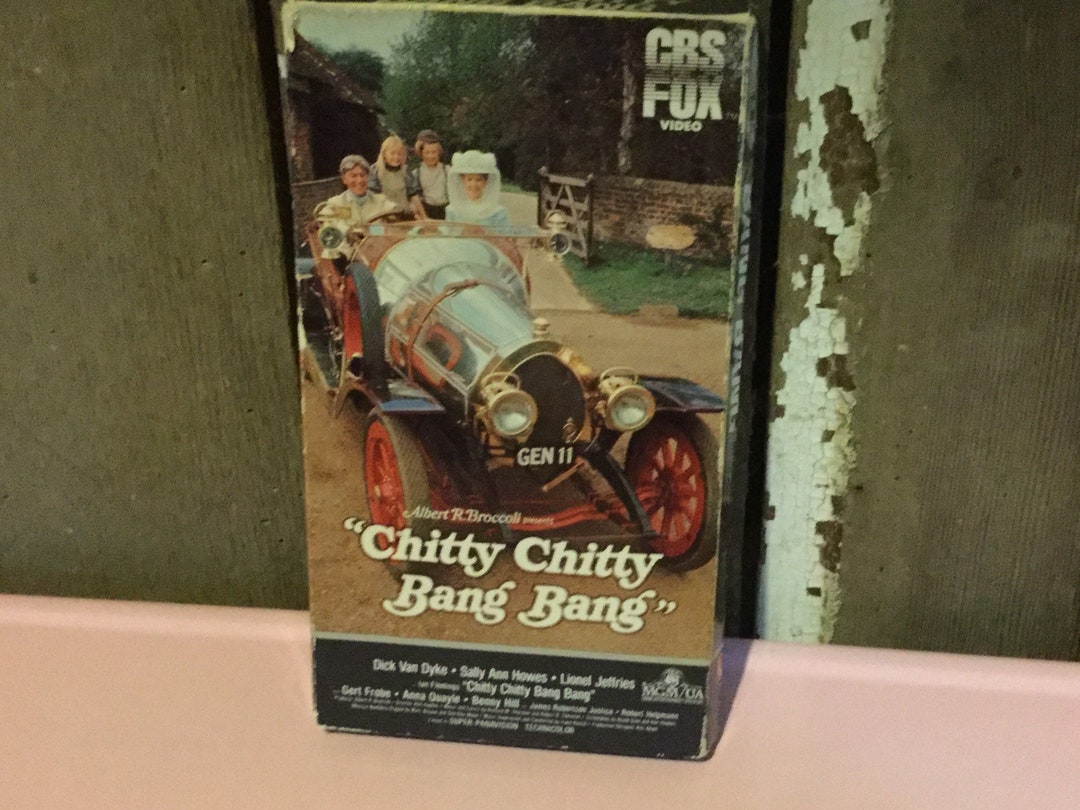
While satirical cynicism gained ground, 1968 also accommodated traditional physical comedy and family entertainment, though often filtered through a modern lens. The release of Chitty Chitty Bang Bang offered audiences a blend of fantasy, musical numbers, and broad, eccentric character comedy. Featuring performances by Dick Van Dyke and a memorable gallery of villains, the film leaned heavily on theatricality and mechanical wizardry, preserving the family-friendly adventure format while matching the grand production scales of late-1960s blockbusters.
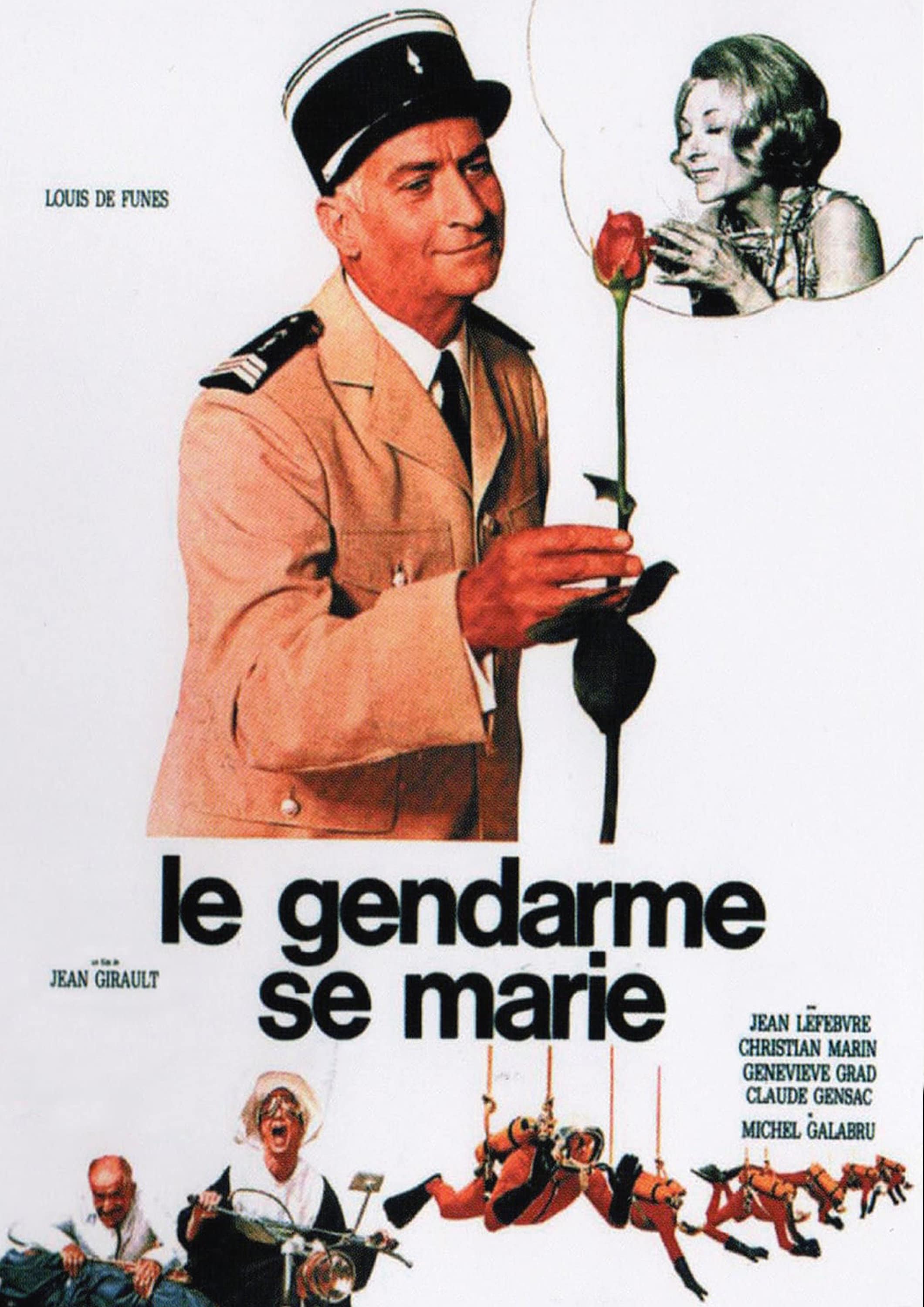
At the same time, international slapstick continued to evolve. French and Italian cinema produced major comedic hits that relied on visual gags, expressive body language, and cultural misunderstandings. These films highlighted the divide between regional physical comedy traditions and the fast-paced narrative demands of modern viewers. The juxtaposition of sophisticated satire and classic, gag-driven physical comedy in 1968 demonstrated a medium in flux, where directors frequently blended genres to see what would resonate with restless global audiences.
Prominent 1968 Comedy Releases and Critical Reception
| Film Title | Primary Director | Principal Cast | Subgenre / Style | Critical & Cultural Impact |
|---|---|---|---|---|
| The Producers | Mel Brooks | Zero Mostel, Gene Wilder | Dark Satire / Farce | Revolutionized dark comedy and earned Brooks an Academy Award for Best Original Screenplay. |
| The Party | Blake Edwards | Peter Sellers, Claudine Longet | Slapstick / Improvisational Comedy | Celebrated for its sustained physical set-pieces and Sellers’ nuanced pantomime performance. |
| Barbarella | Roger Vadim | Jane Fonda, John Phillip Law | Camp / Sci-Fi Comedy | Became a defining pop-culture touchstone for camp aesthetics and psychedelic science fiction. |
| Yours, Mine and Ours | Melville Shavelson | Lucille Ball, Henry Fonda | Domestic / Family Comedy | A box-office success that played on the chaotic realities of blended families and traditional star power. |
The Art of Farce: Peter Sellers and Blake Edwards
The creative partnership between director Blake Edwards and actor Peter Sellers yielded one of the most distinctive comedic triumphs of the era with The Party. The film abandoned conventional narrative dialogue in favor of sustained, near-silent comedic set-pieces, drawing heavy inspiration from silent-era masters like Buster Keaton and Charlie Chaplin. Sellers played Hrundi V. Bakshi, an earnest Indian actor who accidentally wreaks havoc at an exclusive Hollywood producer's dinner party.
The production methodology behind The Party relied significantly on improvisation and technical innovation. Edwards and Sellers utilized an early video-assist system on set, allowing them to review takes immediately—a rare technological luxury at the time. This enabled the cast to refine the timing of complex physical gags, ranging from collapsing architecture to runaway indoor swimming pools. The resulting film stands as a masterclass in controlled chaos, proving that traditional slapstick could be successfully updated for late-1960s audiences through meticulous timing and structural precision.
Camp, Sci-Fi, and Genre Parody
Beyond domestic farces and dinner-party chaos, 1968 embraced genre subversion through camp and science-fiction parody. Roger Vadim’s Barbarella transformed comic book source material into a high-camp spectacle that reveled in surreal set designs, provocative costuming, and deadpan comedic delivery from Jane Fonda. While treated by some contemporary critics as a piece of psychedelic fluff, the film successfully mocked the macho tropes of traditional space opera, cementing its status as an influential pop-culture artifact.
Genre subversion also manifested in television-to-film adaptations and spy-fi spoofs that capitalized on the global obsession with espionage following the James Bond phenomenon. Filmmakers realized that audiences appreciated self-aware humor that punctured the solemnity of action heroes and government agents. These genre-bending comedies laid the groundwork for the modern parody boom of the 1970s and 1980s, establishing a blueprint where familiar genre tropes were amplified into absurdity for comedic effect.
Frequently Asked Questions About 1968 Comedy Films
What major regulatory change impacted 1968 comedy films?
The implementation of the MPAA film rating system in November 1968 replaced the old Production Code, allowing filmmakers to incorporate more mature themes, sexual references, and cynical satire into comedies without facing outright censorship.
Which 1968 comedy film won an Academy Award?
Mel Brooks won the Academy Award for Best Original Screenplay for The Producers, marking a major critical milestone for dark cinematic satire.
How did the style of comedy shift in 1968 compared to earlier decades?
Comedies shifted away from wholesome, escapist musical romances toward sharper satire, dark humor, and self-aware camp, reflecting the political and social anxieties of the late 1960s.
Are 1968 comedies considered family-friendly by modern standards?
While family-oriented films like Yours, Mine and Ours and Chitty Chitty Bang Bang remain suitable for general audiences, many 1968 satires introduced adult themes, dark subjects, and suggestive content made possible by the new rating system.
What role did animation play in 1968 comedy?
Feature-length animation like Yellow Submarine integrated surreal visual humor, countercultural satire, and pop music to expand the traditional boundaries of comedic storytelling.
Preserving and Studying 1968 Comedies Today
For modern cinephiles and film historians, exploring the comedic output of 1968 requires looking past initial box-office returns to examine how these works anticipated future cultural trends. Contemporary viewers revisiting these films should examine them within their historical context, noting how the relaxation of censorship liberated creative voices to mock authority and societal hypocrisy. Whether studying the structural precision of Blake Edwards' physical choreography or the unbridled audacity of Mel Brooks' theatrical satire, examining the comedy films of 1968 offers valuable insight into a pivotal turning point in cinematic history.