The 1966 animated television special Dr. Seuss' How the Grinch Stole Christmas!, directed by Chuck Jones and narrated by Boris Karloff, is a foundational holiday classic that successfully translated Theodor "Dr. Seuss" Geisel's iconic children's book into animation through pioneering artistic techniques, memorable voice performances, and timeless musical compositions.
When Dr. Seuss' How the Grinch Stole Christmas! first aired on CBS on December 18, 1966, it represented a high-water mark for animated television specials. Commissioned by Metro-Goldwyn-Mayer (MGM) Animation and spearheaded by legendary animator Chuck Jones—fresh off his celebrated tenure at Warner Bros.—the production brought the distinct whimsical style of Dr. Seuss into living rooms across America. Rather than merely copying the illustrations from the 1957 book, Jones expanded the visual world of Mount Crumpit and Whoville, establishing a cinematic design aesthetic that has influenced holiday broadcasting for decades.
The Genesis of the Adaptation
The journey from printed page to television screen required a unique collaborative effort between author Theodor Geisel and director Chuck Jones. Having previously worked together on the Private Snafu training films during World War II, Geisel and Jones shared a mutual professional respect that eased the adaptation process. However, Geisel remained fiercely protective of his characters and poetic meters, initially expressing skepticism about how his rhythmic text would translate to an animated medium.
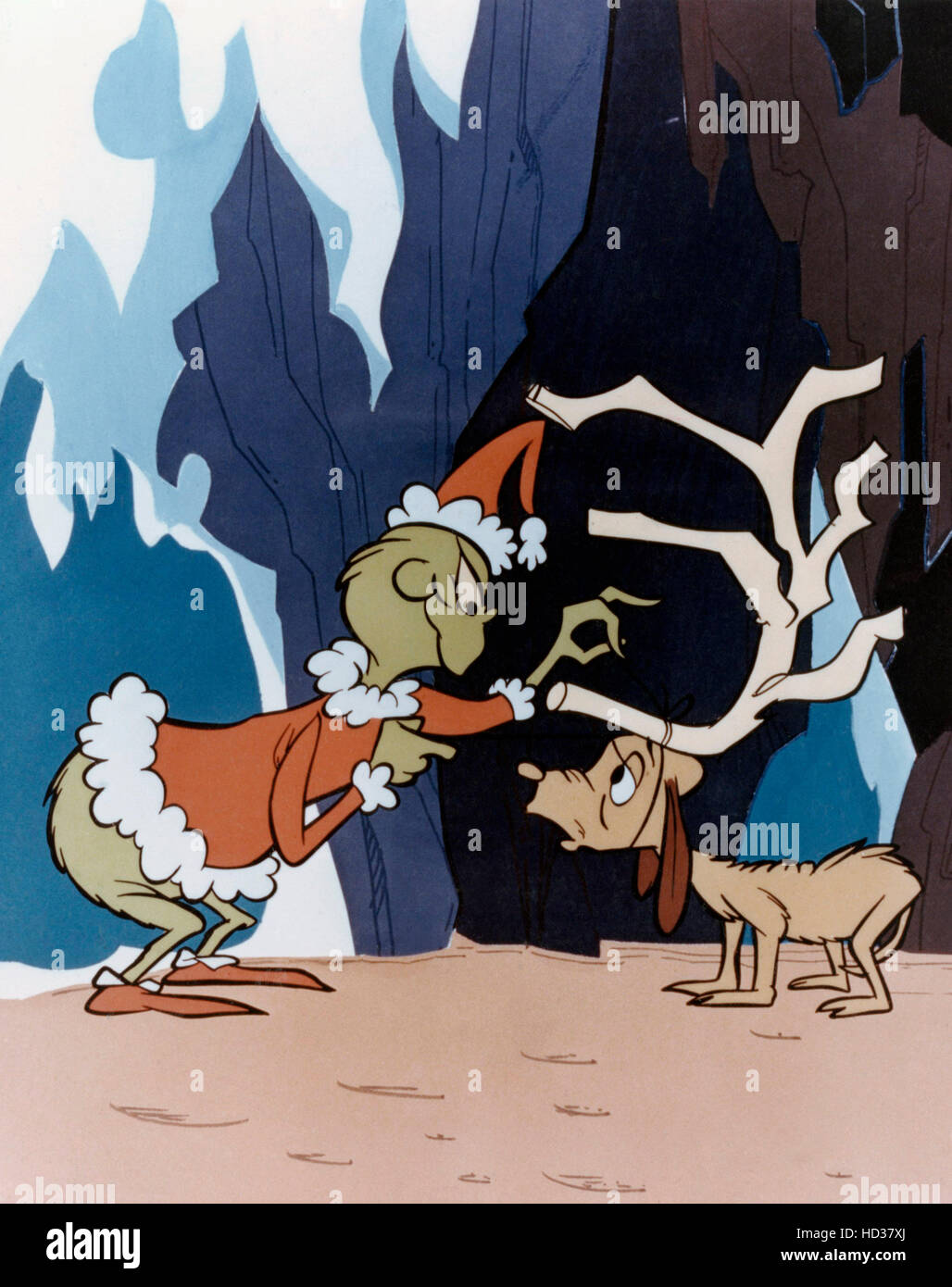
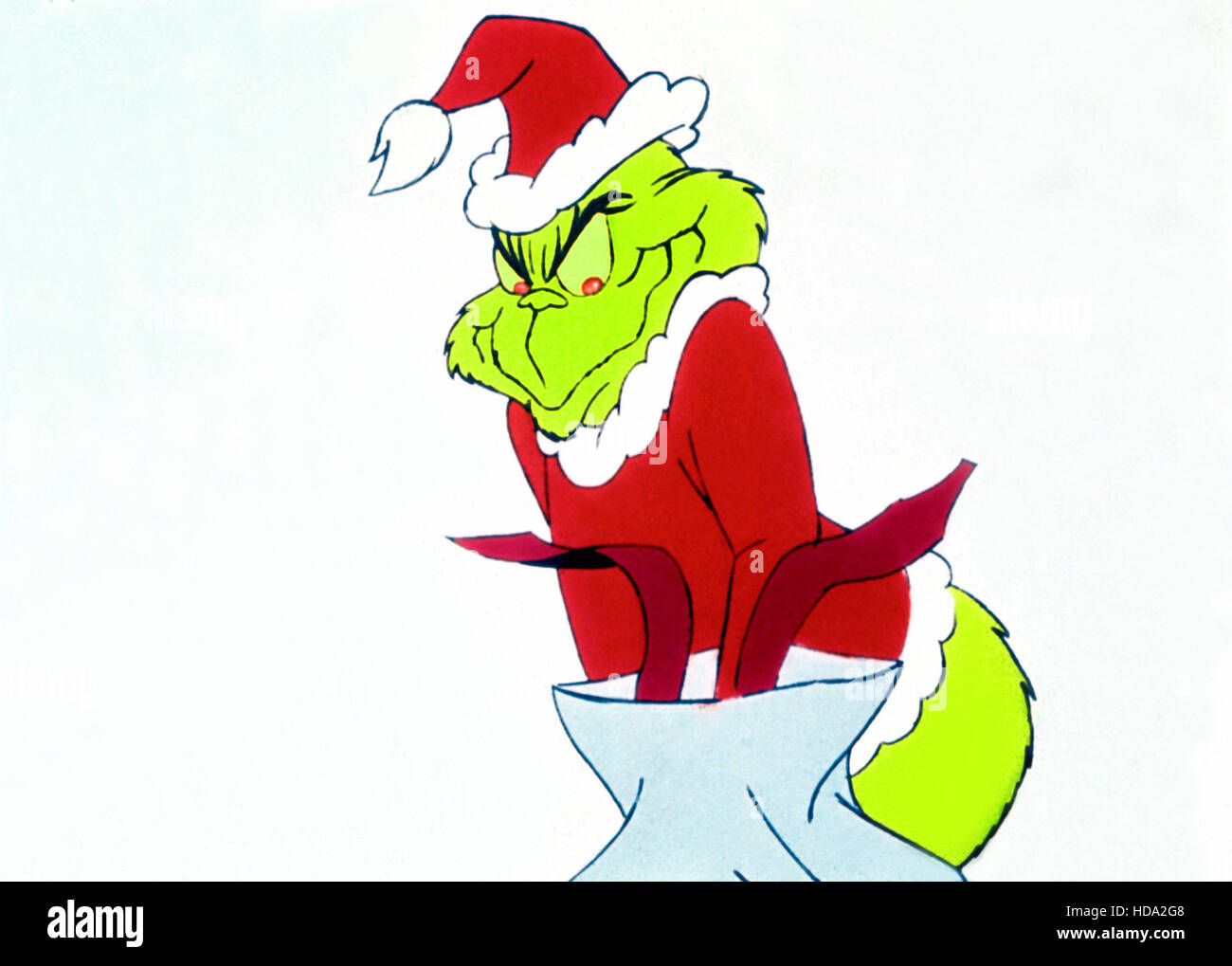
Jones convinced Geisel that animation required its own visual grammar. While the original book utilized a stark, minimalist palette dominated by black, white, and a sharp shade of red, the 1966 special introduced a vibrant, albeit stylized, color scheme. The Grinch was famously shifted from a white body with pinkish-red eyes to a noxious, unforgettable shade of chartreuse-green. This artistic choice not only made the character stand out against the snowy backdrop of Mount Crumpit but also permanently cemented the color green in the public consciousness as synonymous with the character.
Key Creative Personnel and Production Roles
Bringing How the Grinch Stole Christmas! to life demanded a convergence of top-tier animation talent, distinctive voice acting, and masterful musical scoring. The production crew combined the sensibilities of theatrical animation veterans with the emerging demands of television broadcast standards.
| Role / Contribution | Key Individual | Notable Impact on the Special |
|---|---|---|
| Director / Producer | Chuck Jones | Spearheaded visual style, character design, and pacing. |
| Author / Co-Writer | Theodor "Dr. Seuss" Geisel | Preserved lyrical integrity and wrote additional lyrics. |
| Narrator / The Grinch | Boris Karloff | Provided the deep, sinister narration and the speaking voice of the Grinch. |
| Singing Voice (Grinch / Songs) | Thurl Ravenscroft | Performed the iconic bass vocals for "You're a Mean One, Mr. Grinch." |
| Composer | Albert Hague | Created the timeless melodies that accompanied Geisel's lyrics. |
| Animation Layout | Maurice Noble | Designed the expressive, distorted architectural layouts of Whoville. |
Voice Casting and Musical Masterpieces
The enduring power of the 1966 special rests heavily on its audio landscape. Boris Karloff, renowned for his work in classic horror cinema, brought a grave, theatrical dignity to the narration. His delivery of Geisel’s anapestic tetrameter maintained the poetic rhythm of the book while adding a rich, mischievous texture to the Grinch's internal thoughts and malicious schemes.
For the singing portions, particularly the famous "You're a Mean One, Mr. Grinch" sequence, Jones enlisted bass vocalist Thurl Ravenscroft. Ravenscroft’s deep, booming voice provided a sharp, comical contrast to the innocent chorus of the Whos. Interestingly, because of an oversight in the original credits, Ravenscroft's name was accidentally omitted from the broadcast, leading Geisel to personally write letters to entertainment columnists to ensure the singer received proper public recognition.
The musical score by Albert Hague complemented these vocal performances with jazz-infused arrangements that underscored the peculiar, slightly subversive tone of the narrative. "Welcome Christmas" (Fah Who Doraze), a nonsensical yet heartwarming carol composed by Hague and Geisel, reinforced the central theme that the holiday spirit exists independently of commercial trappings.
Animation Techniques and Visual Style
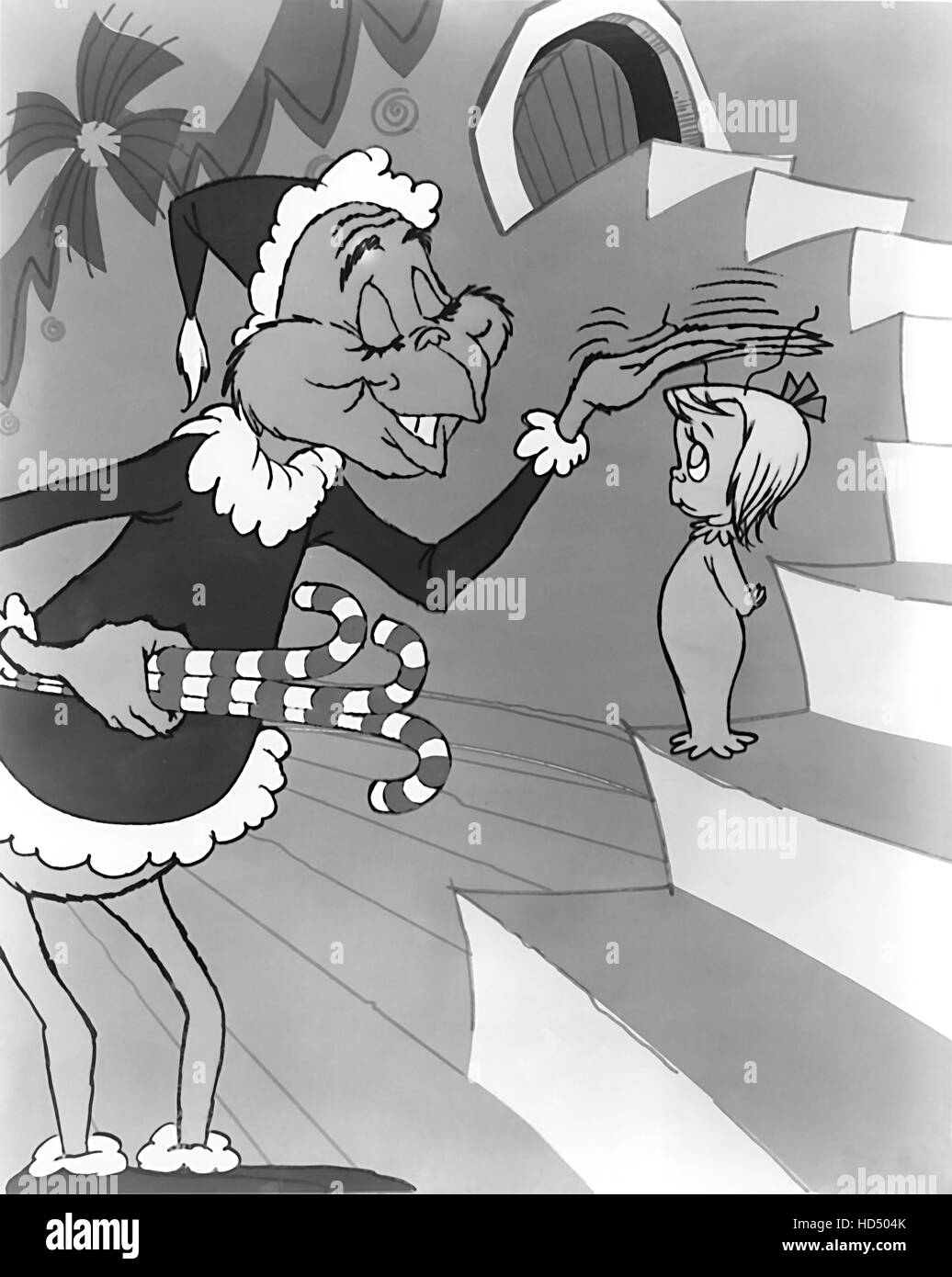
Chuck Jones brought his signature aesthetic—honed on Looney Tunes shorts featuring characters like Wile E. Coyote and the Road Runner—to the special. The animation emphasizes exaggerated facial expressions, squash-and-stretch physics, and dynamic timing. The Grinch’s facial transformations, from a sneering scowl to a look of profound bewilderment when the Whos begin to sing without presents, rely on nuanced draftsmanship rather than complex special effects.
The layout work, overseen by Maurice Noble, established Whoville as a labyrinth of gravity-defying architecture with rounded roofs, crooked staircases, and skewed angles. This distorted perspective visually communicated the eccentric nature of the Whos while keeping the focus centered on the emotional core of the story. Every frame was meticulously drawn and painted by hand, representing an era of television animation production that required substantial financial investment and multi-month schedules.
Broadcast History and Legacy
Upon its initial December 1966 broadcast, sponsored by the Foundation for Commercial Banks, the special captured an estimated audience of millions, instantly establishing itself as a seasonal television staple. For decades, it occupied a coveted prime-time slot on CBS, serving as an annual family tradition before transitioning to subsequent networks and digital home media formats.
The special's anti-materialist message resonated deeply with audiences navigating the increasing commercialization of the mid-20th-century holiday season. By demonstrating that the Grinch’s attempts to steal Christmas were ultimately futile because the holiday's essence transcended physical goods, the broadcast offered a gentle moral critique wrapped in slapstick comedy and whimsical verse.
Evaluating the 1966 Special Versus Later Adaptations
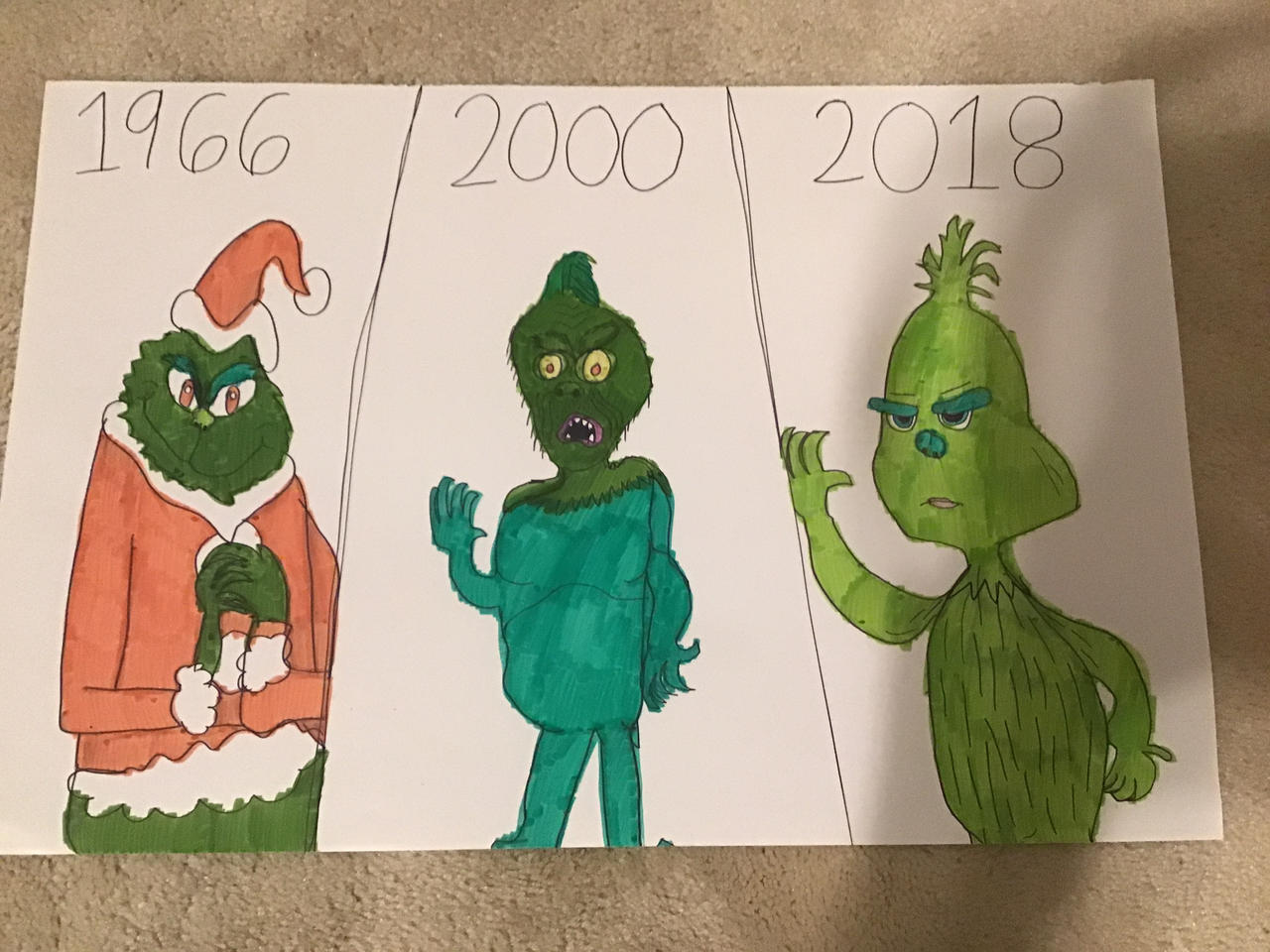
As intellectual property rights expanded, subsequent versions of the story emerged, including the 2000 live-action feature film starring Jim Carrey and the 2018 CGI-animated film produced by Illumination. While these modern iterations introduced expanded backstories and updated visual technologies, critics and audiences frequently return to the 1966 original for its concise storytelling, faithful adherence to the source text, and classic artistic craftsmanship.
| Adaptation Feature | 1966 Animated Special | 2000 Live-Action Film | 2018 CGI-Animated Film |
|---|---|---|---|
| Runtime | Approximately 26 minutes | 104 minutes | 85 minutes |
| Primary Medium | Traditional 2D Animation | Live-action with heavy prosthetics | Computer-generated 3D animation |
| Narrative Scope | Direct translation of the book | Expanded backstory of Whoville politics | Expanded backstory of the Grinch's childhood |
| Primary Voice/Lead | Boris Karloff | Jim Carrey | Benedict Cumberbatch |
Common Questions About the Production
Who voiced the Grinch in the 1966 animated special?
The speaking voice and narration were performed by legendary actor Boris Karloff. However, the singing voice for the character—most notably on the song "You're a Mean One, Mr. Grinch"—was provided by bass singer Thurl Ravenscroft.
Why was Thurl Ravenscroft left out of the original credits?
Due to an oversight during final editing and post-production, Thurl Ravenscroft’s name was accidentally omitted from the closing credits scroll of the 1966 broadcast. Author Dr. Seuss subsequently launched a personal campaign to ensure Ravenscroft received public credit and industry recognition for his foundational contribution.
Is the Whoville song "Fah Who Doraze" in the original book?
No. The song "Welcome Christmas," featuring the nonsensical lyrics "Fah Who Doraze," was entirely original to the 1966 television special. Dr. Seuss and composer Albert Hague created it to emphasize the communal joy and unity of the Whos during the holiday celebration.
How long did it take to produce the 1966 special?
The production took approximately several months of intensive work, involving a large team of animators, layout artists, and musicians working under the direct supervision of Chuck Jones at MGM Animation studios.
Where can viewers watch the 1966 special today?
Broadcast and streaming rights for the special frequently rotate between television networks and subscription streaming services. Depending on the current licensing agreements, it is typically accessible via physical media releases such as Blu-ray and DVD, or through designated digital storefronts and streaming platforms during the holiday season.
Preserving a Holiday Tradition
Examining the production history and artistic merits of the 1966 special reveals why it remains a cultural touchstone. Viewers seeking to experience the authentic craftsmanship of mid-century animation should prioritize seeking out the original unedited broadcast versions on physical or authorized digital home media formats, ensuring that the work of Chuck Jones, Boris Karloff, and Dr. Seuss can be appreciated in its pristine historical context.