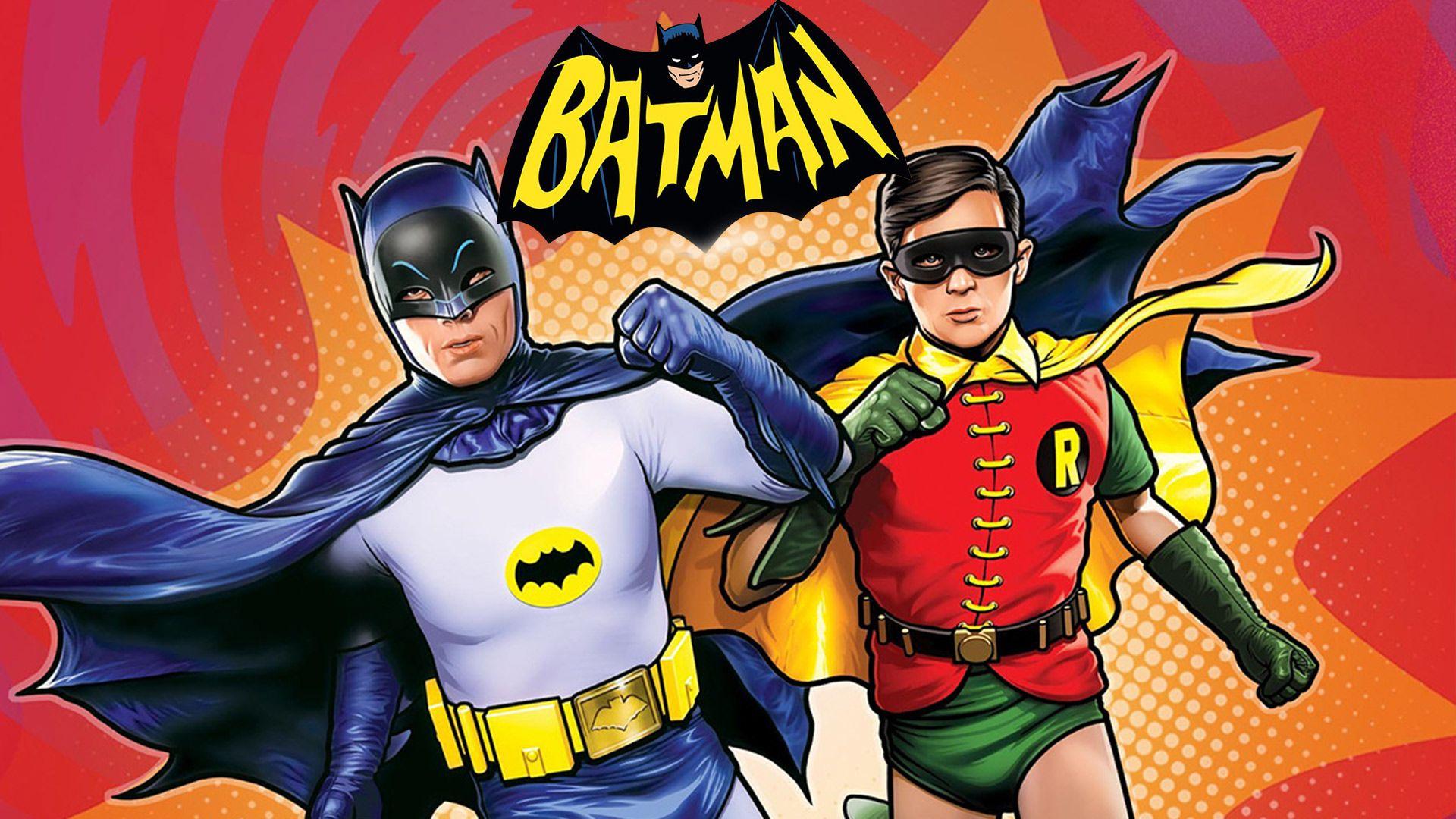
The 1966 Batman television series starring Adam West and Burt Ward is a landmark pop culture phenomenon that revolutionized television production through its distinctive camp aesthetic, vibrant pop-art visual design, and unprecedented twice-weekly serial format. Developed by executive producer William Dozier and broadcast on the ABC network, the show transformed a comic book property into an international sensation while cementing a specific, self-aware comedic style that continues to influence media production decades later.
Origins and Development of the ABC Production
The genesis of the 1966 Batman series can be traced to a pivotal moment in comic book history and television executive strategy. In the early 1960s, DC Comics editor Julius Schwartz successfully revitalized the Batman character by updating his aesthetic and grounding stories in more detective-oriented scenarios, moving away from the science-fiction-heavy narratives of the 1950s. Recognizing the commercial viability of this updated intellectual property, publisher National Periodical Publications (now DC Comics) licensed the film and television rights to producer Spencer Newman, who subsequently partnered with ABC and producer William Dozier’s Greenway Productions.
Initially, ABC and Greenway envisioned a relatively straightforward, albeit dramatic, action-adventure series. However, as development progressed, William Dozier realized that playing the material straight would likely result in a dull or quickly dated program. Influenced by the contemporary pop art movement and the success of tongue-in-cheek spy thrillers, Dozier pivoted the creative direction entirely toward deliberate camp. The series was designed to appeal simultaneously to children—who enjoyed the bright colors, dynamic action, and straightforward heroics—and adults, who appreciated the sophisticated satire, deadpan delivery, and layered double entendres.
To secure prime-time traction, ABC utilized a revolutionary scheduling strategy. The series premiered on Wednesday, January 12, 1966, followed by a second episode the next night on Thursday, January 13. This two-part cliffhanger format—summarized by the iconic narrator's sign-off, "Same Bat-time, same Bat-channel"—created an immediate weekly event that dominated television ratings during its first season. The rapid-fire production schedule demanded high-intensity output from the cast and crew, establishing a distinct visual and operational template that defined mid-1960s television production.
Cast, Characters, and Iconic Performances
The success of the 1966 Batman series rested heavily on its casting choices, particularly the decision to have the actors play their outlandish roles with absolute sincerity. Adam West secured the dual role of billionaire philanthropist Bruce Wayne and his crime-fighting alter ego, Batman. West’s performance relied on precise comedic timing, delivering deadpan moral lessons and overly formal dialogue while wearing a bulky cowl. His portrayal established a clear distinction between the stiff, upright billionaire and the vigilant crime fighter, creating a blueprint for how live-action superhero performances could balance humor and heroism.
Burt Ward was cast as Dick Grayson and his youthful counterpart, Robin the Boy Wonder. Ward brought physical agility and boundless enthusiasm to the role, anchoring the dynamic duo's partnership. Together, West and Ward perfected the deadpan exposition delivered while climbing vertical walls via bat-rope or discussing complex forensic puzzles inside the Batcave. Their chemistry provided the emotional and comedic core of the series, turning the characters' earnest camaraderie into a defining aspect of the show's enduring appeal.
Complementing the heroes was a legendary roster of guest villains who rotated through the two-part episode arcs. Frank Gorshin delivered an Emmy-nominated performance as the Riddler, characterized by manic laughter, frantic physical movement, and elaborate puzzles. Burgess Meredith brought theatrical flair to the Penguin, incorporating a distinctive cigarette holder and a signature squawking waddle.
Cesar Romero famously refused to shave his mustache to play the Joker, forcing the makeup department to apply white greasepaint directly over facial hair, a quirky detail visible in close-up shots. Julie Newmar, and later Eartha Kitt, defined the feline femme fatale role as Catwoman, blending sophisticated menace with playful feline mannerisms.
Visual Design and Pop-Art Aesthetics
The 1966 Batman series remains a masterclass in mid-century pop-art design, translating comic book conventions directly onto the television screen through bold color palettes, graphic set design, and innovative special effects. Art director Rolland M. Brooks and production designer Serge Krizman constructed sets that utilized dizzying geometric patterns, primary colors, and asymmetrical architecture to mirror the visual style of contemporary pop art exhibitions and comic book panels.
One of the most famous visual signatures of the series was the incorporation of on-screen comic book graphic sound effects during fight scenes. Rather than relying solely on audio cues, producers utilized brightly colored graphic words—such as "BAM!", "POW!", "WHACK!", and "ZOWIE!"—flashed directly onto the screen over the physical action. This technique not only paid direct homage to print media but also served a practical production purpose, masking the limitations of television fight choreography and low-budget physical contact.
The technological hardware of the series became equally iconic. The Batmobile, custom-built by legendary car customizer George Barris from a one-of-a-kind 1955 Lincoln Futura concept car, featured jet turbines, bat-beams, and emergency bat-turn levers that captured the imagination of viewers worldwide. The Batcave featured a massive atomic reactor, giant prop computers with flashing lights, and specialized crime-fighting machinery that established the trope of the high-tech superhero lair.
Episode Structure and Narrative Conventions
The structural formula of the 1966 Batman series was rigorously standardized, providing viewers with a predictable yet endlessly entertaining viewing experience. Each narrative arc spanned two distinct episodes, creating a structured viewing rhythm across the weekly television schedule.
| Episode Segment | Narrative Function | Key Production Elements |
|---|---|---|
| Part One: Act I | Crime Introduction & Investigation | Villain reveals an elaborate plot; Commissioner Gordon and Chief O'Hara summon Batman via the Bat-signal and Batphone. |
| Part One: Act II | Pursuit & The Cliffhanger | The Dynamic Duo investigates clues, confronts henchmen, and falls into a seemingly inescapable deathtrap at the end of the Wednesday broadcast. |
| Part Two: Act I | Escape & Counter-Strategy | Batman and Robin use obscure scientific knowledge or hidden Bat-gadgets to escape the trap and trace the villain's movements. |
| Part Two: Act II | Final Showdown & Resolution | A large-scale comic-book brawl ensues at the villain's hideout, followed by a moralizing wrap-up in Gotham City. |
This rigid formula allowed writers to experiment with satirical commentary on 1960s politics, celebrity culture, and societal anxieties. The villains would invariably hatch elaborate, theatrical crimes that relied on convoluted logic, providing Batman with ample opportunity to deduce the plot through far-fetched forensic science and deliver earnest civic lectures to Robin.
Cultural Impact and Long-Term Legacy
Although the series suffered a ratings decline by its third season—largely due to over-saturation, moving to a single weekly time slot, and the introduction of Batgirl (played by Yvonne Craig) late in the run—its cultural footprint proved permanent. The show generated an immediate merchandising boom, including lunchboxes, action figures, Halloween costumes, and a theatrical feature film released by 20th Century Fox in the summer of 1966.
For decades, the camp interpretation of Batman was the dominant public perception of the character, overshadowing the darker comic book origins until later film adaptations redirected the franchise. However, modern critical reassessment has celebrated the 1966 series as a brilliant satire and an exceptional technical achievement in translating print media to television. The show's influence can be seen in subsequent self-aware superhero media, demonstrating that playful absurdity and sincere character work can coexist successfully on screen.