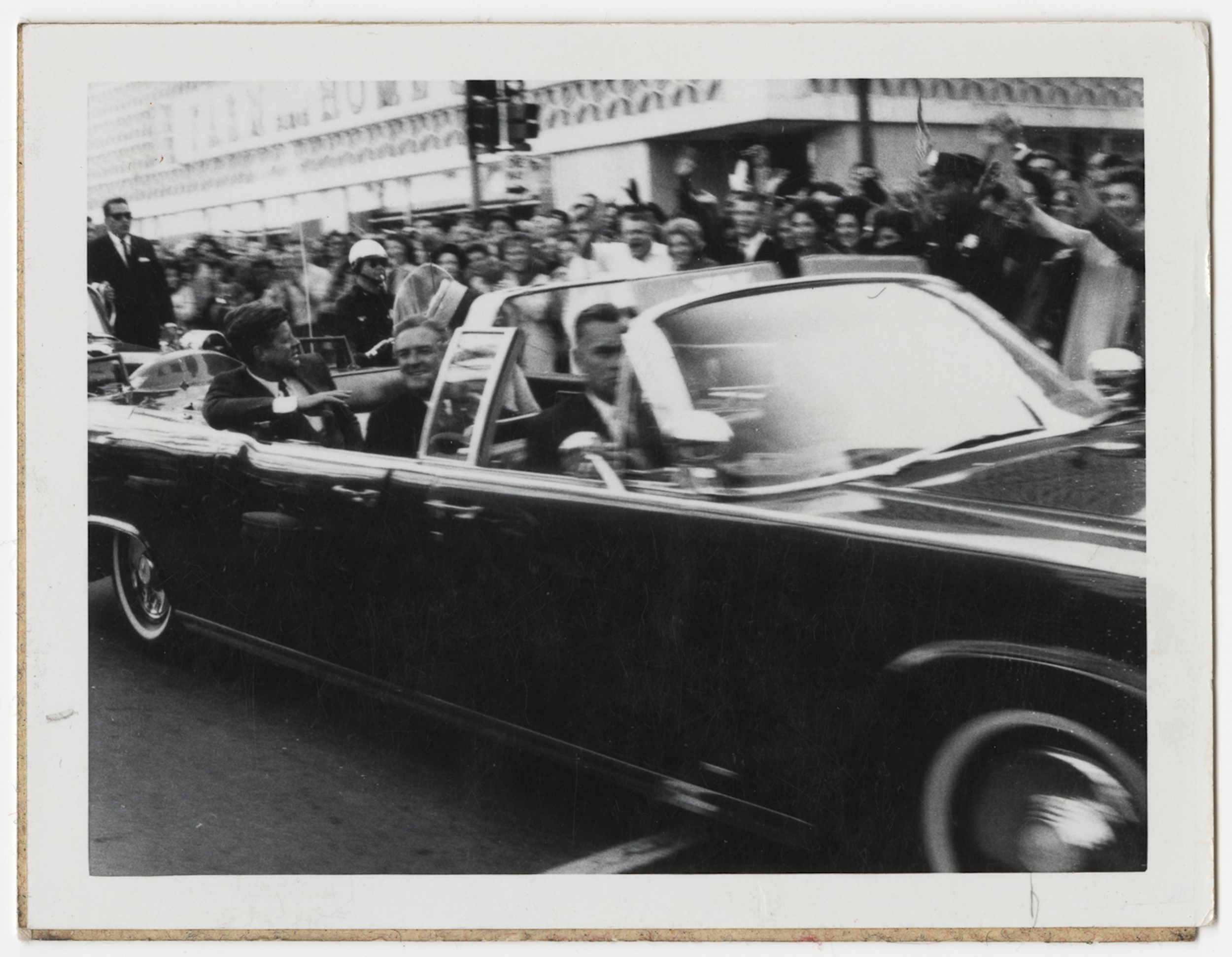
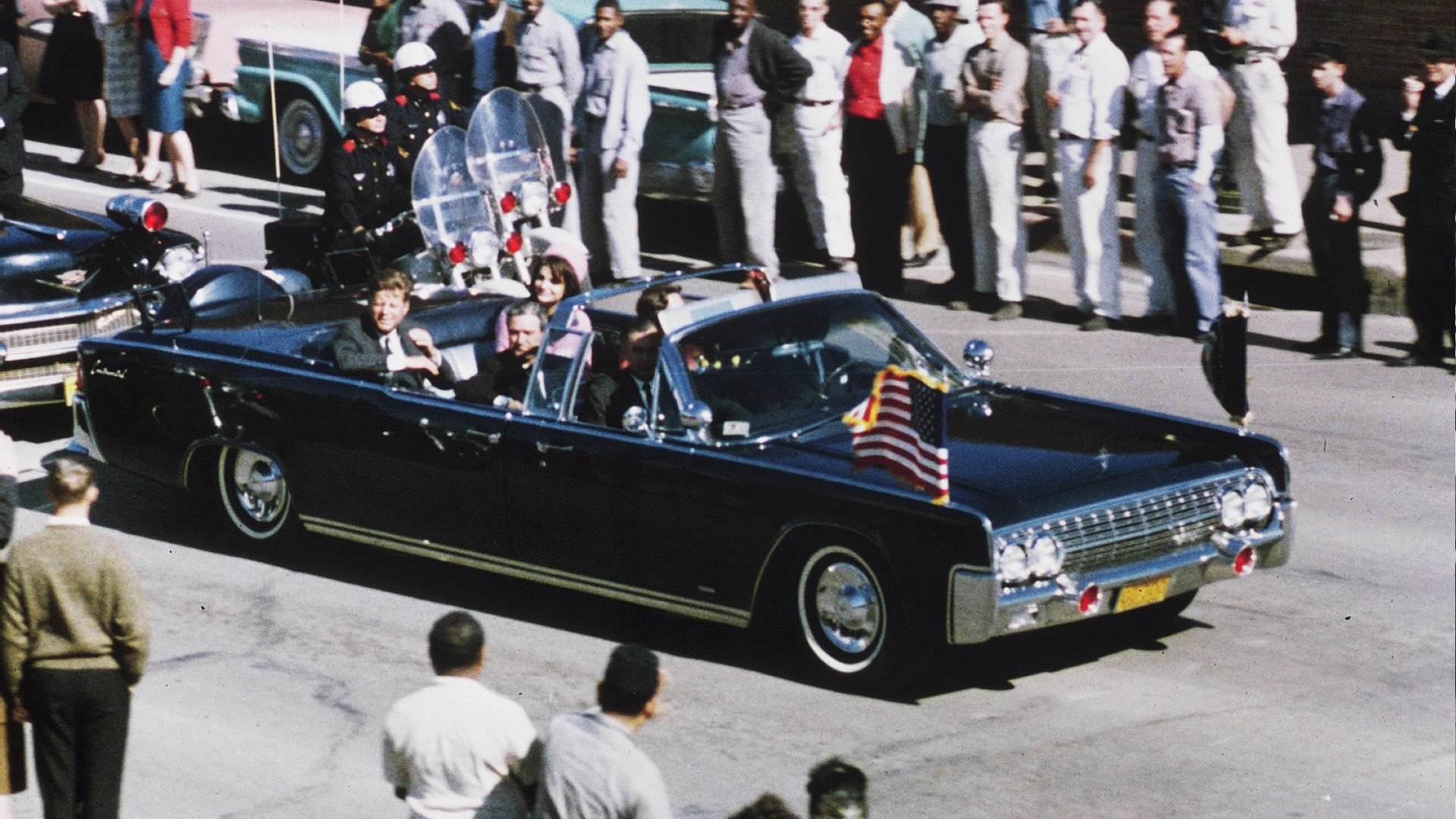
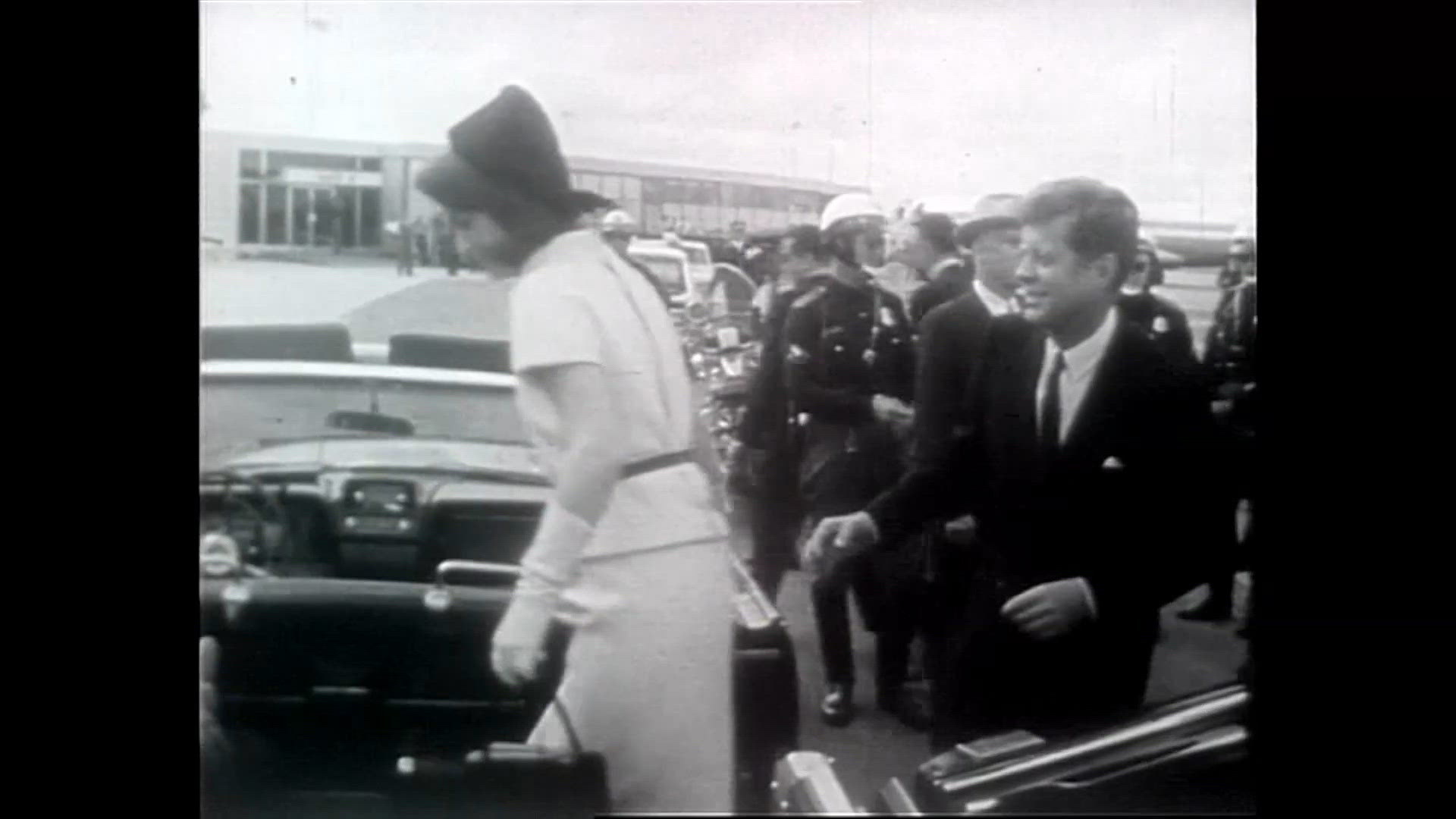
The assassination of President John F. Kennedy on November 22, 1963, remains one of the most thoroughly documented yet deeply contested events in modern history. While the official investigation by the Warren Commission concluded that Lee Harvey Oswald acted alone, the phrase "the untold story" encapsulates decades of public skepticism, declassified records releases, and investigative journalism that continue to challenge the official narrative. Exploring this subject requires navigating a vast landscape of government documents, forensic re-examinations, and shifting geopolitical contexts without losing sight of verified historical evidence.
Historical Context and the Official Warren Commission Findings
Hours after the shooting in Dealey Plaza, Dallas, Texas, law enforcement arrested Lee Harvey Oswald, a former U.S. Marine who had previously defected to the Soviet Union and later returned. Following Oswald's murder by nightclub owner Jack Ruby while in police custody two days later, President Lyndon B. Johnson established the President's Commission on the Assassination of President Kennedy, chaired by Chief Justice Earl Warren.
Published in September 1964, the Warren Report concluded that both Oswald and Ruby acted entirely alone. The commission determined that three shots were fired from the sixth floor of the Texas School Book Depository, attributing the fatal head wound to Oswald. Despite the exhaustive nature of the 888-page report, public doubt took root almost immediately due to perceived omissions, rapid timelines, and inconsistencies in witness testimony.
The Evolution of Alternative Narratives and Declassified Records
As public distrust grew throughout the 1970s, Congress established the House Select Committee on Assassinations (HSCA) in 1976 to re-examine the tragedy. The HSCA concluded in its 1979 final report that while Oswald was the lone gunman, a high probability existed that a second gunman fired at the motorcade and missed, based largely on a disputed dictabelt recording from a police motorcycle.
Decades later, the passage of the President John F. Kennedy Assassination Records Collection Act of 1992 mandated the public release of millions of pages of classified documents held by the National Archives and Records Administration (NARA). These disclosures provided researchers with unprecedented access to internal communications from the CIA, FBI, and the Department of Justice.
| Investigation Body | Year Active | Primary Conclusion | Key Limitation or Controversy |
|---|---|---|---|
| Warren Commission | 1963–1964 | Oswald acted alone (lone gunman). | Restricted access to certain intelligence files; rapid timeline. |
| Church Committee | 1975–1976 | Investigated intelligence agency abuses, including Castro plots. | Focused on agency oversight rather than a direct reinvestigation of the murder. |
| HSCA | 1976–1979 | Probable conspiracy based on acoustic evidence. | Acoustic findings were later heavily disputed by scientific panels. |
| ARRB (NARA) | 1994–1998 | Declassified millions of pages of government records. | Redactions remained on national security grounds until recent years. |
Forensic Re-Examinations and Ballistic Evidence
Much of the debate surrounding the 1963 assassination centers on forensic and ballistic evidence, particularly the "Single Bullet Theory" formulated by Warren Commission counsel Arlen Specter. This theory proposed that a single 6.5mm Mannlicher-Carcano bullet passed through President Kennedy's neck and inflicted all the non-fatal wounds sustained by Texas Governor John Connally.
Critics argue that the timing and trajectory required for this single projectile are physically implausible. Conversely, modern computer simulations, neutron activation analysis of bullet fragments, and enhanced photographic analysis have been utilized by both government panels and independent forensic pathologists to test these competing claims.
Key Forensic Elements Subject to Debate
- The Zapruder Film: Abraham Zapruder’s home movie remains the most complete visual record of the shooting, though frame rates, camera stability, and optical artifacting have fueled decades of interpretation regarding the direction of the fatal impact.
- The Autopsy Photographs and X-rays: Discrepancies between field notes taken by physicians at Parkland Memorial Hospital and the official autopsy conducted at Bethesda Naval Hospital have generated persistent questions regarding wound locations.
- Ballistic Testing: Replications of the shooting by various investigative bodies highlight the mechanical capability of the Carcano rifle, though expert opinions remain divided on shooter proficiency under real-world conditions.
Geopolitical Motivations and Cold War Dynamics
Beyond physical evidence, alternative historical analyses frequently examine the geopolitical climate of late 1963. Proponents of broader conspiracy theories often point to Kennedy's foreign policy stances, which occasionally brought him into direct conflict with powerful elements within the U.S. national security establishment.
Key areas of friction included Kennedy's handling of the 1961 Bay of Pigs invasion, his reluctance to launch a full-scale military intervention in Cuba during the 1962 Missile Crisis, and his back-channel communications with Soviet Premier Nikita Khrushchev and Cuban leader Fidel Castro aimed at de-escalating Cold War tensions. Additionally, Kennedy's signing of the Limited Nuclear Test Ban Treaty in August 1963 alienated hardliners within the Pentagon and the Central Intelligence Agency.
Evaluating Sources and Navigating Historical Information
When researching the 1963 Kennedy assassination, distinguishing between rigorous historical scholarship and speculative fiction requires careful source evaluation. The sheer volume of published material—ranging from peer-reviewed historical studies to sensationalized documentaries—demands a disciplined approach to evidence.
- Primary Sources: Prioritize documents housed by the National Archives, transcripts from the Warren Commission, and declassified agency memos.
- Secondary Analysis: Consult works by credentialed historians, investigative journalists who rely on documented evidence rather than hearsay, and peer-reviewed forensic studies.
- Red Flags: Treat claims relying on anonymous deathbed confessions, untraceable informants, or unverified audio recordings with extreme skepticism.
Frequently Asked Questions
What was the official conclusion of the Warren Commission regarding the 1963 JFK assassination?
The Warren Commission concluded that Lee Harvey Oswald acted entirely alone in assassinating President John F. Kennedy and wounding Governor John Connally, and that Jack Ruby also acted alone when he killed Oswald two days later.
Have all government records concerning the JFK assassination been released?
While the Assassination Records Collection Act of 1992 mandated the release of millions of pages of documents, subsequent executive orders have occasionally delayed the full disclosure of remaining sensitive files, though the vast majority are now publicly accessible through the National Archives.
What is the Single Bullet Theory?
Formulated by the Warren Commission, the Single Bullet Theory posits that a single projectile passed through President Kennedy's upper back and neck before striking Governor Connally, causing multiple wounds to both men. This theory remains one of the most heavily debated aspects of the official investigation.
Why do alternative theories about the assassination persist?
Public skepticism persists due to early investigative missteps, conflicting medical testimonies from Parkland and Bethesda hospitals, rapid changes in the political climate of the 1960s, and the continuous declassification of government documents that revealed prior intelligence community cover-ups in unrelated matters.
How can researchers access original JFK assassination documents?
Original declassified documents, audio recordings, and photographic evidence are maintained by the National Archives and Records Administration and can be accessed through their online research portal and physical archives in College Park, Maryland.
Next Steps for Independent Research
To deepen your understanding of the 1963 assassination beyond popular media portrayals, begin by examining primary source documents directly through the National Archives' online JFK Assassination Records collection. Cross-reference these government files with comprehensive, peer-reviewed historical texts that analyze the institutional workings of the Warren Commission and the geopolitical realities of the Kennedy administration. Maintain a critical eye toward methodological rigor, prioritizing verified documentary evidence over circumstantial speculation.