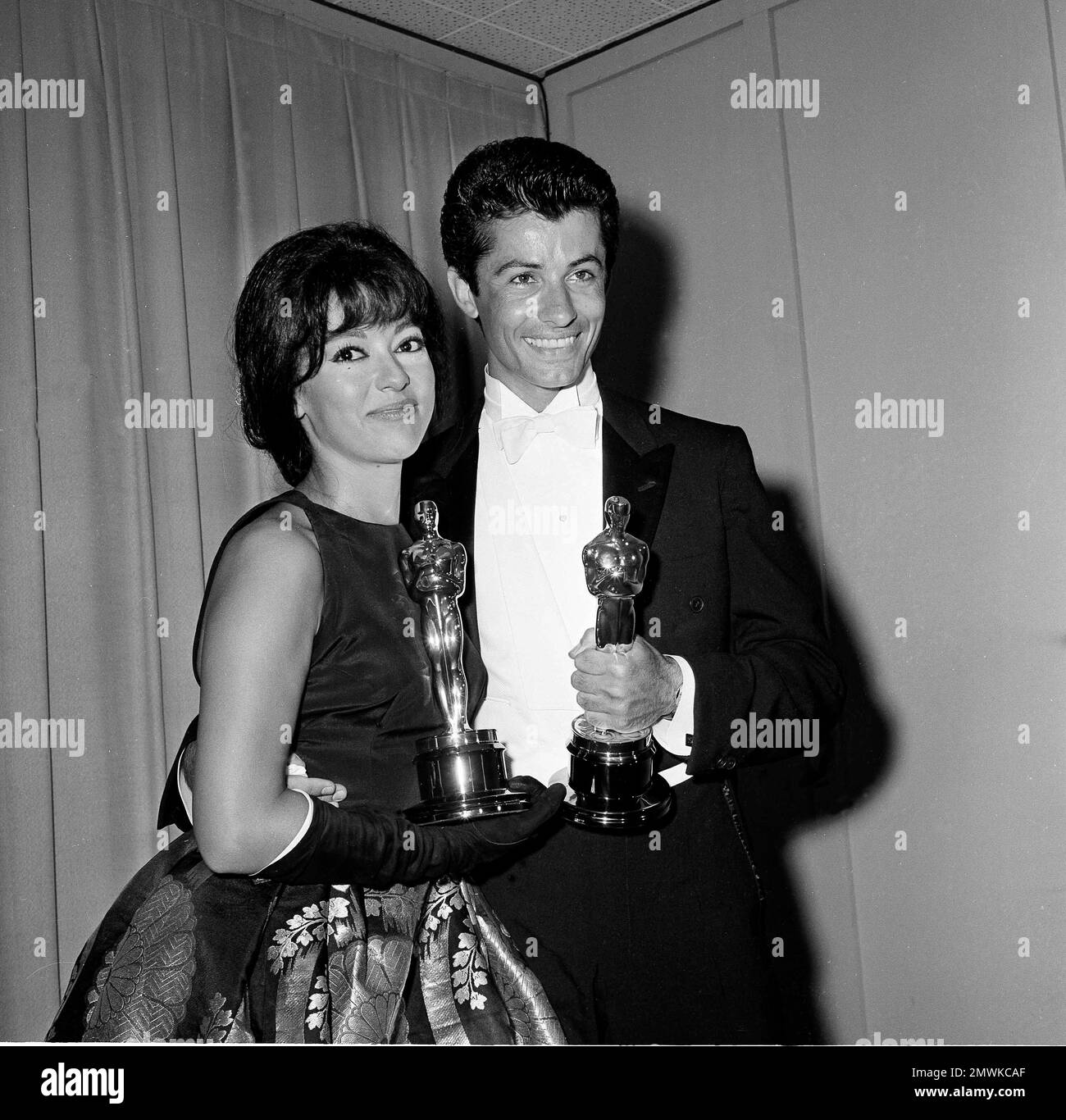
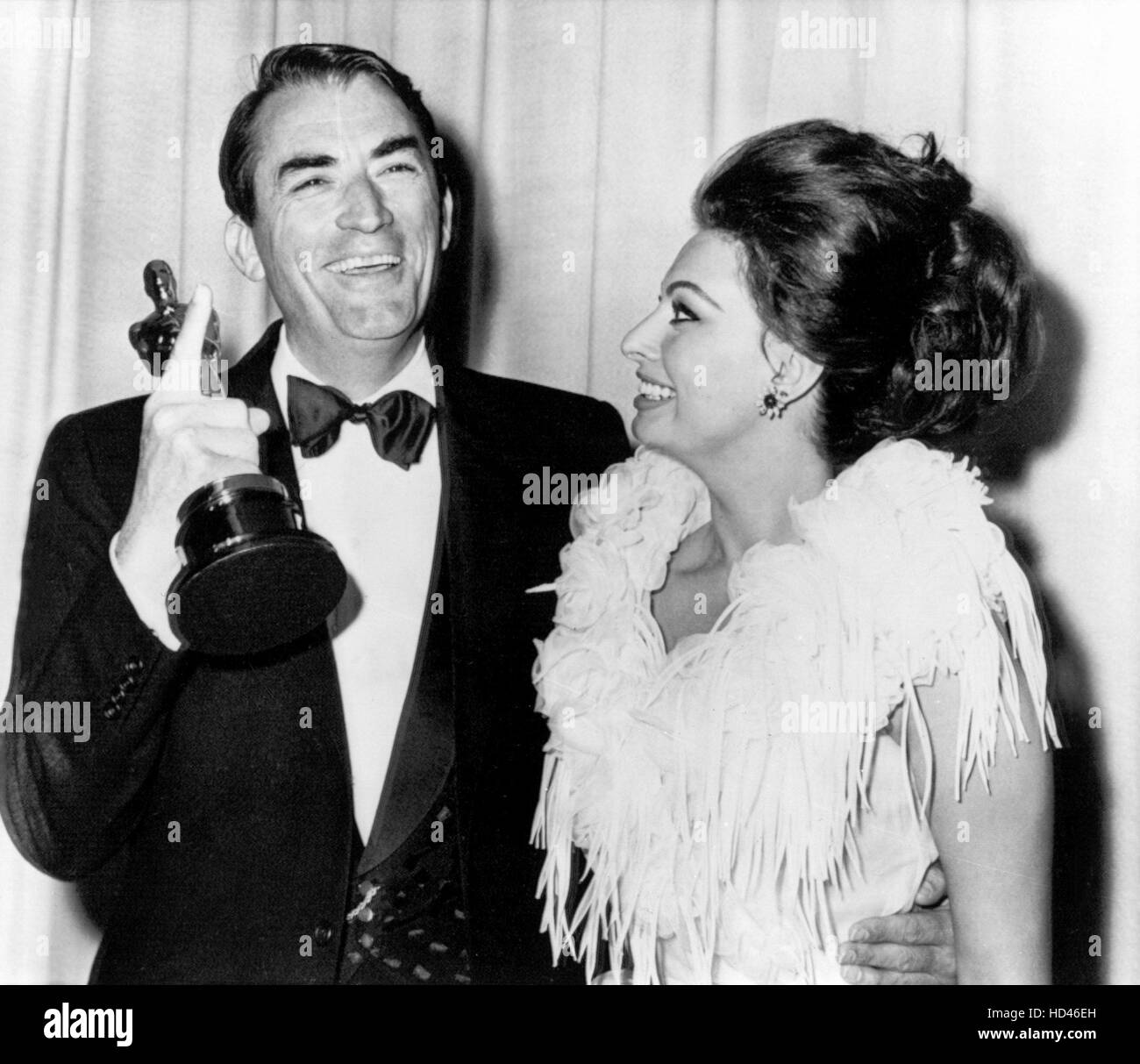
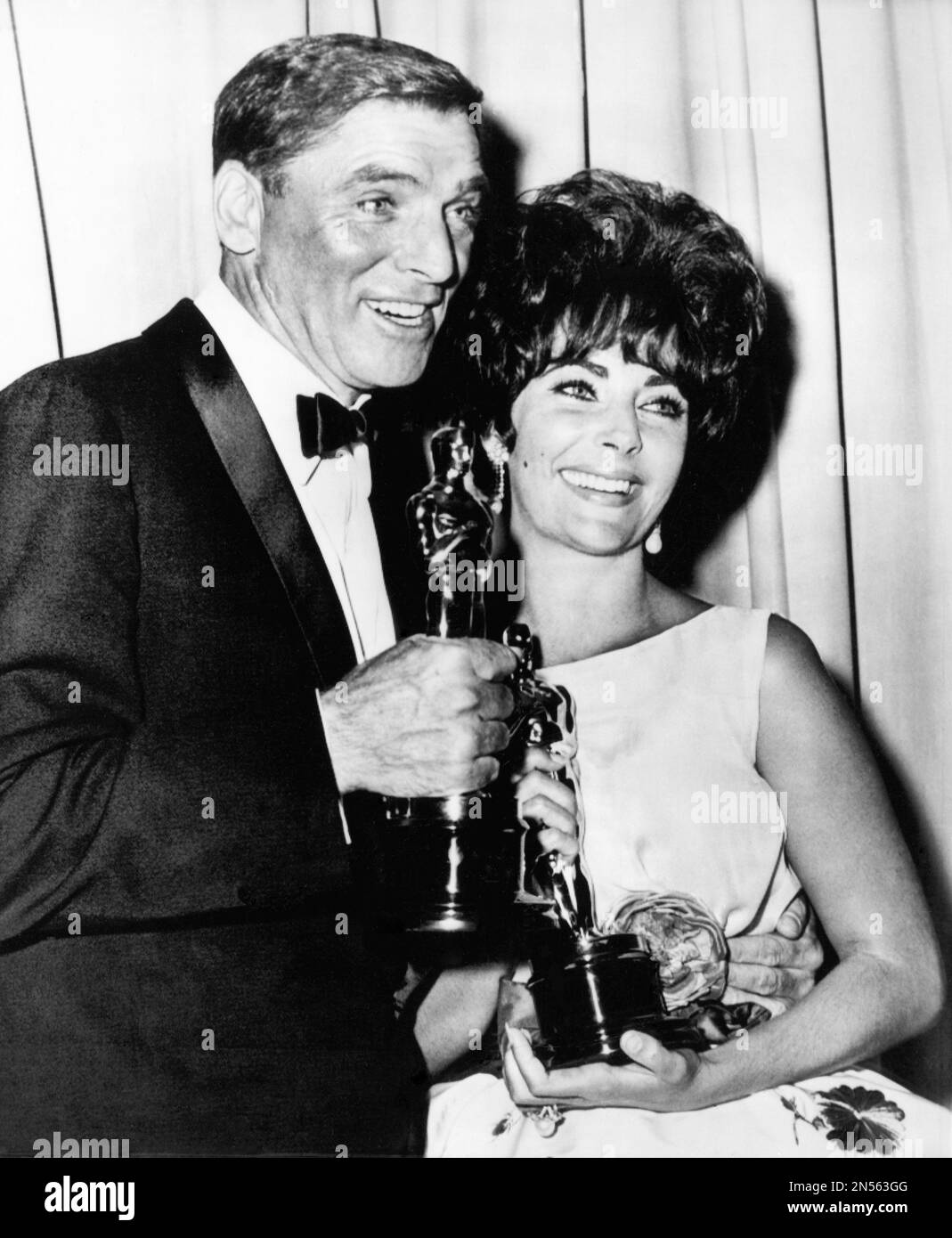
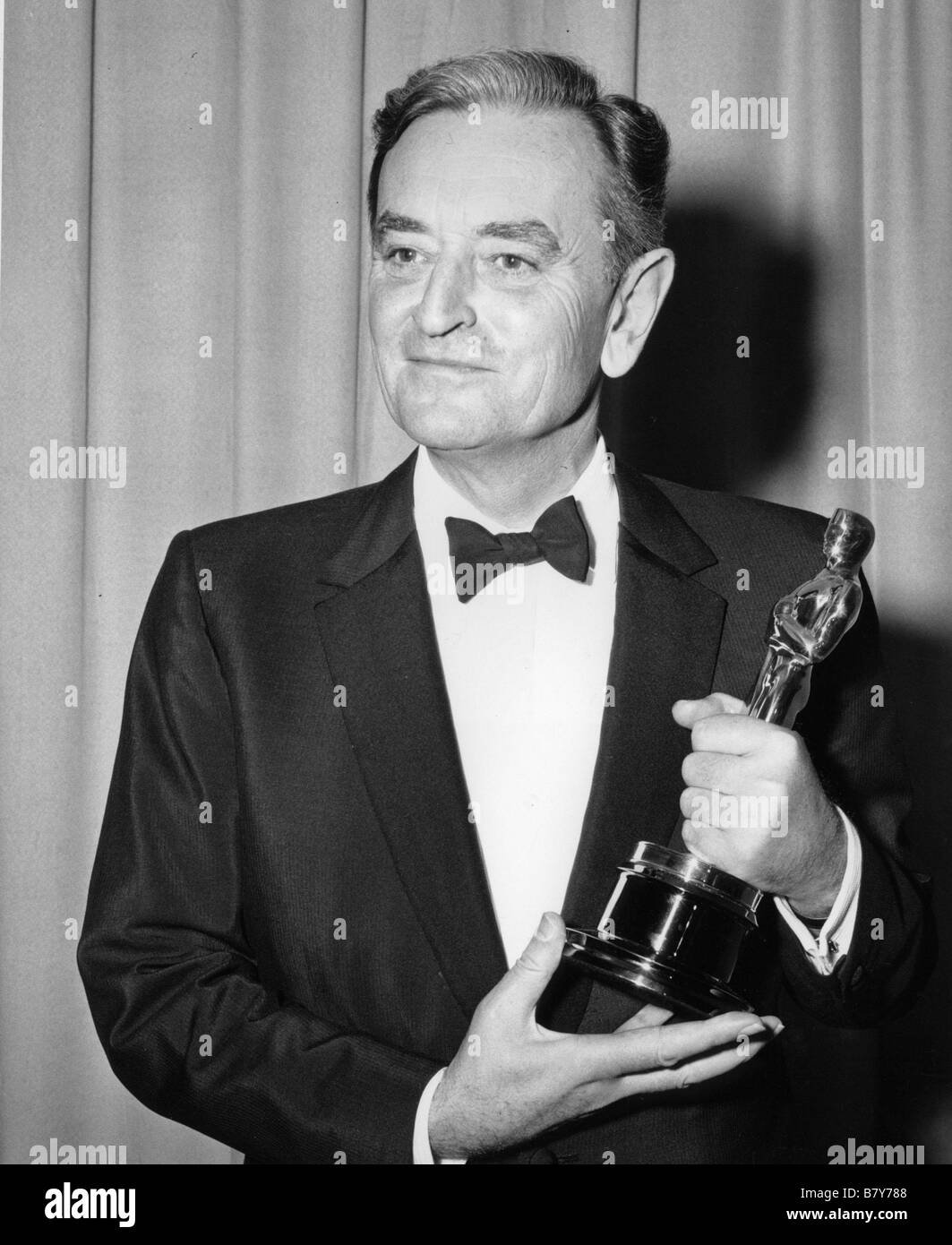
The 34th Academy Awards ceremony, honoring the best films of 1961, took place on April 9, 1962, at the Santa Monica Civic Auditorium in California. Hosted by comedian Bob Hope, the event celebrated a transitional era in Hollywood history, marked by the triumph of large-scale musical adaptations and gritty, socially conscious dramas that reflected a shifting cultural landscape.
Historical Context and Setting of the 34th Academy Awards
The early 1960s represented a fascinating crossroad for the American film industry. The classic studio system was continuing to fracture under the weight of the antitrust Paramount Decrees, the rise of television, and an increasing reliance on independent production companies. Despite these industry shifts, the Academy of Motion Picture Arts and Sciences (AMPAS) maintained its tradition of honoring grandiose cinematic achievements alongside emerging trends in international and independent cinema.
The Santa Monica Civic Auditorium served as the venue for the ceremony, a modern space that accommodated the expanding television audience. Broadcasted live on the ABC television network, the 1962 Oscars captured an average viewership that underscored the growing cultural dominance of home entertainment. Bob Hope, presiding over the broadcast for the twelfth time, brought his characteristic self-deprecating wit and industry insider commentary, setting a sophisticated yet accessible tone for the evening's proceedings.
The Monumental Sweep of West Side Story
No film dominated the 34th Academy Awards quite like Robert Wise and Jerome Robbins’s adaptation of the Broadway musical West Side Story. The film entered the race with an impressive eleven nominations and converted ten of them into Academy Awards, setting a record for the most wins for a musical film that stood for decades. Its victories spanned technical and major creative categories, cementing its status as a defining cultural artifact of the era.
The film secured the coveted Academy Award for Best Motion Picture, defeating formidable competition such as Judgment at Nuremberg, The Hustler, Judgment at Nuremberg, and Fanny. Jerome Robbins and Robert Wise shared the directing prize—a rare co-director victory in Academy history—recognizing their revolutionary integration of athletic choreography and cinematic framing.
The success of West Side Story extended deep into the supporting actor categories. Rita Moreno made history by winning the Academy Award for Best Supporting Actress for her portrayal of Anita, becoming the first Hispanic woman to win an Oscar. Similarly, George Chakris captured the Best Supporting Actor statuette for his intense performance as Bernardo, the leader of the Sharks. The film also triumphed in technical domains, securing wins for cinematography, art direction, costume design, sound, editing, and scoring of a musical picture.
Major Acting Races and Dramatic Triumphs
While West Side Story swept the musical and technical categories, the dramatic acting races were defined by powerhouse performances in gritty, contemporary character studies. The competition featured legendary Hollywood figures alongside emerging actors who would define the next generation of American cinema.
Maximilian Schell captured the Academy Award for Best Actor for his searing portrayal of defense attorney Hans Rolfe in Stanley Kramer’s courtroom drama Judgment at Nuremberg. Schell’s victory over heavyweights like Spencer Tracy (also nominated for Judgment at Nuremberg), Paul Newman (The Hustler), and Warren Beatty (Splendor in the Grass) signaled a growing Academy appreciation for intense, morally ambiguous character work.
In the Best Actress category, Sophia Loren achieved a historic milestone by winning for her visceral, heartbreaking performance as a mother protecting her daughter during wartime in Vittorio De Sica’s Italian neorealist drama Two Women (La ciociara). Loren's victory marked the first time an Academy Award for acting was won for a non-English-speaking performance. This win broke traditional industry barriers and validated the artistic merit of international cinema within the Hollywood establishment.
| Category | Winner | Film | Notable Nominees |
|---|---|---|---|
| Best Motion Picture | Robert Wise (Producer) | West Side Story | Judgment at Nuremberg, The Hustler, Fanny, The Guns of Navarone |
| Best Director | Robert Wise and Jerome Robbins | West Side Story | Stanley Kramer (Judgment at Nuremberg), Federico Fellini (La Dolce Vita) |
| Best Actor | Maximilian Schell | Judgment at Nuremberg | Paul Newman (The Hustler), Spencer Tracy (Judgment at Nuremberg) |
| Best Actress | Sophia Loren | Two Women | Audrey Hepburn (Breakfast at Tiffany's), Natalie Wood (Splendor in the Grass) |
| Best Supporting Actor | George Chakris | West Side Story | Montgomery Clift (Judgment at Nuremberg), Jackie Gleason (The Hustler) |
| Best Supporting Actress | Rita Moreno | West Side Story | Judy Garland (Judgment at Nuremberg), Lotte Lenya (The Roman Spring of Mrs. Stone) |
Writing, Cinematography, and Behind-the-Scenes Excellence
Beyond the marquee victories, the 34th Academy Awards highlighted the critical importance of screenplay writing and visual craftsmanship in shaping mid-century cinema. The writing categories reflected a deep interest in complex social issues, psychological realism, and literary adaptations.
Abby Mann won the Academy Award for Best Screenplay Based on Material from Another Medium for Judgment at Nuremberg, drawing from his acclaimed television play to examine individual responsibility and collective guilt in post-war Germany. In the Best Story and Screenplay Written Directly for the Screen category, William Inge won for Splendor in the Grass, exploring adolescent repression, mental health, and the rigid social expectations of rural America in the late 1920s.
Cinematography also reached new heights of technical sophistication during this period. Eugen Schüfftan won the black-and-white cinematography award for The Hustler, utilizing stark lighting, cramped pool halls, and sharp shadows to mirror the bleak, cynical world of professional hustling. In the color cinematography category, Daniel L. Fapp took home the prize for West Side Story, capturing the vibrant, stylized streetscapes of New York City through saturated primary colors and dynamic wide-angle lenses.
International Recognition and Special Achievements
The 34th Academy Awards further emphasized the globalization of cinema through the Best Foreign Language Film category and special honorary awards. Ingmar Bergman’s masterwork Through a Glass Darkly (Såsom i en spegel) won the award for Best Foreign Language Film, representing Sweden and demonstrating the Academy's growing embrace of existential European art house cinema.
Additionally, the Academy recognized career-long contributions to the film industry through honorary accolades. Fred Astaire received an Honorary Academy Award for his unique artistry and his contributions to the technique of musical pictures. Jerome Robbins also received an Honorary Award for his brilliant achievements in the art of choreography on film, independent of his shared directing win for West Side Story. These recognitions underscored the Academy’s effort to preserve traditional studio-era craftsmanship while rewarding modern innovations in performance and dance.
Legacy and Cultural Significance in Film History
Evaluating the 34th Academy Awards from a modern vantage point reveals a fascinating tension between classical Hollywood grandeur and the emerging counter-cultural currents of the 1960s. While West Side Story represented the absolute peak of the traditional Hollywood musical format—combining high art with commercial box-office supremacy—victories for gritty dramas like The Hustler and international masterpieces like Two Women pointed toward the gritty auteur-driven cinema of the late 1960s and 1970s.
The ceremony is also remembered as a watershed moment for diversity and international representation. The milestone wins of Rita Moreno and Sophia Loren broke longstanding demographic barriers in a predominantly white, American-centric industry. These achievements established important precedents for artists of color and international performers seeking recognition at the highest level of global cinema. Today, the 1962 Oscars remain a masterclass in cinematic transition, capturing an industry at the very precipice of profound artistic and cultural transformation.