The year 1961 marked a profound turning point in global cinema, characterized by the dissolution of old studio censorship boundaries, the rising prominence of international art-house movements, and the emergence of bold new storytelling techniques. During this pivotal era, filmmakers across Hollywood, Europe, and Asia challenged traditional narrative structures, introducing complex psychological realism and stylistic innovations that permanently transformed the medium.
The Cultural and Industrial Context of 1961 Cinema
To understand the cinematic output of 1961, one must examine the shifting industrial landscape of the early 1960s. Major Hollywood studios were still grappling with the rapid expansion of household television ownership, which had drastically reduced box office attendance throughout the previous decade. In response, American studios doubled down on high-budget roadshow spectacles, widescreen epics, and lavish musical adaptations designed to offer an immersive theatrical experience that television could not replicate. Simultaneously, the strict enforcement of the Motion Picture Production Code—often referred to as the Hays Code—began to weaken under the pressure of daring foreign imports and socially conscious domestic features that tackled taboo subjects like mental illness, racial prejudice, and complex sexuality.
Across the Atlantic, European cinema was experiencing a golden age of intellectual freedom and stylistic rebellion. The French New Wave (La Nouvelle Vague), which had ignited in the late 1950s, was in full swing by 1961, inspiring young directors worldwide to reject polished studio artificiality in favor of location shooting, handheld cameras, improvised dialogue, and jump cuts. Meanwhile, Italian neorealism had evolved into a more psychological and allegorical cinema, while Japanese directors continued to command international acclaim by blending traditional theatrical aesthetics with modern existential dread. This cross-pollination of ideas created a vibrant global marketplace where artistic risk-taking was increasingly rewarded by both critics and adventurous audiences.
Landmark Hollywood Productions and Studio Masterpieces
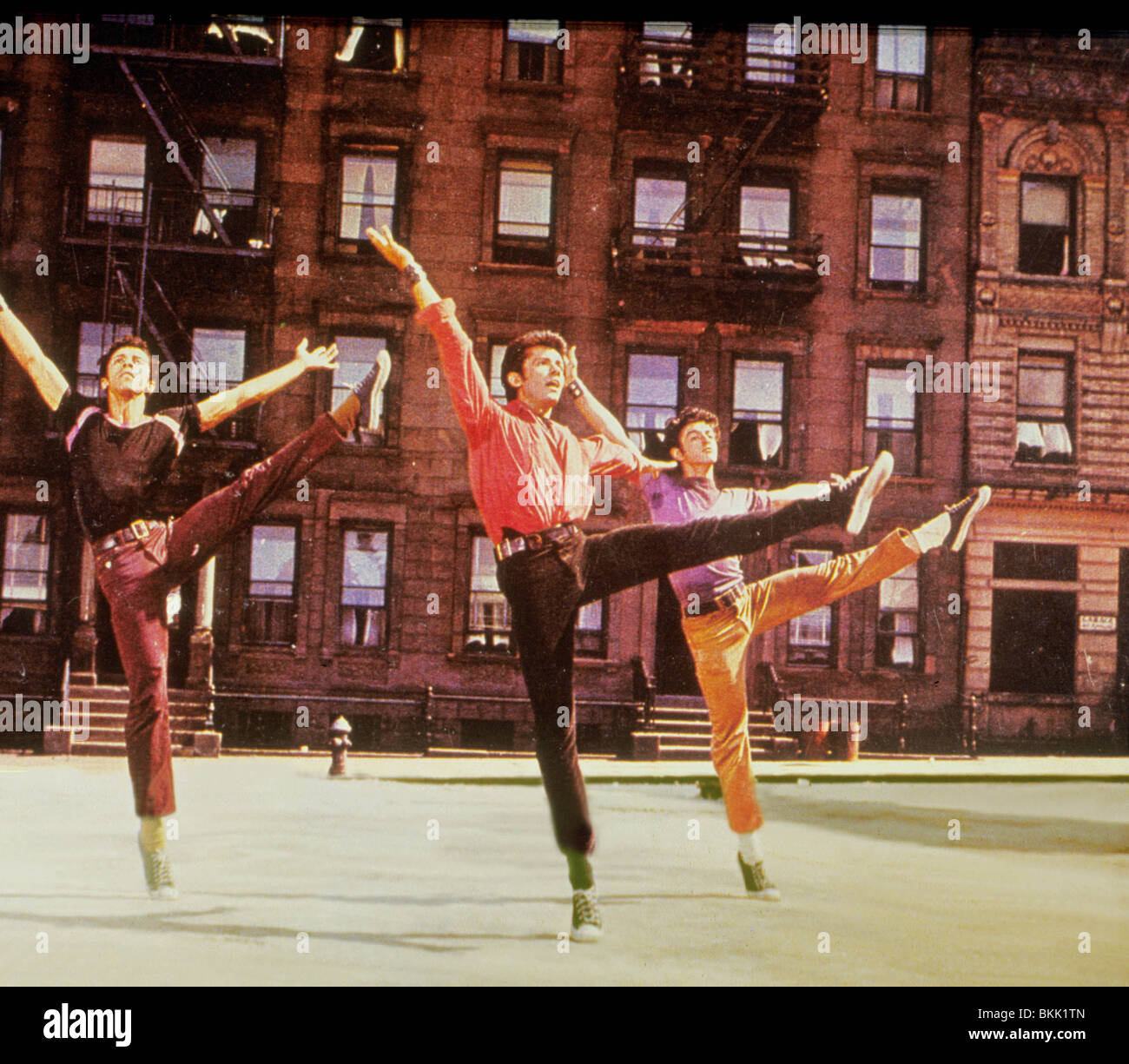
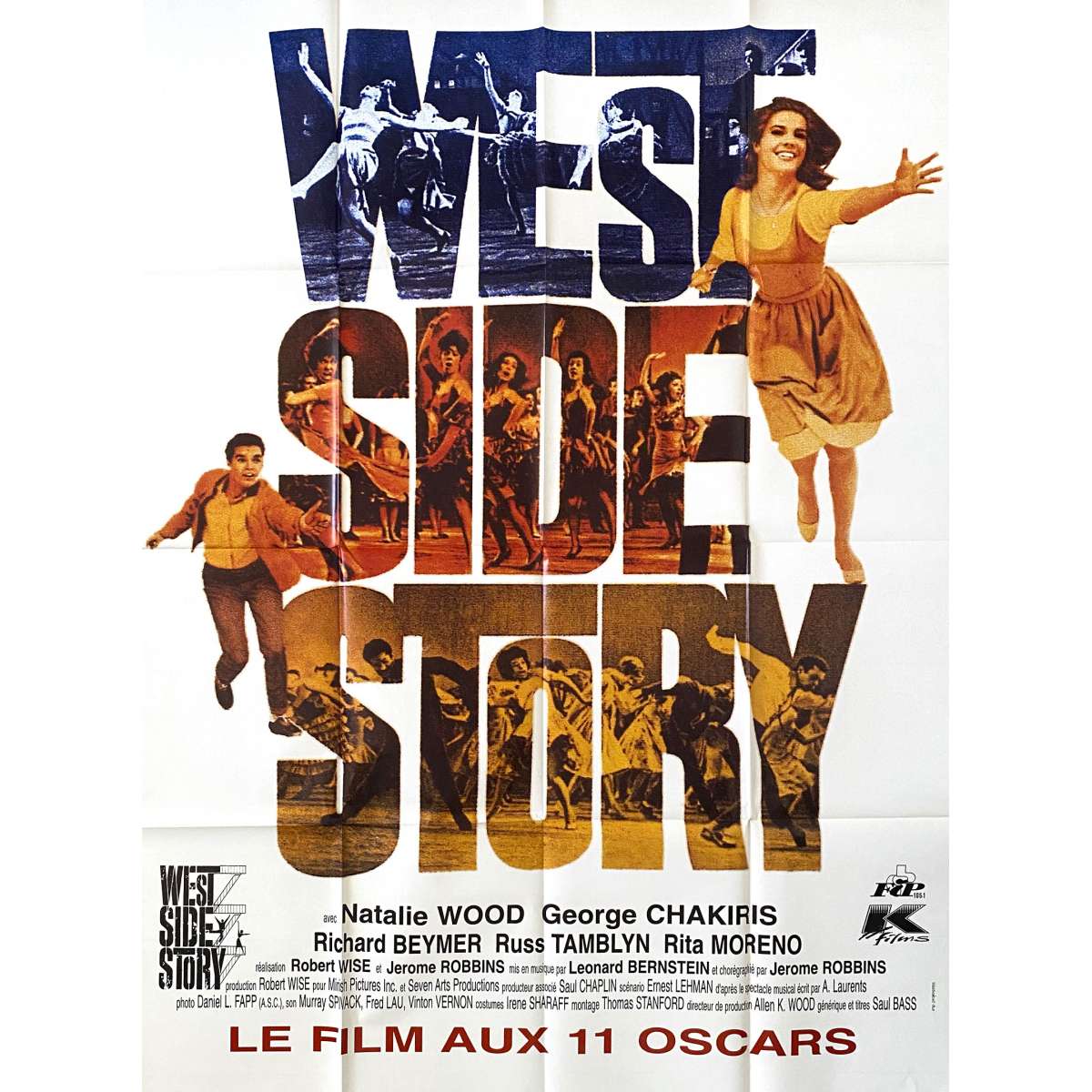
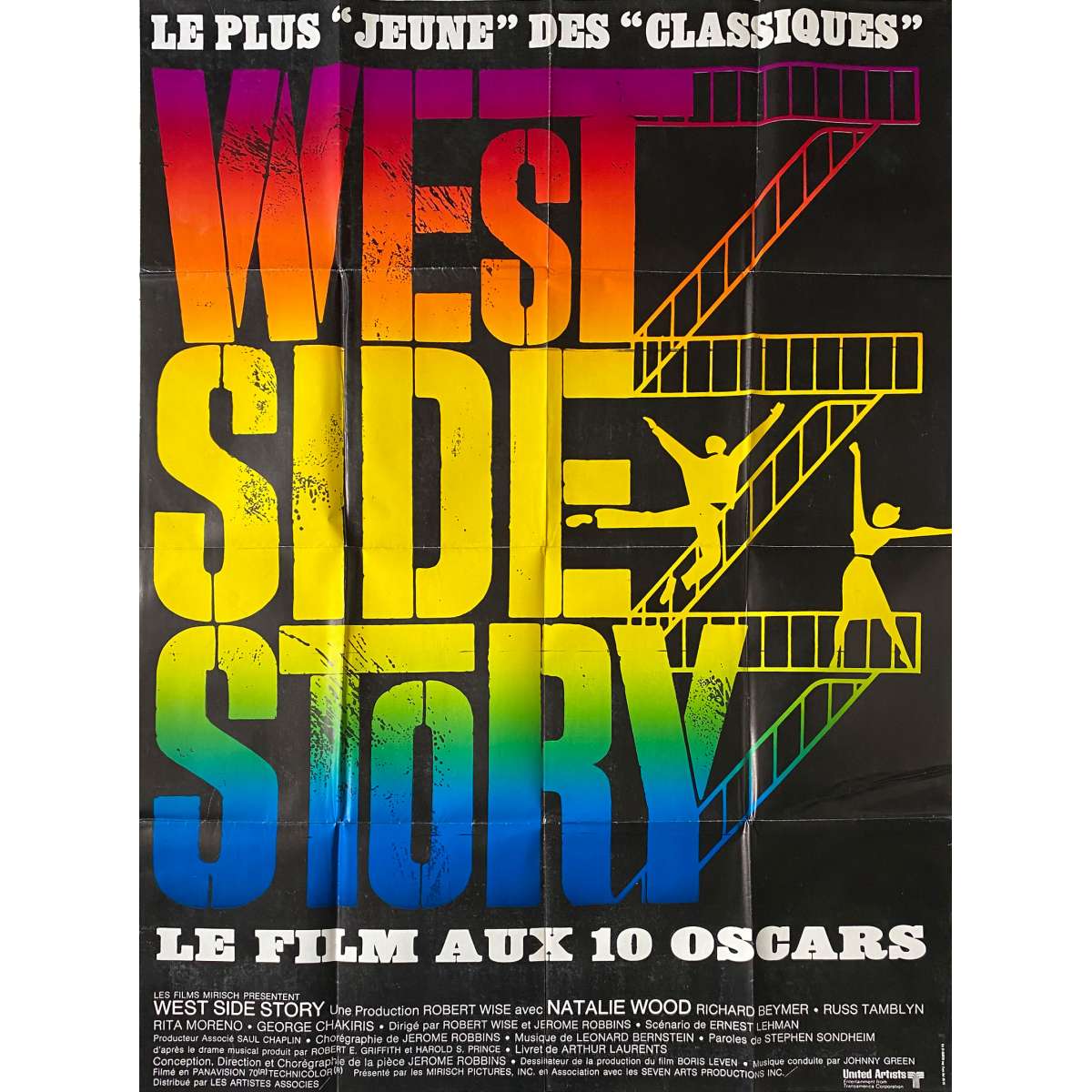
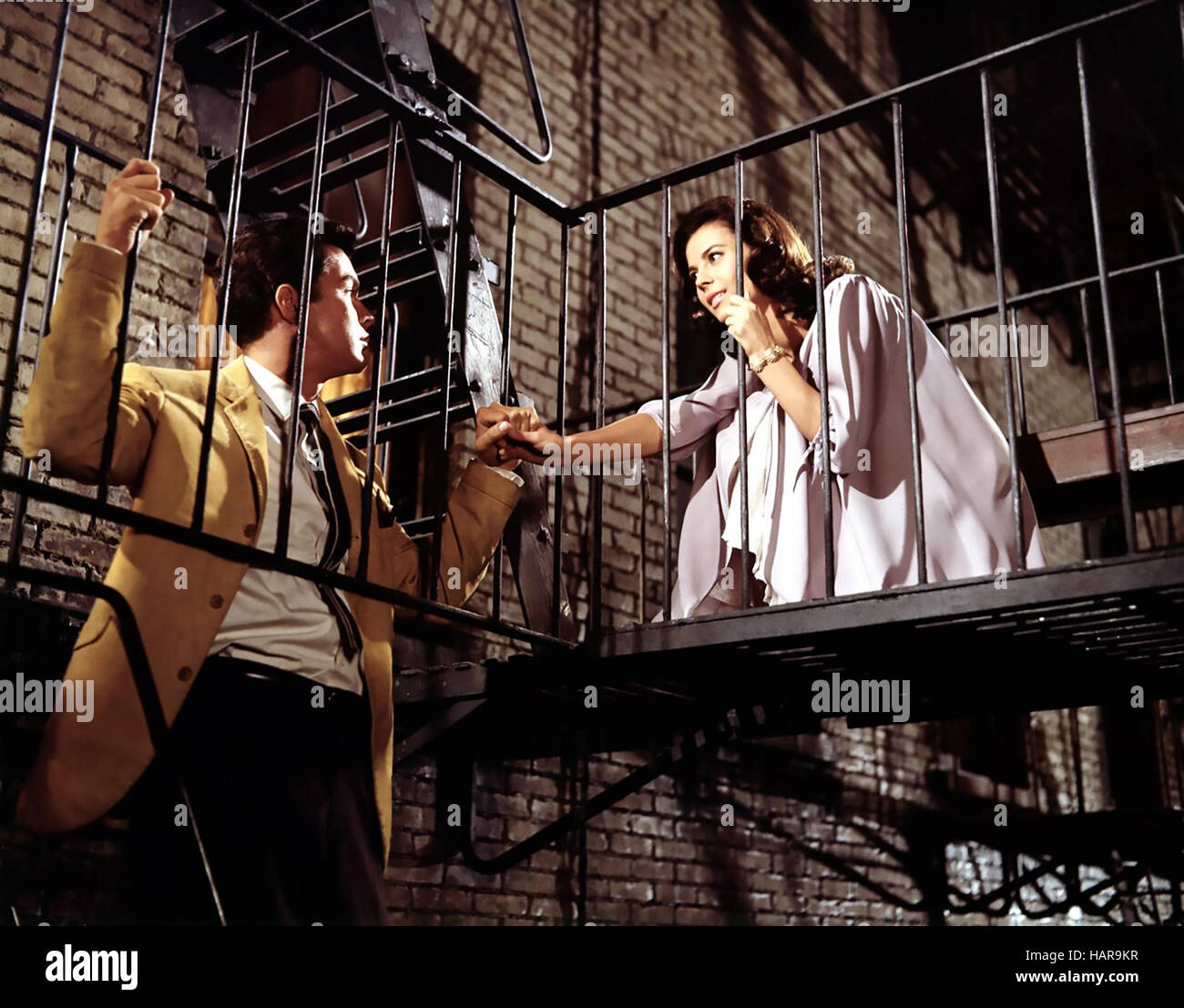
American cinema in 1961 offered a fascinating dichotomy between massive commercial entertainments and deeply intimate psychological dramas. The year's most celebrated musical adaptation, West Side Story, directed by Robert Wise and Jerome Robbins, captured multiple Academy Awards, including Best Picture. By translating urban gang warfare and tragic romance into stylized choreography and soaring orchestral numbers, the film proved that commercial musicals could engage with serious societal tensions. Its innovative use of widescreen framing and vibrant color palettes set a new benchmark for Hollywood production design.
At the same time, Hollywood began to explore darker, more claustrophobic themes. Stanley Kubrick’s adaptation of Lolita, though released the following year, was actively in production and post-production phases throughout 1961, signaling a major shift toward transgressive subject matter. Other American releases of the period relied on psychological suspense and dramatic intensity, reflecting a post-war public increasingly fascinated by the complexities of the human mind. The blending of commercial ambition with psychological depth laid the groundwork for the New Hollywood movement of the late 1960s and 1970s.
International Breakthroughs and the Art-House Movement
While Hollywood dominated global distribution, international cinema produced some of the most enduring artistic achievements of 1961. Alain Resnais directed Last Year at Marienbad (L'Année dernière à Marienbad), a French-Italian co-production that polarized contemporary audiences and mesmerized critics with its labyrinthine, non-linear exploration of memory, truth, and desire. Utilizing striking tracking shots through ornate European chateaux, the film became a defining monument of modernist cinema, challenging viewers to abandon traditional plot expectations in favor of a purely experiential narrative structure.
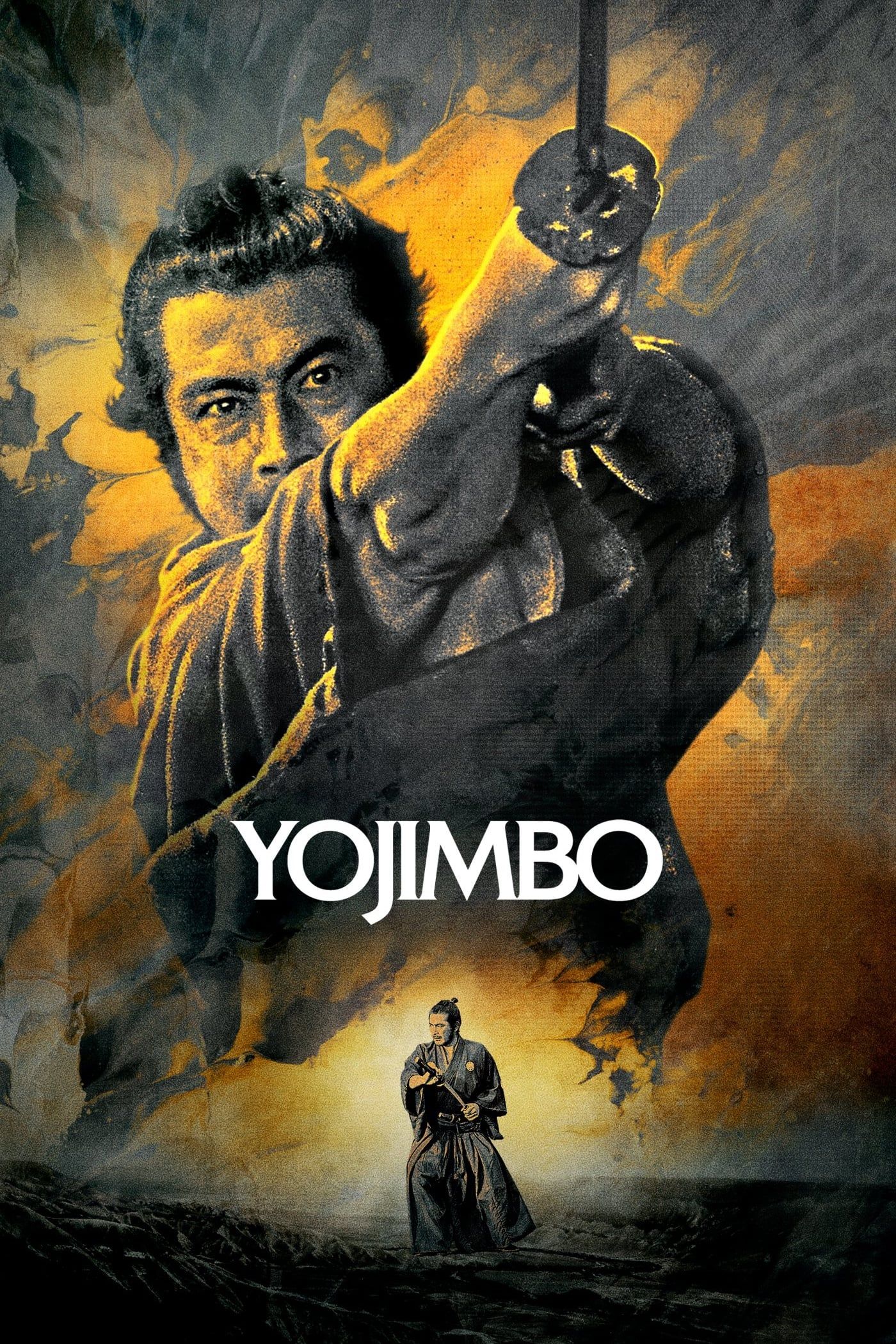
In Sweden, Ingmar Bergman continued his prolific run with Through a Glass Darkly (Såsom i en spegel), which won the Academy Award for Best Foreign Language Film. The movie explored the shattering impact of mental illness on a tight-knit family vacationing on a remote island. Bergman’s austere cinematography, profound theological questioning, and unflinching focus on human isolation cemented his status as a titan of world cinema. Concurrently, Japanese master Akira Kurosawa released Yojimbo, a brilliantly choreographed samurai film starring Toshiro Mifune. Yojimbo subverted traditional hero tropes with its cynical, wandering ronin and heavily influenced the evolution of the Western genre, most notably serving as the structural blueprint for Sergio Leone’s seminal spaghetti Western, A Fistful of Dollars.
| Film Title | Director | Country of Origin | Defining Characteristic |
|---|---|---|---|
| West Side Story | Robert Wise, Jerome Robbins | United States | Groundbreaking choreography and musical integration |
| Last Year at Marienbad | Alain Resnais | France / Italy | Non-linear structure exploring memory and illusion |
| Through a Glass Darkly | Ingmar Bergman | Sweden | Intimate psychological and existential drama |
| Yojimbo | Akira Kurosawa | Japan | Subversive samurai narrative influencing global action genres |
Technological Advancements and Aesthetic Shifts
The visual language of 1961 films was heavily influenced by rapid advancements in lightweight camera equipment and faster film stocks. Directors were no longer chained to heavy studio soundstages and cumbersome Blimped cameras. The introduction of portable, highly sensitive lighting units and mobile recording devices allowed cinematographers to capture natural light and authentic street environments with unprecedented clarity.
These technological tools directly enabled the documentary-style immediacy seen in both European art films and American independent features. The emphasis shifted from painterly studio perfection to tactile realism. Grainy textures, high-contrast black-and-white photography, and dynamic, unscripted camera movements became badges of artistic integrity. Editors also played a more aggressive role, experimenting with ellipsis, jump cuts, and rhythmic montage to convey subjective internal states rather than objective chronological events.
Enduring Legacy and Impact on Modern Filmmaking
The cultural ripple effects of the films released in 1961 remain visible in contemporary cinema. By proving that challenging, ambiguous, and morally complex narratives could achieve international commercial viability, the filmmakers of this era permanently expanded the boundaries of the medium. The intersection of auteur theory—championed by the critics-turned-filmmakers of the French New Wave—and industrial studio production created a framework where individual artistic vision could coexist with mass entertainment.
Modern directors frequently revisit the aesthetic experiments of 1961 when seeking to evoke a sense of psychological realism, alienation, or historical authenticity. Film preservationists and archives continue to restore these foundational works, ensuring that contemporary audiences can experience the pristine visual and acoustic quality of an era that refused to let cinema remain static. As digital production methods evolve, the foundational grammar established in 1961—where form and psychological content are inextricably linked—remains an essential touchstone for storytelling.
Frequently Asked Questions
What made 1961 a significant year in film history?
The year 1961 was significant because it bridged the gap between traditional studio-era filmmaking and modern art-house cinema. It featured the peak of the French New Wave, major technological shifts toward portable equipment, and the gradual relaxation of censorship codes, allowing directors to explore complex psychological and social themes.
Which 1961 film won the Academy Award for Best Picture?
West Side Story, directed by Robert Wise and Jerome Robbins, won the Academy Award for Best Picture at the 34th Academy Awards held in 1962. It dominated the ceremony, winning ten awards out of eleven nominations.
How did international cinema influence Hollywood in 1961?
International films demonstrated that audiences were eager for non-traditional storytelling, moral ambiguity, and stylistic experimentation. This commercial success pressured the Hollywood Production Code to loosen restrictions and encouraged American studios to take greater creative risks.
What technical equipment changes impacted 1961 filmmaking?
The widespread adoption of lightweight, portable 35mm cameras, faster film stocks, and mobile sound recording gear allowed directors to abandon soundstages in favor of authentic, on-location shooting with natural lighting.
Are 1961 films still relevant to modern filmmakers?
Yes, modern filmmakers study 1961 cinema for its masterclass execution of non-linear storytelling, psychological depth, and genre subversion. Many contemporary techniques in framing and editing trace their lineage directly to the innovations of this period.
Navigating and Studying 1961 Cinema Today
For researchers, cinephiles, and students looking to deeply explore the cinematic landscape of 1961, the most effective approach is to examine works across multiple geographical regions rather than focusing solely on Hollywood releases. Begin by pairing a major American studio release, such as West Side Story, with a contemporary international landmark like Alain Resnais’s Last Year at Marienbad to appreciate the vast stylistic contrast of the period. Utilize restored physical media editions or accredited streaming archives that preserve original aspect ratios and monaural audio mixes. By analyzing how different cultures utilized evolving camera technologies to address post-war anxieties, viewers gain a comprehensive appreciation of a year that fundamentally redefined the grammar of motion pictures.