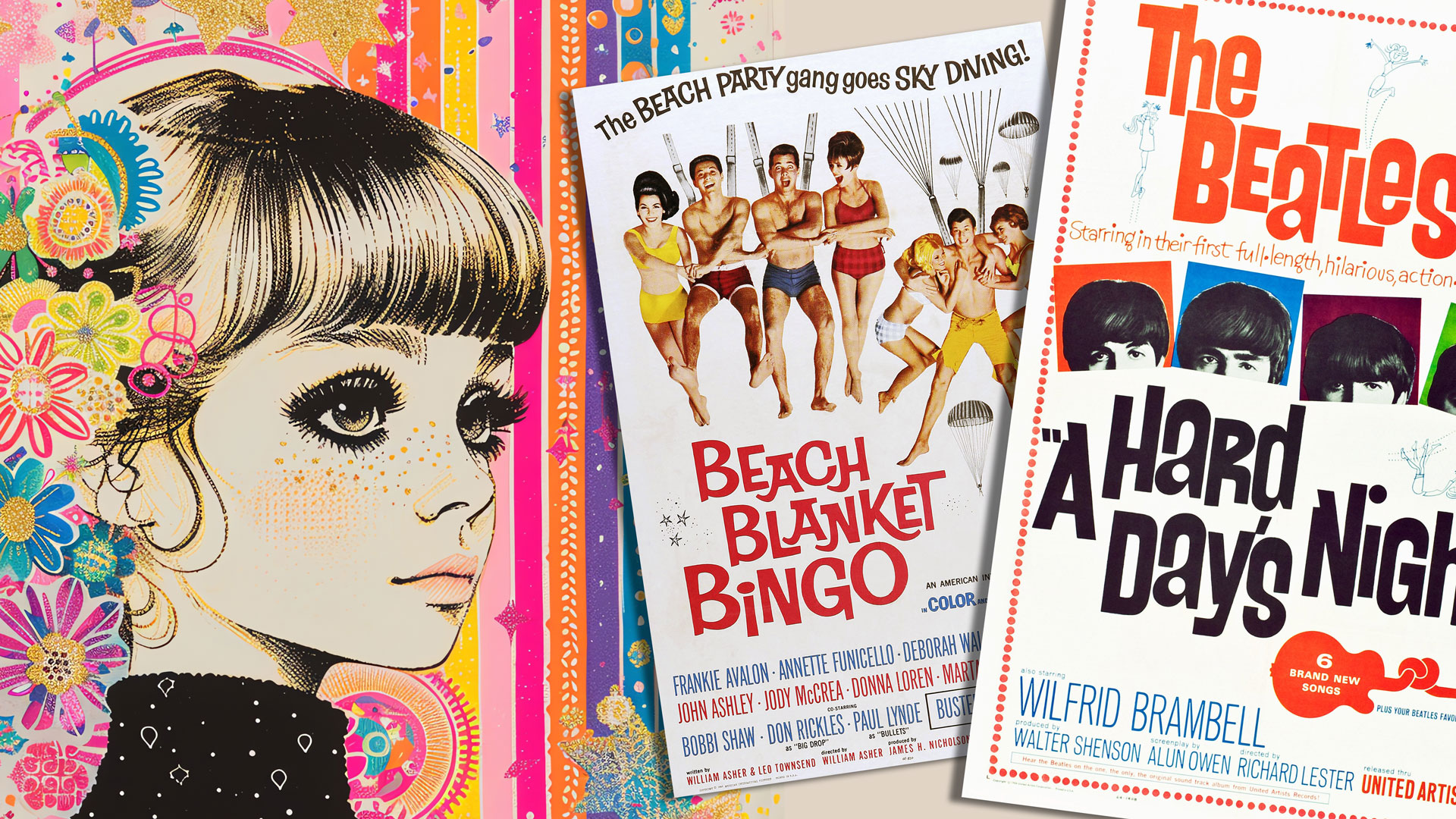
1960s pop music represents a transformative era characterized by the evolution of the standard three-minute single, groundbreaking recording studio experimentation, and a shift from traditional Tin Pan Alley songwriting to artist-driven creativity. This pivotal decade bridged the gap between post-war optimism and late-sixties counterculture, fundamentally altering how popular music was produced, consumed, and experienced globally.
The Foundations of 1960s Pop and the Brill Building Era
At the dawn of the decade, the pop landscape was heavily shaped by professional songwriting teams working in urban commercial hubs like New York City’s Brill Building and 1650 Broadway. These institutional writers operated like assembly lines, pairing catchy melodies with sophisticated orchestral arrangements, Latin rhythms, and teenage-centric lyricism. Composers such as Carole King, Gerry Goffin, Ellie Greenwich, and Jeff Barry crafted meticulously structured tracks designed for radio broadcast dominance.
Parallel to this commercial pipeline, the American recording industry witnessed the rapid ascent of independent labels. Motown Records in Detroit, founded by Berry Gordy Jr., engineered a distinct crossover sound that combined rhythm and blues intensity with polished pop accessibility. The "Motown Sound" relied on tight studio bands like The Funk Brothers, standardized arrangement formulas, and rigorous artist development to produce chart-topping hits for acts like The Supremes, The Miracles, and The Four Tops.
Meanwhile, in Los Angeles, producer Phil Spector revolutionized pop production with his "Wall of Sound" technique. By packing small recording studios with multiple instruments doubling the same parts—multiple guitars, pianos, and orchestral sections—and drenching the mix in echo chamber reverberation, Spector transformed pop singles into thunderous, symphonic statements. This era established the studio producer as a primary creative force, proving that the sonic texture of a record was just as important as the underlying composition.
The British Invasion and the Shift to Self-Contained Bands
The pop music paradigm shifted dramatically in 1964 with the arrival of the British Invasion, spearheaded globally by The Beatles. Hailing from Liverpool and hardened by grueling club residencies in Hamburg, British groups challenged the dominance of American solo vocalists and Brill Building songwriters by writing their own material, playing their own instruments, and projecting a unified band identity.
The Beatles initiated a wave of British talent that captured international charts, including The Rolling Stones, The Kinks, The Who, The Dave Clark Five, and Herman's Hermits. This wave accelerated the adoption of the electric guitar, bass, and drum kit configuration as the standard pop ensemble. Unlike earlier pop idols who served primarily as interpretive singers, these groups drew heavily from American rhythm and blues, rock and roll, and early soul, reinterpreting these genres through a distinct British sensibility.
| Artist / Group | Primary Region | Defining Musical Characteristic | Notable 1960s Contribution |
|---|---|---|---|
| The Beatles | United Kingdom | Melodic experimentation, harmonic vocal interplay | Pioneered album-oriented pop and advanced studio composition. |
| The Supremes | United States | Polished vocal harmonies, orchestrated R&B-pop crossover | Achieved a record-breaking run of chart-topping singles for Motown. |
| The Beach Boys | United States | Complex vocal jazz harmonies, avant-garde studio arrangements | Pushed the sonic boundaries of recorded pop with orchestral textures. |
| The Kinks | United Kingdom | Sardonic lyricism, distorted guitar tones, observational songwriting | Laid foundational blueprints for garage rock and power pop. |
This structural shift also altered the economics and sociology of popular music. Touring became a major industrial enterprise, culminating in stadium concerts that frequently bypassed traditional acoustic venues. The commercial pressure to constantly release hit singles forced these self-contained bands to mature rapidly, pushing the boundaries of standard pop song structures within a remarkably short span of time.
Studio Innovation and the Transition to Psychedelia
By the mid-1960s, pop music transcended its commercial formulas as artists gained unprecedented control over their recording sessions. Following the lead of albums like The Beach Boys' Pet Sounds and The Beatles' Revolver, recording studios in London and Los Angeles transformed from mere documentation facilities into primary instruments. Producers, engineers, and musicians began utilizing magnetic tape manipulation, varispeed techniques, automatic double tracking, and unconventional microphone placements to create sounds previously impossible to reproduce live.
This technological evolution coincided with broader cultural shifts, steering pop music into the realm of psychedelia. The thematic focus shifted away from teenage romance and high school dances toward introspection, surrealism, Eastern philosophy, and expanded consciousness. Pop arrangements began incorporating non-traditional instruments, such as the Indian sitar, tabla, harpsichord, brass sections, and full symphony orchestras, blurring the lines between popular entertainment and high art.
Despite these avant-garde tendencies, the core of 1960s pop remained anchored in memorable hooks and strong melodic frameworks. Even the most structurally adventurous recordings of the era relied on accessible songcraft to capture public attention. This balance between experimental production and universal pop appeal ensured that chart success and artistic ambition could coexist within the same four-minute track.
The Commercial Ecosystem: Radio, Television, and Vinyl
The distribution and consumption of 1960s pop were governed by a rapidly expanding media ecosystem centered around AM radio broadcasting, television variety shows, and physical vinyl formats. AM radio stations, operating on high-rotation hit-parade formats, dictated national tastes through tightly controlled playlists. The "Top 40" radio format forced artists to distill their creative output into concise, high-impact singles that could immediately grab the listener's attention amidst high levels of compression and static.
Television played an equally crucial role in shaping visual iconography and performance styles. Programs such as The Ed Sullivan Show in the United States and Top of the Pops in the United Kingdom served as national campfires, gathering millions of viewers simultaneously to witness the latest musical trends. These broadcasts established the visual grammar of modern pop performance, transforming singers and musicians into international pop-culture icons whose fashion, haircuts, and mannerisms were imitated worldwide.
The physical medium of choice shifted across the decade as well. While the 7-inch 45 RPM single remained the primary engine of the commercial pop charts throughout the early and mid-1960s, the late 1960s witnessed the gradual rise of the 12-inch long-playing (LP) record. As artists began conceptualizing albums as cohesive artistic statements rather than mere collections of disparate singles, consumer buying habits adapted, laying the groundwork for the album-oriented rock and pop market of the 1970s.
Enduring Influence on Modern Production and Songwriting
The production techniques, songwriting methodologies, and aesthetic standards established during the 1960s continue to influence contemporary music production. Modern producers frequently emulate the warmth, compression characteristics, and microphone leakage of 1960s analog studios. The vintage warmth associated with tube amplifiers, ribbon microphones, and multi-track tape machines remains a sought-after aesthetic in digital audio workstations, reflecting an ongoing appreciation for the physical limitations and sonic warmth of mid-century recording gear.
Furthermore, the structural economy of 1960s pop songwriting—characterized by immediate hooks, concise pre-choruses, and memorable vocal refrains—remains a gold standard for commercial composition. Contemporary pop, indie rock, and alternative artists regularly draw inspiration from the melodic sophistication and harmonic complexity pioneered by the era's foremost writers. Understanding the mechanics of 1960s pop provides essential context for analyzing the trajectory of modern popular music as a whole.
Frequently Asked Questions About 1960s Pop
What defined the sound of 1960s pop music?
1960s pop music was defined by a transition from traditional orchestrated songwriting to self-contained band arrangements, innovative studio production techniques, and a fusion of rhythm and blues, rock, and traditional pop melodies. The era was characterized by catchy vocal hooks, driving rhythm sections, and an increasing use of experimental instrumentation and studio effects.
How did the British Invasion change the pop music landscape?
The British Invasion shifted dominance from American solo vocalists and professional songwriting factories to self-contained British rock and pop groups. These bands wrote their own material, played their own instruments, and introduced a unified group identity that permanently changed the commercial and creative standards of popular music.
What role did the recording studio play in 1960s pop?
The recording studio evolved from a basic recording room into an experimental instrument during the 1960s. Producers and artists utilized multi-track tape, equalization, reverberation, and unconventional instruments to create complex sonic textures that could not be easily replicated in a live performance setting.
How were 1960s pop hits distributed and consumed?
Consumption was driven primarily by high-rotation AM radio broadcasting, televised variety shows, and physical vinyl formats. The 7-inch 45 RPM single dominated the charts for most of the decade, though the late 1960s saw the emergence of the 12-inch LP album as a cohesive artistic medium.
Why do modern musicians still reference 1960s production styles?
Modern musicians reference 1960s production styles for their characteristic warmth, organic instrumentation, and human timing imperfections. The analog workflows of the era, involving tape saturation and physical acoustic spaces, provide a distinct sonic texture that contrasts with the digital precision of modern recording software.
Navigating and Collecting 1960s Pop Recordings
To properly explore or collect the extensive catalog of 1960s pop, enthusiasts should focus on original vinyl pressings, meticulously remastered compact discs, or high-resolution digital archives that preserve the original monaural and stereophonic mixes. Because many 1960s pop records were specifically mixed for mono radio broadcast, comparing mono and stereo master versions offers valuable insight into the artistic intentions of the era's producers and engineers. Prioritizing comprehensive box sets curated by reputable archival labels ensures access to historically accurate track listings, session outtakes, and detailed liner notes that document the technological and cultural context of each release.