The music of the 1960s underwent an unprecedented transformation, evolving from the polished pop and soulful rhythm-and-blues of the early decade into the experimental rock, psychedelic soundscapes, and political anthems of the late 1960s, permanently altering global culture, studio technology, and the role of the artist in society.
The Foundations of Early 1960s Pop and Soul
The opening years of the decade established a bridge between the rock and roll explosion of the 1950s and the sophisticated pop craftsmanship that would soon dominate global charts. Record labels like Motown Records in Detroit, founded by Berry Gordy, institutionalized a rigorous hit-making factory model. Songwriting teams such as Holland-Dozier-Holland paired with house bands like The Funk Brothers to produce a distinct, high-energy soul sound characterized by driving basslines, tambourines, and call-and-response vocal arrangements. Acts like The Supremes, The Temptations, and Marvin Gaye delivered tightly choreographed performances and immaculate studio recordings that crossed racial barriers, appealing to both Black and white youth across America. Simultaneously, the surf rock phenomenon led by Dick Dale and The Beach Boys captured the sun-drenched, car-centric youth culture of Southern California. Brian Wilson’s early production techniques for The Beach Boys introduced complex vocal harmonies and innovative arrangement styles that hinted at the sophisticated studio composition work that would emerge later in the decade.
The British Invasion and the Transformation of Rock
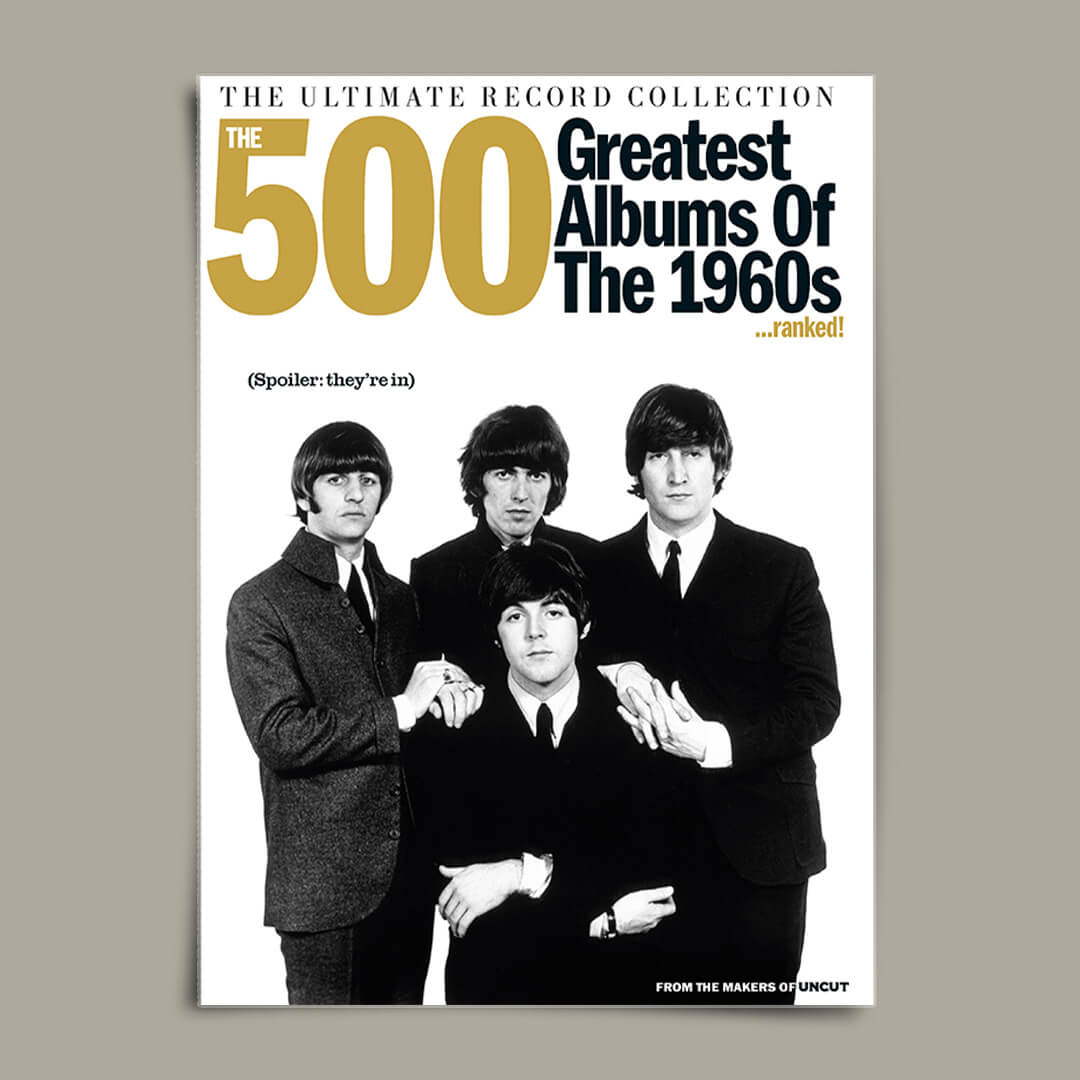
The musical landscape shifted dramatically in February 1964 when The Beatles appeared on The Ed Sullivan Show, sparking the British Invasion and inspiring a generation of American teenagers to pick up electric guitars. Groups originating from Liverpool and London—including The Rolling Stones, The Kinks, The Who, and The Animals—had absorbed American blues, rhythm and blues, and rockabilly records, reinterpreting them through a sharper, more aggressive, and youthful lens. This transatlantic exchange redefined the structure of the traditional pop group, popularizing the self-contained four-piece band that wrote its own material and played its own instruments. The stylistic dichotomy between The Beatles and The Rolling Stones established a foundational blueprint for rock music: the former showcased melodic pop sophistication and experimental studio textures, while the latter embraced a gritty, blues-infused, and rebellious attitude. As these bands matured, their lyrical content evolved from simple adolescent romance to introspective commentary, social observation, and narrative storytelling, elevating popular music from disposable teenage commodity to recognized art form.
Folk Revival and the Rise of Protest Music
Parallel to the commercial pop explosion, the American folk music revival gathered momentum in urban centers like New York City’s Greenwich Village, introducing a strong current of political consciousness and social activism to the charts. Artists like Joan Baez, Pete Seeger, and a young Bob Dylan stripped away the electric instrumentation of mainstream pop, relying on acoustic guitars, harmonicas, and poetic lyricism to address civil rights, labor struggles, and the looming threat of nuclear war. Bob Dylan’s controversial transition from traditional acoustic folk to electric-backed rock at the 1965 Newport Folk Festival bridged the gap between the protest movement and youth counterculture. Songs like "Blowin' in the Wind" and "The Times They Are a-Changin'" became anthems for civil rights marchers and anti-war activists, proving that popular music could serve as a vehicle for urgent political discourse and cultural critique.
Studio Innovation and the Psychedelic Revolution
By the mid-1960s, the convergence of the counterculture movement, recreational drug experimentation, and rapid advancements in recording technology gave birth to psychedelic rock. The release of The Beatles' Revolver in 1966 and Sgt. Pepper's Lonely Hearts Club Band in 1967 marked a definitive turning point where the recording studio itself became an instrument. Engineers and producers utilized multi-track tape machines, varispeed manipulation, reverse recording, automatic double-tracking, and tape loops to create surreal, immersive auditory environments. The music incorporated non-Western instruments such as the Indian sitar and tabla, reflecting a growing interest in Eastern philosophy and transcendental meditation. San Francisco became the epicenter of this movement, with bands like Jefferson Airplane, Grateful Dead, and Big Brother and the Holding Company, featuring Janis Joplin, performing improvised, extended jams at iconic venues like the Fillmore West and defining the counterculture ethos.
| Subgenre | Key Artists | Defining Characteristics | Landmark Release |
|---|---|---|---|
| Motown Soul | The Supremes, Marvin Gaye, The Temptations | Polished vocal harmonies, driving rhythm section, tambourines, strict song arrangements | The Way You Do the Things You Do (1964) |
| British Invasion | The Beatles, The Rolling Stones, The Kinks | Reinterpretation of American blues/R&B, self-contained guitar bands, catchy hooks | A Hard Day's Night (1964) |
| Folk Rock | Bob Dylan, The Byrds, Simon & Garfunkel | Acoustic foundations paired with electric instruments, socially conscious or poetic lyrics | Bringing It All Back Home (1965) |
| Psychedelic Rock | Jimi Hendrix, The Doors, Jefferson Airplane | Studio experimentation, extended guitar solos, surreal lyrics, Eastern influences | Sgt. Pepper's Lonely Hearts Club Band (1967) |
The Climax of 1960s Counterculture: Festivals and Hard Rock
The decade culminated in massive cultural gatherings that symbolized the pinnacle and eventual fracturing of the hippie movement. The Monterey Pop Festival in 1967 introduced American audiences to Jimi Hendrix—whose radical, feedback-heavy manipulation of the electric guitar redefined the instrument's possibilities—and Janis Joplin. This trajectory reached its cultural zenith with the Woodstock Music & Art Fair in August 1969, where an estimated 400,000 people gathered in upstate New York to celebrate peace, music, and communal living. However, the darker side of the era manifested late in 1969 at the Altamont Free Concert, where security provided by the Hells Angels resulted in violence and murder, signaling an end to the utopian innocence of the decade. Simultaneously, heavy rock pioneers like Led Zeppelin, Black Sabbath, and Deep Purple began forging a heavier, distorted, and amplified sound that laid the direct groundwork for heavy metal in the 1970s.
Frequently Asked Questions About 1960s Music
What caused the shift from pop to psychedelic music in the 1960s?
The shift was driven by a combination of the counterculture movement, recreational drug experimentation, and major breakthroughs in recording technology. As artists sought to express altered states of consciousness, producers abandoned standard four-track limitations in favor of eight-track and multi-track mixing consoles, allowing for layering, audio reversal, and unconventional instrumentation.
How did the British Invasion impact the American music industry?
The British Invasion revitalized the American music industry by reintroducing domestic audiences to their own native blues and rock and roll traditions through a fresh lens. It broke down regional market barriers, popularized the self-contained guitar band model, and shifted the primary focus of popular songwriting toward artistic authenticity and album-oriented listening.
Which recording technologies defined 1960s music production?
The transition from monophonic (mono) mixing to stereophonic (stereo) sound was a defining technical evolution of the decade. Additionally, the widespread adoption of multi-track tape machines enabled producers to overdub vocals and instruments separately, paving the way for complex sound editing, artificial double-tracking, and sophisticated audio effects.
What role did protest music play during the Vietnam War?
Protest music provided an emotional and ideological rallying point for the anti-war movement and the civil rights struggle. Folk and rock musicians composed direct commentaries on government policies, military drafts, and racial injustice, giving a unified voice to millions of young people and influencing public political discourse.
Preserving and Exploring the Legacy of 1960s Recordings
To fully appreciate the scope of 1960s music today, listeners and researchers should approach the era through original mono mixes where applicable, as many albums from the period—particularly those by The Beatles and Motown artists—were mixed specifically for mono playback systems of the time. Exploring comprehensive box sets, documentary films, and archival studio outtakes offers valuable insight into the creative processes that shaped modern popular music.