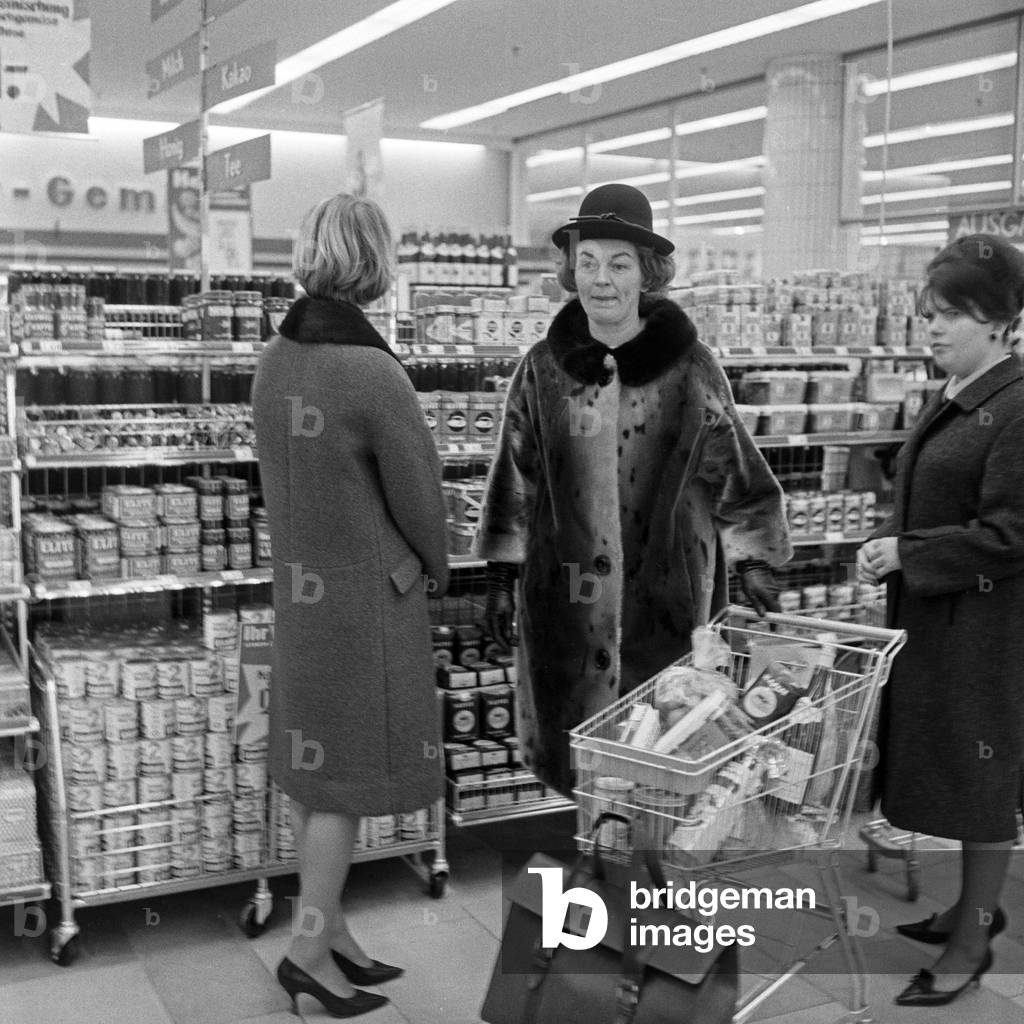
A 1960s image captures a transformative era of analog photography defined by shifting film speeds, evolving color transparency stocks, and the rapid expansion of photojournalism and commercial advertising. Preserving, scanning, and analyzing these mid-century photographs requires a rigorous understanding of historical chemical emulsions, archival storage environments, and modern digital restoration workflows.
Historical Context and Photographic Characteristics of the 1960s
The visual landscape of the 1960s was shaped by significant advancements in photochemical manufacturing. During this decade, photography transitioned from a specialized craft into a ubiquitous cultural medium. Understanding the technological backdrop of a 1960s image is essential for proper identification, dating, and preservation. Film manufacturers like Eastman Kodak, Ilford, and Agfa introduced emulsions that offered finer grain structures and higher exposure latitudes than their pre-war predecessors.
Black-and-white photography remained dominant in daily journalism and documentary work due to its rapid processing times and robust archival stability. Photographers frequently relied on high-speed panchromatic films such as Kodak Tri-X, which allowed for handheld shooting in low-light environments without electronic flash units. These emulsions produced a characteristic, pronounced silver grain that imparts a distinct texture to any authentic 1960s image. Concurrently, color photography accelerated rapidly, propelled by the widespread adoption of Kodachrome II—introduced in 1961—and Eastmancolor negative film for motion pictures and still distribution.
Color fidelity in 1960s color transparencies and negatives behaves differently from modern digital captures. Early color stocks were prone to specific chemical degradation pathways. Kodachrome slides possess exceptional dye stability when stored in dark, cool conditions, often retaining their rich saturation for decades. Conversely, color negatives from this era, particularly those utilizing coupler-incorporated Eastmancolor emulsions, are notoriously susceptible to fading and magenta or red color shifts due to the breakdown of cyan and yellow dyes over time.
Physical Formats: Negatives, Transparencies, and Prints
A 1960s image typically exists in one of three primary physical configurations: black-and-white or color negatives, color transparency slides, or silver gelatin and chromogenic paper prints. Each format dictates a specific approach to handling, scanning, and long-term curation.
Negatives from this decade are commonly found in 35mm rolls, 126 cartridge film (introduced by Kodak in 1963), and medium format rolls such as 120 and 220. Black-and-white negatives feature a stable cellulose acetate or early polyester base. Color negatives feature multiple gelatin emulsion layers sensitive to red, green, and blue light, sitting atop an orange mask designed to correct color imbalances during the printing process.
Transparencies, frequently mounted in cardboard or plastic 2x2 inch frames for slide projectors, represent positive color images captured on reversal film. These items provide a direct window into the original scene's dynamic range but require specialized illumination and optical equipment for accurate evaluation. Paper prints from the 1960s were largely produced on resin-coated (RC) paper—which became popular toward the end of the decade for its rapid drying time—or traditional fiber-based (FB) paper, which offers superior archival longevity if properly washed during initial processing.
| Format Type | Common Stock Examples | Primary Degradation Risks | Optimal Storage Conditions |
|---|---|---|---|
| 35mm B&W Negative | Kodak Tri-X, Ilford HP4 | Base shrinkage, emulsion scratching | 15–20°F, 30–40% Relative Humidity |
| Color Transparency | Kodachrome II, Agfacolor | Dust accumulation, mold, heat warping | Dark, cool, < 35% Relative Humidity |
| Color Negative | Eastmancolor, Kodacolor-X | Dye fading (magenta shift), vinegar syndrome | Below freezing for archival longevity |
| Resin-Coated Print | Kodak Polycontrast | Silver mirroring, cracking, delamination | Acid-free enclosures, moderate climate |
Archival Assessment and Deterioration Identification
Before undertaking any digitization or physical intervention on a 1960s image, a thorough condition assessment must be performed. Decades of environmental exposure often introduce chemical and biological hazards that threaten the integrity of the physical artifact.
The most pervasive chemical threat to mid-century film collections is "vinegar syndrome," a degradation process affecting cellulose acetate safety film. As the acetate base breaks down, it releases acetic acid, producing a distinct vinegar-like odor. Left unchecked, vinegar syndrome causes the film support to warp, shrink, and become brittle, eventually destroying the image emulsion entirely. Archivists use indicator strips that change color in the presence of acidic gas to detect early-stage degradation before visual symptoms appear.
Physical and biological damage also requires careful mitigation. Mold growth, driven by high humidity and stagnant air, can digest the gelatin emulsion, leaving permanent circular voids or etched patterns across the image surface. Furthermore, silver mirroring—a bluish-metallic sheen appearing in the dark areas of black-and-white silver gelatin prints—indicates atmospheric pollution reacting with metallic silver particles within the emulsion. Cleaning must be restricted to dry techniques, such as using a soft-haired camel hair brush or compressed air filtered to remove moisture and oil, unless an experienced conservator approves specialized solvent cleaning.
Digitization Workflows for Mid-Century Media
Transforming a physical 1960s image into a digital asset requires high-resolution capture techniques designed to extract maximum tonal range and color accuracy from aging analog media. The choice between flatbed scanning with transparency adapters and dedicated camera scanning depends on the format size and required optical resolution.
For 35mm negatives and slides, dedicated film scanners equipped with specialized light sources and digital dust-removal technologies—such as infrared channel scanning—yield superior results. Infrared scanning detects physical surface defects like dust and scratches without altering the underlying image data, allowing software to patch these flaws automatically during processing. When scanning color negatives, operators must accurately neutralize the characteristic orange mask to establish a neutral baseline before color grading.
Resolution standards should reflect the physical grain structure of the film stock. Scanning a 35mm negative at 4000 pixels per inch (PPI) ensures that individual silver halide grains or dye clouds are resolved without introducing empty digital magnification. Capturing files in 16-bit per channel TIFF format preserves the expansive dynamic range needed to recover shadow and highlight detail that may appear compressed in degraded emulsions.
Digital Restoration and Color Correction Techniques
Once digitized, a 1960s image often requires digital intervention to correct age-related color casts, fading, and optical distortion. Professional restoration avoids destructive filters, relying instead on non-destructive adjustment layers within image-editing environments.
Color correction for faded color negatives begins by re-establishing neutral white and black points using the curves or levels adjustment tools. Because cyan and yellow dyes degrade faster than magenta dyes, historical color images frequently acquire an overall pink or red cast. Adjusting individual color channels independently restores balance to skin tones and background environments. For black-and-white images, digital retouching focuses on repairing emulsion scratches, dust spots, and water stains using clone stamp and healing brush tools set to sample underlying texture without flattening grain.
Sharpening must be applied judiciously. Excessive digital sharpening accentuates film grain, turning a vintage photograph into an unnatural, digital-looking composite. Applying unsharp mask filters with high radius and low threshold settings helps define edge contrast while respecting the inherent softness of mid-century photographic optics.
Legal, Copyright, and Ethical Considerations
Working with historical media requires a clear understanding of intellectual property rights and ethical publication standards. The copyright status of any given 1960s image depends on its publication history, creator identity, and regional legislation.
In the United States, works published prior to 1978 are subject to complex statutory rules regarding notice and renewal. Works published before 1929 generally reside in the public domain, but material created in the 1960s may still retain copyright protection if formal notices were properly filed and renewals executed under previous copyright acts. Researchers and publishers must verify copyright status through the U.S. Copyright Office or consult institutional archives before commercial reproduction.
Ethical considerations extend to documentary and photojournalistic images depicting identifiable individuals. While historical documentation enjoys broad editorial protections, privacy laws, defamation standards, and cultural sensitivities—particularly regarding indigenous or marginalized communities captured during the turbulent social movements of the 1960s—demand respectful handling and contextual transparency.
What is the best way to store a 1960s photographic collection?
The ideal storage environment for a 1960s image collection maintains a stable temperature below 65°F (18°C) and a relative humidity between 30% and 40%. Enclosures must consist of acid-free, lignin-free paper envelopes or photographic activity test (PAT)-certified plastic sleeves made from polyester, polypropylene, or polyethylene. Avoid polyvinyl chloride (PVC) sleeves, as plasticizers degrade photographic emulsions over time.
How can I identify if a 1960s color photograph is fading?
Fading in mid-century color photographs typically manifests as a shift toward magenta or red, accompanied by a loss of overall contrast and shadow detail. This occurs because the cyan and yellow dyes used in early color coupler processes are chemically less stable than magenta dyes. Comparing the unexposed border or masked edges of the film—which remain protected from light and air—to the image area reveals the extent of dye loss.
Can vinegar syndrome on 1960s film be reversed?
Vinegar syndrome cannot be reversed once the chemical breakdown of the cellulose acetate base has begun. However, the degradation process can be slowed down significantly through cold storage or freezing. Infected film must be isolated immediately from healthy collections to prevent the acidic vapors from accelerating decay in neighboring archival materials.
What scanner settings should I use for 35mm slides from the 1960s?
To capture a 1960s image from a 35mm slide, set the scanner resolution to at least 3200 to 4000 PPI and output the file as a 48-bit RGB TIFF. Enable digital dust removal (ICE technology) if the scanner supports it, and turn off automated image enhancements that clip highlights or shadow details during the initial scan pass.
Next Steps for Archival Preservation
Begin your preservation project by inventorying your collection, separating unstable acetate film from stable black-and-white materials, and transferring physical items into PAT-certified enclosures. Prioritize high-resolution digitization for fragile or chemically degraded items to secure a permanent digital record before physical degradation compromises the visual content permanently.