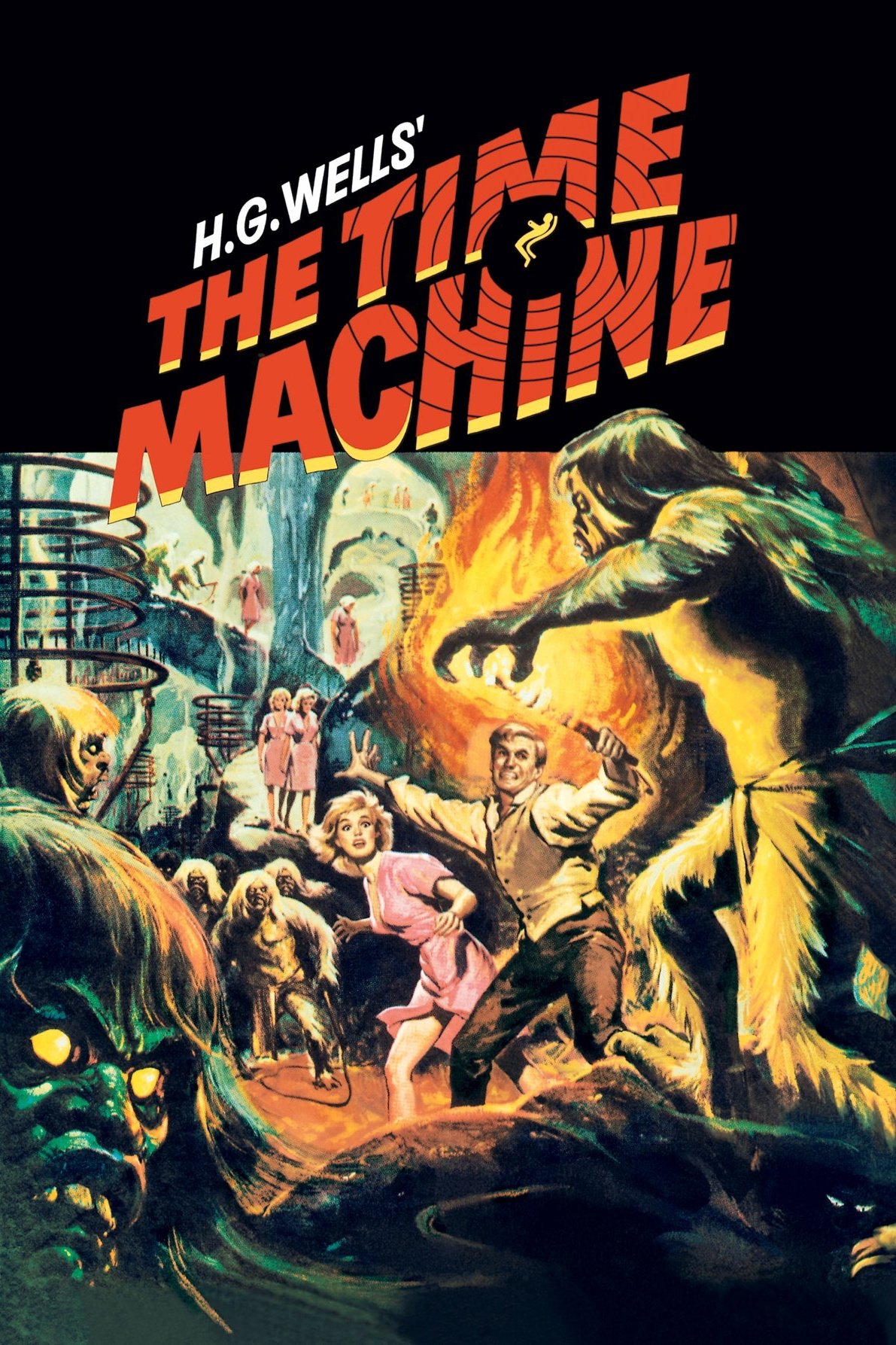
1960s cinema represents a transformative decade in global film history, characterized by the dismantling of traditional censorship codes, the rise of influential international new wave movements, and the emergence of bold, auteur-driven storytelling that permanently altered the aesthetic and thematic landscape of the medium.
The Collapse of Censorship and the Rise of the Production Code's Demise
The cinematic landscape of the 1960s was fundamentally shaped by the gradual erosion and ultimate collapse of rigid studio-era censorship. In the United States, the historic Hollywood Production Code—long enforced by the Motion Picture Producers and Directors of America (MPPDA)—faced mounting pressure from independent distributors, foreign imports, and changing societal norms. Landmark legal battles and cultural shifts forced studios to rethink what could be depicted on screen, opening the door for mature themes, moral ambiguity, and explicit social commentary.
As filmmakers pushed against these boundaries, studio executives realized that younger, more sophisticated audiences demanded realism rather than sanitized morality plays. Movies such as Arthur Penn's Bonnie and Clyde (1967) and Mike Nichols's The Graduate (1967) shattered long-standing taboos regarding graphic violence and sexuality. This shift paved the way for the official dismantling of the Production Code in 1968, replaced by the Motion Picture Association of America (MPAA) voluntary rating system. This newfound creative freedom allowed directors to explore psychological depth and social friction with unprecedented candor, laying the groundwork for the New Hollywood movement of the 1970s.
International New Waves and Global Auteur Theory
While Hollywood underwent a structural evolution, international film industries experienced an explosion of avant-garde experimentation known collectively as the various "New Waves." Originating in France during the late 1950s and flourishing throughout the 1960s, the French New Wave (La Nouvelle Vague) championed the politique des auteurs, or auteur theory, which positioned the director as the primary creative author of a film. Pioneers like Jean-Luc Godard, François Truffaut, and Agnès Varda rejected conventional narrative structures in favor of jump cuts, hand-held cameras, on-location shooting, and self-reflexive metacinema.
These rebellious techniques quickly resonated across borders, inspiring parallel movements worldwide:
- Czech New Wave: Directors like Miloš Forman, Jiří Menzel, and Vera Chytilová combined biting political satire, documentary-style realism, and surrealist humor to critique state bureaucracy.
- Japanese New Wave: Filmmakers such as Nagisa Oshima and Shōhei Imamura subverted traditional jidaigeki (period drama) and yakuza genres to examine marginalized populations and postwar disillusionment.
- Brazilian Cinema Novo: Glauber Rocha and his contemporaries utilized sparse budgets and radical politics to critique poverty, imperialism, and neo-colonialism through a distinctly poetic, national lens.
- New German Cinema precursors: While peaking in the 1970s, the roots of German cinematic renewal began in the mid-1960s with the Oberhausen Manifesto, which declared the traditional commercial cinema dead and demanded artistic autonomy for young creators.
The Industrial Shift from Studio Monopoly to Independent Production
Economically, the 1960s marked the decline of the classic Hollywood studio system, which had been anchored by vertical integration and the block-booking of theater chains. Antitrust legislation, notably the Paramount Decree of 1948, combined with the devastating rise of television ownership, forced major studios to divest their theater holdings and scale back continuous production slates. By the mid-1960s, studios were losing vast sums of money on bloated roadshow musicals and historical epics, creating a financial crisis that inadvertently empowered risk-taking producers and ambitious young directors.
| Studio Production Era | Economic Structure | Dominant Aesthetic | Key Technological Shift |
|---|---|---|---|
| Classic Hollywood (1930s–1950s) | Vertically integrated studios, block-booking, star contracts | Polished studio gloss, strict continuity editing, genre formulas | 3-strip Technicolor, optical sound recording |
| Transition Decade (1960s) | Decentralized packaging, independent financing, co-productions | Location shooting, handheld cameras, narrative ambiguity | Lightweight 35mm cameras, portable magnetic sound |
This financial restructuring shifted the industry toward a package-unit system, where films were financed and assembled independently project by project. The reliance on bankable stars gave way to star directors and daring concepts. Consequently, low-to-medium-budget films that addressed contemporary socio-political anxieties could achieve massive box-office returns, proving to studio boards that youthful demographics were eager to see their own worldview reflected on screen.
Genre Subversion and the Modern Blockbuster Genesis
Genre filmmaking during the 1960s underwent a profound deconstruction. Traditional genres such as the Western, the spy thriller, and horror were systematically fractured and rebuilt to reflect a more cynical, complex world. Sergio Leone revolutionized the Western through his Italian-produced "Spaghetti Westerns," replacing the clear-cut moral binaries of John Ford films with morally dubious anti-heroes, sweeping wide-angle compositions, and iconic Ennio Morricone scores. Similarly, James Bond injected high-tech gadgetry, international espionage, and pop-art style into mainstream consciousness, while Stanley Kubrick turned science fiction on its head with 2001: A Space Odyssey (1968), elevating the genre into an existential, philosophical meditation on human evolution and technology.
Horror also underwent a quiet revolution with the release of Alfred Hitchcock’s Psycho (1960) and later George Romero's Night of the Living Dead (1968). Hitchcock challenged audience identification by killing off the primary protagonist early in the narrative and introducing graphic violence into middle-class domestic spaces. Romero, working with an ultra-low independent budget, utilized the zombie film not merely as a monster feature, but as a visceral allegory for racial tensions, consumerism, and institutional collapse in contemporary America.
Technological Innovations in Sound, Color, and Camera Mobility
The formal qualities of 1960s cinema were heavily indebted to rapid advancements in lightweight, mobile film equipment. The development of portable crystal-sync sound recorders and lightweight 16mm and 35mm cameras—such as the Éclair NPR and the Arriflex 35BL—liberated crews from the confines of soundproof stages and heavy tripods. Cinematographers could now capture documentary-style mobility within fictional narratives, creating an immersive, kinetic visual language.
Color cinematography also shifted away from the hyper-saturated, studio-controlled Technicolor palettes of the 1950s toward more naturalistic, gritty, or conversely, hyper-stylized pop-art color schemes. The adoption of faster film stocks allowed directors to shoot in low-light environments and natural nighttime settings without massive lighting setups. In sound design, stereo separation evolved, and the integration of contemporary rock and pop soundtracks—exemplified by the use of music in the films of Richard Lester and the French New Wave—transformed pop music from mere background accompaniment into a vital structural element of a film's cultural identity.
Frequently Asked Questions About 1960s Cinema
What defined the French New Wave movement in the 1960s?
The French New Wave was defined by a rejection of traditional academic filmmaking rules in favor of spontaneous shooting, improvised dialogue, jump cuts, and an emphasis on the director as the primary creative artist. Practitioners sought personal expression over commercial formulas, heavily influencing global independent cinema.
How did the end of the Hollywood Production Code change movies?
The repeal of the Production Code in 1968 replaced strict censorship guidelines with a voluntary ratings system. This allowed filmmakers to directly address mature themes, systemic corruption, sexuality, and graphic violence, which fueled the gritty realism characteristic of late-1960s and 1970s American films.
Which technological advancements most impacted 1960s filmmaking?
The invention of lightweight, portable cameras and crystal-sync sound equipment transformed the era. These tools enabled filmmakers to leave sound stages, shoot on location easily, and adopt a documentary-like immediacy that altered narrative pacing and visual composition.
Why was Stanley Kubrick's 2001: A Space Odyssey significant?
Released in 1968, 2001: A Space Odyssey redefined science fiction by replacing pulp action with deliberate pacing, unprecedented scientific accuracy, and groundbreaking practical visual effects. It proved that genre cinema could engage with complex philosophical themes on a major studio budget.
How did international cinema influence Hollywood during this decade?
American studio executives, facing steep financial losses and declining ticket sales, looked to the financial success and critical acclaim of European art-house films. They subsequently adopted foreign stylistic techniques, narrative ambiguity, and independent production models to appeal to an increasingly educated and rebellious youth demographic.
Navigating and Collecting 1960s Film Archives
To fully appreciate and preserve the cinematic achievements of the 1960s, researchers, enthusiasts, and archivists must look beyond standard streaming platforms to specialized physical media distributors and archival institutions. Because many independent and international films from this era suffered from poor negative preservation, nitrate decay, or unauthorized re-cuts, verifying original aspect ratios and source prints is essential for accurate study.
When acquiring or studying 1960s titles, prioritize releases from dedicated boutique home-video labels—such as The Criterion Collection, Arrow Video, and BFI—that collaborate directly with cinematographers, archives, and copyright holders to source pristine 4K restorations. For academic or preservation work, consult regional film archives like the Library of Congress, the Cinémathèque Française, or the Academy Film Archive to cross-reference production notes, censorship documentation, and surviving alternate cuts. Understanding the socio-historical context and industrial pressures of the period ensures that these revolutionary works are examined not merely as isolated entertainments, but as vital artifacts of a changing global society.