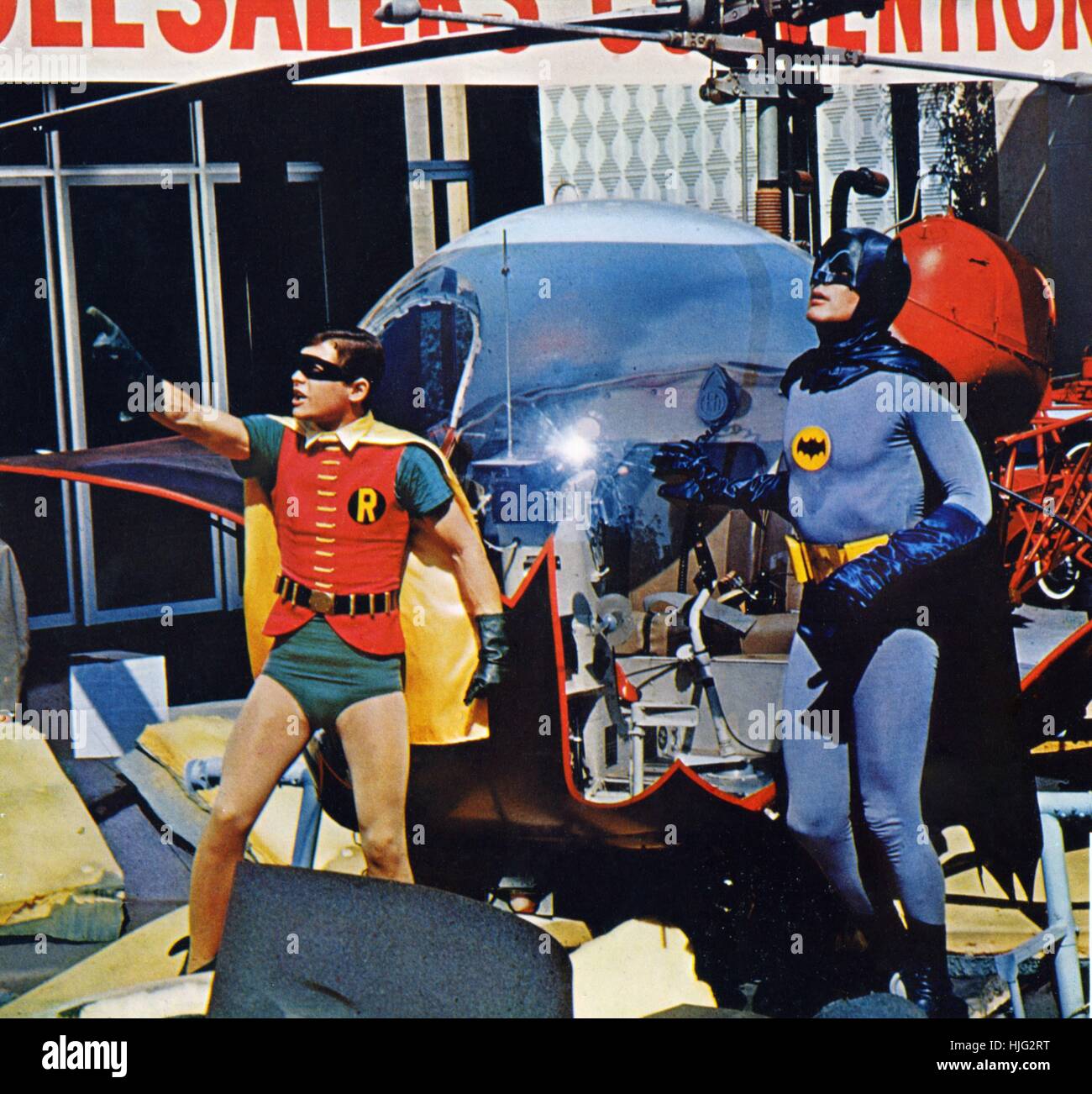
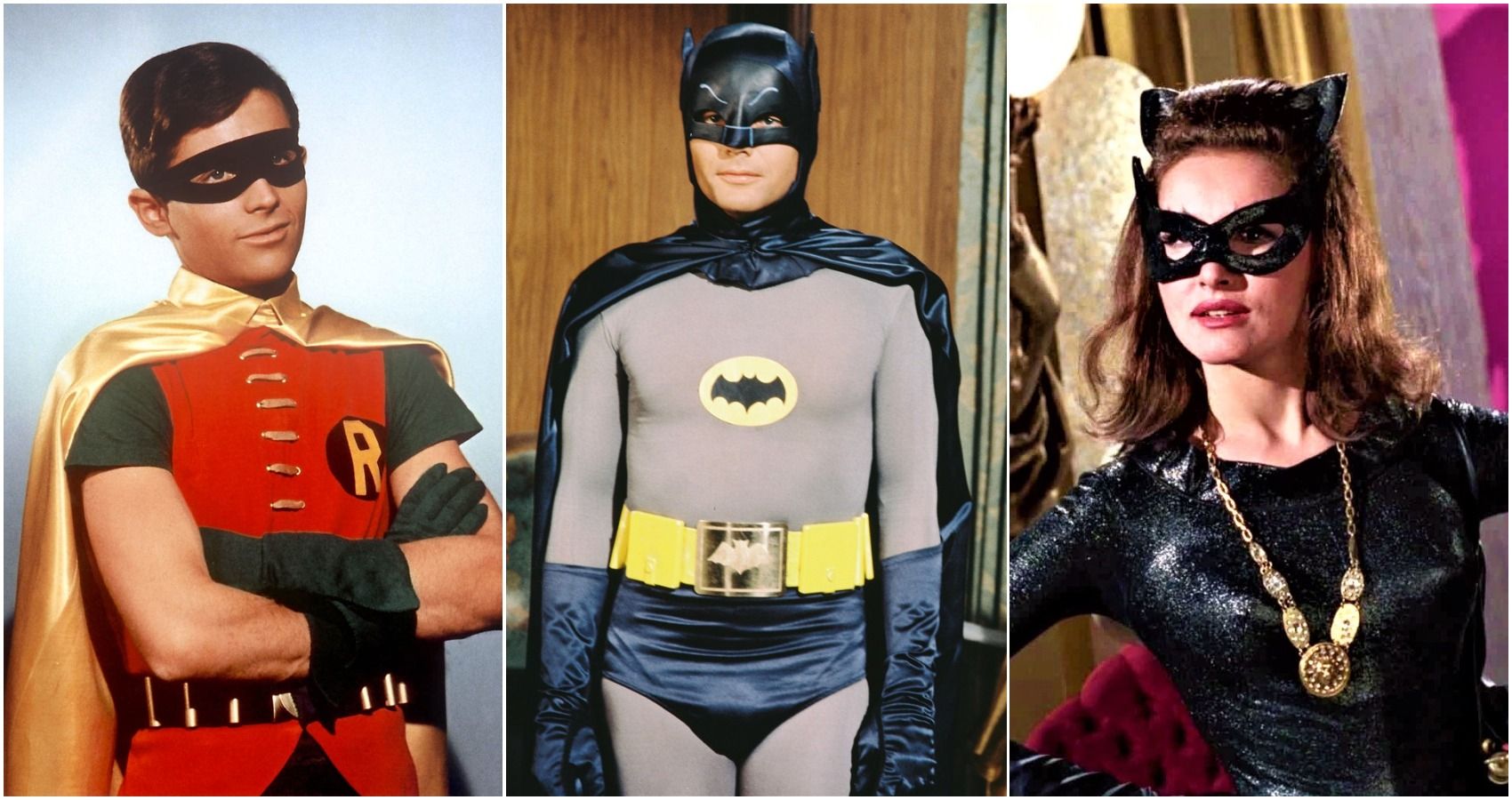
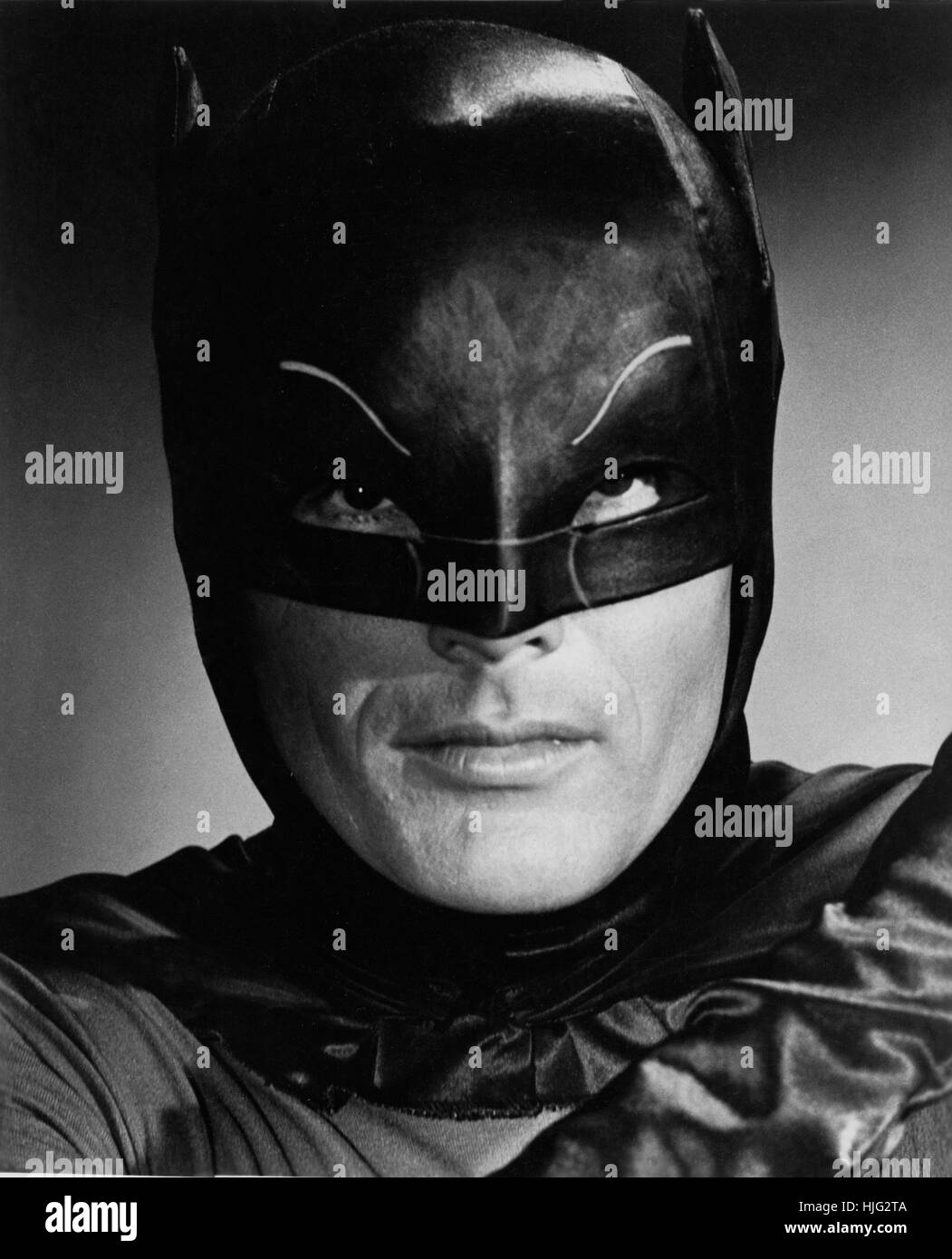
The 1960s Batman television series, starring Adam West as Batman and Burt Ward as Robin, was a pop culture phenomenon that premiered on the ABC network in January 1966. Known for its campy humor, vibrant pop-art aesthetics, and iconic on-screen sound effects, the show transformed comic book characters into mainstream television icons and sparked a nationwide "Batmania" craze.
Origins and Development of the Camp Classic
The genesis of the 1960s Batman television series dates back to 1965, when publisher National Periodical Publications (later DC Comics) licensed the rights to adapt the Dark Knight for television. ABC and producer William Dozier seized the property, conceptualizing a weekly prime-time adventure that would appeal to both children and adults. Rather than adopting the brooding, grim tone of the early 1940s comic strips or contemporary detective fiction, Dozier and writer Lorenzo Semple Jr. embraced a heavily stylized, tongue-in-cheek comedic approach.
This creative decision was heavily influenced by the contemporary Pop Art movement of the mid-1960s. The show utilized bold primary colors, dutch angles, and stylized comic book sound effects—such as "BAM!", "POW!", and "ZAP!"—flashed across the screen during physical altercations. This aesthetic distinguished the program from standard dramatic television of the era and established a visual shorthand that mirrored printed comic book pages. The first-season episodes, broadcast twice weekly on consecutive nights, relied on a serialized cliffhanger format that kept audiences returning to see how the Dynamic Duo would escape impossible deathtraps.
Casting the Dynamic Duo and Iconic Rogues Gallery
The success of the series hinged on the casting of its central heroes and the guest stars who portrayed their villainous adversaries. Adam West secured the role of Bruce Wayne and his alter ego Batman, adopting a deadpan, hyper-formal delivery that heightened the absurdity of the situations. Burt Ward was cast as Dick Grayson, the Boy Wonder, bringing an earnest, exclamation-heavy enthusiasm that contrasted with West's stoic demeanor. Together, they cultivated a wholesome yet eccentric dynamic supported by Alan Napier as the loyal butler Alfred, Neil Hamilton as Commissioner Gordon, and Stafford Repp as Chief O'Hara.
Equally integral to the show's enduring legacy was its rotating roster of celebrity guest villains. The production attracted prominent actors who relished the opportunity to chew the scenery in theatrical, larger-than-life performances. Key members of the rogues gallery included:
- The Joker, portrayed with manic energy by Cesar Romero, who famously refused to shave his mustache, opting instead to paint over it with white theatrical greasepaint.
- The Penguin, brought to life by Burgess Meredith through a distinctive squawking cigarette-holder-induced waddle and high-pitched cackle.
- Catwoman, initially played with feline grace by Julie Newmar in seasons one and two, later portrayed by Eartha Kitt in season three, and briefly interpreted by Lee Meriwether in the 1966 theatrical film.
- The Riddler, embodied by Frank Gorshin in a green spandex jumpsuit covered in question marks, earning an Emmy Award nomination for his frantic performance.
Production Design, Gadgets, and the Batmobile
Behind the vibrant aesthetic of the 1960s Batman TV series was a sophisticated production design team led by art director Jack Martin and costume designer Jan Kemp. The show's budget allowed for elaborate studio sets, including the Batcave—equipped with the Atomic Pile, the Batcomputer, and sliding poles—and the lavish interiors of Wayne Manor.
The centerpiece of the show's mechanical roster was the Batmobile, designed by George Barris. Built from a custom 1955 Lincoln Futura concept car purchased for a single dollar from Ford, the vehicle featured double bubble canopies, rear parachutes, jet exhaust propulsion, and an array of crime-fighting gadgetry. The Batmobile became an immediate merchandising juggernaut, spawning countless toy replicas and cementing its status as one of the most recognizable automobiles in entertainment history.
| Feature / Element | Description | Notable Details |
|---|---|---|
| The Batmobile | Custom-built crime-fighting vehicle | Constructed from a 1955 Lincoln Futura concept car by George Barris. |
| Broadcast Format | Twice-weekly serialized adventures | Aired on Wednesdays and Thursdays in seasons 1 and 2, featuring cliffhangers. |
| Visual Style | Pop Art camp aesthetic | Included on-screen graphic text pop-ups ("POW!", "BAM!") and dutch angles. |
| Theme Song | Instantly recognizable surf-rock theme | Composed by Neal Hefti, featuring a recurring 12-bar blues riff. |
Cultural Impact and the "Batmania" Phenomenon
Upon its debut in January 1966, the series became an immediate ratings juggernaut, sparking a cultural phenomenon known as "Batmania." Merchandising reached unprecedented levels, with lunchboxes, board games, Halloween costumes, and bubblegum cards flooding the retail market. A feature film, simply titled Batman, was rushed into production and released by 20th Century Fox in the summer of 1966, capitalizing on the television program's peak momentum.
The show also influenced the television landscape by popularizing the camp genre and demonstrating the commercial viability of prime-time comic book adaptations. Furthermore, it served as a major platform for guest stars, with figures like Liberace, Vincent Price, Zsa Zsa Gabor, and Tallulah Bankhead clamoring to play guest villains. Even minor cameos in the show's famous "window-climbing" sequences—where celebrities peered out of apartment windows as Batman and Robin scaled a wall—became a coveted badge of honor for Hollywood elites.
Decline, Cancellation, and Syndication Legacy
Despite its explosive initial popularity, the camp format proved difficult to sustain over multiple seasons. Ratings began to decline by the second season as the novelty of the pop-art gimmick wore off. In an attempt to revive interest for the third season in 1967, producers introduced Batgirl, played by Yvonne Craig, and shifted some episodes to a single-night weekly broadcast format. However, rising production costs and shrinking viewership led ABC to cancel the series in early 1968.
Following its cancellation, the series entered syndication, where it introduced subsequent generations of viewers to the Dynamic Duo. For decades, legal complications involving the division of rights between 20th Century Fox, Warner Bros., and DC Comics delayed a home video release. These issues were finally resolved, leading to a remastered Blu-ray and DVD release in 2014, which brought the series back into critical and commercial prominence.
Frequently Asked Questions About the 1960s Batman TV Series
Who composed the iconic Batman television theme song?
The theme song was composed by jazz artist Neal Hefti. It is built upon a memorable 1960s surf-rock guitar riff followed by a chorus chanting "Batman!" twelve times, backed by a driving brass section and vocal harmonies.
Why did Cesar Romero refuse to shave his mustache for the Joker?
Cesar Romero maintained his trademark mustache throughout his career and flatly refused to shave it off for the role of the Joker. Makeup artists simply applied white greasepaint directly over his facial hair, which remained visibly outlined beneath the white makeup in close-up shots.
How many episodes of the 1960s Batman series were produced?
The series ran for a total of 120 episodes across three seasons between 1966 and 1968. Most storyline arcs were split into two-part episodes concluding with a cliffhanger at the end of the first installment.
Did any notable actors play villains other than the main four?
Yes, the series featured numerous guest villains played by acclaimed actors. Notable examples include Otto Preminger as Mr. Freeze, Eli Wallach as Mr. Freeze in a later season, Victor Buono as King Tut, Anne Baxter as Zelda the Great and Olga Queen of the Cossacks, and Vincent Price as Egghead.
Where can I watch the 1960s Batman TV series today?
Streaming availability varies by region and licensing agreements, but the series is widely available for digital purchase on platforms like Amazon Prime Video and Apple TV, as well as on physical home video formats including Blu-ray and DVD.
Preserving the Legacy of the Caped Crusader's Pop Era
For enthusiasts and pop culture historians examining the evolution of superhero media, the 1960s Batman television series remains an essential touchstone. To fully appreciate its historical context, viewers should explore the remastered home video releases to experience the original broadcast order and vibrant color grading. Understanding the show's roots in mid-century pop art provides valuable insight into how comic book adaptations transitioned from serialized print pages into mainstream television royalty.