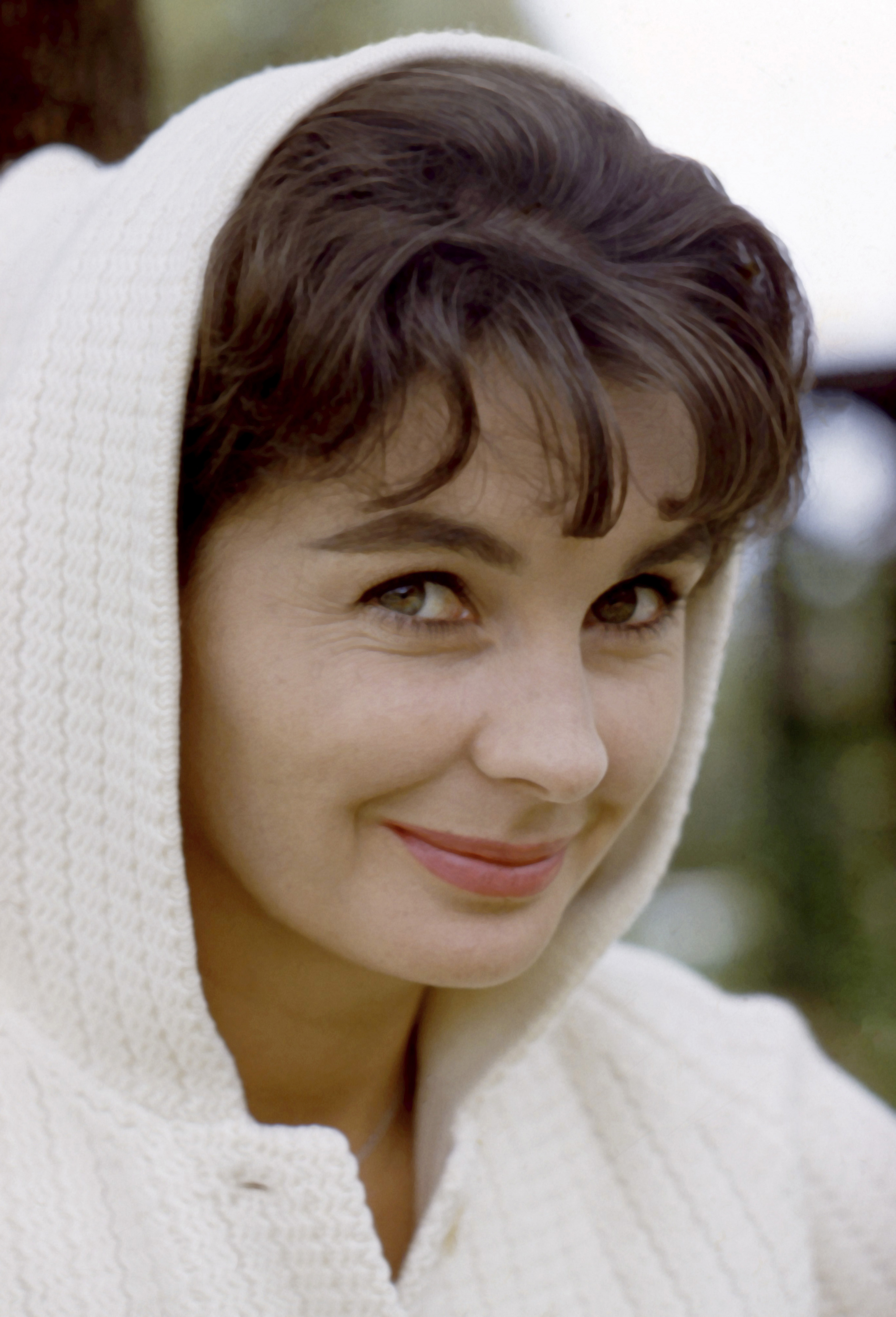
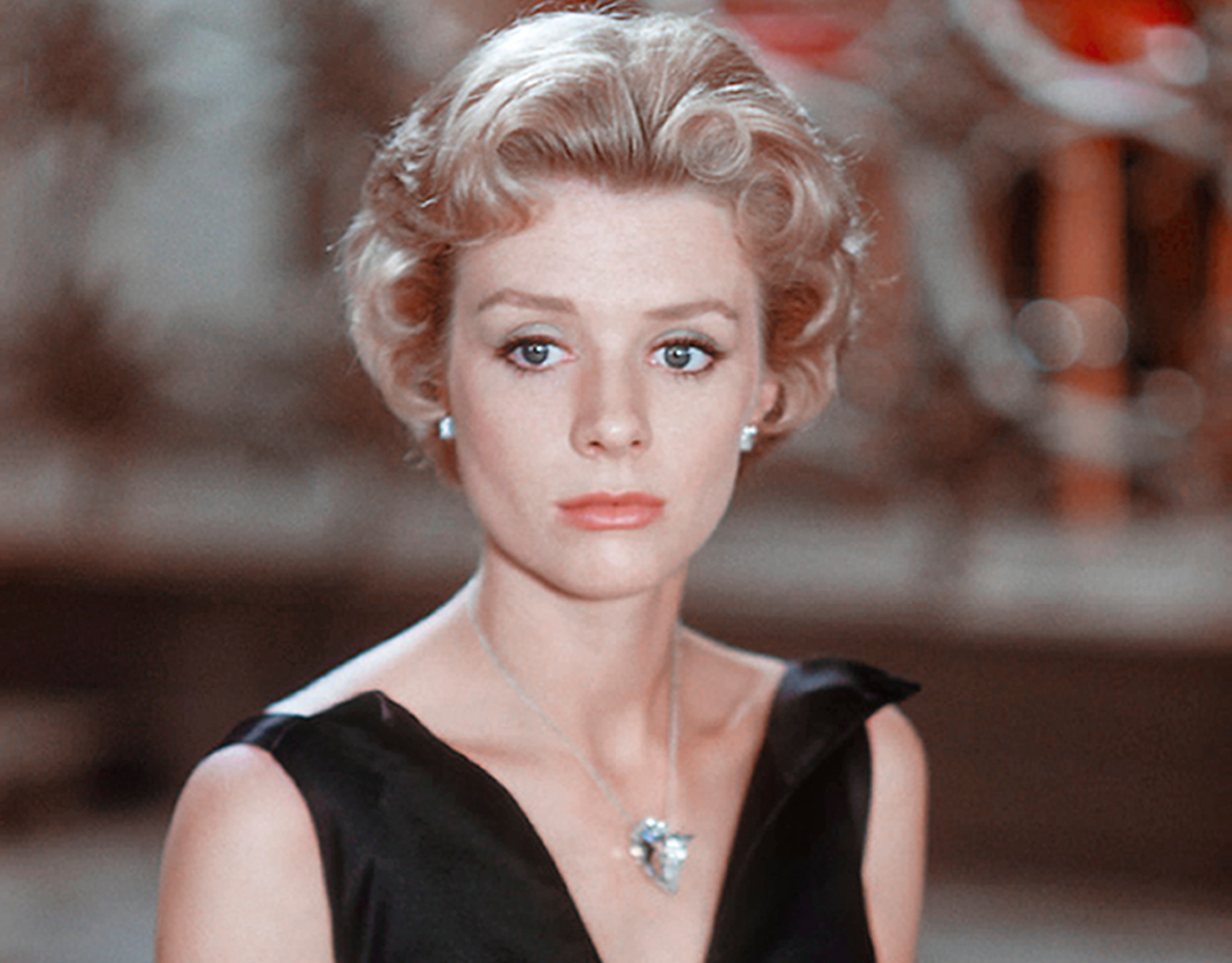
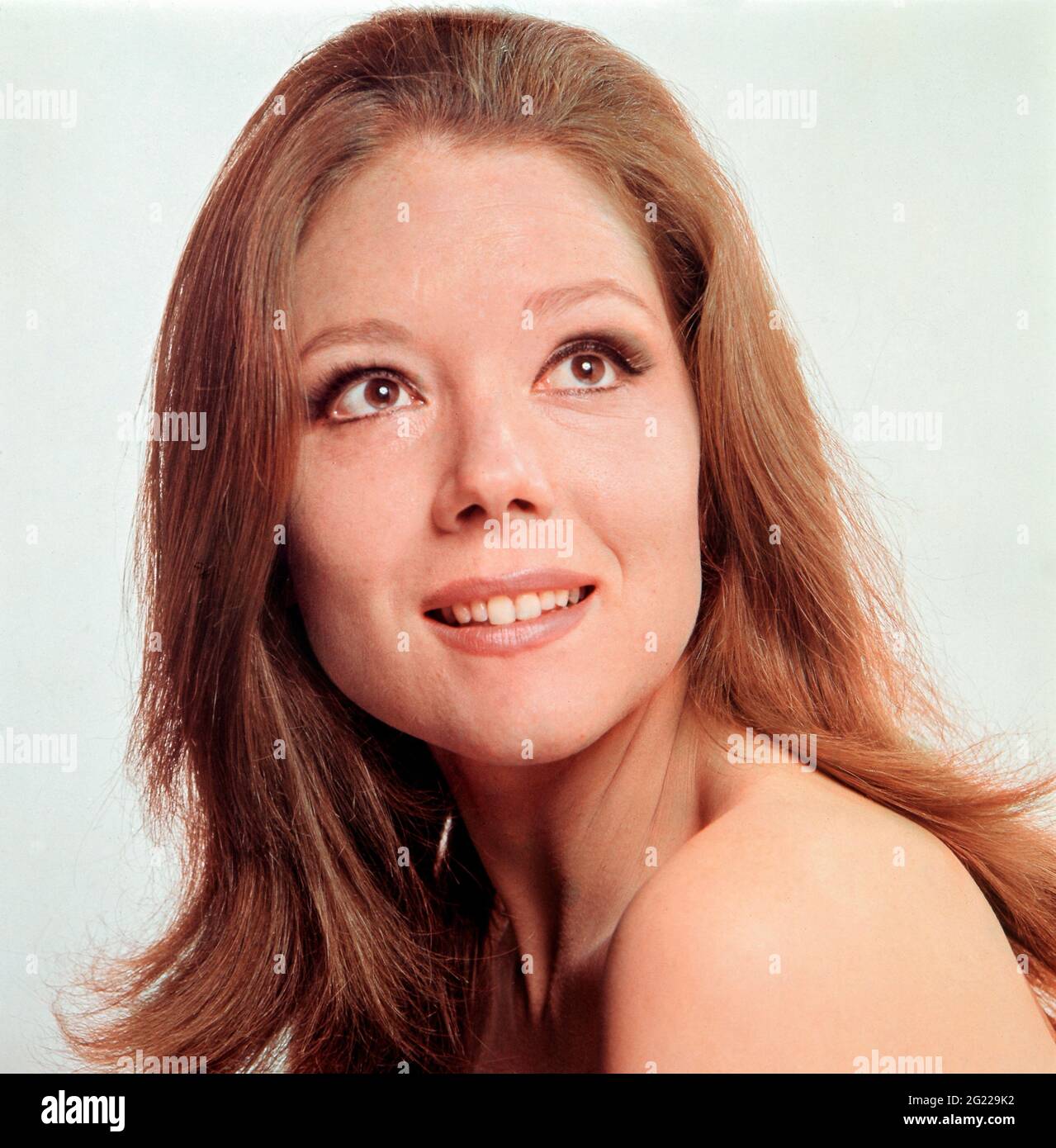
A 1960s actress navigated a transformative era in cinema defined by the dismantling of the classical studio system, the rise of independent production, and a radical shift in societal attitudes toward gender, sexuality, and representation. This decade bridged the glamorous, polished aesthetics of Old Hollywood with the gritty, countercultural realism of the New Hollywood movement, redefining stardom for a changing world.
The Cultural Landscape of Cinema in the 1960s
The film industry during the 1960s underwent profound structural changes that directly impacted the roles available to actresses and how they were marketed to global audiences. The collapse of the traditional studio system—accelerated by the rise of television, antitrust legislation like the Paramount Decree, and financial failures of bloated historical epics—stripped major studios of their absolute control over talent. For an actress working in this decade, this meant the gradual fading of long-term studio contracts in favor of project-by-project freelance work. This newfound independence allowed performers to exercise greater creative control over their careers, choose more complex material, and negotiate higher compensation, though it also introduced financial precarity and increased the burden of self-management.
Simultaneously, the sociocultural climate was shifting dramatically. The advent of second-wave feminism, the sexual revolution, and the counterculture movement challenged traditional archetypes of womanhood on screen. The submissive housewife or untouchable glamour icon was increasingly replaced by multidimensional characters who reflected contemporary anxieties, desires, and independence. Actresses were frequently called upon to portray women navigating complex moral landscapes, professional ambitions, and evolving sexual freedoms. This transition was further accelerated by the erosion of the Production Code, commonly known as the Hays Code, which had strictly regulated depictions of sexuality, morality, and social deviance since the 1930s. As censorship relaxed—culminating in the establishment of the MPAA film rating system in 1968—actresses gained the freedom to take on daring, psychologically raw roles that would have been impossible a decade prior.
Archetypes and Changing Representation on Screen
The cinematic landscape of the 1960s gave rise to distinct character archetypes that reflected the shifting cultural identity of women. These archetypes departed from the rigid dichotomy of the pure heroine and the femme fatale, introducing psychological depth and ambiguity.
One prominent archetype was the independent modern woman navigating urban life, career ambitions, and romantic autonomy. These characters often inhabited contemporary settings like London, New York, or Paris, wearing cutting-edge mod fashion and expressing verbal wit and emotional self-sufficiency. Another significant shift occurred in the representation of youth and rebellion. Adolescent and young adult characters broke away from wholesome, sanitized teen depictions to embrace anti-establishment attitudes, existential questioning, and open exploration of identity and sexuality.
Furthermore, international cinema exerted a powerful influence on Hollywood and global audiences alike. The French New Wave, Italian neorealism, and British kitchen sink realism introduced a new style of naturalistic acting and unvarnished realism. Actresses from Europe and Britain brought a different aesthetic sensibility to the screen—one characterized by unstyled hair, minimal makeup, complex psychological interiority, and a willingness to embrace imperfection. This transatlantic exchange broadened the definition of cinematic beauty and capability, encouraging American actresses to embrace a more grounded, authentic approach to their craft.
Iconic Figures and Career Trajectories
The decade produced a diverse array of iconic performers whose careers encapsulated the tensions and triumphs of 1960s cinema. These figures managed the transition from classical studio glamour to modern independent stardom with varying strategies.
| Actress | Notable 1960s Films | Key Cinematic Contribution | Career Shift in the 1960s |
|---|---|---|---|
| Audrey Hepburn | Breakfast at Tiffany's (1961), Charade (1963) | Redefined elegance and urban sophistication in romantic comedies and thrillers. | Transitioned from ingénue status to mature, sophisticated modern heroines. |
| Jane Fonda | Barefoot in the Park (1967), Barbarella (1968) | Embodied the sexual revolution, camp aesthetics, and emerging political activism. | Evolved from sex symbol to versatile dramatic actress and independent producer. |
| Elizabeth Taylor | Butterfield 8 (1960), Who's Afraid of Virginia Woolf? (1966) | Demolished glamorous stereotypes through raw, unglamorous dramatic performances. | Navigated the height of star power while demanding unprecedented financial independence. |
| Julie Andrews | Mary Poppins (1964), The Sound of Music (1965) | Reinvigorated the blockbuster musical with warmth, vocal precision, and iron-willed charm. | Rose rapidly from Broadway sensation to dominant global box-office star. |
| Catherine Deneuve | The Umbrellas of Cherbourg (1964), Repulsion (1965) | Personified European cinematic cool, psychological mystery, and high-fashion elegance. | Established an international arthouse career spanning multiple languages and auteurs. |
Examining these trajectories reveals the strategic choices performers made to maintain relevance. Elizabeth Taylor commanded historic salaries and used her visibility to challenge studio dominance, culminating in her Academy Award-winning, unglamorous turn in Who's Afraid of Virginia Woolf?. Jane Fonda initially worked within light comedies before embracing adventurous international projects and countercultural roles that positioned her at the intersection of entertainment and political activism. Audrey Hepburn maintained her enduring status as a style icon while selecting sophisticated genre films that catered to changing adult audiences.
Production Realities and Working Conditions
Behind the glamorous premieres and iconic fashion, the working reality for a 1960s actress was shaped by systemic industry shifts and persistent gender inequalities. While top-tier stars enjoyed unprecedented salaries and profit-participation deals, rank-and-file actresses faced a contracting job market as overall film production numbers declined in the face of television competition.
The transition from studio exclusivity to freelance contracting meant that actresses had to assemble their own teams of agents, publicists, and managers. Securing continuous work required relentless networking and strategic image management. Furthermore, the relaxation of censorship laws brought new opportunities for artistic expression, but it also introduced professional risks. Actresses frequently faced pressure to perform in nudity-heavy or sexually explicit scenes to signal modernity, sometimes without adequate contractual protections or supportive on-set environments.
Wage disparity remained a persistent issue. Although bankable female leads could command substantial sums, studio executives routinely valued male leads higher under the assumption that male actors drove box-office returns. Behind the camera, the gender imbalance was stark; opportunities for women to work as directors, cinematographers, or studio executives were virtually nonexistent, leaving the framing of the female experience almost entirely in the hands of male filmmakers, writers, and producers.
Legacy and Influence on Modern Cinema
The enduring legacy of the 1960s actress lies in how she reshaped the boundaries of screen performance, personal branding, and cultural influence. The decade established the template for the modern multimedia celebrity—an individual who not only acted in films but dictated fashion trends, engaged with sociopolitical causes, and maintained an independent public persona distinct from any single studio public relations department.
The naturalistic performance styles pioneered during this era laid the groundwork for the psychological realism of 1970s New Hollywood cinema. Actresses who proved they could carry complex, flawed, and morally ambiguous characters paved the way for subsequent generations to demand richer, more diverse narratives. Today, the fashion, poise, and artistic choices of 1960s icons continue to serve as a primary reference point for contemporary costume designers, luxury fashion houses, and performers seeking to balance commercial success with artistic integrity.
Frequently Asked Questions
How did the end of the studio system affect 1960s actresses?
The decline of exclusive long-term studio contracts forced actresses to work on a freelance, project-by-project basis. While this introduced career instability, it granted performers greater autonomy to select diverse roles, negotiate profit-participation deals, and escape the restrictive moral clauses imposed by studio executives during the Golden Age of Hollywood.
In what ways did the sexual revolution change roles for actresses in the 1960s?
The relaxation of censorship and shifting societal norms allowed actresses to portray sexually autonomous, psychologically complex, and non-traditional women. Characters were no longer confined to the Madonna-whore dichotomy, leading to richer explorations of female desire, independence, and personal disillusionment on screen.
Did international cinema influence American actresses during this decade?
Yes. The critical acclaim of the French New Wave, Italian art films, and British social realism introduced naturalistic acting methods, unglamorous aesthetics, and European arthouse sensibilities. This influenced American performers and filmmakers to adopt a more grounded, realistic approach to storytelling and character development.
What challenges did women face behind the scenes in 1960s filmmaking?
Despite progress in on-screen representation, behind-the-camera opportunities for women were extremely limited. The vast majority of films were directed, written, and produced by men, meaning that female representation on screen was still predominantly mediated through a male perspective, accompanied by persistent wage gaps outside the top tier of stardom.
How did fashion intersect with the career of a 1960s actress?
Fashion became a vital tool for personal branding and cinematic storytelling during the 1960s. The rise of mod fashion, haute couture collaborations, and ready-to-wear lines meant that an actress's on-screen wardrobe directly influenced global consumer trends, turning performers like Audrey Hepburn and Jane Fonda into enduring style icons.
Strategic Career Management for Historical Research
When researching or analyzing the career of a 1960s actress, historians and film scholars must examine primary production records, trade publications such as Variety and The Hollywood Reporter, and contemporary fashion archives rather than relying solely on retrospective biographies. Cross-referencing studio correspondence, contractual agreements, and contemporaneous press interviews provides an accurate understanding of the economic and artistic realities that governed mid-century stardom, separating studio-manufactured mythmaking from historical fact.