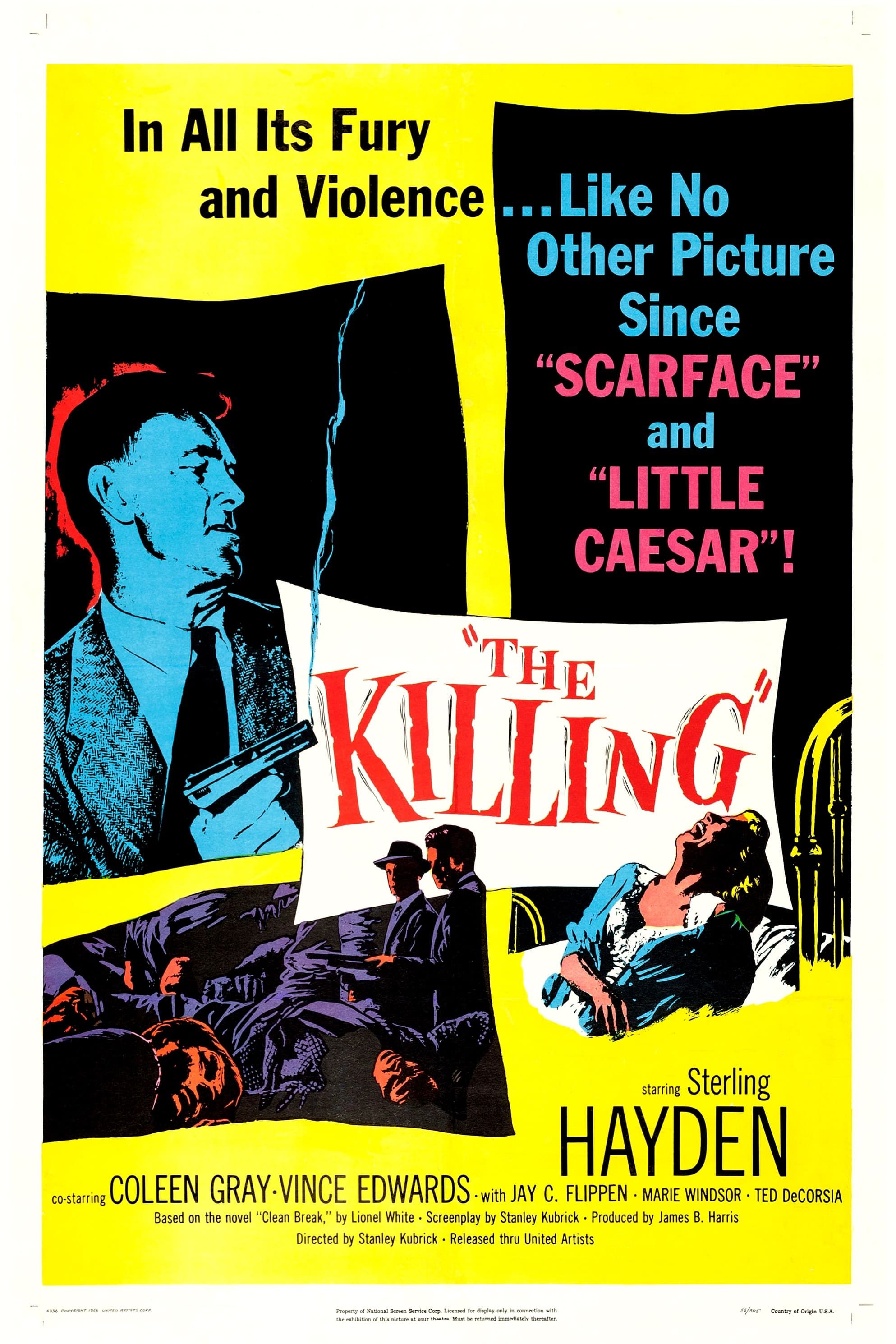
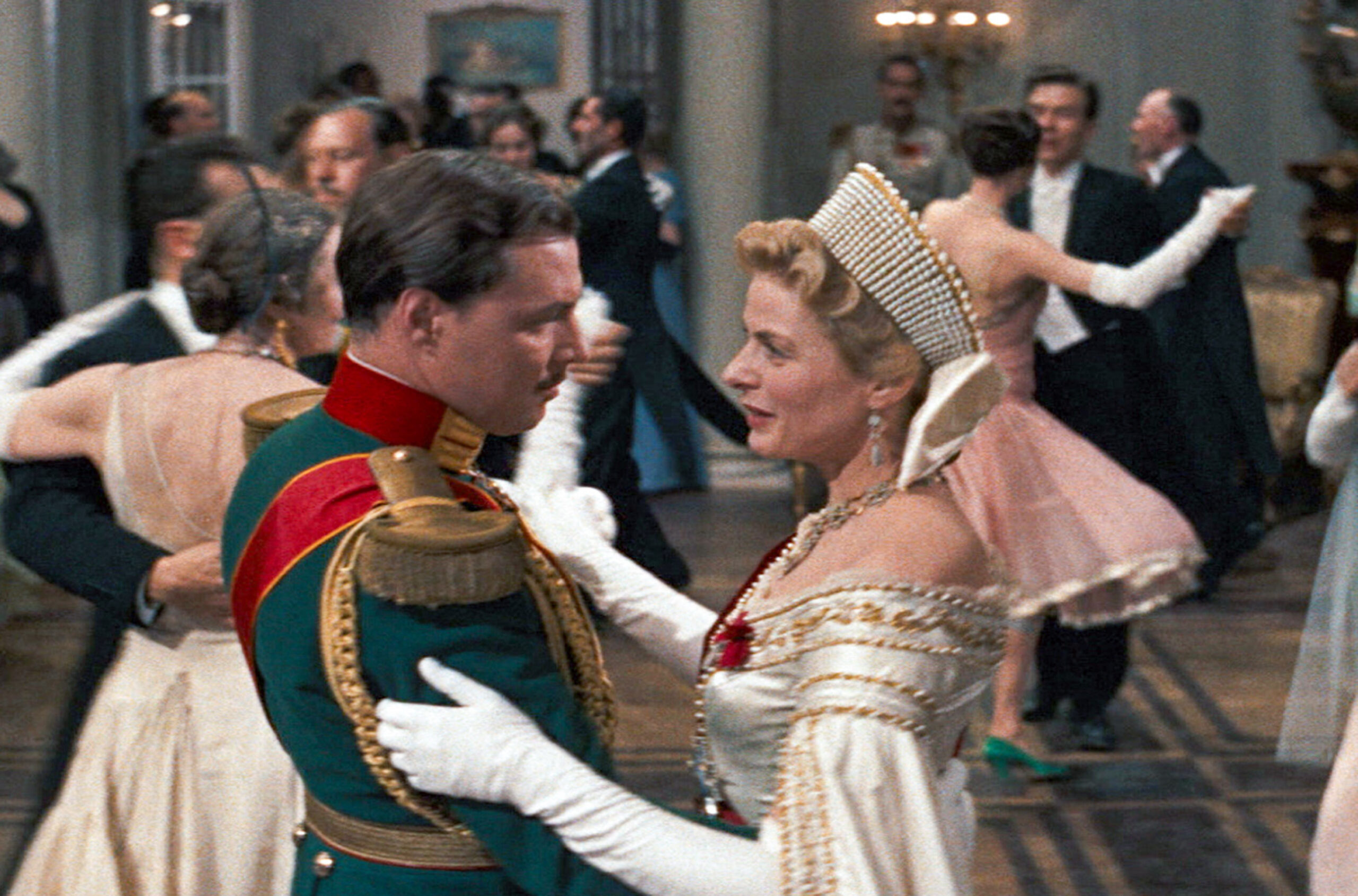
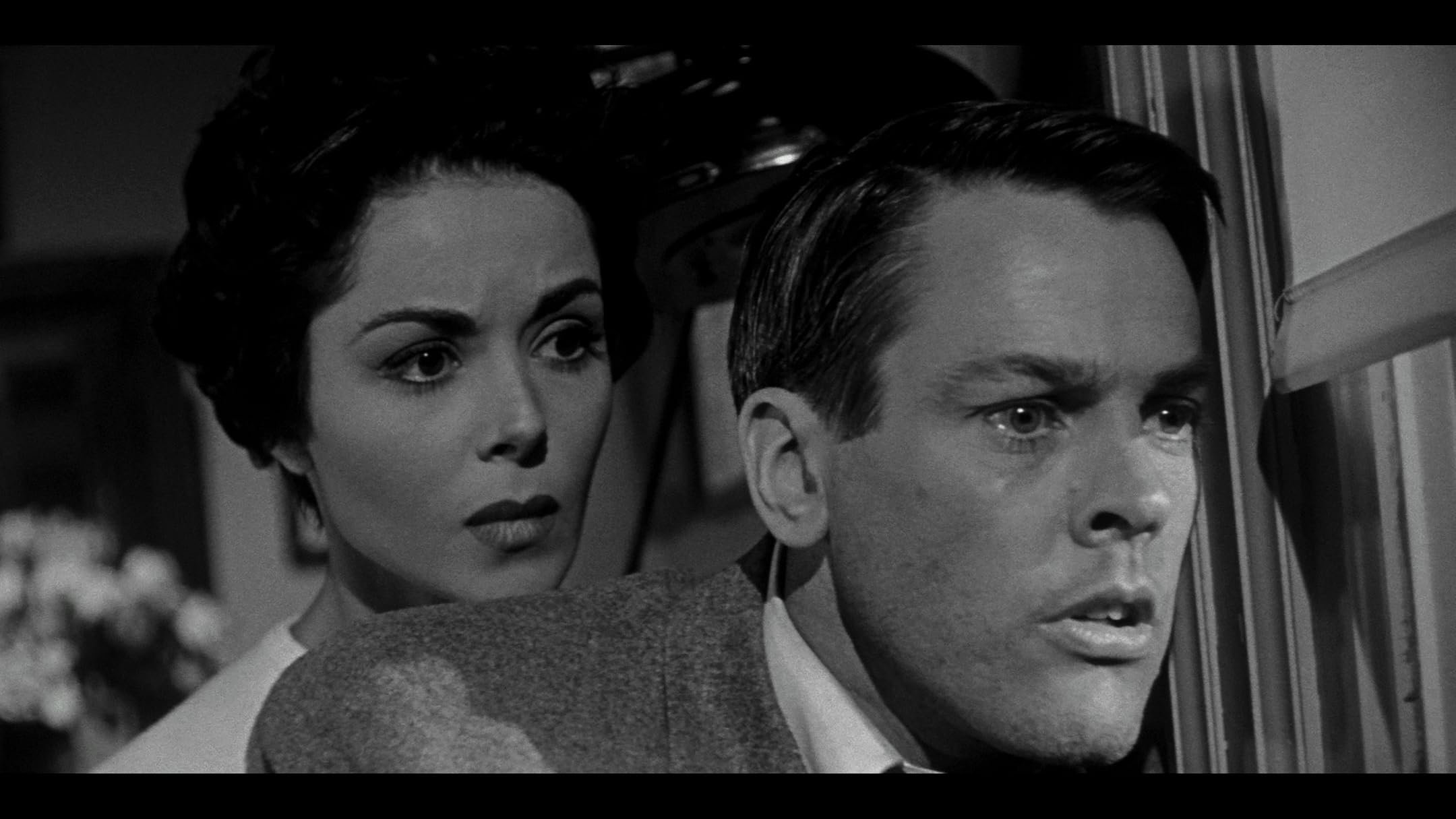
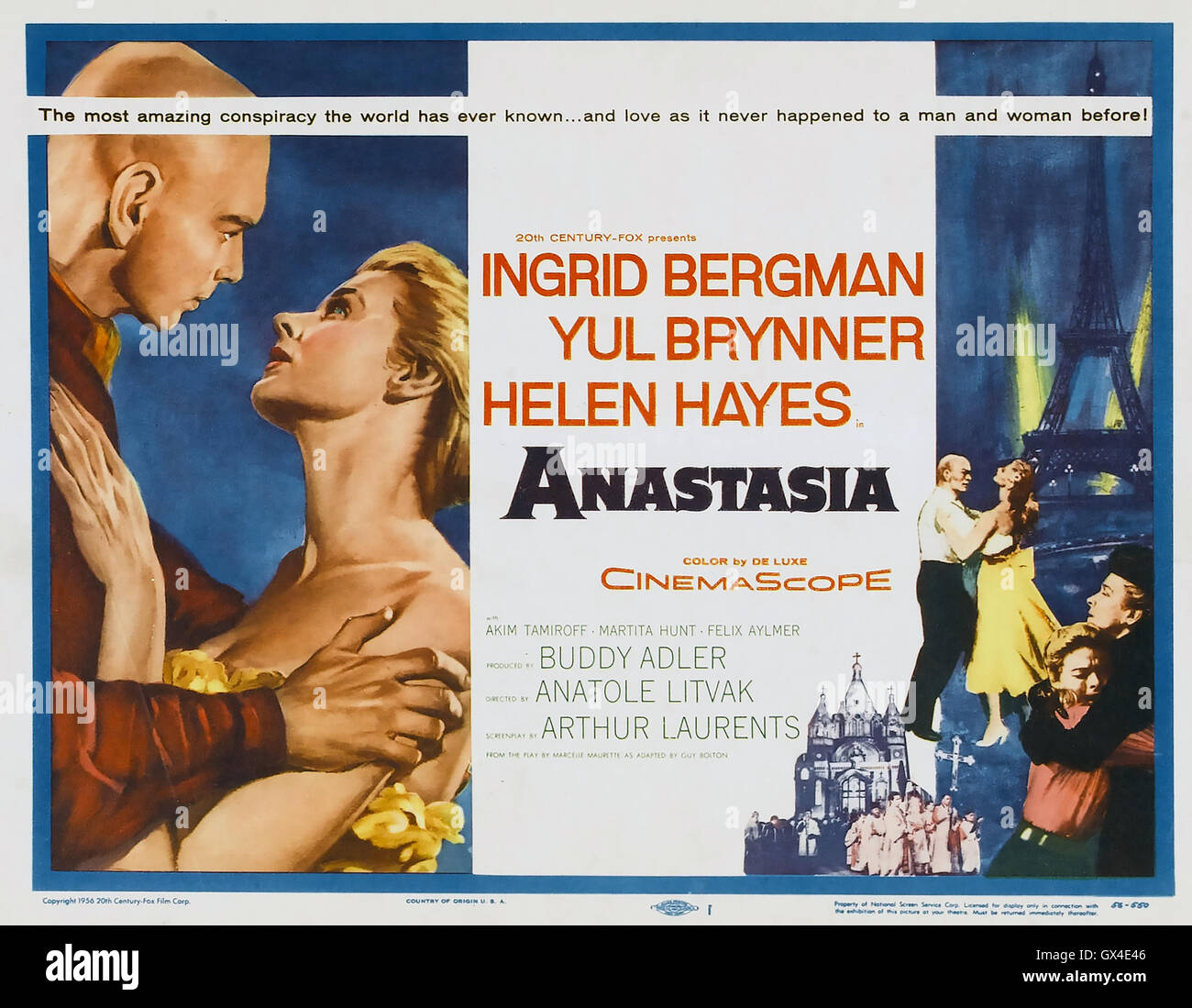
The 1956 film year stands as a monumental transitional phase in global cinema, characterized by the apex of classic Hollywood studio prestige, the rise of wide-screen formats like CinemaScope and VistaVision, and the fierce commercial pressure of emerging household television ownership. This period yielded timeless masterpieces across multiple genres, from psychological westerns and sweeping epic dramas to foundational science fiction and groundbreaking international art house releases.
Historical and Technological Context of 1956 Cinema
Mid-century filmmaking operated within a rapidly shifting industrial landscape. The traditional studio system, bound by long-term player contracts and vertical integration, faced unprecedented federal antitrust enforcement following the landmark 1948 Paramount decision. Simultaneously, the proliferation of domestic television sets caused theater box office attendance to plummet from its post-World War II peaks. To combat this domestic threat, major motion picture studios invested heavily in technological differentiation, pushing wide-screen aspect ratios, high-fidelity stereophonic sound, and saturated Technicolor or Eastman Color stocks to lure audiences back into grand picture palaces.
In 1956, these technological bets matured into standard industry practices. Studios utilized anamorphic lenses and large-format negative exposures to deliver cinematic experiences that televisions simply could not replicate in living rooms. Beyond aesthetics, the international co-production market began to flourish, allowing European directors to access larger budgets while American studios capitalized on foreign tax incentives and picturesque overseas locations. This economic matrix shaped not only how films were shot and distributed, but also the narrative ambitions of the screenwriters and directors working during this era.
Defining Masterpieces and Genre Shifts
The year 1956 offered remarkable diversity across cinematic genres, challenging conventional narrative formulas and pushing moral complexities to the forefront. Westerns evolved from straightforward struggles between lawmen and outlaws into introspective psychological dramas exploring alienation, societal prejudice, and trauma. Concurrently, science fiction moved away from cheap creature features toward sophisticated allegories reflecting Cold War anxieties, atomic paranoia, and societal conformity.
Epic historical dramas and sweeping romantic melodramas also reached new technical and artistic heights in 1956. Directors wielded massive budgets to stage historical pageantry and intimate emotional conflicts against exotic backdrops. These productions relied heavily on elaborate matte paintings, practical special effects, and massive physical set construction before the digital compositing era.
Landmark Releases of 1956
| Film Title | Director | Primary Genre | Notable Technical or Cultural Significance |
|---|---|---|---|
| The Searchers | John Ford | Western | Celebrated for its deep psychological nuance, VistaVision cinematography, and profound exploration of mid-century frontier racism. |
| The Ten Commandments | Cecil B. DeMille | Epic / Biblical | Utilized VistaVision and groundbreaking physical special effects to depict the Exodus; became one of the highest-grossing films of all time. |
| Invasion of the Body Snatchers | Don Siegel | Science Fiction | A seminal noir-inflected thriller frequently interpreted as a political allegory regarding McCarthyism and communist infiltration. |
| Around the World in 80 Days | Michael Anderson | Adventure | Showcased Todd-AO 70mm wide-screen projection and won the Academy Award for Best Picture. |
| The King and I | Walter Lang | Musical | Combined lavish CinemaScope cinematography with Rodgers and Hammerstein's acclaimed stage score. |
International Cinema and the Art House Movement
While Hollywood commanded global commercial distribution, international filmmakers during 1956 redefined cinematic language through distinct national movements. Italian neorealism continued to cast a long shadow over European filmmaking, inspiring directors to focus on working-class realities, location shooting, and moral ambiguity. In Asia, Japanese cinema continued its post-war international renaissance, securing global critical acclaim by blending traditional theatrical aesthetics with modern narrative structures.
French, Scandinavian, and British studios similarly fostered auteurs who treated the camera as a pen, paving the way for the French New Wave later in the decade. These international works challenged traditional Hollywood censorship guidelines enforced by the Production Code Administration (PCA). By tackling controversial themes of infidelity, existential despair, and political corruption with unflinching honesty, international releases broadened global audience appetites for mature narrative content.
Industrial Economics and Studio Strategies
The business model of 1956 cinema relied on roadshow theatrical engagements, road-tested regional premieres, and lengthy exclusive runs in metropolitan centers. Studios deliberately reduced their overall annual output compared to the prolific 1930s and 1940s, choosing instead to finance fewer, larger-budget spectacles or independent producer-backed packages. This shift gave bankable movie stars and elite directors unprecedented leverage to negotiate profit-participation deals rather than standard weekly salaries.
Independent production companies multiplied rapidly during this era, often formed by established actors and directors seeking creative autonomy from studio executives. These independent entities used studio distribution networks while retaining financial control over their intellectual property. The financial success of these independent ventures permanently altered labor relations within the American film industry, weakening the traditional studio contract system and establishing the project-by-project hiring model that dominates contemporary filmmaking today.
Preservation, Restoration, and Modern Legacy
Evaluating 1956 films requires acknowledging the persistent challenge of motion picture preservation. Many productions from this era were filmed on unstable nitrate stock or early fugitive color safety films that suffered from fading, vinegar syndrome, and chemical degradation. Archival institutions, non-profit foundations, and studio preservation departments rely on original camera negatives, separation masters, and digital restoration suites to rescue these historical artifacts from permanent loss.
Modern digital intermediate scans and 4K UHD home video releases have allowed contemporary audiences to appreciate the intricate lighting schemes, wide-screen compositions, and acoustic design of 1956 releases with unprecedented clarity. Film historians continue to reevaluate the era's output, uncovering marginalized voices, undervalued genre pictures, and foreign masterpieces that were initially overlooked by contemporary box office analysts.
Frequently Asked Questions About 1956 Films
What were the major technological advancements in 1956 filmmaking?
The industry heavily adopted wide-screen projection systems like CinemaScope, VistaVision, and Todd-AO alongside stereophonic sound and improved color processes. These formats were introduced to differentiate the theatrical experience from home television viewing.
Which film won the Academy Award for Best Picture for 1956 releases?
Around the World in 80 Days, directed by Michael Anderson and produced by Michael Todd, won the Academy Award for Best Picture at the 29th Academy Awards ceremony held in March 1957.
How did the Cold War influence 1956 cinema?
Cold War tensions, nuclear anxiety, and political paranoia heavily influenced science fiction and thriller genres. Films frequently explored themes of conformity, infiltration, and apocalyptic survival as reflections of contemporary geopolitical fears.
Are original 1956 films still accessible for modern viewers?
Yes, many classic films from 1956 are preserved by international archives and are widely available via physical media formats such as Blu-ray and 4K UHD, as well as specialized streaming platforms dedicated to classic and restored cinema.
How did the Hollywood Studio System change during the mid-1950s?
The traditional studio system weakened due to antitrust legislation that forced studios to divest their theater chains, the rise of independent production companies, and the decentralization of long-term actor and director contracts.
Archival Verification and Research Best Practices
For scholars, researchers, and enthusiasts seeking verified documentation regarding 1956 cinema, primary sources remain the gold standard. Consulting original trade publications such as Variety and The Hollywood Reporter, contemporary censorship records from the Motion Picture Association, and archival holdings at institutions like the Academy of Film Arts and Sciences provides an unvarnished view of mid-century industrial practices. Cross-referencing these records with institutional preservation logs ensures historical accuracy when analyzing the cultural footprint of 1956 cinema.