The year 1947 marked a pivotal turning point for global cinema, defined by the rise of film noir in Hollywood, post-war reconstruction themes in European cinema, and the dawning of new artistic movements across international filmmaking hubs.
Analyzing a 1947 film requires examining the unique historical conditions of the post-Second World War era, during which filmmakers grappled with societal disillusionment, shifting studio economics, and technological transitions. This period produced enduring masterpieces that redefined visual storytelling, established enduring genre conventions, and set new benchmarks for cinematic realism and psychological depth.
Historical and Cultural Context of 1947 Cinema
The global film industry in 1947 operated under the long shadow of the Second World War. Studios and independent production houses alike navigated material shortages, government regulations, and shifting audience demographics. In the United States, the Hollywood studio system was at the height of its classical era production output, yet it faced underlying pressures that would soon transform the industry, including the rise of television and early government antitrust investigations.
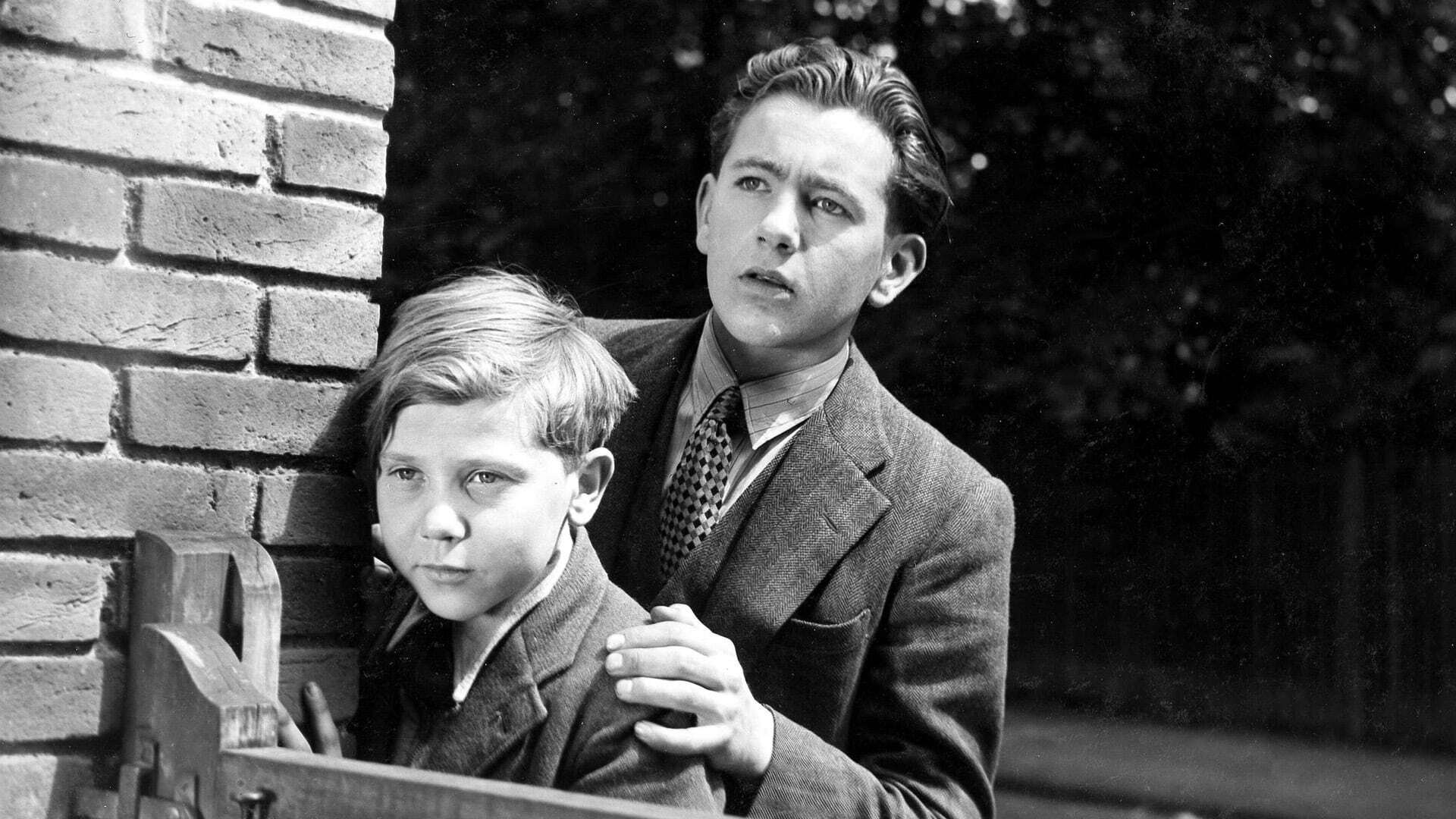
Internationally, European industries were rebuilding. British cinema experienced a notable creative peak under producers like J. Arthur Rank, while Italian filmmakers continued to lay the groundwork for neorealism, shooting on location with natural light and focusing on the everyday struggles of working-class citizens. This varied landscape meant that a 1947 film could range from a glossy Hollywood musical to a gritty, street-level European drama reflecting the psychological toll of recent history.
The Dominance and Evolution of Film Noir
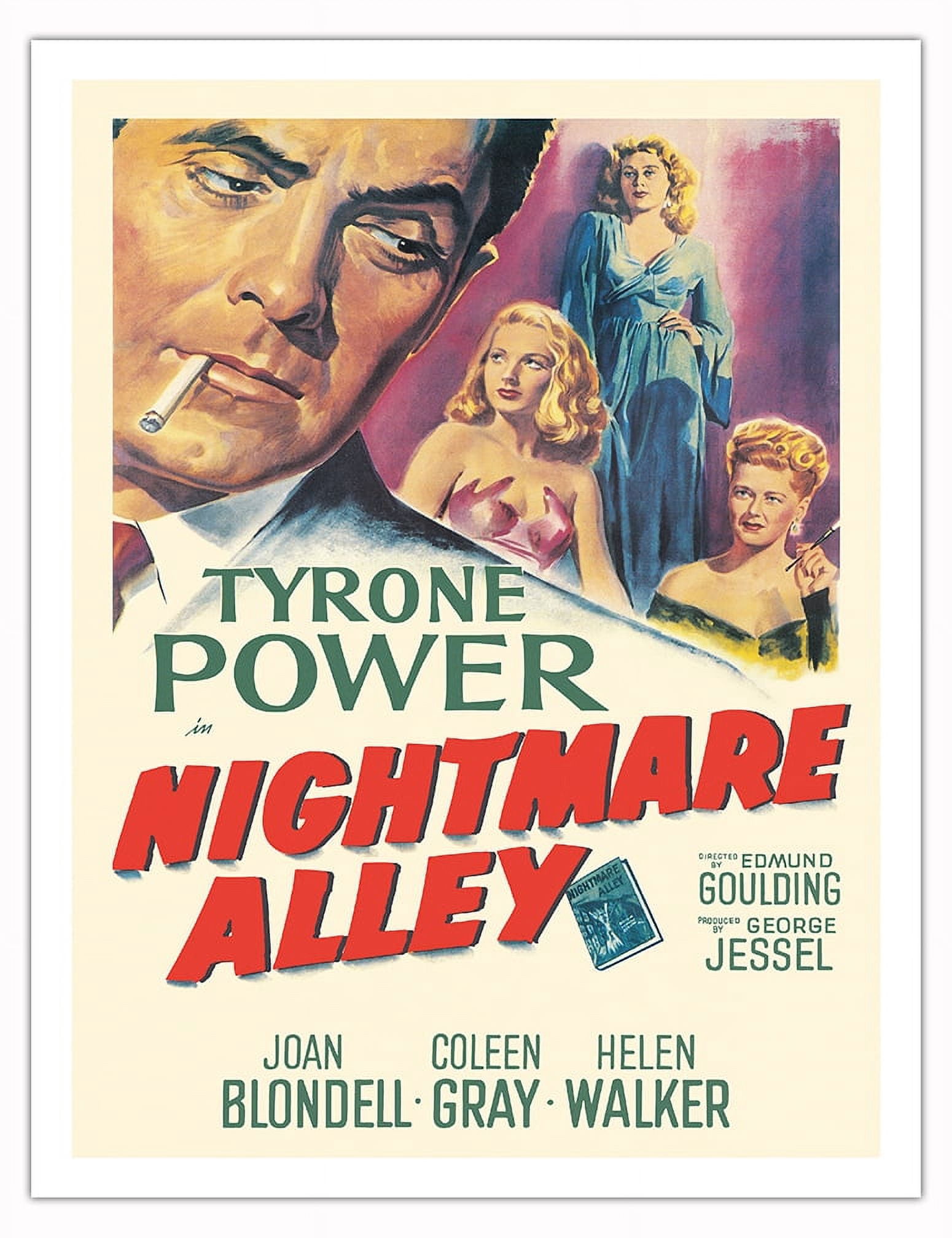
One of the most defining characteristics of American cinema from this period is the maturation of film noir. Building on the hard-boiled detective fiction of the 1930s and the influx of European expressionist directors fleeing conflict, 1947 saw the release of several quintessential noir titles that cemented the genre's visual style and thematic pessimism.
Key elements that defined the noir aesthetic in 1947 included:
- High-contrast, low-key lighting setups that emphasized shadows and moral ambiguity.
- Protagonists driven by fatalism, existential dread, or entrapment within corrupt systems.
- Urban settings marked by rain-slicked streets, cramped apartments, and shadowy alleys.
- Complex, morally compromised characters, including the archetype of the femme fatale.
Movies from this year utilized these conventions to explore post-war anxiety, male disillusionment, and the dark underbelly of the American dream. Directors played with non-linear storytelling, flashbacks, and cynical voiceover narration to place audiences directly inside the unstable psychological states of the protagonists.
Landmark International Productions and Movements
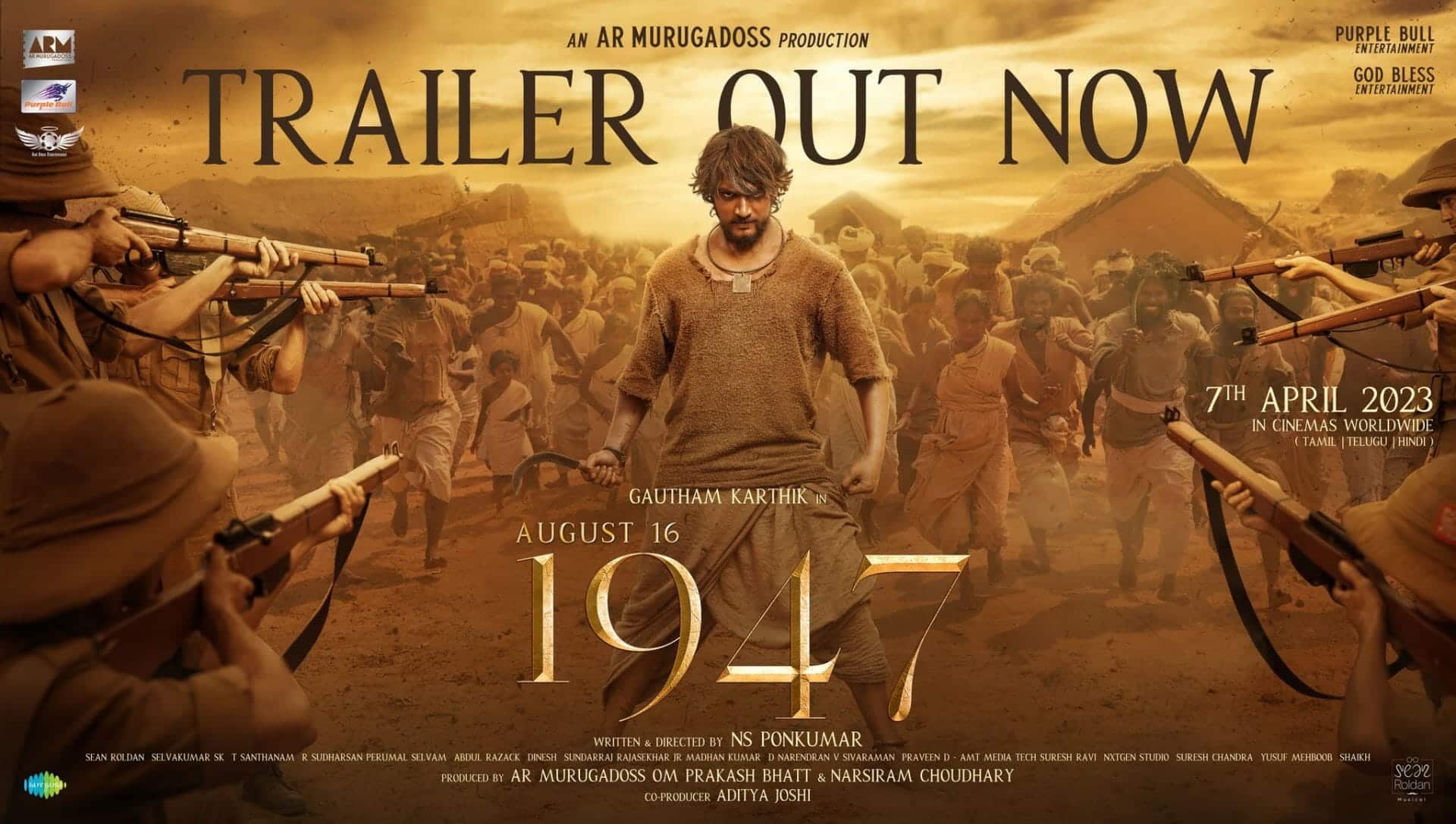
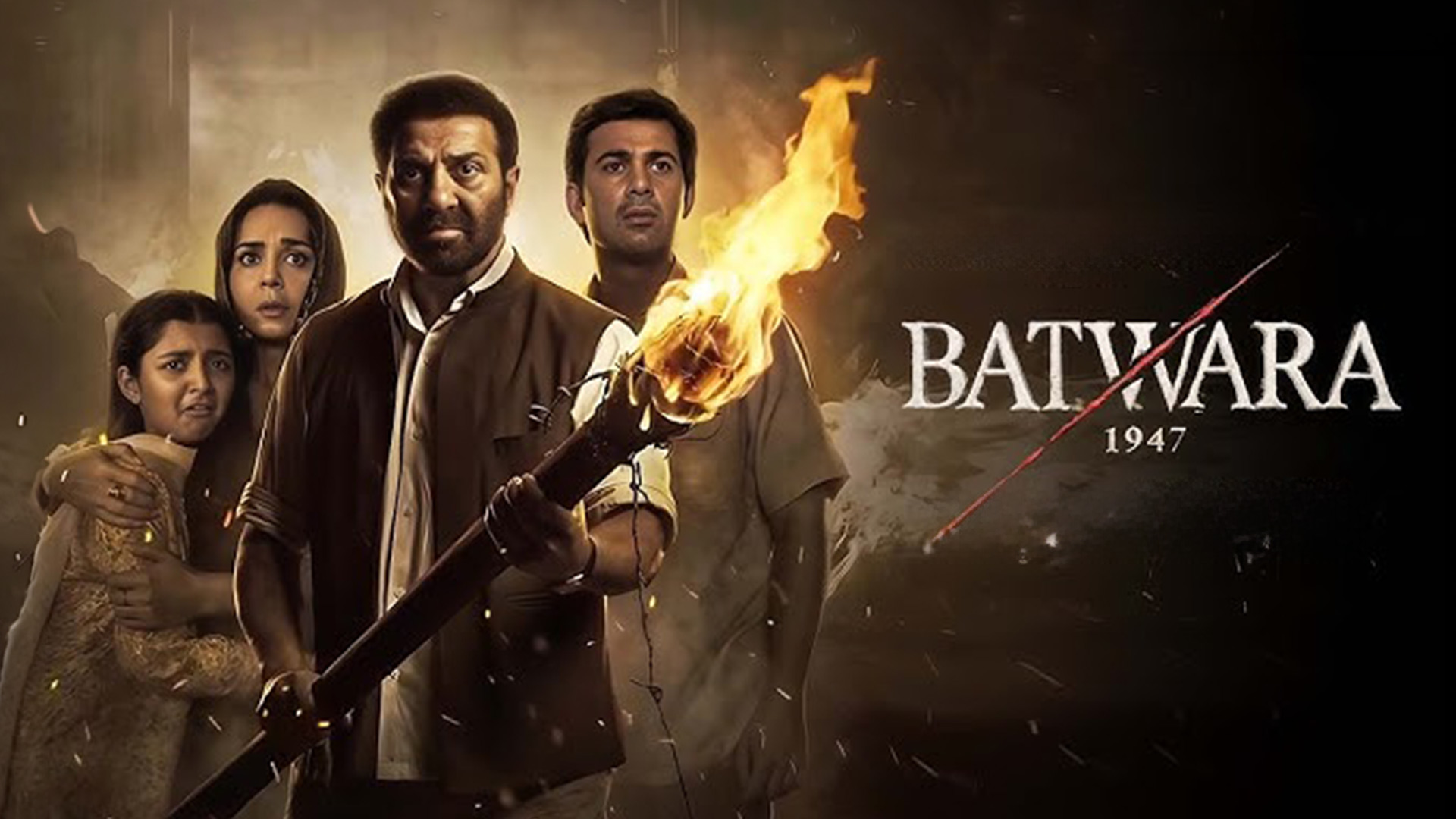
While Hollywood maintained significant global market share, 1947 was also notable for groundbreaking international releases that challenged conventional narrative structures. In the United Kingdom, literary adaptations and prestige pictures demonstrated high technical craftsmanship and sophisticated character studies. Meanwhile, Indian cinema, standing on the precipice of national independence in August 1947, witnessed regional industries producing works that balanced traditional storytelling with emerging social consciousness.
| Region | Primary Cinematic Focus | Key Aesthetic or Thematic Trend | Representative Approach |
|---|---|---|---|
| United States | Studio system output, independent noir, melodrama | Psychological introspection, moral ambiguity, realism | High-key and low-key lighting contrast, complex antiheroes |
| United Kingdom | Prestige dramas, literary adaptations, comedies | Craftsmanship, social commentary, visual elegance | Studio-bound precision with location realism |
| Europe (Continental) | Post-war recovery, poetic realism, neorealism | Survival, working-class struggle, moral reconstruction | On-location shooting, natural lighting, ensemble casts |
This comparative breakdown illustrates how different geographical regions approached the medium in 1947, driven by their unique socio-economic realities and cultural infrastructures.
Production Technologies and Studio Economics
Technological advancements in 1947 were evolutionary rather than revolutionary, as the industry consolidated gains made during the war years. Black-and-white cinematography remained the industry standard for dramatic features, prized for its cost-effectiveness and flexibility in creating mood, particularly within the noir cycle. Color filmmaking via Technicolor was reserved for high-budget spectacles, prestige musicals, and select outdoor adventures due to the bulky equipment, specialized lighting requirements, and high processing costs involved.
Economically, studios operated under the traditional block-booking and blind-bidding systems, though these practices faced mounting legal challenges that culminated in the landmark 1948 Supreme Court antitrust ruling (United States v. Paramount Pictures, Inc.). The seeds of the studio system's breakup were sown in 1947 as independent production units began negotiating more autonomy, signaling a shift away from vertical integration toward project-by-project financing.
Assessing Critical Reception and Archival Preservation
Evaluating a 1947 film from a contemporary perspective requires understanding how critical standards have evolved over time. Many motion pictures that achieved modest box office success upon release were later reevaluated by auteur theorists and film historians as masterworks of mise-en-scène and narrative subversion. Conversely, certain prestige pictures celebrated by contemporary reviewers have faded into obscurity due to shifting cultural values.
Preservation efforts by international film archives, cinematellites, and digital restoration laboratories have been vital in rescuing nitrate and early safety film stocks from decay. Modern digital scans often reveal subtle nuances in costume design, set decoration, and photochemical grading that were obscured in worn theatrical prints or early home video releases.
Frequently Asked Questions About 1947 Cinema
What defined the visual style of American films in 1947?
American cinema in 1947 was heavily influenced by the visual traditions of German Expressionism, which manifested primarily in the film noir movement. This style featured dramatic chiaroscuro lighting, unbalanced framing, deep-focus cinematography, and claustrophobic urban settings designed to evoke a sense of paranoia and moral ambiguity.
How did the Second World War impact global filmmaking in 1947?
The war disrupted domestic infrastructures, altered supply chains, and shaped audience psychology worldwide. European industries were actively rebuilding physical studios and exploring raw, neorealist approaches, while Hollywood studios managed returning veterans, shifting labor relations, and early signs of domestic audience contraction.
Were color films common in 1947?
Color film was relatively uncommon and restricted mostly to high-budget productions. The three-strip Technicolor process required specialized cameras, intense lighting, and strict technical supervision, making black-and-white photography the preferred choice for standard dramatic features, crime thrillers, and low-budget genre pictures.
What role did censorship play in 1947 releases?
In the United States, the Motion Picture Production Code (the Hays Code) strictly regulated content, forbidding explicit depictions of crime, sexuality, and moral ambiguity without punishment. Filmmakers working within the studio system developed sophisticated subtextual methods to address mature themes while remaining compliant with censorship boards.
How are 1947 films preserved for modern audiences?
Archivists preserve 1947 films by storing original camera negatives in temperature-controlled vaults, utilizing photochemical duplication, and performing 4K or 2K digital scans. These restorations correct physical damage, stabilize frame jitter, and reconstruct missing audio elements to present the films as close to their original theatrical presentation as possible.
Navigating and Studying Historical Film Archives
Researchers, educators, and cinephiles examining motion pictures from this period should consult specialized academic libraries, national film registries, and verified streaming platforms dedicated to classic cinema. When analyzing a 1947 film, cross-reference contemporary trade reviews from publications like Variety with modern retrospective criticism to gain a balanced understanding of its historical impact and aesthetic value. Prioritize viewing restored prints whenever available to appreciate the original artistic intent, sound design, and cinematography of the era.