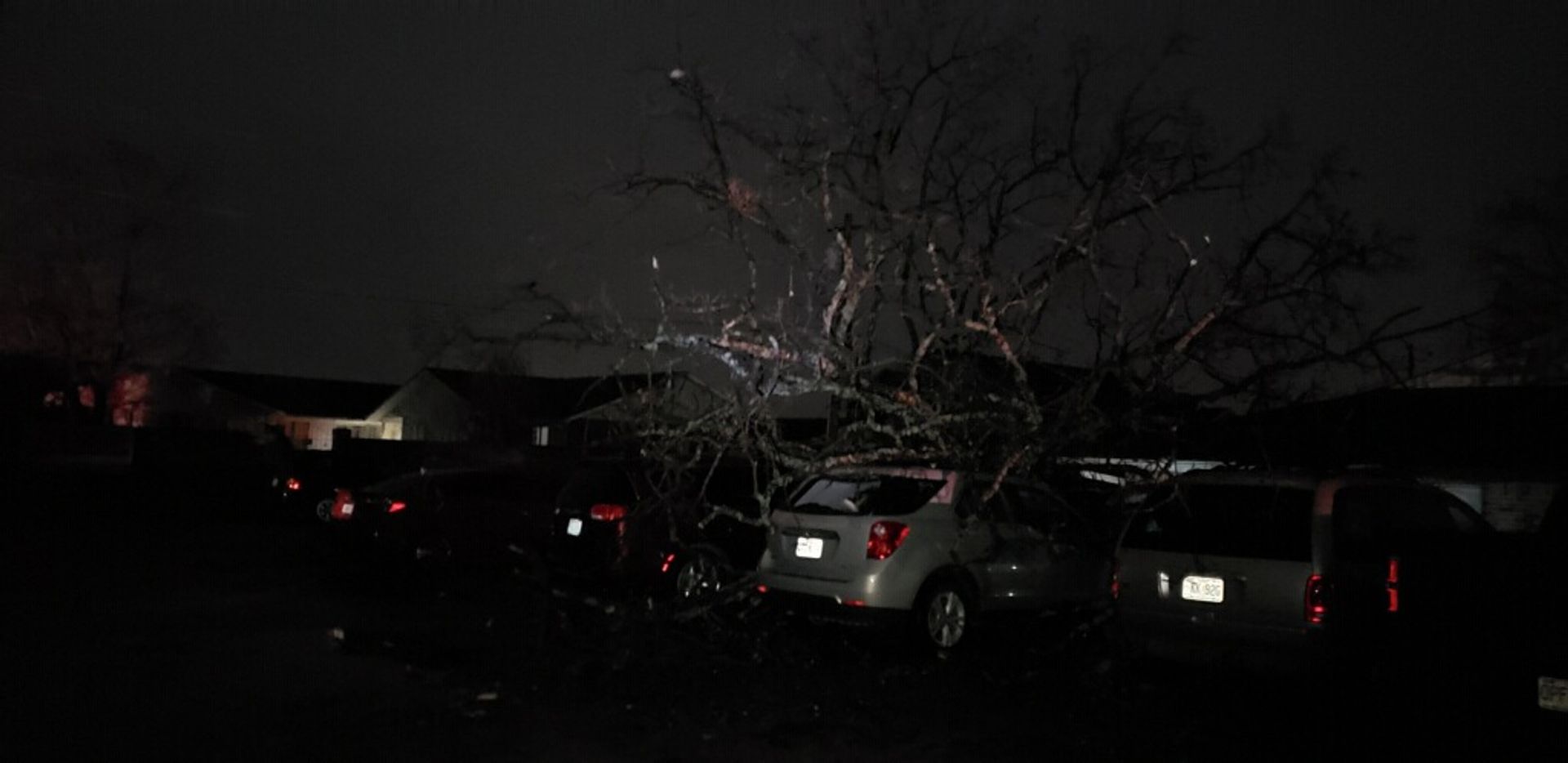
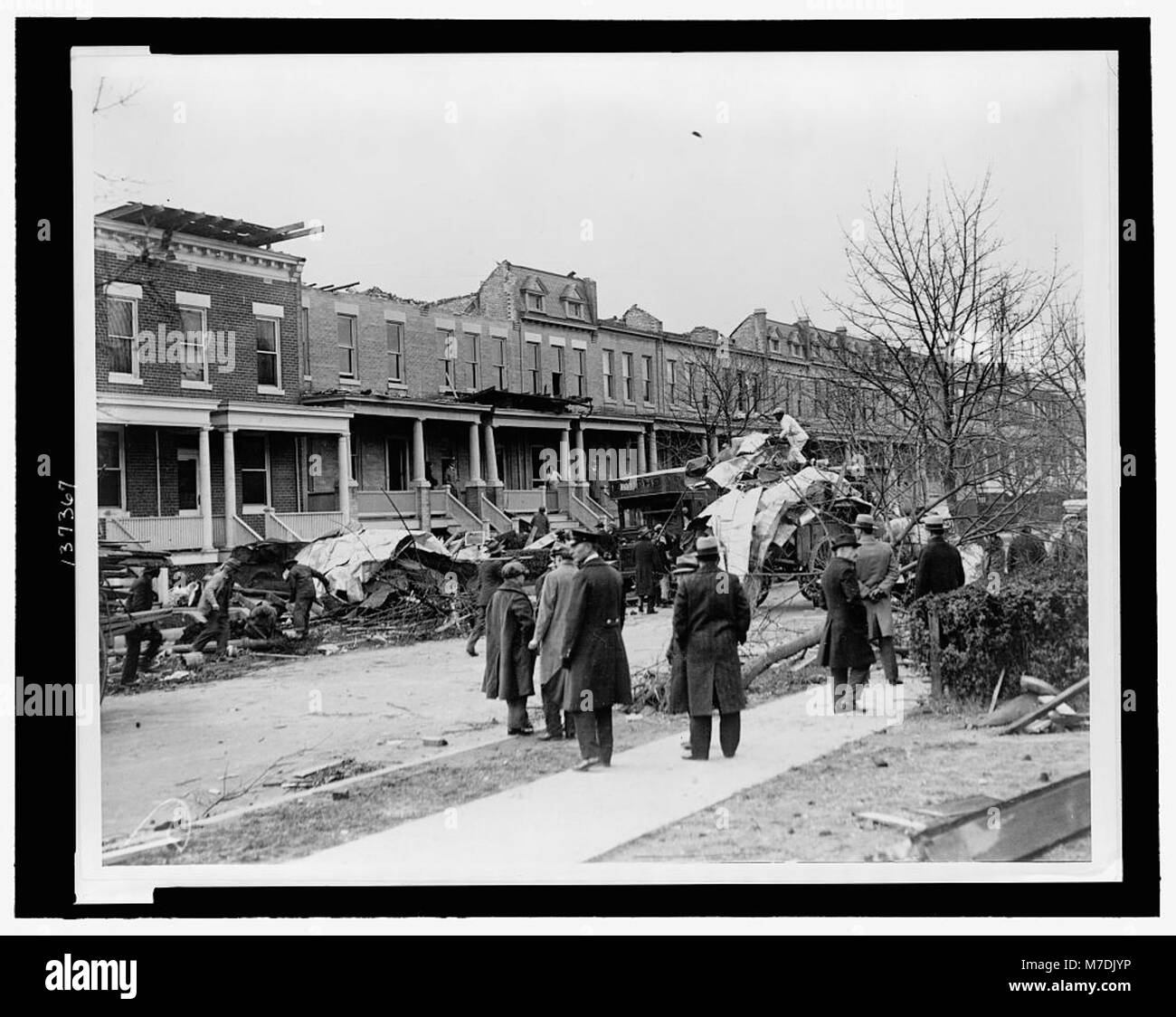
On May 9, 1927, a devastating F4 tornado struck Poplar Bluff, Missouri, killing at least 83 people, injuring more than 300, and destroying over 40 city blocks. The violent storm flattened the downtown business district in minutes, standing as one of the deadliest single tornadoes in Missouri history and fundamentally reshaping the city's urban planning and emergency response systems.
Atmospheric Context of the May 1927 Tornado Outbreak
The tornado that hit Poplar Bluff was not an isolated incident, but part of a violent, multi-day severe weather outbreak that swept across the central and southern United States in early May 1927. During this period, warm, moist air migrating north from the Gulf of Mexico collided with a intense cold front moving eastward from the Great Plains. This setup created high atmospheric instability, deep vertical wind shear, and severe supercell thunderstorms capable of producing long-track, high-intensity tornadoes across the Midwest and Mississippi Valley.
In 1927, atmospheric science and warning capabilities were severely limited compared to modern standards. The U.S. Weather Bureau (now the National Weather Service) maintained a strict policy prohibiting the use of the word "tornado" in public forecasts. Officials feared that issuing tornado warnings would cause widespread panic among residents. Consequently, forecasting relied on basic surface barometers, temperature observations, and visual sky monitoring. Residents of Butler County had virtually no advance warning before the violent funnel touched down.
- 1927 Synoptic Weather Conditions (Simplified)
- Cold, Dry Air Mass (Great Plains Front) collided over Central US with Maritime Tropical Air (Gulf Mexico)
- Extreme Supercell Instability
- Outbreak of May 9, 1927 Severe Storms
The storm system produced multiple tornadic funnels across parts of Missouri, Arkansas, Illinois, and Indiana. However, the track that passed through Poplar Bluff proved to be the most catastrophic of the entire outbreak in terms of concentrated localized destruction and loss of life within a single municipality.
Path of Destruction: Minute-by-Minute Impact on Poplar Bluff
Shortly after 3:00 PM on Monday, May 9, 1927, conditions in Poplar Bluff deteriorated rapidly. Witnesses reported an ominous green-black cloud layer accompanied by heavy rain and hail. At approximately 3:15 PM, a large, multi-vortex tornado touched down southwest of the town in rural Butler County and tracked rapidly northeast directly toward the densely populated city center.
- SW Rural Butler County (Touchdown)
- Residential Outskirts (Initial Damage)
- Downtown Commercial District (Core F4 Destruction)
- NE Residential & Exit (Dissipation)
As the storm crossed into the municipality, it expanded to a width of several hundred yards. The violent vortex cut a swath directly across the heart of Poplar Bluff's commercial and civic infrastructure:
- Initial Residential Impact: The tornado ripped through residential neighborhoods on the southwest side of town, splintering frame homes and unroofing structures along its path.
- Downtown Core Strike: The tornado slammed into the main business district, concentrating extreme wind forces along Main, Vine, and Fifth Streets. Multi-story brick structures, retail stores, banks, hotels, and theaters collapsed under atmospheric pressure drops and violent wind loading.
- Infrastructure Collapse: High winds dismantled utility poles, severed telegraph and telephone wires, ruptured municipal water mains, and ruptured gas lines, triggering localized fires across the debris fields.
- Exit and Dissipation: Continuing northeast, the storm tore through additional residential sectors before lifting in rural land beyond the city limits, leaving behind a 40-block corridor of complete devastation.
The entire event lasted only a few minutes, yet it destroyed over 800 structures and damaged hundreds more, leaving thousands of residents homeless before nightfall.
Human Impact, Mortality, and Early Emergency Relief Efforts
The immediate aftermath of the tornado presented an overwhelming humanitarian crisis. The violent collapses of commercial brick buildings trapped workers, shoppers, and downtown pedestrians beneath tons of masonry and heavy timber. Initial estimates recorded 83 confirmed fatalities in Poplar Bluff and immediate surrounding areas, though historical assessments suggest the final death toll reached between 83 and 98 when accounting for victims who later succumbed to severe injuries. Over 300 individuals suffered traumatic injuries requiring urgent medical care.
| 1927 Disaster Response Triage | Action / Description |
|---|---|
| 1. Immediate Search & Rescue | Citizens dig through collapsed brick. |
| 2. Temporary Hospitals | Set up in churches, schools, & train cars. |
| 3. Regional Relief Transport | Medical trains dispatched from St. Louis. |
| 4. Long-Term Recovery Support | Managed by the American Red Cross. |
Emergency response was hindered by severe logistical obstacles:
- Severed Communications: The destruction of local telephone and telegraph infrastructure isolated Poplar Bluff from neighboring cities, delaying requests for regional medical assistance.
- Concurrent Regional Flooding: The disaster occurred during the Great Mississippi Flood of 1927. Heavy regional rainfall and flooded roads made overland access into southeast Missouri extremely difficult, limiting transportation routes.
- Overwhelmed Local Facilities: Local medical facilities were damaged or quickly saturated with casualty loads. Temporary emergency hospitals were established in surviving public buildings, churches, and passenger rail cars.
Once word of the disaster reached external authorities, relief trains carrying doctors, nurses, supplies, and National Guard personnel were dispatched from St. Louis and nearby regions. The American Red Cross established a major relief headquarters in Poplar Bluff, organizing field kitchens, temporary shelters, medical triage centers, and financial assistance programs for displaced families.
Key Data: 1927 Poplar Bluff Tornado Metrics and Comparisons
To understand the scale of the 1927 storm relative to other major tornado disasters in Missouri history, the following table details the key statistical parameters of the Poplar Bluff event compared alongside other significant Missouri tornadoes.
| Event / Parameter | 1927 Poplar Bluff Tornado | 1925 Tri-State Tornado (MO Portion) | 1957 Ruskin Heights Tornado | 2011 Joplin Tornado |
|---|---|---|---|---|
| Date | May 9, 1927 | March 18, 1925 | May 20, 1957 | May 22, 2011 |
| Estimated Rating | F4 (Fujita Scale) | F5 (Fujita Scale) | F4 (Fujita Scale) | EF5 (Enhanced Fujita) |
| Direct Fatalities | 83 - 98 | 11 (MO total: 11; overall 695) | 44 | 158 |
| Injuries | 300+ | 200+ (in MO) | 531 | 1,150+ |
| Blocks Destroyed | 40+ blocks | Multiple towns impacted | Substantial urban corridor | 3,000+ structures |
| Economic Damage (Unadjusted) | ~$4.0 Million (1927 USD) | ~$16.5 Million (1925 overall) | ~$25.0 Million (1957 USD) | ~$2.8 Billion (2011 USD) |
| Primary Structural Failure | Unreinforced brick masonry | Timber frame & early masonry | Suburbs & wood frame homes | Modern commercial & residential |
(Data source historical records compiled from the National Weather Service archives and Historical Society reports).
Economic and Architectural Reconstruction of the City
The destruction of Poplar Bluff's central core forced local leaders, business owners, and citizens to undertake an extensive rebuilding process during the late 1920s. Reconstruction fundamentally altered the city's architectural character and layout.
Prior to 1927, much of downtown Poplar Bluff consisted of 19th-century unreinforced brick and timber structures. These buildings lacked structural tie-downs, lateral reinforcement, or load-bearing concrete frames, leaving them highly vulnerable to sudden wind shear and violent pressure fluctuations.
- 19th-Century Unreinforced Masonry (Pre-1927)
- Tornado Strike
- Near-Total Structural Collapse & Fire Hazards
- Rebuilding Era: 1927–1930
- Reinforced Brick, Cast Concrete & Updated Building Codes (Post-1927)
During the reconstruction effort between 1927 and 1930, several key changes were adopted:
- Modern Construction Materials: Rebuilt commercial structures incorporated poured concrete foundations, steel reinforcement beams, and thicker load-bearing brick walls designed to resist high wind forces.
- Architectural Standardizations: Prominent local architects designed resilient commercial buildings featuring Art Deco and late Classical Revival influences, giving downtown Poplar Bluff a distinctive late-1920s appearance that remains visible today.
- Public Infrastructure Upgrades: Municipal authorities modernised water, electrical, and gas distribution networks, embedding safety shutoffs to reduce post-disaster fire risks during severe weather events.
Despite the economic hardship imposed by the tornado—followed shortly by the onset of the Great Depression in late 1929—Poplar Bluff managed to fully restore its commercial core, establishing itself as a regional economic hub for southeast Missouri.
Long-Term Legacy, Historical Memory, and Modern Preparedness
The 1927 Poplar Bluff tornado left a lasting mark on severe weather policy, community history, and disaster response protocols across the Midwest.
Evolution of Meteorological Policy and Severe Weather Warnings
The heavy loss of life in events like the 1927 Poplar Bluff storm and the 1925 Tri-State tornado exposed severe flaws in public communication. The U.S. Weather Bureau eventually revoked its prohibition on tornado forecasts in 1950, paving the way for modern severe thunderstorm warnings, Doppler radar networks, and automated emergency notification systems.
Community Memorialization and Historical Preservation
Poplar Bluff preserves the memory of May 9, 1927 through local exhibits, historical markers, and archives maintained by the Butler County Historical Society. Photographs, artifacts, and eye-witness accounts documented after the event provide researchers with valuable data regarding early structural failures during violent tornadic activity.
- Modern Severe Weather Checklist
- Dual-Source Warning Alert Systems (NOAA Radio + Mobile Push Alerts)
- Pre-Identified Safe Shelter (Basement, Storm Shelter, Interior Room)
- Disaster Supply Kit (Water, First Aid, Flashlight, Battery Radio)
- Documented Family Communication & Evacuation Plan
Actionable Takeaways for Modern Disaster Preparedness
The lessons learned from historic tornado events remain relevant for municipal planners, homebuilders, and residents living in tornado-prone areas:
- Structural Integrity: Property owners in high-risk zones should evaluate structural tie-downs (such as hurricane straps) and consider installing certified safe rooms or storm shelters adhering to FEMA specifications.
- Redundant Warning Systems: Communities must avoid relying on a single warning channel. Utilizing severe weather radios, local mobile alerts, and outdoor sirens ensures notification even during power grid failures.
- Emergency Response Readiness: Local governments must maintain cross-jurisdictional emergency management plans that account for concurrent natural disasters, such as combined flooding and severe wind events.
Frequently Asked Questions
What was the Fujita scale rating of the 1927 Poplar Bluff tornado?
The 1927 Poplar Bluff tornado was retroactively assigned an F4 rating on the Fujita scale by meteorologist Dr. T. Theodore Fujita and severe weather expert Thomas P. Grazulis. This rating indicates estimated wind speeds between 207 mph and 260 mph based on the severity of damage to well-constructed brick buildings and structural devastation across downtown Poplar Bluff.
How many people died in the 1927 Poplar Bluff tornado?
Official historical records account for 83 to 98 fatalities resulting directly from the storm and its immediate aftermath. More than 300 individuals sustained injuries, making it one of the top five deadliest single tornadoes recorded in Missouri history.
Did the Great Mississippi Flood of 1927 impact emergency response in Poplar Bluff?
Yes. The storm occurred during the peak of the Great Mississippi Flood of 1927. High waters and saturated terrain across southeast Missouri and northeast Arkansas severely damaged regional road and rail networks, slowing the arrival of out-of-town medical teams, emergency supplies, and relief equipment.
Why was there no official weather warning before the tornado struck?
In 1927, the U.S. Weather Bureau maintained an official policy banning the word "tornado" in public weather forecasts due to concerns that warnings would spark mass panic. Additionally, modern forecasting technology—such as radar, satellite imagery, and computer modeling—did not exist. Residents relied solely on visual observations and localized drops in barometric pressure.
How did the tornado change the building architecture in Poplar Bluff?
Following the destruction of over 40 city blocks, rebuilding efforts abandoned simple unreinforced brick construction in favor of reinforced concrete, structural steel frames, and modernized masonry standards. Many of the commercial buildings constructed between 1927 and 1930 exhibit classic late-1920s Art Deco and Classical Revival styles, defining the modern historic downtown district.
Preserving History and Building Resilient Communities
Studying severe historical events like the 1927 Poplar Bluff tornado provides critical context for modern emergency management, architectural engineering, and severe weather research. Local historians, researchers, and visitors interested in examining the impact of this event can explore primary historical materials, archived newspaper collections, and photographic records at the Butler County Historical Society museum in Poplar Bluff, Missouri.
For residents living in severe-weather-prone regions, applying historical lessons to contemporary living involves maintaining an updated family emergency plan, installing certified weather warning devices, and supporting local municipal investments in resilient public infrastructure and storm-shelter capacity.