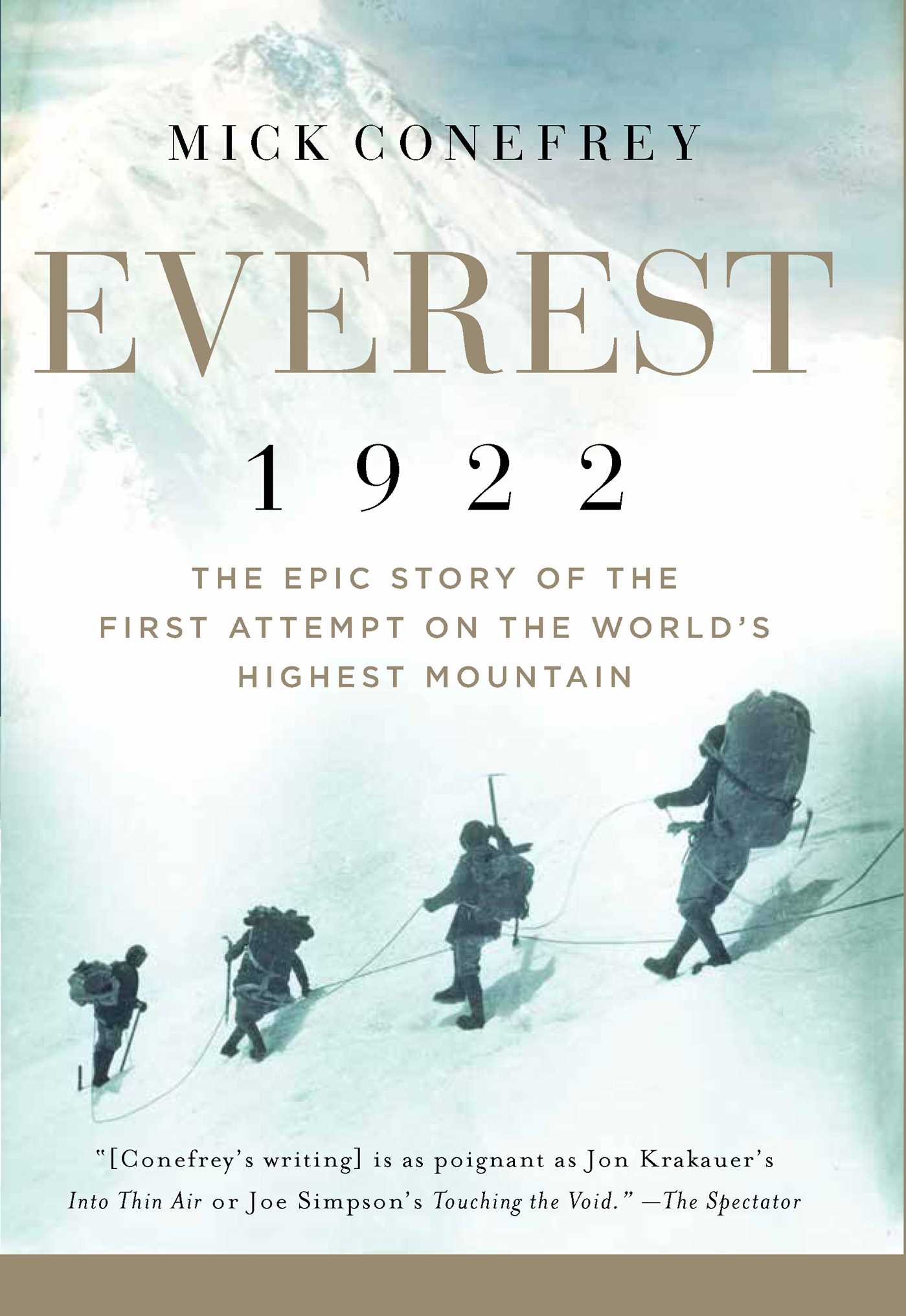
The 1922 British Mount Everest expedition was the first formal mountaineering attempt in history to climb the summit of Mount Everest. Led by Brigadier-General Charles Bruce and featuring prominent climbers like George Mallory and George Finch, the expedition pioneered high-altitude logistics, set consecutive world altitude records, introduced supplemental oxygen to mountaineering, and tragically suffered Everest’s first recorded fatalities.
Background and Objectives of the 1922 Everest Expedition
Following the 1921 British Reconnaissance Expedition, which mapped the northern approaches to Mount Everest and identified a viable route via the North Col, the Mount Everest Committee organized a full climbing expedition for the spring of 1922. Formed jointly by the Royal Geographical Society and the Alpine Club, the committee aimed to put a human being on the summit of the world's highest peak (8,848 meters / 29,029 feet).
During the early 1920s, the Kingdom of Nepal was closed to foreign travelers, forcing European explorers to approach Everest through Tibet. Permission was granted by the 13th Dalai Lama, allowing the expedition to march hundreds of miles across the high-altitude Tibetan Plateau from Darjeeling, India, to the north side of the mountain.
The primary objective was simple in concept but formidable in execution: establish a series of high-altitude camps along the East Rongbuk Glacier and up the steep ice wall of the North Col, then launch small teams along the windswept North Ridge toward the summit.
- Darjeeling
- Chumbi Valley
- Tibetan Plateau
- Rongbuk Glacier
- North Col
- North Ridge
- Summit Attempt
Team Composition and Key Figures
The 1922 expedition brought together an elite group of British military officers, alpine climbers, scientists, and local high-altitude porters. The team dynamics reflected both traditional Victorian exploration ideals and early 20th-century technical innovations.
- Brigadier-General Charles G. Bruce (Expedition Leader): A seasoned military officer with decades of experience in the Himalayas. Fluent in Nepali and deeply respected by local porters, Bruce provided organizational leadership and high morale.
- Edward L. Strutt (Deputy Leader): A traditionalist climber from the Alpine Club who served as senior mountaineering advisor.
- George Herbert Leigh Mallory: The lead climber from the 1921 reconnaissance expedition. Mallory was renowned for his extraordinary technical climbing speed and physical endurance.
- George Ingle Finch: An Australian-born chemist and skilled alpine climber. Finch was an early proponent of industrial apparatus in high-altitude environments, managing the expedition's supplemental oxygen systems.
- Edward "Teddy" F. Norton: A skilled climber and artillery officer whose stamina at extreme altitudes proved vital during non-oxygen summit bids.
- Howard Somervell: A surgeon and talented mountaineer who contributed both medical expertise and strong climbing ability.
- Geoffrey Bruce: Cousin to Charles Bruce, an army officer who had no previous alpine experience but adapted remarkably well to extreme altitude.
- Captain John Noel: Official photographer and filmmaker, whose hand-cranked cameras documented the expedition for public audiences worldwide.
- The Himalayan Porters and Sherpas: A cadre of local men recruited from Nepal, Tibet, and Sikkim. Recognized for their fortitude, these men carried food, fuel, and tents up vertical ice fields without modern cold-weather garments.
Technological Innovations: The Great Oxygen Controversy
One of the most consequential aspects of the 1922 expedition was the operational debate surrounding supplemental oxygen. In the 1920s, high-altitude physiology was poorly understood, and the mountaineering establishment was sharply divided over whether artificial oxygen should be used.
The Traditionalist vs. Scientific View
Traditionalists within the Alpine Club argued that using bottled oxygen was unsporting and un-British, viewing it as an artificial aid that diminished the purity of the sport. Conversely, scientists and forward-thinking climbers like George Finch argued that above 7,500 meters, human biology experienced severe hypoxia, slowing physical movement and impairing judgment.
- Traditionalist View: "Unsporting aid; relies on heavy machinery."
- Scientific View: "Physiological necessity; counters fatal hypoxia."
Technical Design of the 1922 Oxygen Gear
Finch overhauled the primitive open-circuit oxygen units designed for the expedition. The gear consisted of heavy steel cylinders mounted to a rigid iron frame, connected via rubber tubing to a valve unit held between the climber's teeth or attached to a basic face mask.
- Total Weight: Approximately 32 pounds (14.5 kg) per unit.
- Capacity: Roughly 4 hours of continuous gas flow per cylinder set.
- Operational Limitations: Leaky glass flowmeters, prone to freezing valves, and fragile solder joints.
Despite its weight and mechanical vulnerability, the system proved transformational. Climbers using oxygen maintained higher core body temperatures, slept more comfortably at Camp V, and moved significantly faster over mixed rock and snow terrain than those climbing without it.
Summit Attempts and Altitude Records
The expedition launched two distinct, record-breaking summit attempts from the North Col in May 1922, followed by a tragic third attempt in early June.
First Attempt: Non-Oxygen Bid (May 20–21, 1922)
On May 20, George Mallory, Edward Norton, Howard Somervell, and Henry Morshead set out from Camp V (7,620 m / 25,000 ft) without artificial oxygen. Morshead was forced to stop early due to severe cold and exhaustion.
Mallory, Norton, and Somervell pressed upward across the North Ridge in freezing winds. At 2:30 PM on May 21, the trio reached an altitude of 8,225 meters (26,980 feet) before turning back due to late hours and physical depletion. This was the first time in human history that a person had climbed higher than 8,000 meters (26,247 feet).
The descent turned hazardous when Morshead collapsed from exhaustion, requiring the team to perform a difficult high-altitude belay rescue. All four climbers suffered frostbite, with Morshead eventually losing several fingers.
Second Attempt: Supplemental Oxygen Bid (May 25–27, 1922)
On May 25, George Finch and Geoffrey Bruce, accompanied by Gurkha officer Tejbir Bura, launched the second attempt using oxygen apparatuses. Weather conditions were brutal, trapping the team inside Camp V for two nights amid gale-force winds.
On May 27, Finch and Bruce pushed above the North Ridge onto the exposed North Face. Tejbir Bura collapsed from exhaustion at 7,920 meters and returned to camp. Finch and Bruce continued upward, reaching an altitude of 8,326 meters (27,300 feet)—setting a new world altitude record.
Near their highest point, Geoffrey Bruce’s oxygen equipment ruptured when a valve broke. Finch quickly repaired the unit using spare parts and tape, preventing a life-threatening failure. Depleted of gas and facing impending weather, the pair executed a safe retreat to Camp IV.
Summary of 1922 Climbing Achievements
The following table summarizes the primary high-altitude climbs conducted during the 1922 expedition:
| Attempt / Phase | Key Climbers Involved | Oxygen Equipment Used? | Maximum Altitude Reached | Historical Significance & Outcome |
|---|---|---|---|---|
| First Attempt | George Mallory, Edward Norton, Howard Somervell, Henry Morshead | No | 8,225 m (26,980 ft) | First human ascent above 8,000 meters; established non-oxygen altitude record. |
| Second Attempt | George Finch, Geoffrey Bruce, Tejbir Bura | Yes | 8,326 m (27,300 ft) | World altitude record; demonstrated the physiological viability of bottled oxygen. |
| Third Attempt | George Mallory, Howard Somervell, Colin Crawford, Arthur Wakefield | No | ~6,800 m (22,300 ft) | Ended in tragedy below the North Col due to a massive wind-slab avalanche. |
The North Col Avalanche Disaster
Determined to make one final push before the summer monsoon arrived, Mallory organized a third summit attempt in early June 1922. The decision remains one of the most heavily scrutinized choices in mountaineering history.
Context and Environmental Factors
By early June, the warm, moisture-laden air of the Indian monsoon had reached the Himalayas, depositing heavy snowfall on the steep slopes of Mount Everest. Fresh, unbonded snow accumulating on top of hard ice creates ideal conditions for wind-slab avalanches—a hazard poorly understood by early European alpine climbers.
The Events of June 7, 1922
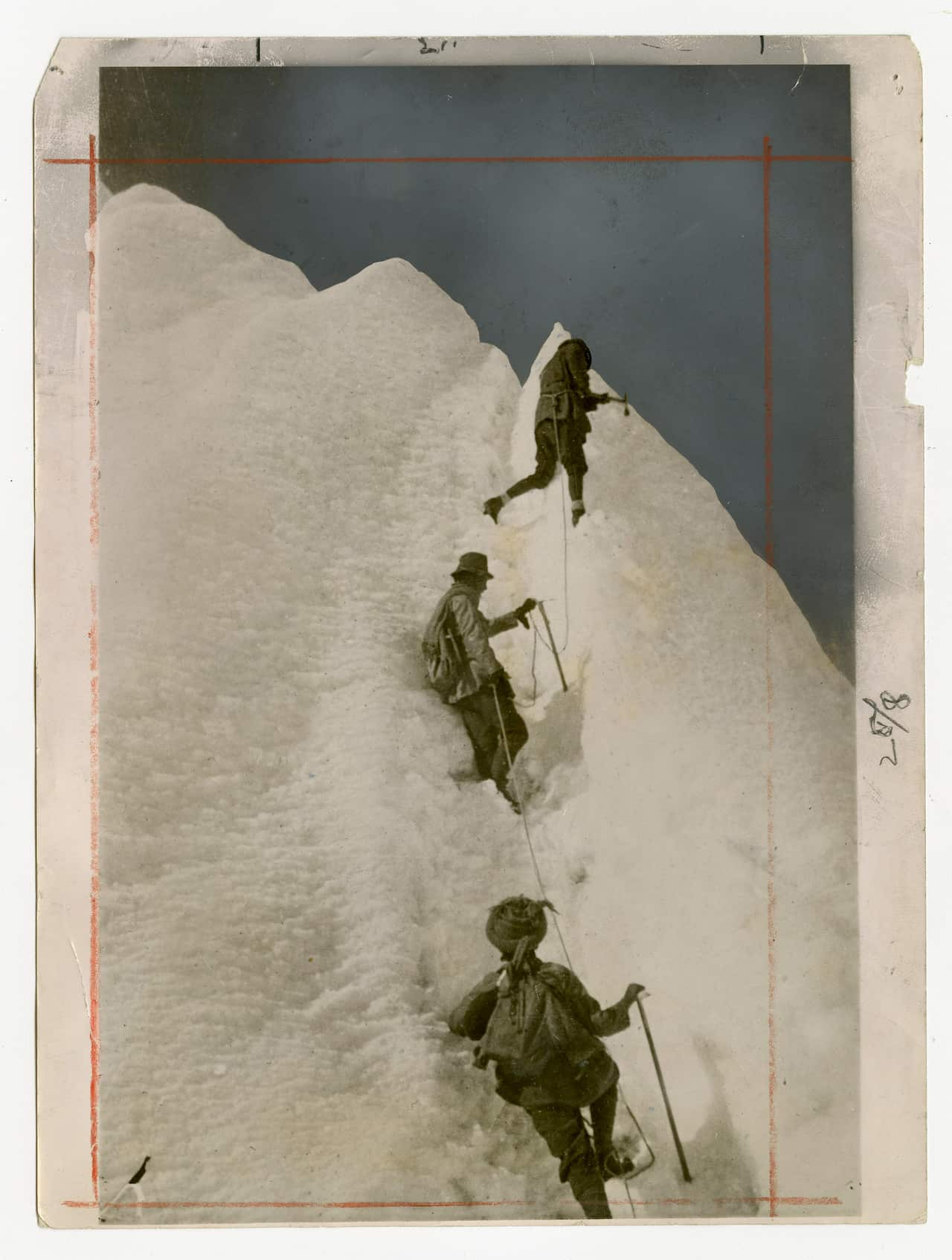
On the morning of June 7, a party of four British climbers (Mallory, Somervell, Crawford, and Wakefield) along with 16 Sherpa porters were ascending the 300-meter ice wall leading up to the North Col (Camp IV). The group was split into rope teams, treading through knee-deep fresh snow.
At approximately 1:30 PM, a massive snowpack fractured above the climbing line, triggering a avalanche. The moving sheet of snow swept the lead climbers and porters down the slope, burying several men in deep crevasses at the base of the wall.
- Fresh Monsoonal Snowfall
- Unbonded Layer Fractures
- Avalanche sweeps rope teams into crevasses at base of North Col
Casualties and Immediate Aftermath
While the European climbers survived with minor injuries, seven Sherpa porters lost their lives:
- Lhakpa
- Pasang
- Namgya
- Pemba
- Tshering
- Sangay
- Pema
This event marked the first recorded deaths in the history of Everest climbing. Deeply shaken by the loss of their crew members, Charles Bruce and Mallory immediately canceled the remainder of the expedition.
Historical Impact and Lessons for Modern High-Altitude Mountaineering
The 1922 expedition fundamentally reshaped human understanding of extreme high-altitude exploration. Its achievements and mistakes set the baseline for modern Himalayan mountaineering tactics.
Validation of Supplemental Oxygen
George Finch’s successful ascent to 8,326 meters proved that supplemental oxygen was not merely a backup safety device, but a critical tool for survival and speed in the "death zone" (altitudes above 8,000 meters). Today, over 95% of climbers who summit Everest utilize modern open-circuit oxygen systems built on the principles pioneered by Finch in 1922.
Establishment of the Northern Route Strategy
The expedition established the standard siege-style tactical approach used for decades:
- Establish a base camp on the glacier.
- Set up intermediate camps along the mountain face.
- Ferry supplies using high-altitude porters.
- Position summit teams at a high camp (above 7,900 m) for a final 24-hour sprint.
Ethical Shifts and Porter Safety
The tragic avalanche of June 7 highlighted the severe risks borne by local Sherpas and porters. In the decades following 1922, mountaineering organizations implemented improved safety protocols, better high-altitude clothing, hazard assessments, and formal compensation frameworks for local workers—a focus that remains central to Everest expeditions today.
How to Study and Research 1922 Everest History
For historians, students, and mountaineering enthusiasts looking to explore the primary records of the 1922 expedition, several archival resources provide direct historical evidence:
- Read Contemporary Publications: Examine C.G. Bruce’s official record, The Assault on Mount Everest 1922, which provides detailed accounts of logistical planning, gear lists, and field diaries.
- Review Archival Media: Watch Captain John Noel’s original documentary film, Climbing Mount Everest (1922), preserved by the British Film Institute (BFI), which contains footage of Finch, Mallory, and the North Col landscape.
- Consult Organizational Archives: Explore digitized records held by the Royal Geographical Society and the Alpine Club, which contain original route maps, photographs, and hand-written letters from Mallory and Bruce.
Frequently Asked Questions
Who reached the highest point during the 1922 Everest expedition?
George Finch and Geoffrey Bruce reached the highest point of the expedition on May 27, 1922, attaining an altitude of 8,326 meters (27,300 feet) on the North Face using supplemental oxygen.
Why was supplemental oxygen so controversial in 1922?
Supplemental oxygen was controversial because traditionalist climbers viewed artificial gas as an un-sporting aid that violated traditional alpine ethics. Additionally, early equipment was heavy, unreliable, and prone to mechanical freezing at extreme cold temperatures.
How many people died during the 1922 Everest expedition?
Seven Sherpa porters (Lhakpa, Pasang, Namgya, Pemba, Tshering, Sangay, and Pema) died on June 7, 1922, when an avalanche swept their climbing party down the slopes beneath the North Col.
Why did the 1922 expedition approach Everest from Tibet instead of Nepal?
During the 1920s, the Kingdom of Nepal was closed to foreign travelers and explorers. The expedition had to obtain permission from the Dalai Lama to enter Tibet and approach the mountain from the north side via the Rongbuk Glacier.
Did George Mallory use oxygen during his 1922 summit attempts?
George Mallory did not use oxygen during his record-setting climb on May 21, 1922, reaching 8,225 meters without it. Although initially skeptical of oxygen, Mallory later recognized its value following Finch's success.