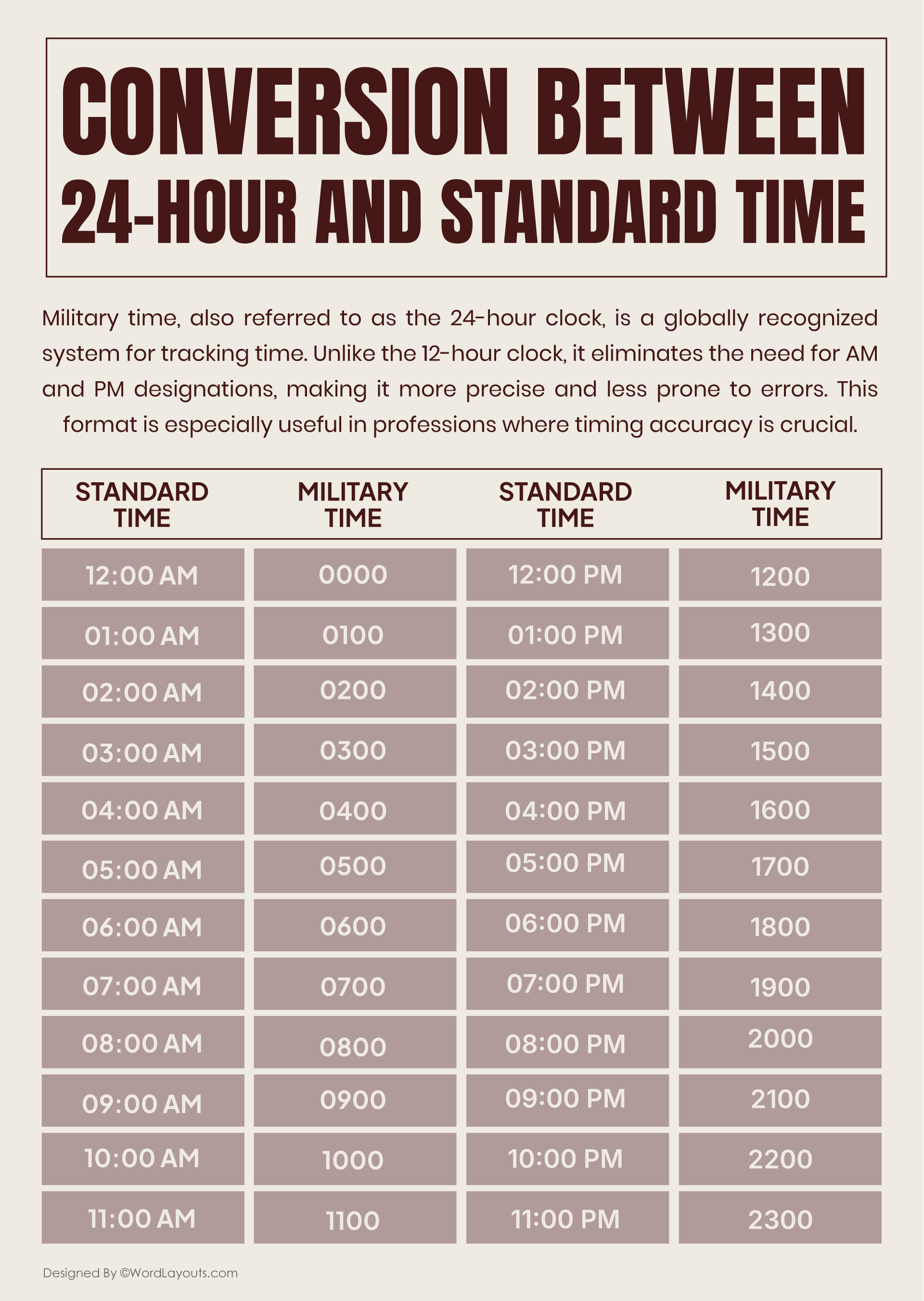
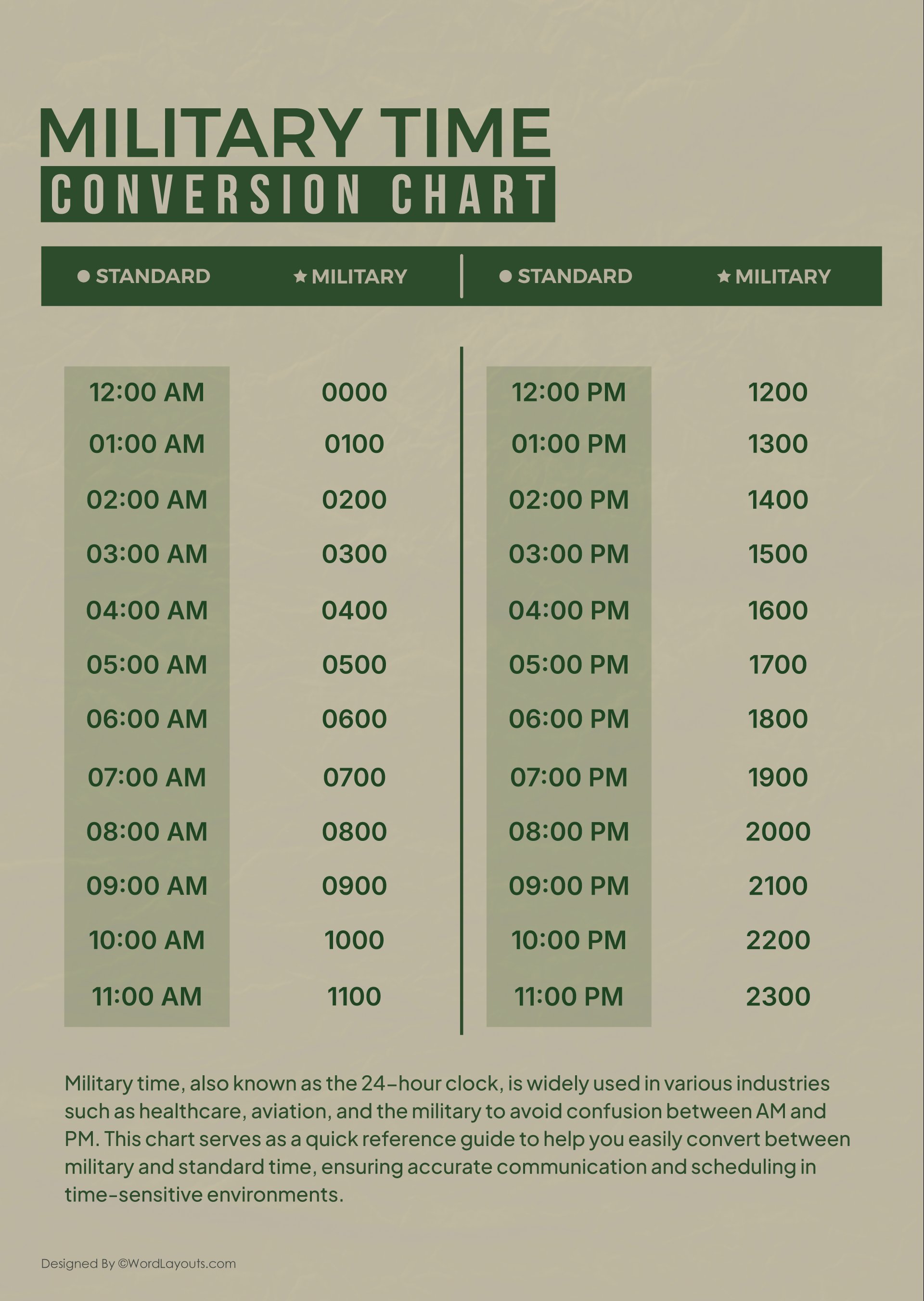
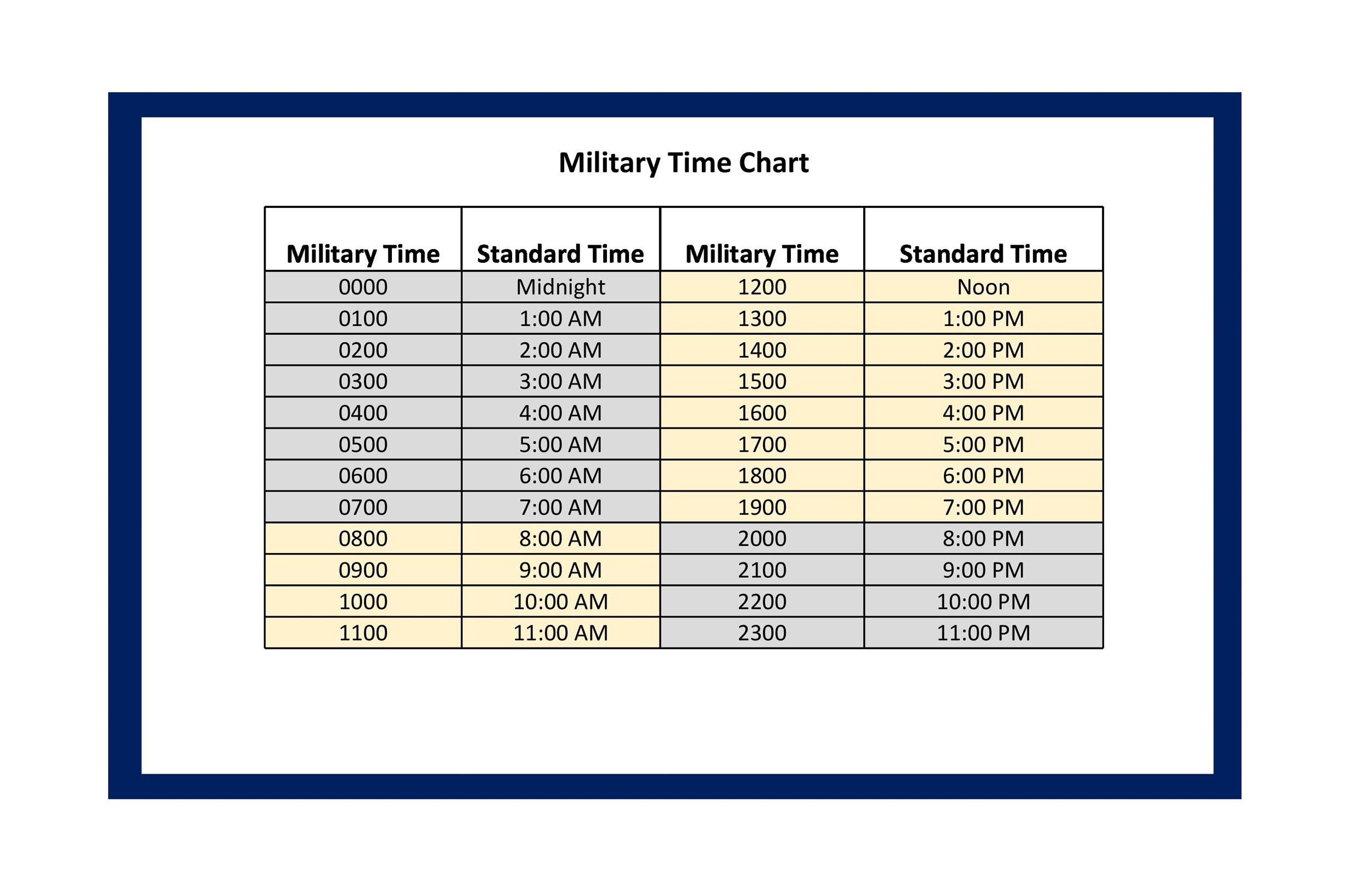
In standard 12-hour time, 1826 military time converts to 6:26 PM. To calculate this value, subtract 12 hours from the hour portion of the military timestamp (18 minus 12 equals 6) and retain the exact minute value (26). Because the original hour designation is 18—which is greater than 12—the time falls in the evening, designated as PM.
Step-by-Step Mathematical Method to Convert 1826 Military Time
Converting military time into a standard 12-hour format relies on a straightforward arithmetic rule based on whether the hour value is greater than, equal to, or less than 12. Understanding this step-by-step process allows you to convert any four-digit military timestamp instantly without relying on a calculator or digital lookup tool.
Military time expresses hours and minutes as a single four-digit block ranging from 0000 (midnight) to 2359 (11:59 PM). The first two digits represent the hour of the day (from 00 to 23), while the final two digits represent the elapsed minutes within that hour (from 00 to 59).
1826 Military Time Breakdown:
- [18]
- Hours (18th hour of the 24-hour cycle)
- [26]
- Minutes (26 minutes past the hour)
To convert 1826 to standard 12-hour time, follow these three steps:
- Isolate the hour and minute components: Separate the four-digit string
1826into18(hours) and26(minutes). - Evaluate the hour against 12: Compare the hour number (
18) against the 12-hour threshold. Because18is strictly greater than 12, the time occurs during the afternoon or evening. - Perform the subtraction and assign the meridian indicator: Subtract 12 from the hour component:
$$\text{18} - \text{12} = \text{6}$$
Combine this resulting hour (
6) with the original minute digits (26), separate them with a colon, and append the PM suffix to indicate post-meridiem.
This mathematical procedure yields 6:26 PM. The minute portion never changes during conversion between 12-hour, 24-hour, or military formats because all standard timekeeping systems utilize identical 60-minute hourly divisions.
Understanding the Difference Between Military Time, 24-Hour Time, and Standard Time
While many people use the terms "military time" and "24-hour time" interchangeably, subtle formatting standards and operational rules distinguish military time, international 24-hour time, and standard 12-hour time.
| Format | Details |
|---|---|
| Military Format: 1826 | (No colon, leading zero, "hours") |
| 24-Hour Format: 18:26 | (Colon separator, ISO 8601 standard) |
| Standard Format: 6:26 PM | (12-hour cycle, colon, AM/PM suffix) |
Military Time Format
Military time is the standard timekeeping format mandated by armed forces worldwide, including the United States Department of Defense. It operates on a continuous 24-hour cycle beginning at midnight (0000) and ending at 2359. Key structural characteristics include:
- No Colons: Hours and minutes are written together without punctuation (e.g.,
1826, not18:26). - Leading Zeros: Morning hours always feature a leading zero to maintain a strict four-digit length (e.g., 6:26 AM is written as
0626). - Spoken Pronunciation: Military time is pronounced using whole numbers for hours and minutes, often followed by the word "hours." For instance,
1826is spoken as "eighteen twenty-six hours" or "eighteen twenty-six." - Time Zone Designators: In tactical or aviation contexts, military time frequently attaches a single-letter suffix to indicate the applicable time zone. For example,
1826Zsignifies 1826 hours UTC (Zulu time).
24-Hour Time Format
The standard 24-hour clock format is defined under international standards such as ISO 8601. Widely utilized in commercial aviation, logistics, transportation systems, and computing across Europe and Asia, 24-hour time differs from military notation primarily through formatting:
- Colon Separators: Hours and minutes are divided by a colon (e.g.,
18:26). - Contextual Pronunciation: Spoken as standard times or "eighteen twenty-six," usually omitting the term "hours."
- Midnight Representation: Midnight is typically represented as
00:00. In some operational logistics contexts,24:00is used to mark the exact end of a day.
Standard 12-Hour Time Format
Standard 12-hour time divides the 24-hour day into two distinct 12-hour periods: Ante Meridiem (AM), which runs from midnight to 11:59 AM, and Post Meridiem (PM), which runs from noon to 11:59 PM.
- Meridiem Dependency: Every time reading requires an explicit AM or PM suffix. Omitting this suffix creates ambiguity; for example, "6:26" could mean early morning or evening.
- Cycle Reset: The clock resets to 1 after reaching 12, creating non-linear numerical transitions (e.g., 11:59 AM advances to 12:00 PM, which then advances to 1:00 PM).
Comprehensive Military Time to Standard Time Reference
To contextualize where 1826 fits within the complete daily time spectrum, the table below maps various key military timestamps to their standard 12-hour equivalents, ISO 24-hour expressions, and formal pronunciations.
| Military Time | 24-Hour Equivalent | Standard 12-Hour Time | Formal Military Pronunciation | Time of Day |
|---|---|---|---|---|
| 0000 | 00:00 | 12:00 AM (Midnight) | "Zero Zero Zero Zero" | Early Morning / Night |
| 0100 | 01:00 | 1:00 AM | "Zero One Hundred Hours" | Early Morning |
| 0626 | 06:26 | 6:26 AM | "Zero Six Twenty-Six Hours" | Morning |
| 0800 | 08:00 | 8:00 AM | "Zero Eight Hundred Hours" | Morning |
| 1200 | 12:00 | 12:00 PM (Noon) | "Twelve Hundred Hours" | Midday |
| 1300 | 13:00 | 1:00 PM | "Thirteen Hundred Hours" | Early Afternoon |
| 1500 | 15:00 | 3:00 PM | "Fifteen Hundred Hours" | Mid-Afternoon |
| 1800 | 18:00 | 6:00 PM | "Eighteen Hundred Hours" | Evening |
| 1826 | 18:26 | 6:26 PM | "Eighteen Twenty-Six Hours" | Evening |
| 1900 | 19:00 | 7:00 PM | "Nineteen Hundred Hours" | Evening |
| 2100 | 21:00 | 9:00 PM | "Twenty-One Hundred Hours" | Night |
| 2359 | 23:59 | 11:59 PM | "Twenty-Three Fifty-Nine" | Late Night |
As demonstrated in the chart, any military time between 1201 and 2359 maps directly to the afternoon and evening hours by subtracting 12 from the hour digits.
Common Pitfalls and Edge Cases in Military Time Conversions
Converting between 24-hour notation and standard 12-hour clocks is straightforward for most afternoon hours like 1826, but specific times of day frequently cause confusion. Avoiding common conversion traps ensures accuracy across military, medical, and aviation environments.
1. The Midnight Confusion (0000 vs. 2400)
Midnight represents the transition point between two calendar dates, leading to potential misinterpretation:
0000(Zero Zero Zero Zero): Represents the absolute start of a new day (12:00 AM).2400(Twenty-Four Hundred): Represents the absolute end of the current day.
While 2400 refers to the exact same physical moment as 0000, military guidelines specify using 0000 to mark the beginning of events on a given date. In standard 12-hour time, both correspond to 12:00 AM.
2. The 12th Hour Transition (1200 to 1259)
A common mathematical mistake is subtracting 12 from timestamps between 1200 and 1259.
1200is 12:00 PM (noon), not 0:00 PM.1226is 12:26 PM, not 0:26 PM.
When converting military times in the 1200 range, keep the hour digit as 12 and assign the PM suffix. Do not subtract 12 unless the hour digit is 13 or higher.
3. Early Morning Hours with Leading Zeros (0001 to 0059)
The first hour of the day in military time uses double zeros for hours:
0026military time translates to 12:26 AM.- To convert hours in the
00range, replace00with12and append AM.
4. Omission of AM/PM Suffixes
In 12-hour formatting, failing to specify AM or PM invalidates the conversion. Converting 1826 simply to "6:26" without indicating PM leaves open the possibility of confusing it with 0626 (6:26 AM).
Practical Applications of 24-Hour and Military Time Systems
The 24-hour military time system exists to remove operational ambiguity. In environments where timing errors can lead to safety hazards, catastrophic miscommunications, or severe financial losses, relying on a 12-hour clock with AM/PM designations presents unnecessary risks.
KEY OPERATIONAL APPLICATIONS
| Field | Primary Use Case |
|---|---|
| Aviation & Aerospace | Universal flight schedules, UTC coordination |
| Healthcare & Medicine | Patient medication logs, surgery scheduling |
| Emergency Services | Incident response logging, dispatch records |
| Global Logistics | Cross-border supply chain tracking |
| Information Technology | Server log synchronization, automated scripts |
Aviation and Maritime Navigation
Flight schedules, air traffic control operations, and maritime navigation depend on unambiguous timekeeping. Pilots and controllers operate across multiple time zones rapidly. By using 24-hour military time paired with Coordinated Universal Time (UTC/Zulu), aviation authorities eliminate confusion over whether a flight lands in the morning or evening. For instance, scheduling a departure at 1826Z ensures all air traffic controllers globally recognize the exact moment of takeoff.
Healthcare and Medical Records
Hospitals and emergency medical services enforce 24-hour time tracking for medical administration records (MARs), surgical logs, and shift changes. If a doctor prescribes a medication dose every 12 hours starting at 6:26, recording 0626 versus 1826 in the electronic health record prevents catastrophic dosage errors that could occur if a handwritten "6:26" were misread as AM instead of PM.
Emergency Services and Law Enforcement
Police, fire, and emergency medical dispatchers log calls and response times using military time formats. Precise record-keeping during critical incidents relies on continuous timestamps. A 911 dispatch record showing an officer arriving at 1826 establishes a clear, chronological legal record for evidentiary purposes.
Enterprise Technology and Global Supply Chains
Software systems, cloud infrastructure, and global logistical networks log events using 24-hour timestamps. Databases record server transactions, backup schedules, and security audits using 24-hour formats (often ISO 8601 strings like 2026-03-31T18:26:00Z). This prevents automated scripts from executing at the wrong time due to AM/PM formatting errors.
Frequently Asked Questions About Military Time Conversion
What is 1826 military time in standard time?
1826 military time is equal to 6:26 PM in standard 12-hour time. To convert it, subtract 12 hours from the hour portion (18 - 12 = 6), keep the minutes as 26, and add the PM indicator.
Is 1826 military time AM or PM?
1826 military time is PM. Any military time timestamp with an hour component of 12 or higher (up to 2359) falls in the afternoon or evening, corresponding to PM hours in the standard 12-hour system.
How do you pronounce 1826 in military time?
In formal military speech, 1826 is pronounced as "Eighteen Twenty-Six Hours" or simply "Eighteen Twenty-Six." Unlike whole-hour markers (such as 1800, pronounced "Eighteen Hundred Hours"), timestamps with non-zero minute values are spoken as two standard two-digit numbers.
What is the difference between 1826 military time and 18:26 24-hour time?
The only primary difference between 1826 military time and 18:26 24-hour time is punctuation. Military format omits the colon separator (1826), whereas standard international 24-hour notation (ISO 8601) includes the colon separator (18:26). Both refer to the exact same moment in time: 6:26 PM.
What standard time is 0826 military time?
0826 military time is equal to 8:26 AM in standard 12-hour time. Because the hour value (08) is less than 12, no subtraction is required, and the time automatically carries the AM designation.
Mastering Quick Mental Calculations for Military Time
If you frequently encounter military time in professional or daily settings, relying on written mathematical steps can slow you down. You can use simple mental math techniques to convert any evening military time to standard time instantly.
The "Minus 2" Mental Shortcut
For any military time between 1300 and 1959 (the 1 PM to 7 PM block), perform this simple mental calculation:
- Focus on the hour digits (e.g.,
18). - Ignore the leading
1and subtract 2 from the second digit. $$\text{8} - \text{2} = \text{6}$$ - The result is your standard PM hour: 6:26 PM.
Mental "Minus 2" Examples:
- 1326
- 3 - 2 = 1
- 1:26 PM
- 1526
- 5 - 2 = 3
- 3:26 PM
- 1826
- 8 - 2 = 6
- 6:26 PM
The "Minus 12" Rule for 2000 and Above
For hours 2000 through 2359, simply subtract 12 from the full hour number:
2026-> $20 - 12 = 8$ -> 8:26 PM2226-> $22 - 12 = 10$ -> 10:26 PM
By internalizing these quick shortcuts—subtracting 2 from the second digit for mid-day hours and subtracting 12 for late-night hours—you can read military time as fluently as standard clock formats. Whenever you see 1826, immediately recognize it as 6:26 PM.