Public safety updates regarding violent incidents along Denver's 16th Street Mall reflect ongoing coordinated efforts between the Denver Police Department (DPD) District 6, Downtown Denver Partnership Safety Ambassadors, and city administrators. While violent events such as assaults or stabbings prompt immediate tactical law enforcement responses and active criminal investigations, long-term safety strategies rely on enhanced video surveillance, high-visibility foot patrols, environmental redesign, and accessible public assistance programs.
Disclaimer: In an active emergency or if you witness a crime in progress, dial 911 immediately. This article provides general public safety analysis, official resource directories, and crime prevention guidance based on public records and municipal security frameworks; it does not constitute formal legal representation or medical advice.
Understanding Recent Safety Incidents and Law Enforcement Protocols
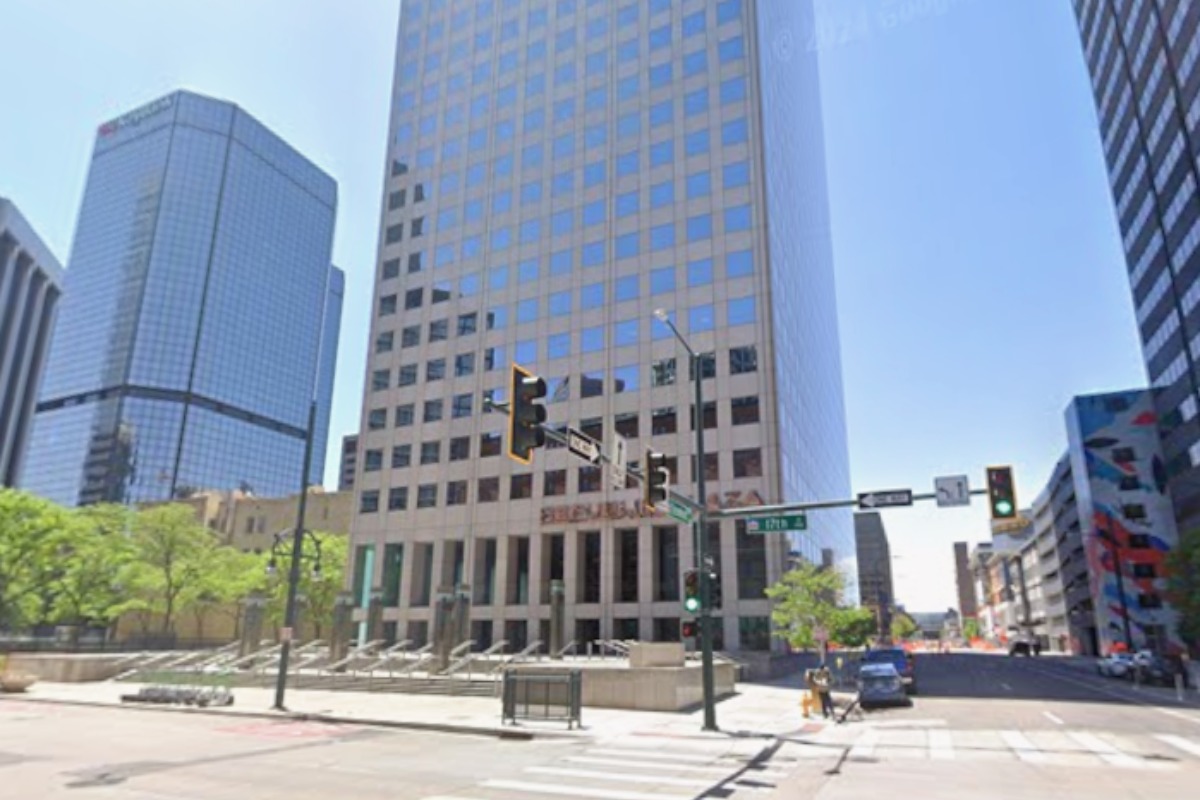
Violent crimes occurring within high-density commercial and transit zones like Downtown Denver’s 16th Street Mall spark urgent concern among residents, office workers, and tourists. When a violent incident—such as an assault, altercation, or stabbing—occurs along the 1.2-mile pedestrian corridor, the Denver Police Department initiates a structured emergency response protocol designed to secure the perimeter, render medical aid, collect physical evidence, and alert nearby transit operators.
During an active scene, DPD officers work alongside Denver Health Paramedics to evaluate and transport victims. Simultaneously, detective units establish crime scene perimeters, often temporarily closing sections of 16th Street between intersecting avenues (such as Arapahoe, Curtis, or Champa Streets). Investigators gather digital evidence from private building security systems and city-operated cameras while canvassing nearby businesses for eyewitness statements.
Official public communications during and after an incident are disseminated through verified channels. DPD typically issues initial alerts via their official social media handles and press releases, detailing the incident block, traffic or pedestrian diversions, suspect descriptions, and public safety advisories. Tracking official updates requires distinguishing between real-time, confirmed statements from law enforcement agencies and unverified reports posted on social media forums.
| Incident Stage | Responsible Agency | Primary Objective | Public Communication Channel |
|---|---|---|---|
| Emergency Response | Denver Police Dept. & Denver Health Paramedics | Victim stabilization, scene containment, suspect apprehension | Emergency broadcasts, DPD Social Media |
| Investigative Phase | DPD Major Crimes Division / Homicide Unit | Evidence processing, witness interviews, video retrieval | Official DPD Press Releases, Crime Stoppers |
| Perimeter Reopening | DPD District 6 Command | Clearing physical hazards, restoring pedestrian flow | Local media alerts, Downtown Denver Partnership |
| Community Follow-Up | City & County of Denver / District Attorney | Filing formal charges, victim assistance, safety briefings | Denver DA Press Office, City Council Briefings |
Current Security Infrastructure and Police Presence in Downtown Denver
Maintaining public safety along the 16th Street Mall involves a multi-layered security framework combining sworn municipal law enforcement, specialized transit police, private security officers, and non-sworn safety ambassadors.
Denver Police Department District 6 Operations
DPD District 6 covers Downtown Denver, Capitol Hill, and surrounding neighborhoods, maintaining a specific focus on the 16th Street commercial core. Law enforcement strategies along the Mall emphasize high-visibility proactive policing, including:
- Foot and Bicycle Patrols: Dedicated officers patrolling on foot and bicycles to navigate pedestrian-only zones quickly and maintain direct contact with business owners and visitors.
- Mounted Patrol Units: Horse-mounted officers deployed during high-foot-traffic hours, special events, and weekends to provide enhanced crowd monitoring and clear visual deterrence.
- HALO Camera Integration: Denver’s High Activity Location Observation (HALO) network consists of high-definition, pan-tilt-zoom cameras monitored by DPD dispatch and analytical teams. These cameras cover key intersections along the 1.6-kilometer strip to detect active altercations and track suspect movements.
Downtown Denver Partnership Safety Ambassadors
Complementing municipal law enforcement, the Downtown Denver Partnership (DDP) operates a dedicated Business Improvement District (BID) Ambassador Program. DDP Safety Ambassadors are easily recognizable in their bright yellow uniforms. While they are not sworn law enforcement officers and do not carry firearms, their daily responsibilities directly strengthen public safety:
- Safety Escorts: Providing free walking escorts for workers, residents, and visitors between businesses, parking garages, and transit stops within the downtown district.
- Welfare Checks and Outreach: Conducting routine wellness checks on vulnerable individuals and coordinating with street outreach teams for housing, mental health, and substance use support services.
- Hospitality and Reporting: Assisting visitors with directions while maintaining direct radio communication with DPD dispatch to report suspicious activities or physical conflicts before they escalate.
Transit Security Integration
Because the 16th Street Mall serves as a central transit spine connected to Denver Union Station and Civic Center Station, safety operations are closely integrated with the Regional Transportation District (RTD) Transit Police. RTD officers and contracted transit security personnel patrol bus centers, light rail platforms, and the Free MallRide shuttle stops to manage transit-related safety concerns.
Environmental Redesign and the 16th Street Mall Renovation
Physical infrastructure plays a fundamental role in mitigating urban crime. The multi-year, multi-million-dollar 16th Street Mall Reconstruction Project was engineered not only to update aging infrastructure and transit corridors but also to embed Crime Prevention Through Environmental Design (CPTED) principles into the streetscape.
CPTED Safety Integration on 16th Street
- Clear Sightlines: Shifted transit lanes create wider, unobstructed pedestrian walkways.
- Enhanced Lighting: Energy-efficient, high-lumen LED fixtures eliminate shadow zones near storefronts.
- Active Storefronts: Encouraging outdoor dining and open retail maximizes natural community surveillance.
- Integrated Technology: Strategic mounting for emergency call boxes and HALO surveillance nodes.
Key environmental improvements designed to boost public safety include:
- Reconfigured Transit Lanes: Moving the Free MallRide shuttle buses to the center of the street creates wider, uniform pedestrian walkways on both sides. This layout reduces congestion, improves pedestrian flow, and eliminates tight bottleneck areas where altercations frequently occurred.
- Upgraded Architectural Lighting: High-efficiency LED lighting fixtures were installed to illuminate shadowed alcoves, building setbacks, and crosswalks. Consistent night illumination increases natural surveillance and assists security cameras in capturing accurate visual detail.
- Optimized Sightlines and Landscaping: Tree canopies and urban greenery are pruned and positioned to prevent visual blockages between retail windows and the street. This layout enables pedestrians and security personnel to scan ahead and identify potential hazards from a distance.
- Enhanced Wayfinding and Emergency Nodes: Integrated signage and emergency contact points allow pedestrians to quickly orient themselves and call for emergency assistance if threatened.
Key Downtown Denver Safety Resources and Contacts
Navigating public safety in Downtown Denver requires knowing which agency to contact based on the nature of the situation. The table below outlines key safety providers, their operational scopes, and direct access points.
| Organization / Department | Scope of Service | Access Method | Hours of Operation | Primary Safety Role |
|---|---|---|---|---|
| Emergency Services | Life-threatening emergencies, crimes in progress, severe medical incidents | Dial 911 | 24/7 / 365 Days | Immediate emergency response and tactical intervention |
| DPD Non-Emergency | Filing post-incident reports, reporting non-violent offenses, requesting police response | Call 720-913-2000 | 24/7 / 365 Days | Non-emergency police dispatch and record filing |
| DDP Safety Ambassadors | Safety escorts, hospitality directions, street-level welfare checks | Call/Text 303-534-6161 | 7:00 AM – 10:00 PM Daily | Pedestrian escorts and community safety assistance |
| Metro Denver Crime Stoppers | Anonymous crime tips, information leading to suspect arrests | Call 720-913-STOP (7867) | 24/7 Anonymous Line | Anonymous tip collecting and reward distribution |
| RTD Transit Security | Safety issues on buses, light rail platforms, and MallRide shuttles | Call 303-299-2911 or Text 303-434-9100 | 24/7 Operations | Public transportation safety and platform patrol |
| Denver Victim Services | Crisis intervention, court accompaniment, crime victim compensation | Call 720-913-9033 | Business Hours (M-F) | Victim support and post-crime legal/financial assistance |
Actionable Personal Safety Strategies for Visitors and Workers
While municipal security measures provide broad protection, adopting proactive personal safety habits minimizes risks when traveling through high-density urban corridors.
Maintaining Situational Awareness
- Minimize Digital Distractions: Avoid wearing noise-canceling headphones or keeping your head down while looking at smartphone screens. Remaining visually and auditorily aware of your surroundings allows you to recognize unusual behavior early.
- Scan Ahead and Keep Distance: Scan the sidewalk half a block ahead. If you observe an escalating argument, disruptive behavior, or an unstable crowd, cross to the opposite side of the street or step into an open retail store.
- Trust Intuitive Signals: If a situation or specific area feels unsafe, act promptly to change your location. Move toward brightly lit areas with active pedestrian foot traffic or enter an open commercial establishment.
Safe Navigation During Evening Hours
- Stick to Well-Lit Main Corridors: Avoid taking shortcuts through unlit alleyways, side streets, or unmonitored parking structures off the main 16th Street strip after dark.
- Utilize Escort Services: If working late or traveling alone to a parking garage or light rail station, contact the Downtown Denver Partnership Safety Ambassadors at 303-534-6161 to request a free walking escort.
- Travel in Groups: When attending evening events, theater shows, or dining downtown, walk with colleagues or friends whenever possible. Group mobility significantly reduces the likelihood of targeted street harassment or violent crime.
Handling De-escalation and Bystander Safety
If an argument or violent dispute breaks out in your immediate vicinity:
- Do Not Intervene Directly: Personal intervention in physical conflicts or weapon-involved incidents carries severe risks. Retreat to a safe distance immediately.
- Seek Secure Shelter: Move inside a hotel lobby, restaurant, or retail store and notify staff or security officers.
- Call 911 with Precise Details: When reporting an incident to emergency dispatchers, provide clear location identifiers (e.g., "16th Street and Tremont Place, outside the hotel entrance"), accurate physical descriptions of involved parties, and whether weapons were visible.
Crime Reporting, Real-Time Alerts, and Victim Assistance
Understanding how to access official information and community support systems ensures you can respond effectively following a public safety event.
Receiving Verified Emergency Alerts
The City and County of Denver utilizes localized emergency notification systems to alert the public during critical incidents, severe weather, or active police operations. Residents and frequent downtown commuters can register for Denver Alert (powered by Smart911) to receive real-time SMS or email notifications regarding police activity, street closures, and emergency evacuations in specific ZIP codes (e.g., 80202 for the core Downtown area).
Reporting Anonymous Tips
Public assistance is frequently essential to solving violent crimes. If you possess information, video footage, or photographic evidence related to a stabbing or assault on the 16th Street Mall, you can submit details anonymously through Metro Denver Crime Stoppers.
- Tips submitted via Crime Stoppers that lead to an arrest and indictment may qualify for cash rewards.
- Reports can be submitted by calling 720-913-7867 or accessing their secure online reporting portal. Tipsters remain completely anonymous throughout the investigation and legal proceedings.
Accessing Crime Victim Services
Victims and witnesses of violent crime in Denver have access to specialized assistance through the Denver District Attorney’s Office Victim Witness Assistance Program and the Denver Police Department Victim Assistance Unit. Available support includes:
- Crisis Counseling: Immediate emotional support and psychological crisis intervention following a traumatic event.
- Financial Compensation: Assistance applying to the Colorado Crime Victim Compensation Fund, which can help cover emergency medical bills, lost wages, and counseling expenses for eligible victims.
- Legal Navigation: Guidance through court proceedings, protective orders, and case status tracking.
Frequently Asked Questions
How safe is the 16th Street Mall for daily visitors and shoppers?
The 16th Street Mall experiences a high volume of foot traffic daily, and the vast majority of visits occur without incident. However, like core business districts in major metropolitan areas, property crimes, verbal altercations, and occasional violent offenses do occur. The combination of Denver Police patrols, Downtown Denver Partnership Ambassadors, extensive camera coverage, and ongoing environmental redesigns maintains a structured security framework throughout the area.
What immediate steps should I take if an active violent incident occurs near me?
Prioritize personal physical safety by immediately creating distance between yourself and the threat. Move into an open, occupied business or secure building lobby. Once safely clear of the immediate hazard, call 911 to report the incident. Provide the dispatcher with your precise location, cross streets, description of suspects, and whether any weapons were observed. Do not attempt to physically separate individuals involved in a violent conflict.
How do I request a free safety escort while walking on the Mall?
You can request a walking safety escort by calling or texting the Downtown Denver Partnership Safety Ambassadors at 303-534-6161. Ambassadors operate daily between 7:00 AM and 10:00 PM, providing free walking escorts for workers, residents, and visitors between any points within the Downtown Denver Business Improvement District, including parking structures, light rail stations, and hotels.
Where can I find real-time updates on active police scenes in Downtown Denver?
Official real-time updates regarding police incidents, road closures, and active crime scenes are published directly by the Denver Police Department on their verified X (formerly Twitter) account (@DenverPolice) and official news room. For broader city alerts, residents can register for location-based text alerts through the Denver Alert emergency system.
What safety features were incorporated into the 16th Street Mall redesign?
The 16th Street Mall reconstruction incorporated Crime Prevention Through Environmental Design (CPTED) principles. Security upgrades include wider, unobstructed walkways that eliminate tight bottlenecks, high-lumen LED lighting systems that remove dark alcoves, optimized tree canopy positioning to preserve clear visual sightlines for police and HALO cameras, and consolidated transit paths for the Free MallRide shuttle.
Practical Recommendations for Navigating Downtown Denver Safely
To ensure a safe and secure experience when visiting, working in, or commuting through Downtown Denver, implement the following practical steps:
- Save Emergency Contacts: Program the DPD Non-Emergency number (720-913-2000) and the Downtown Denver Ambassador line (303-534-6161) directly into your mobile phone for quick access.
- Register for Local Alerts: Sign up for Denver Alert to receive automated emergency notifications regarding active police incidents or public safety diversions in the 80202 and 80204 ZIP codes.
- Plan Nighttime Routes: Stick to main, well-lit corridors along 16th Street, 15th Street, and 17th Street when traveling after dark. Utilize light rail platforms at Union Station or Civic Center Station rather than isolated side-street bus stops.
- Utilize Ambassador Services: Do not hesitate to flag down a uniformed DDP Ambassador or call for a safety escort if walking alone late at night.
- Report Hazards and Suspicious Activity: Use the Denver 311 system (or the 311 mobile app) to report broken streetlights, damaged emergency call boxes, or physical hazards, and report suspicious activities directly to DPD non-emergency dispatch.