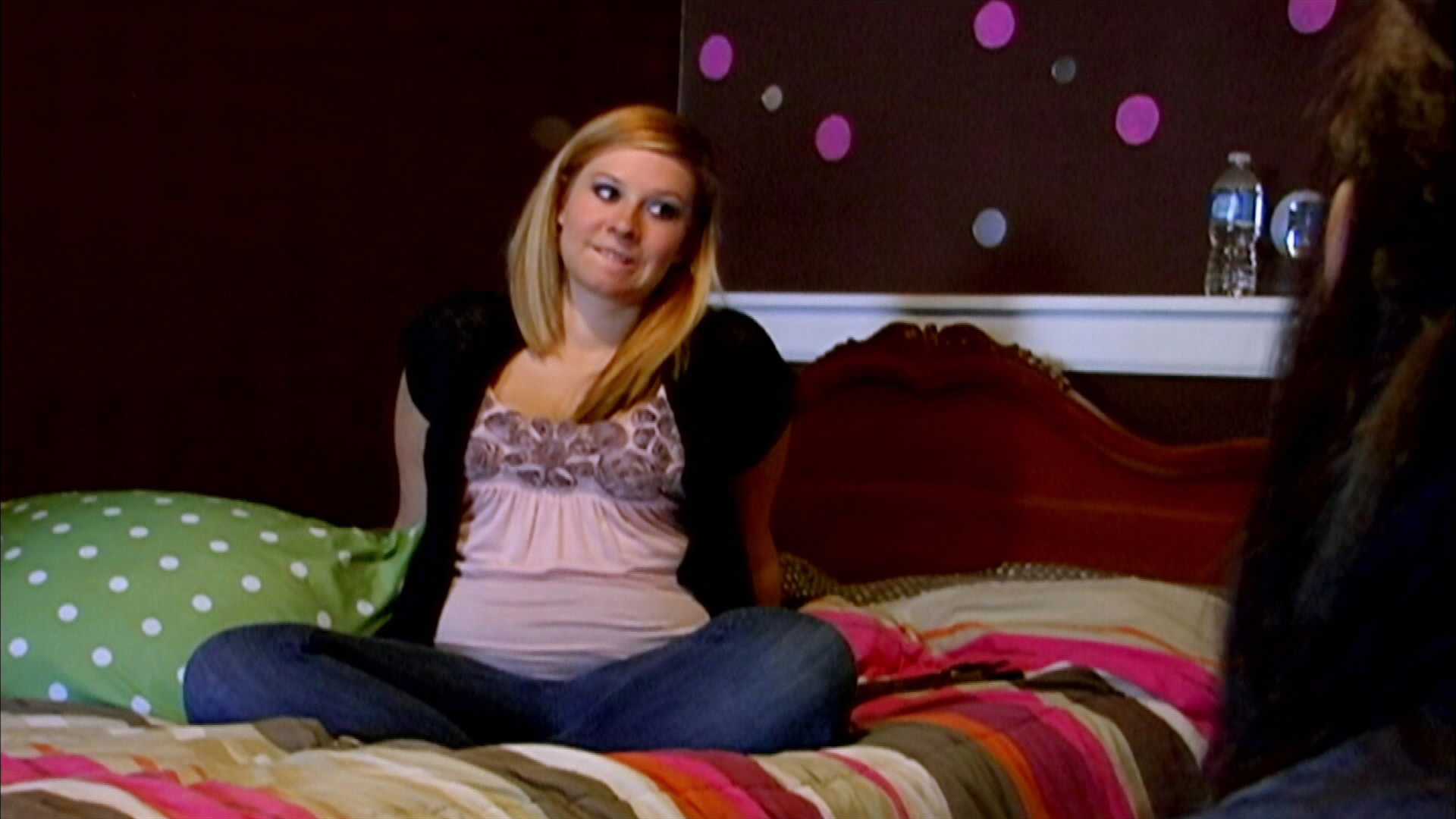
MTV’s 16 and Pregnant is a landmark documentary reality television series that debuted in 2009, highlighting the personal, financial, and emotional realities facing pregnant teenagers. By following high school-aged young women through their final trimesters and early months of motherhood, the show transformed youth television, launched the expansive Teen Mom media franchise, and catalyzed widespread public debate surrounding adolescent reproductive health.
The Origins and Documentary Format of 16 and Pregnant
Premiering on MTV on June 11, 2009, 16 and Pregnant arrived at a pivotal moment in reality television. Created by executive producer Lauren Dolgen, the show was conceived not as a traditional dramatic reality series, but as an intimate, documentary-style chronicle of teenage pregnancy. Each self-contained episode focused on a single adolescent girl, tracking her experiences from the late stages of pregnancy through the initial weeks after giving birth.
Unlike earlier scripted television depictions of teen pregnancy, 16 and Pregnant emphasized unvarnished personal experiences. Episodes routinely highlighted the logistical challenges of balancing high school coursework with infant care, tension with parents and romantic partners, financial instability, and the emotional toll of sudden adulthood. The production style relied heavily on video diaries, observational camera work, and voiceover reflections from the participants themselves, giving the young women direct agency over their own narratives.
The show's debut season achieved massive viewership for MTV, drawing millions of viewers per episode and capturing the attention of both young audiences and parents. The raw presentation of topics such as adoption decisions, relationship breakdowns, and limited financial support set 16 and Pregnant apart from standard reality programming, making it a cultural touchstone of late 2000s television.
Academic Research and the Public Health Impact
Beyond its entertainment metrics, 16 and Pregnant became the subject of extensive academic study regarding its influence on teenage behavior and reproductive health awareness. Social scientists and public health researchers sought to determine whether displaying the harsh realities of adolescent parenthood acted as a deterrent or, conversely, glamorized teenage pregnancy.
A major study published in the American Economic Review by economists Melissa S. Kearney and Phillip B. Levine evaluated the series' direct impact on national birth statistics. Their research demonstrated that the broadcast of 16 and Pregnant and its early spin-offs directly contributed to a measurable drop in teenage birth rates.
Key Findings from Public Health & Economic Studies: • NBER Study Impact: Attributed up to a 5.7% reduction in teen births within 18 months of the show's debut. • Information Seeking: Correlated broadcasts with surges in Google searches and social media activity regarding birth control and contraception. • Media Framing: Shifted public health conversations from abstract warnings to concrete depictions of real-world hardship.
The study suggested that the show functioned as an unintentional public service announcement, vividly depicting the sleep deprivation, isolation, and economic strain associated with young parenthood. Rather than glamorizing teen pregnancy, the series encouraged viewers to seek out information about contraception and family planning, reinforcing the idea that media content can significantly shape public health outcomes.
The Evolution of the Teen Mom Television Franchise
The immediate popularity of 16 and Pregnant prompted MTV to expand the concept into long-running serialized follow-ups. Instead of introducing a new subject each episode, the network selected recurring cast members from 16 and Pregnant to feature in multi-season documentary series titled Teen Mom.
This transition allowed audiences to follow the long-term trajectories of these young mothers as they navigated adulthood, co-parenting, higher education, career building, and evolving family structures. Over more than a decade, the franchise grew to encompass multiple regional and generational iterations.
| Series Title | Premiere Year | Primary Cast Members | Core Focus & Narrative Scope |
|---|---|---|---|
| 16 and Pregnant | 2009 | Rotating single-episode subjects | Final trimester, childbirth, and immediate postpartum adjustments. |
| Teen Mom (later Teen Mom OG) | 2009 | Maci Bookout, Catelynn Lowell, Amber Portwood, Farrah Abraham | Long-term parenting, legal hurdles, adoption reflection, and early career efforts. |
| Teen Mom 2 | 2011 | Jenelle Evans, Chelsea Houska, Kailyn Lowry, Leah Messer | Co-parenting conflicts, custody battles, post-secondary education, and family dynamics. |
| Teen Mom 3 | 2013 | Briana DeJesus, Mackenzie McKee, Alex Sekella, Katie Yeager | Short-lived follow-up examining rural and suburban adolescent parenting realities. |
| Teen Mom: Young and Pregnant | 2018 | Brianna Jaramillo, Ashley Jones, Jade Cline, Kayla Sessler | A new generation of young mothers navigating modern digital and economic landscapes. |
| Teen Mom: The Next Chapter | 2022 | Combined legacy cast members | Interpersonal relationships, veteran parenting, blended families, and retrospective health journeys. |
The evolution into multi-year series altered the dynamic of the show. As the cast members gained fame and financial stability from reality television production salaries, critics noted that their economic circumstances diverged from those of typical young parents. Nevertheless, the series retained high viewer engagement by covering complex issues such as addiction recovery, mental health management, custody disputes, and legal challenges.
Major Themes and Cultural Footprint
Throughout its broadcast history, 16 and Pregnant addressed severe societal challenges that extended beyond the immediate experience of childbirth. The series stood out for refusing to sanitize difficult life circumstances, bringing several critical issues into mainstream television dialogue.
Adoption and Family Choices
One of the most notable episodes featured Catelynn Lowell and Tyler Baltierra, a young couple who chose an open adoption for their daughter. Their story provided a detailed look at the grief, paperwork, agency counseling, and ongoing emotional boundaries involved in placement choices, offering a realistic portrayal of adoption that was rarely seen on youth-oriented networks.
Financial Disparities and Systemic Stress
The series routinely demonstrated how socioeconomic factors dictate early parenting outcomes. Episodes highlighted the immediate strain of finding affordable childcare, securing entry-level employment, obtaining reliable transportation, and relying on state assistance or family support networks.
Mental Health and Relationship Strain
The rapid transition from adolescence to parenthood frequently strained relationships between young mothers, their partners, and their parents. The show documented issues surrounding postpartum depression, emotional burnout, intimate partner conflict, and the struggle to complete high school graduation requirements alongside full-time infant care.
Practical Resources for Teenagers and Families
While 16 and Pregnant showcased these challenges dramatically on television, real-world adolescent pregnancy requires comprehensive medical, educational, and emotional support networks. Young parents and their families must navigate concrete medical and administrative steps to ensure health and safety.
- Access Early Prenatal Care: Establishing care with a qualified obstetrician or community health clinic immediately upon learning of a pregnancy is vital for monitoring fetal development and maternal health.
- Explore Educational Rights: Under Title IX in the United States, public schools are legally required to provide reasonable accommodations for pregnant and parenting students, preventing discrimination and allowing leave for medical appointments and childbirth.
- Utilize Community and Public Assistance: Local public health departments offer access to Medicaid, the Special Supplemental Nutrition Program for Women, Infants, and Children (WIC), and subsidized childcare assistance programs.
- Seek Mental Health Services: Connecting with licensed counselors or support groups helps young parents process severe stress, mitigate postpartum anxiety, and build healthy co-parenting strategies.
Frequently Asked Questions
When did MTV’s 16 and Pregnant first air?
MTV premiered 16 and Pregnant on June 11, 2009. The original show ran for six initial seasons, alongside periodic special revivals, and served as the foundation for the broader Teen Mom franchise.
Did 16 and Pregnant actually help reduce teen pregnancy rates?
Yes, published economic research confirms a correlation. A study by researchers at the National Bureau of Economic Research (NBER) found that the media exposure surrounding 16 and Pregnant and early Teen Mom episodes accounted for up to a 5.7% drop in teenage births over the 18 months following its debut, largely driven by increased awareness around contraception.
What is the difference between 16 and Pregnant and Teen Mom?
16 and Pregnant uses a single-episode anthology format, introducing a new pregnant teenager each week and ending shortly after the birth of the child. Teen Mom takes selected cast members from 16 and Pregnant and follows their lives continuously across multiple full seasons over several years.
Where can viewers watch episodes of 16 and Pregnant?
Episodes of 16 and Pregnant and its related spin-offs are available on major streaming platforms, including Paramount+, the official MTV website, and video-on-demand services such as Amazon Prime Video and Apple TV, subject to regional licensing.
Understanding the Media Legacy of 16 and Pregnant
16 and Pregnant remains one of the most influential documentary television projects of the 2000s. By capturing the stark reality of teenage parenthood without a scripted safety net, the series sparked vital conversations across households, schools, and public policy circles. For television historians, media researchers, and viewers, analyzing the trajectory of 16 and Pregnant offers clear insight into how unscripted media can reflect—and actively shape—modern health trends and cultural norms.