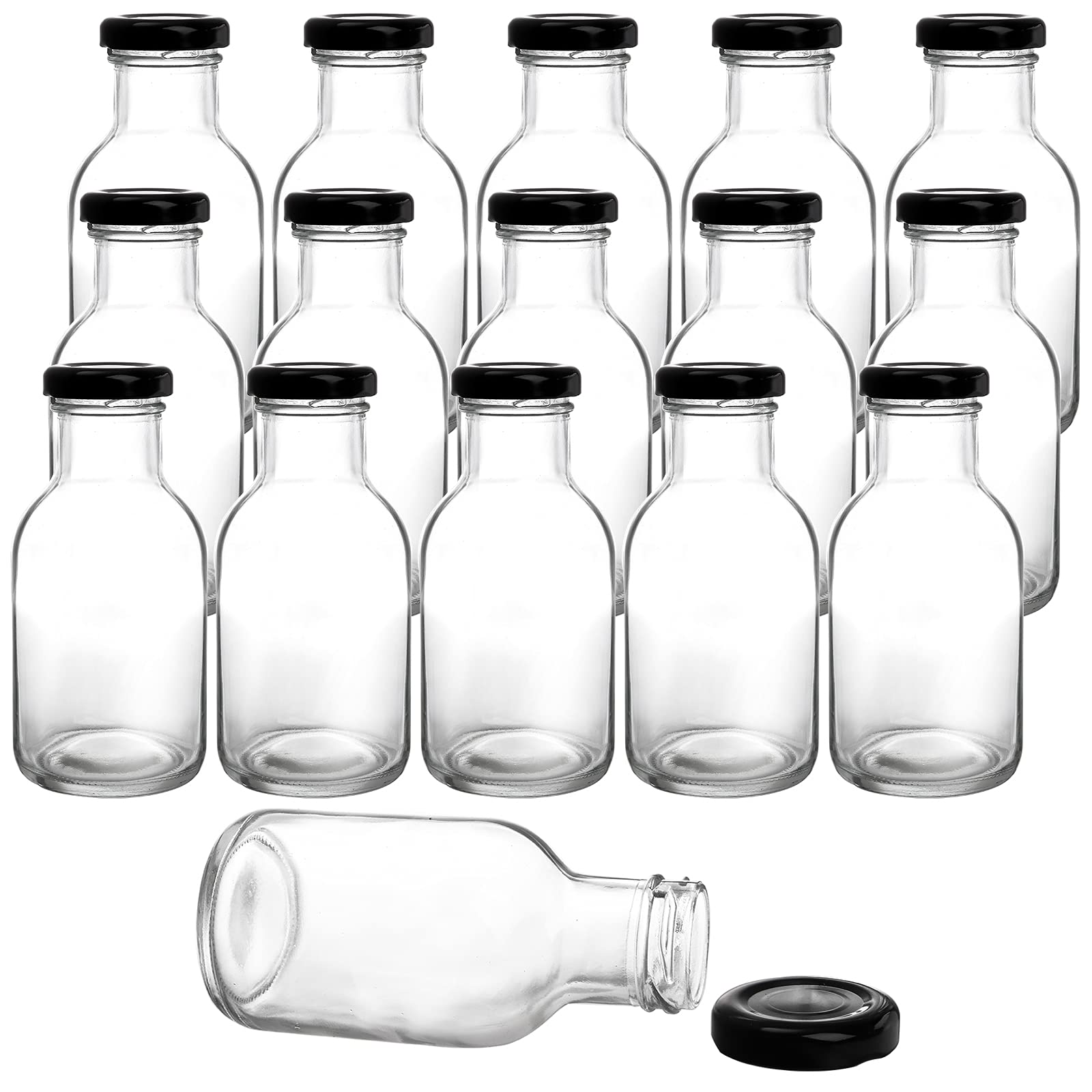
Purchasing a bulk pack of 16 oz leak-proof plastic BBQ sauce bottles provides commercial kitchens, caterers, and home pitmasters with reliable, restaurant-quality dispensing. High-density polyethylene (HDPE) or low-density polyethylene (LDPE) construction ensures flexibility and durability, while precision-fit tip caps prevent leakage and oxidation during heavy daily service and prep storage.
Material Science of Commercial Squeeze Bottles: HDPE vs. LDPE vs. PET
Choosing the correct polymer resin for a 16 oz plastic BBQ sauce bottle pack directly impacts kitchen performance, bottle longevity, and user comfort. Commercial condiment bottles are primarily manufactured using three food-grade plastics, each presenting distinct mechanical properties:
- Low-Density Polyethylene (LDPE): Renowned for its superior flexibility and quick elastic memory, LDPE is the industry standard for squeeze bottles requiring frequent, effortless compression. Line cooks can rapidly squeeze thick sauces without excessive hand fatigue. LDPE handles acidic contents like vinegar- and tomato-based barbecue sauces exceptionally well without degrading or leaching.
- High-Density Polyethylene (HDPE): Featuring a tighter molecular structure, HDPE offers greater tensile strength, semi-rigidity, and superior thermal tolerance compared to LDPE. While stiffer to squeeze, HDPE bottles withstand higher sanitation temperatures in commercial dishwashers and exhibit exceptional impact resistance against heavy kitchen drops.
- Polyethylene Terephthalate (PET): Selected primarily for high-clarity merchandising, PET bottles offer crystal-clear visibility that showcases the rich color of specialty sauces. However, PET is far less pliable than LDPE or HDPE, making it better suited for pourable, low-viscosity sauces or display bottles rather than high-speed squeeze dispensing on an active cook line.
All food-contact plastic bottles must comply with federal food safety standards, such as U.S. Food and Drug Administration (FDA) regulation 21 CFR 177.1520, which governs safe olefin polymers. Restaurant-grade bulk bottle sets are certified BPA-free to prevent industrial chemical migration into warm or acidic condiments.
Acidic ingredients—such as apple cider vinegar, lemon juice, and tomato paste—form the base of most barbecue sauces, maintaining a typical pH range between 3.5 and 4.5. Polyolefin resins (LDPE and HDPE) exhibit complete chemical inertness across this acidic spectrum, ensuring the bottle material will not break down, stain, or alter the flavor profile of custom rubs and sauces over time.
Key Features of Restaurant-Quality Leak-Proof Bottle Assemblies
A leak-proof seal depends on exact manufacturing tolerances between the bottle neck finish and the inner threads of the cap. Restaurant-quality 16 oz squeeze bottle sets rely on specific design mechanisms to ensure fluids stay contained under pressure.
- NOZZLE & CAP ASSEMBLY
- Precision Tip / Silicone Valve: Controls Flow Rate
- Red Tip Snug-Cap: Prevents Tip Drips
- THREADED NECK SEAL
- Continuous Threading (e.g. 38-400): Holds Cap Firmly
- Inner Seal Ring / Gasket Flange: Prevents Thread Leaks
- BOTTLE BODY
- Flexible LDPE / Sturdy HDPE: Squeezable Reservoir
- 16 oz Capacity (473 ml / 1 Pint): Fits Standard Rails
Thread Engagement and Internal Seal Rings
Standard retail squeeze bottles often leak around the neck because simple cap threads allow liquid to seep through tiny gaps under pressure. Commercial-grade bottles resolve this using continuous thread profiles (commonly 38-400 neck finishes) paired with an integrated inner sealing ring or plug flange molded into the underside of the cap. When screwed down tight, this flange wedges firmly into the inner rim of the bottle mouth, creating a liquid-tight compression barrier without requiring separate rubber gaskets that can harbor bacteria or fall out during cleaning.
Tip Cap Retainers and Nozzle Geometry
The dispensing nozzle must balance high-flow capability with airtight storage. High-performance bottle sets include tight-fitting red tip caps attached via a flexible collar strap, preventing cap loss during fast-paced service lines. These caps snap securely onto the nozzle tip to seal out ambient air, preventing skin formation, crusting, and oxidation on molasses- or sugar-heavy sauces.
Nozzle Trimming and Flow Customization
Commercial squeeze bottles usually ship with a narrow factory nozzle aperture (typically 1 mm to 2 mm in diameter). This default opening works well for thin liquids like vinegar-based Carolina sauces or hot oils. For thicker Kansas City-style molasses sauces, fruit-based glazes, or coarse mustard rubs, prep cooks trim the molded nozzle tip downward at designated measurement ridges. Trimming expands the orifice to 3 mm or 4 mm, allowing smooth flow without blowing the cap off the bottle neck when squeezed.
Technical Specifications and Feature Comparison
Selecting the right bottle set depends on sauce viscosity, kitchen workflow, and cleaning equipment. The table below compares common configurations of 16 oz restaurant-quality plastic bottles available in bulk packs:
| Bottle Configuration | Resin Type | Squeezability Index | Target Viscosity | Dishwasher Temperature Limit | Recommended Application |
|---|---|---|---|---|---|
| Classic Standard Flex | LDPE | High (Very Easy) | Thin to Medium (Vinegar, Mustard, Light Tomato) | 140°F (60°C) | High-speed cook lines, line assembly, table condiments |
| Heavy-Duty Commercial | HDPE | Moderate (Firm) | Medium to Thick (Molasses, Sweet BBQ, Paste) | 180°F (82°C) | Commercial rack washing, back-of-house storage, high-heat environments |
| Clear-View Merchandiser | PET | Low (Rigid) | Pourable / Low Viscosity (Finishing Sauces, Dressings) | 120°F (49°C) (Handwash Preferred) | Buffet lines, table display, visual inventory stations |
| FIFO (First-In, First-Out) | Dual LDPE / Silicone | High (Very Easy) | Medium to Heavy (Thick Sauces, Mayonnaise) | 150°F (65°C) | Fast-casual assembly lines, rapid portion control |
Operational Advantages for Catering, Barbecue Competition, and Restaurants
Investing in uniform 16 oz bulk sets offers clear operational advantages over using mixed-size containers or original manufacturer packaging:
Capacity Standardization and Rail Compatibility
The 16 oz (1 pint / 473 ml) volume serves as the optimal balance point in food service. Smaller 8 oz bottles require frequent refilling during peak hours, while larger 24 oz or 32 oz bottles become heavy, cumbersome, and difficult to squeeze precisely with one hand. A 16 oz bottle fits standard stainless steel speed rails, countertop cold pans, squeeze bottle organizers, and apron pockets.
Portion Control and Reduced Food Waste
Direct ladling or open-container pouring often leads to over-saucing, which increases food costs and saturates food packaging. Squeeze bottles give cooks exact control over sauce placement, allowing clean drizzling, precise layering, and consistent plate presentation.
Speed of Service and Prep Station Ergonomics
In high-volume barbecue restaurants and food trucks, seconds matter. A textured or contoured 16 oz LDPE bottle provides a reliable grip even when hands are slick with oil or gloves are damp. Visual translucent walls allow prep cooks to check remaining sauce levels at a glance, eliminating unexpected dry-runs mid-service.
Sanitation, Cleaning, and Maintenance Protocols
Keeping plastic sauce bottles clean and sanitary requires establishing routines that protect bottle structural integrity while eliminating bacterial build-up.
DISASSEMBLE: Separate bottle body, screw cap, tip cap
RINSE: Flush residual sugars with warm water (110°F)
WASH & SCRUB: Use NSF brush & detergent for inner walls
SANITIZE: Run high-temp wash (HDPE) or chemical (LDPE)
AIR DRY: Invert on peg rack to prevent trapped moisture
Immediate Pre-Rinsing: Residual sugars and starches in BBQ sauce harden quickly when exposed to air. Bottles should be thoroughly rinsed with warm water (100°F to 110°F) as soon as they are emptied to prevent sauce build-up inside the nozzle tip.
Temperature Control in Automated Dishwashers: LDPE plastic has a lower heat distortion threshold (typically around 140°F to 150°F) than HDPE. Washing LDPE bottles on high-temperature sanitizing cycles near lower heating elements can warp the bottle neck, ruining the leak-proof thread fit. Wash LDPE on top racks or use chemical-sanitizing dish machines. Reserve high-heat rack cycles for HDPE bottles.
Dedicated Tube Cleaning Brushes: Standard sponge dishwashers cannot reach the interior base of the nozzle tip. Kitchen staff should use narrow nylon bottle-brushes to scrub the inside of caps and nozzle tips, removing mold-susceptible organic residue.
Labeling and Dating Compliance: Health departments require commercial kitchens to mark filled squeeze bottles with content names, prep dates, and expiration markers. Use removable masking tape, dissolvable labels, or color-coded cap bands to avoid adhesive buildup on the outer plastic wall.
Frequently Asked Questions
Are 16 oz plastic squeeze bottles dishwasher safe?
Yes, but dishwasher suitability depends on the plastic resin used. HDPE bottles withstand high-temperature commercial dishwashers up to 180°F (82°C). LDPE bottles are safe for standard dishwashers when placed on the top rack or run through chemical sanitizing cycles below 140°F (60°C) to prevent thermal neck distortion.
How do you trim the nozzle tip without causing leaks?
Trim the tip using a sharp utility knife or kitchen shears along the designated indicator rings molded onto the nozzle exterior. Make straight, perpendicular cuts rather than angled cuts. Avoid cutting past the widest ring marker, as over-trimming destroys the outer diameter needed for the protective red cap to snap tightly into place.
What prevents barbecue sauce from leaking around the bottle threads?
Leak-proof performance is driven by precision matching between the bottle's continuous neck threads and an internal plug seal inside the cap. When screwed on tight, this internal flange compresses against the top lip of the bottle mouth, forming a fluid seal that holds tight even when squeezing high-viscosity sauces.
How does sauce thickness affect bottle selection between LDPE and HDPE?
Thick, sticky sauces like molasses-heavy BBQ sauces or sweet fruit glazes require LDPE bottles because their flexible walls bounce back quickly after hard squeezes. Thinner sauces, marinades, or vinegar washes work well with stiffer HDPE bottles, which offer longer durability against frequent high-heat dishwashing cycles.
Can hot BBQ sauce be poured directly into 16 oz plastic bottles?
Sauce should be cooled below 150°F (65°C) before filling standard LDPE or HDPE squeeze bottles. Pouring boiling-hot sauce directly into plastic containers can deform the plastic body, compromise the cap threads, and pose a severe thermal burn risk to kitchen staff handling the compressed bottle.
Practical Buyer Checklist and Immediate Implementation
When selecting and deploying a bulk pack set of 16 oz plastic BBQ sauce bottles, follow these steps to maximize durability and service speed:
- Inspect Resin Markings: Verify that the bottom of each bottle displays the appropriate recycling resin code (#4 for LDPE, #2 for HDPE) along with clear food-safe symbols (fork and glass icon or FDA compliance marks).
- Perform Water Pressure Testing: Before filling new bottles with sauce, fill one bottle from the bulk lot with water, attach the cap, seal the tip, and invert the bottle while squeezing firmly. Any weeping around the neck threads indicates a missing internal seal flange or misaligned thread pitch.
- Establish Tip Trimming Standards: Assign one lead kitchen team member to trim nozzle apertures using standard diameter measurements, ensuring uniform flow rates across all sauce stations.
- Organize Color-Coded Stations: Use color-coded tip caps (e.g., red for spicy BBQ, yellow for mustard Carolina sauce, brown for sweet glaze) to prevent sauce cross-contamination and speed up prep lines.