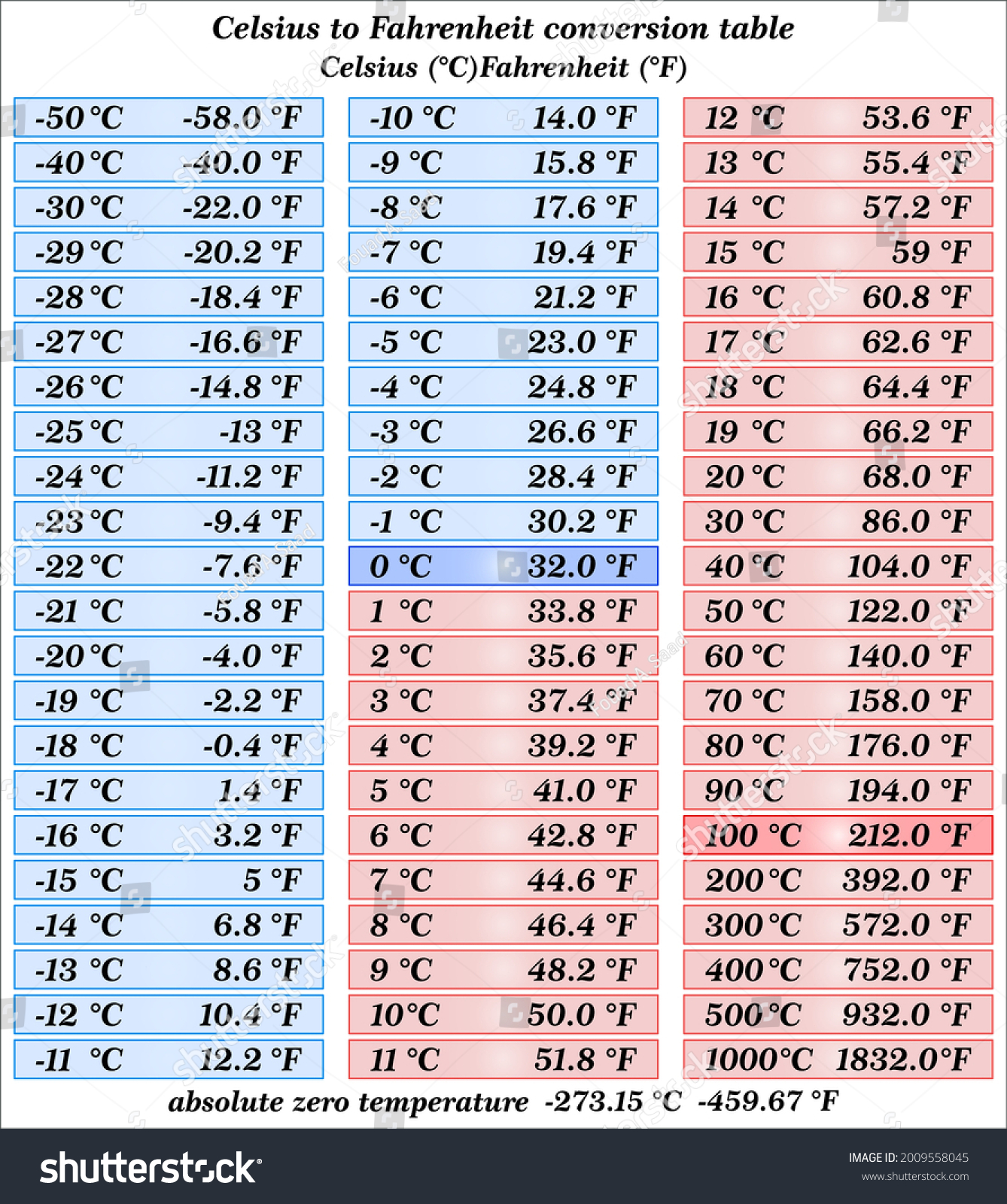
A temperature reading of 16 degrees carries vastly different physical and practical implications depending on whether it is measured on the Celsius or Fahrenheit scale. In Celsius (16°C / 60.8°F), it represents a brisk, cool ambient environment suitable for optimized sleep thermoregulation, specialized wine preservation, and energy-conscious winter thermostat setpoints. In Fahrenheit (16°F / -8.9°C), it indicates harsh sub-freezing conditions that require active pipe freeze protection, severe cold-weather attire, and heightened building heating demand.
Clarifying the Scale: 16°C vs. 16°F and Angular Measurement
Understanding the physical reality of "16 degrees" requires establishing the exact measurement scale in use. Because international standards, meteorological services, and technical trades utilize different units, converting and contrasting these values is essential for safety, comfort, and engineering precision.
The Mathematics of Temperature Conversion
To convert 16 degrees Celsius to Fahrenheit, multiply the Celsius value by 1.8 (or 9/5) and add 32:
$$T_{(^\circ\text{F})} = (16 \times 1.8) + 32 = 60.8^\circ\text{F}$$
In the absolute temperature scale used in thermodynamics, 16°C corresponds to 289.15 Kelvin ($16 + 273.15$).
Conversely, 16 degrees Fahrenheit represents a severe sub-freezing state. To convert 16°F to Celsius, subtract 32 from the Fahrenheit value and multiply by 5/9:
$$T_{(^\circ\text{C})} = (16 - 32) \times \frac{5}{9} = -8.89^\circ\text{C}$$
In absolute terms, 16°F equals 264.26 Kelvin.
- 16°C = 60.8°F = 289.15 K (Cool / Mild Ambient State)
- 16°F = -8.89°C = 264.26 K (Sub-Freezing Ice State)
Brief Disambiguation: Angular Incline
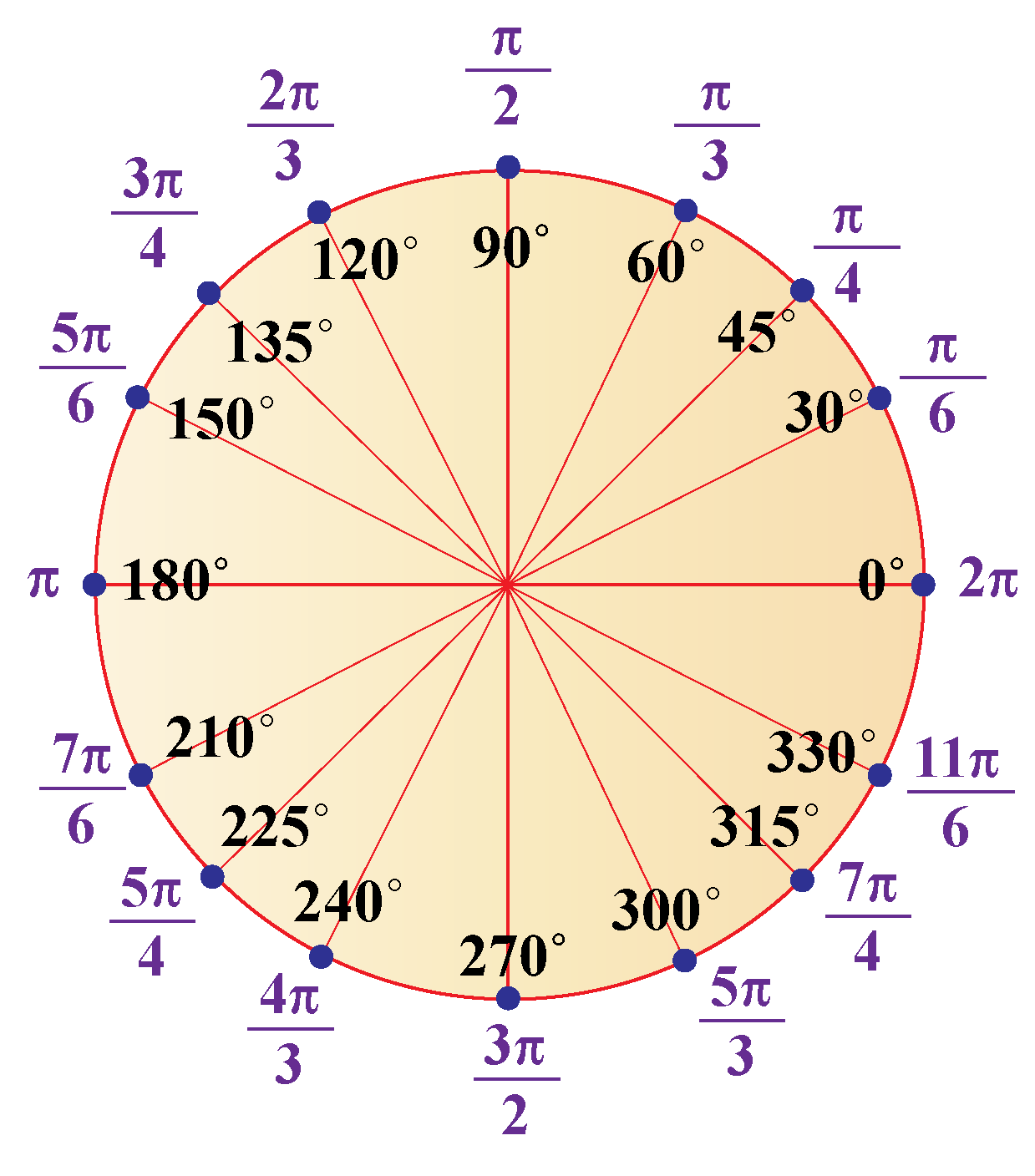
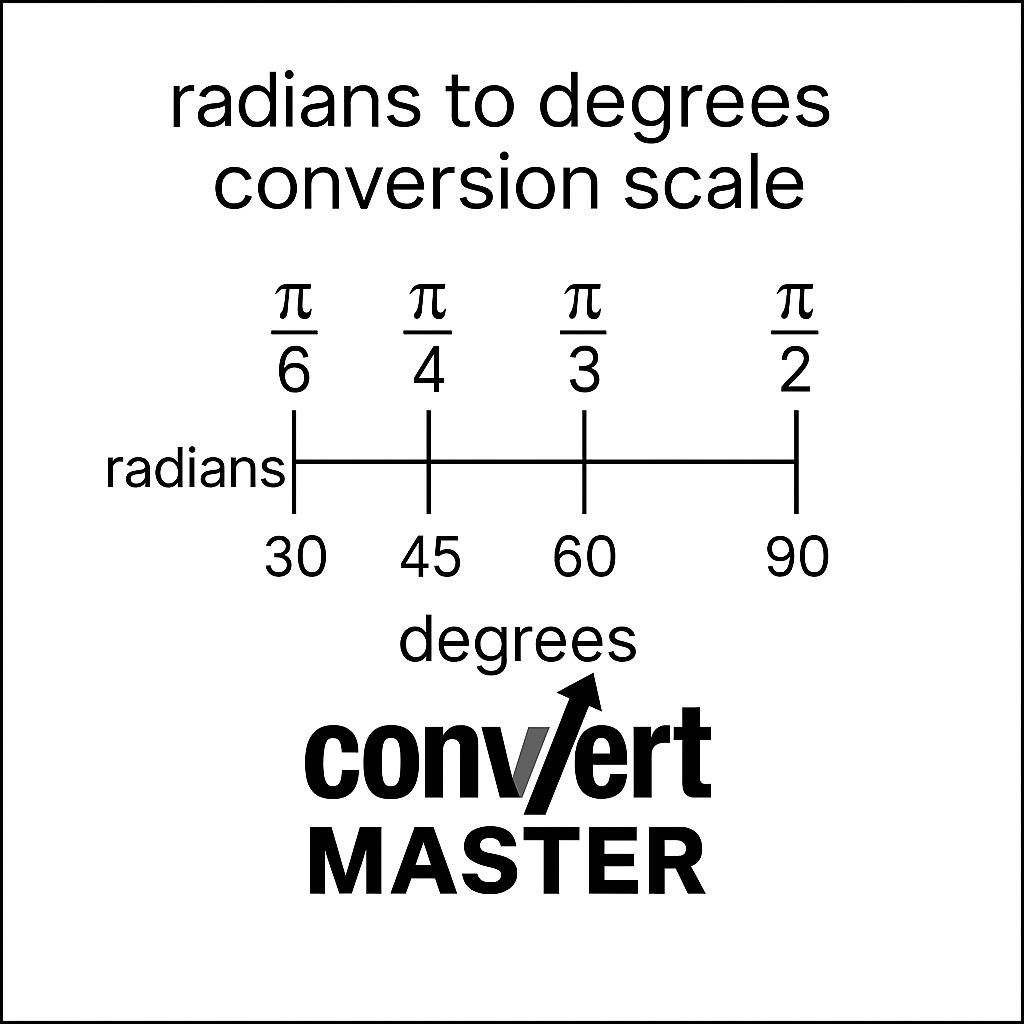
Beyond thermodynamics, "16 degrees" frequently refers to geometric inclination or angular tilt. In carpentry, roof construction, and civil engineering, a 16-degree slope corresponds to a pitch of approximately 3.44 in 12 (a 28.67% grade). In optics, photography, and manufacturing, a 16-degree bevel or angle is commonly used to optimize light reflection, tool sharpness, or structural load dispersal. However, in everyday consumer searches and environmental control, ambient temperature remains the predominant interpretation.
Human Physiology and Indoor Thermal Comfort at 16°C
The human body operates continuously to maintain a core internal temperature near 37°C (98.6°F). When exposed to an ambient environment of 16°C (60.8°F), physiological heat preservation mechanisms engage automatically.
Vascular and Metabolic Responses
At 16°C, air temperature sits below the human thermoneutral zone—the range of ambient temperatures in which the body can maintain thermal balance without expending extra metabolic energy (typically 25°C to 30°C for a unclothed individual at rest). Exposed to 16°C air, the peripheral nervous system triggers cutaneous vasoconstriction. Blood vessels in the skin and extremities narrow, diverting warm blood away from the dermal surface toward the vital organs to minimize conductive and convective heat loss.
If sedentary activity continues without sufficient insulation, the body initiates non-shivering thermogenesis through brown adipose tissue activation. Prolonged exposure without adequate apparel can lead to mild physical stiffness, reduced manual dexterity, and a slight rise in blood pressure as vascular resistance increases.
Health Guidelines and Indoor Exposure Standard
The World Health Organization (WHO) Housing and Health Guidelines recommend maintaining a minimum indoor temperature of 18°C (64°F) during cold seasons for general populations in temperate climates. For vulnerable demographics—including infants, the elderly, and individuals with chronic respiratory or cardiovascular conditions—the WHO advises keeping living spaces at or above 20°C (68°F).
While a healthy adult wearing layered clothing can comfortably operate at 16°C during physical activity, keeping an inhabited living space at 16°C continuously during sedentary hours increases the risk of cold-induced stress, elevated blood pressure, and indoor moisture condensation, which can foster mold growth.
Sleep Science: Thermoregulation at 16°C (60.8°F)
While 16°C may feel chilly for daytime desk work, sleep neurologists and circadian biology researchers frequently highlight 15.5°C to 19.4°C (60°F to 67°F) as the target temperature range for high-quality nighttime rest.
Circadian Sleep-Wake Temperature Cycle
- Core Body Temp (°C):
- 37.0°C: Daytime Peak: Alertness
- 36.5°C: Evening Melatonin Release
- 36.0°C: NREM Slow-Wave Sleep
- 35.5°C: Target Nadir: ~4:00 AM
- Optimal Ambient Room Setting for Nocturnal Cooling: 16°C
The Mechanism of Nocturnal Cooling
The human circadian system operates in tandem with core body temperature. In the early evening, the brain's pineal gland secretes melatonin while the hypothalamus prompts peripheral vasodilation (flushing heat through the hands and feet). This causes core body temperature to drop by approximately 0.5°C to 1.0°C, signaling the body to initiate sleep.
An ambient bedroom temperature of 16°C facilitates this heat dissipation. If the bedroom is too warm (above 20°C/68°F), the body struggles to shed heat, disrupting the transition into restorative sleep stages.
Impact on Sleep Architecture
Maintaining a cool bedroom near 16°C yields distinct structural sleep benefits:
- Enhanced Slow-Wave (Deep) Sleep: Cool ambient air prevents mid-night thermal awakenings during non-REM (NREM) Stage 3 sleep, allowing longer uninterrupted periods of physical tissue repair and memory consolidation.
- REM Cycle Protection: During Rapid Eye Movement (REM) sleep, the brain temporarily suspends active autonomic thermoregulation (sweating or shivering). A room kept at 16°C—paired with a comfortable duvet—prevents overheating during vivid dreaming phases.
- Melatonin and Growth Hormone Production: Lower ambient temperatures support natural hormonal cascades, preventing restlessness and reducing nocturnal heart rate.
HVAC Systems, Energy Consumption, and Thermostat Operation
The number 16 holds specific operational significance across residential and commercial heating, ventilation, and air conditioning (HVAC) equipment.
Why Air Conditioners Stop Cooling at 16°C
Most residential split-system, window, and portable air conditioning remotes feature a minimum setpoint limit of 16°C (61°F). This limit is imposed by manufacturers due to fundamental thermodynamic constraints:
- Evaporator Coil Icing: Air conditioners cool spaces by passing warm room air over an evaporator coil filled with cold refrigerant. If the air setpoint is lowered below 16°C, the temperature of the refrigerant inside the coil drops near or below 0°C (32°F). Water vapor condensing on the coil freezes into solid ice, blocking airflow, insulation performance, and potentially destroying the compressor through liquid slugging.
- Compressor Overload: Setting an AC remote to 16°C in warm summer weather does not make the system cool the room faster. It simply forces the compressor to run continuously without cycling off, escalating electricity consumption without improving immediate cooling rate.
- Return Air Intake
- Evaporator Coil at <0°C
- Continuous Running
- Frost Accumulation
- Compressor Failure Risk
Heating Setpoints and Energy Efficiency
In heating applications during winter months, 16°C serves as an established setback baseline for energy conservation:
- Overnight Heating Setback: Dropping home heating thermostats from a standard daytime level of 20°C (68°F) down to 16°C (60.8°F) overnight reduces the temperature differential between indoor and outdoor air. Energy policies published by the U.S. Department of Energy indicate that setting back thermostats by 4°C (7°F to 10°F) for 8 hours a day can reduce annual heating bills by 7% to 10%.
- Vacation/Away Settings: Maintaining a unoccupied home at 16°C during winter months keeps structural components warm, prevents interior humidity buildup, and preserves a safety margin above the freezing threshold for concealed plumbing walls.
What to Wear in 16°C (60.8°F) Weather: Layering Strategies
Navigating 16°C outdoor weather requires a balanced, adaptable wardrobe strategy. Because 16°C sits directly on the boundary between cool and mild weather, human thermal perception depends heavily on solar radiation, wind speed, and relative humidity.
16°C Outdoor Wardrobe Structure
- Outer Layer: Trench Coat / Light Bomber (Blocks wind & humidity)
- Mid Layer: Light Knit / Cardigan / Overshirt (Traps insulating air layer)
- Base Layer: Breathable Cotton / Merino Tee (Wicks moisture from skin)
Essential Layering Rules
To remain comfortable in 16°C weather throughout varying activity levels, follow a three-layer system:
- Base Layer: A light, breathable cotton or fine merino wool t-shirt or long-sleeve top. This layer manages skin moisture and prevents sweat accumulation during walking.
- Mid Layer: A medium-weight sweater, cardigan, flannel shirt, or light fleece. The mid layer traps dead air to provide insulation without causing overheating.
- Outer Layer: A trench coat, denim jacket, leather bomber, or light windbreaker. The primary role of the outer layer at 16°C is breaking wind velocity and dampening environmental humidity rather than providing heavy thermal mass.
Activity-Based Adjustments
- Sedentary Outdoor Sitting (e.g., Dining/Events): Requires a heavy mid-layer sweater or a lined jacket, as low metabolic heat production causes rapid body heat loss in 16°C air.
- Active Commuting / Running: Light long-sleeve activewear or a short-sleeve shirt paired with shorts or lightweight tights. Physical exertion generates significant metabolic heat, making heavy outer jackets unnecessary and uncomfortable.
Specialized Technical Applications of 16 Degrees
Beyond home comfort and climate control, 16 degrees represents a vital reference point across wine cellaring, agriculture, and freeze prevention.
Wine Cellaring and Serving Standards
In sommelier science and wine preservation, 16°C (60.8°F) is considered the optimal upper threshold for serving and short-to-medium term storage of full-bodied red wines, including:
- Cabernet Sauvignon
- Bordeaux Blends
- Syrah / Shiraz
- Barolo and Nebbiolo
At temperatures above 18°C (64°F), ethanol volatility increases, causing alcohol vapors to mask complex aromatic bouquet compounds and giving the wine a harsh, "hot" taste profile. At 16°C, tannic structure remains smooth while aromatic esters vaporize at a balanced rate.
Sub-Freezing Risks at 16°F (-8.9°C)
When meteorological conditions drop to 16°F (-8.9°C), structural water management becomes a priority. At 16°F, open water freezes rapidly, and uninsulated plumbing lines inside exterior walls, crawlspaces, and unheated basements face extreme burst risks.
Water expands by approximately 9% in volume upon freezing into ice. Inside a sealed copper or PEX pipe, this expansion creates hydrostatic pressure spikes exceeding 30,000 psi, ruptured pipe walls and causing severe interior flooding once thaw occurs.
Technical Comparison Matrix: 16°C vs. 16°F
The following table summarizes the structural, biological, and technical characteristics of environments operating at 16 degrees Celsius versus 16 degrees Fahrenheit.
| Operational Domain | 16°C (60.8°F) Characteristics | 16°F (-8.89°C) Characteristics | Key Action / Standard |
|---|---|---|---|
| Physical Water State | Liquid phase; normal surface evaporation | Solid ice formation; rapid freezing of unheated water | Maintain pipe insulation at 16°F |
| Human Physiology | Minor vasoconstriction; comfortable for active rest | Severe cold stress; frostbite risk on exposed skin | Wear heavy insulated outerwear at 16°F |
| Sleep Quality | Optimal target range for deep REM/NREM sleep | Unviable without heavy structural heating | Keep bedroom thermostats near 16°C |
| AC Operation | Standard minimum setpoint limit on remotes | Unapplicable (air conditioning inoperative) | Do not force AC below 16°C |
| Heating Strategy | Preferred overnight energy-saving setback | High heating load; continuous boiler operation | Lower thermostat to 16°C overnight for savings |
| Wine Storage | Ideal serving temperature for full-bodied red wines | Causes bottle breakage due to liquid expansion | Maintain cellar climate between 12°C–16°C |
| Plumbing Safety | Zero risk of pipe freezing | Extreme burst hazard for uninsulated plumbing | Drip faucets and wrap exposed pipes at 16°F |
Frequently Asked Questions About 16 Degrees
Is 16°C considered cold for indoor living?
Yes, 16°C (60.8°F) is generally considered cold for indoor living during sedentary daytime hours. The World Health Organization recommends keeping occupied home spaces at minimum 18°C (64°F) for healthy adults, and 20°C (68°F) for infants and elderly residents, to prevent cold stress and respiratory irritation.
Why do standard air conditioners stop cooling at 16°C?
Air conditioners limit their minimum setpoint to 16°C (61°F) to prevent moisture on the indoor evaporator coils from freezing into solid ice. Running an air conditioner below this threshold risks blocking airflow, damaging the compressor, and wasting substantial electric power.
Can household pipes freeze when the outdoor temperature drops to 16°F?
Yes, outdoor temperatures of 16°F (-8.9°C) present a severe freeze hazard for residential plumbing. At this temperature, water inside uninsulated pipes located in exterior walls, attics, or crawlspaces can freeze and expand, leading to catastrophic pipe bursts.
What is 16 degrees converted to Fahrenheit and Kelvin?
16°C converts to 60.8°F and 289.15 Kelvin. Conversely, 16°F converts to -8.89°C and 264.26 Kelvin.
Is 16°C a good temperature for outdoor exercise?
16°C (60.8°F) is considered ideal for high-exertion outdoor athletic activities such as running, marathon racing, and cycling. Because metabolic output increases core body temperature during exercise, 16°C air cools the body effectively without requiring extreme thermoregulatory energy expenditure.
Strategic Recommendations for Managing 16-Degree Environments
To optimize home energy performance, sleep health, and safety when working around 16-degree environments, apply these practical recommendations:
- Optimize Sleeping Parameters: Set bedroom thermostats or smart thermostatic radiator valves (TRVs) to drop to 16°C (61°F) approximately 30 minutes before bedtime. Combine this setpoint with a breathable cotton or linen duvet to facilitate natural circadian body cooling.
- Prevent AC Coil Damage: Avoid forcing air conditioning units down to the 16°C limit during peak summer heatwaves. Setting the AC to 22°C–24°C (72°F–75°F) cools the living space effectively while keeping compressor energy usage low and avoiding evaporator coil icing.
- Implement Winter Setbacks: Program heating thermostats to maintain 16°C while away from home or sleeping during winter. This lowers fuel consumption by up to 10% annually while keeping building materials warm enough to prevent humidity condensation and localized freeze damage.
- Prepare plumbing for 16°F Conditions: When winter weather forecasts predict 16°F (-8.9°C) or lower, insulate exposed external pipes, seal foundation air vents, open cabinet doors under sinks along exterior walls, and allow vulnerable faucets to trickle slowly to prevent pressure buildup.