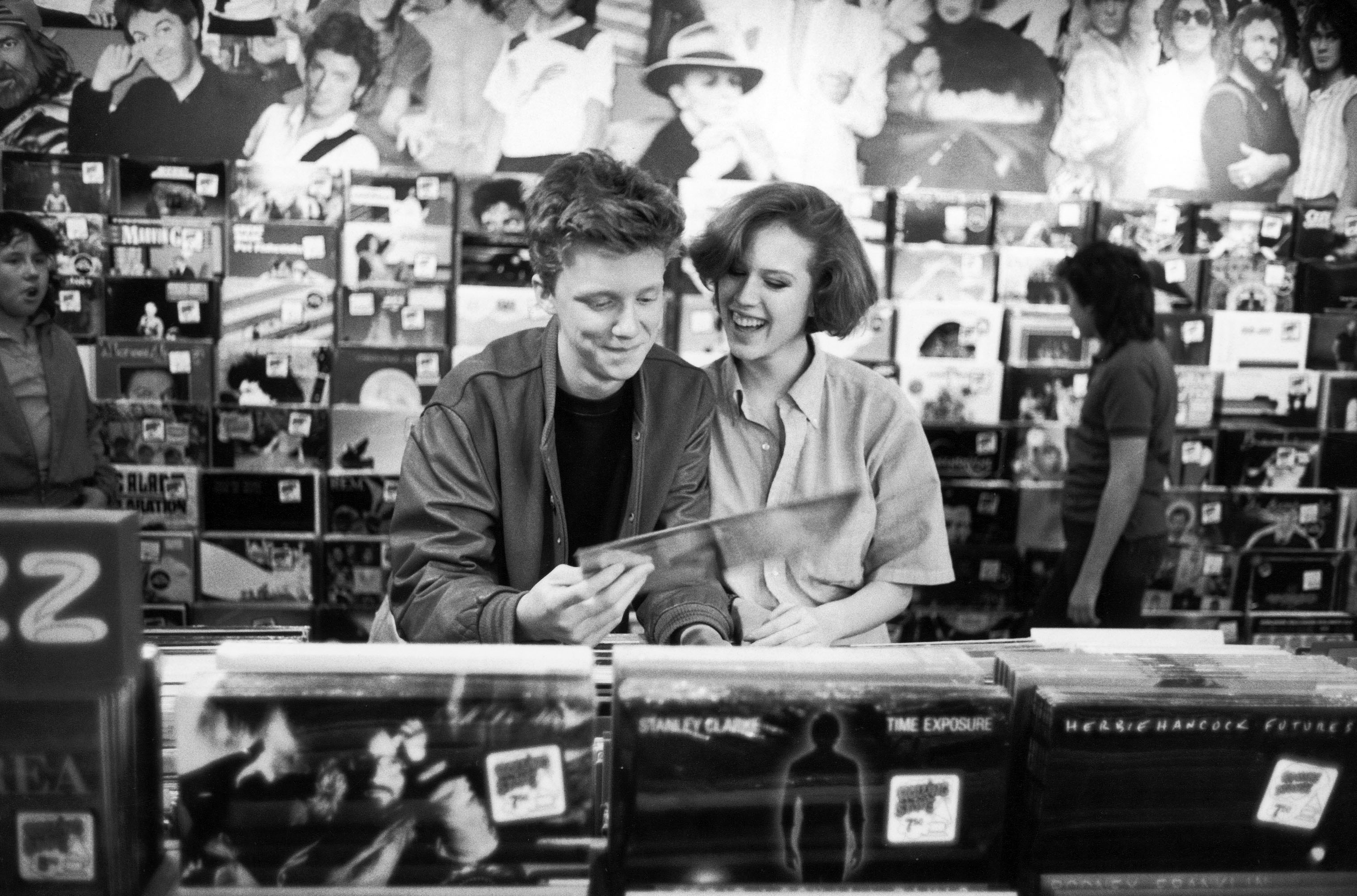
Phil "Duckie" Dale is the eccentric, fiercely loyal hero of John Hughes’ 1986 classic Pretty in Pink, though he is frequently conflated with the outcast characters of Hughes’ 1984 directorial debut, Sixteen Candles. Played by Jon Cryer, Duckie refined the eccentric best-friend archetype first popularized by Anthony Michael Hall’s "Farmer Ted" in Sixteen Candles, leaving an indelible mark on 1980s pop culture and teen cinema history.
Disambiguating the Teen Classics: Duckie Dale vs. Sixteen Candles
A common misconception among casual cinema fans is placing Phil "Duckie" Dale inside the narrative of Sixteen Candles (1984). In reality, Duckie was introduced two years later in Pretty in Pink (1986), a film written by John Hughes and directed by Howard Deutch. However, the confusion is understandable given the shared creative DNA, themes of high school social stratification, and central involvement of actress Molly Ringwald and writer-producer John Hughes across both projects.
In Sixteen Candles, the primary male outsider and comedic counterweight to high school heartthrob Jake Ryan (Michael Schoeffling) is "Farmer Ted," credited simply as "The Geek" and portrayed by Anthony Michael Hall. Ted is an awkward, fast-talking freshman desperate to project sexual maturity while navigating the agonizing social hierarchy of suburban Chicago.
When Hughes wrote Pretty in Pink, he evolved this comedic outsider framework into a more complex, romantic rival. Enter Phil "Duckie" Dale: older, stylistically bold, and deeply in love with his best friend, Andie Walsh (Molly Ringwald). Understanding Duckie requires examining how Sixteen Candles built the blueprint for the 1980s teen outcast, which Pretty in Pink subsequently refined into a cinematic icon.
Character Profile: Who Is Phil "Duckie" Dale?
Phil "Duckie" Dale represents the ultimate high school counter-culture Romantic. Unlike the desperate, adolescent posturing of Sixteen Candles’ Farmer Ted, Duckie possesses a distinct sense of self-expression, wearing vintage thrift-store blazers, round wire-rimmed sunglasses, bolo ties, and a signature porkpie hat. He rejects the homogenous, preppy aesthetic of the wealthy "Richie" faction at his high school, choosing instead an unapologetic, New Wave-infused persona.
Key Character Traits of Phil "Duckie" Dale:
- Aesthetic: Rockabilly meets New Wave vintage fashion
- Social Status: Working-class outcast ("non-prep")
- Primary Motivation: Unconditional devotion to Andie Walsh
- Signature Moment: Lip-sync performance of Otis Redding's "Try a Little Tenderness"
- Core Conflict: Balancing genuine friendship with unrequited romantic desire
Duckie’s personality is defined by theatrical emotional vulnerability. He conceals his deep insecurity and lower-class anxieties behind rapid-fire wit, slapstick physical comedy, and grand romantic gestures. His sanctuary is TRAX, the independent record store where Andie works, representing a space where artistic eccentricity triumphs over corporate suburban conformity.
His defining cinematic moment occurs inside TRAX, where he performs an impassioned, impromptu lip-sync routine to Otis Redding’s "Try a Little Tenderness." The scene showcases Duckie’s willingness to make himself entirely vulnerable for Andie’s amusement, cementing the character as one of the most charismatic sidekicks in modern film history.
Evolution of the Outcast: From Sixteen Candles to Pretty in Pink
To understand Duckie's narrative function, one must trace how John Hughes developed his male outcast archetypes between 1984 and 1986. Sixteen Candles established the core parameters of teenage social marginalization, but Pretty in Pink elevated the high-stakes emotional realism of those dynamics.
In Sixteen Candles, Anthony Michael Hall’s character operates primarily as comedic relief and a mirror for Samantha Baker’s (Molly Ringwald) teenage angst. Ted's quest for romance is comical and transactional—symbolized by his bet with fellow freshmen to secure Samantha's undergarments. Yet, Hughes bestows Ted with surprising empathy; during his late-night conversation with Samantha in the high school garage, Ted drops his front, offering genuine comfort and bridging the gap between social tiers.
Evolution of the John Hughes Male Outcast Archetype:
- 1984: Sixteen Candles
- Character: "The Geek" / Farmer Ted (Anthony Michael Hall)
- Dynamic: Younger, comedic, naive
- Motivation: Seeking social validation & basic peer respect
- Romantic Arc: Purely transactional comedy turning to platonic empathy
- Character: "The Geek" / Farmer Ted (Anthony Michael Hall)
- 1986: Pretty in Pink
- Character: Phil "Duckie" Dale (Jon Cryer)
- Dynamic: Peer-aged, stylishly eccentric, emotionally intense
- Motivation: Unrequited love for his best friend
- Romantic Arc: Central rival in a class-driven love triangle
- Character: Phil "Duckie" Dale (Jon Cryer)
By 1986, Hughes took the empathy discovered in Sixteen Candles and placed it at the center of Pretty in Pink. Duckie is not a younger freshman looking for a social win; he is an equal peer vying for the lead female character's heart. His conflict is no longer about fitting in with the popular crowd—Duckie actively despises the wealthy preppies—but about the agony of being trapped in the "friend zone" by someone he views as his soulmate.
Comparing the John Hughes High School Archetypes
The mid-1980s teen film boom relied heavily on sharp archetype contrasts. The table below illustrates how Duckie Dale fits alongside key figures from Sixteen Candles and Pretty in Pink.
| Character | Film Title | Actor | Archetype / Social Class | Primary Narrative Role | Key Romantic Outcome |
|---|---|---|---|---|---|
| Phil "Duckie" Dale | Pretty in Pink (1986) | Jon Cryer | Working-class Rockabilly Outcast | Loyal best friend and tragic romantic rival | Accepts platonic status; lets Andie go |
| "Farmer Ted" (The Geek) | Sixteen Candles (1984) | Anthony Michael Hall | Middle-class Freshman Geek | Comedic sidekick and unexpected confidant | Befriends Samantha; wins social status |
| Jake Ryan | Sixteen Candles (1984) | Michael Schoeffling | Upper-middle-class Popular Jock | Idealized romantic interest | Ends up with Samantha Baker |
| Blane McDonough | Pretty in Pink (1986) | Andrew McCarthy | Wealthy "Richie" / Socialite | Sensitive preppy romantic interest | Ends up with Andie Walsh |
| Steff McKee | Pretty in Pink (1986) | James Spader | Wealthy Entitled Antagonist | Social bully and narrative obstacle | Rejected by Andie; exposed as bitter |
The Controversy of the Ending: Duckie’s Romantic Fate
No discussion of Duckie’s legacy is complete without examining the famous altered ending of Pretty in Pink. As originally scripted by John Hughes and filmed by director Howard Deutch, Andie Walsh was supposed to choose Duckie over the wealthy Blane McDonough (Andrew McCarthy) at the senior prom. In the original cut, Andie and Duckie dance together to David Bowie’s "Heroes," cementing a victory for working-class solidarity and loyal friendship over suburban privilege.
However, test audiences reacted negatively to this original conclusion. Test screeners wanted the traditional fairy-tale ending where the working-class girl wins the heart of the wealthy "prince" (Blane), despite Blane’s earlier spineless behavior in bending to peer pressure from his arrogant friend Steff (James Spader).
"The test audience hated it. They didn't want Andie to get the guy she was supposed to get; they wanted her to get the guy she loved, even if he was a rich snob." — Howard Deutch, Director
The filmmakers were forced to re-shoot the finale just days before the movie's scheduled release. In the theatrical cut, Duckie makes a selfless gesture at the prom, recognizing that Andie’s heart belongs to Blane. He actively encourages her to pursue Blane in the parking lot, sacrificing his own romantic dreams for her happiness. Moments later, the film gives Duckie a consolation prize: a stylish girl (played by Kristy Swanson) signals interest in him on the dance floor, signaling that Duckie's romantic journey is far from over.
Re-evaluating Duckie: Modern Cultural Critique and the "Nice Guy" Debate
In the decades following the 1986 release of Pretty in Pink, Duckie Dale's cultural legacy has undergone significant critical re-evaluation. While initially embraced as the ultimate sympathetic underdog, modern film critics and gender-studies scholars frequently analyze Duckie through a more complex lens.
1. The Prototype of the "Nice Guy" Trope
Modern critical discourse often cites Duckie as an early cinematic example of the "Entitled Nice Guy." Critics point out that Duckie repeatedly fails to respect Andie’s explicitly stated boundaries. He frequently guilts her for not reciprocating his romantic feelings, displays intense jealousy toward Blane, and acts possessive over her emotional life. His devotion, while passionate, sometimes crosses into entitlement, assuming that his longevity as her best friend automatically entitles him to her romantic affections.
2. A Symbol of Working-Class Defiance
Conversely, film historians defend Duckie as an anti-establishment hero. In a 1980s cinematic landscape dominated by Reagan-era materialism and preppy consumerism, Duckie stands firm as an authentic working-class eccentric. He refuses to alter his wardrobe, speech, or values to appease the wealthy elite who dominate Sherwood High. His rejection of Blane and Steff’s social hierarchy makes him a vital champion for artistic and socio-economic outsiders.
3. A Triumph of Male Emotional Expressiveness
Duckie also broke rigid 1980s norms regarding teenage masculinity. Unlike traditional movie male leads of the era, who were often stoic, athletic, or aggressively macho, Duckie openly cried, danced, expressed affection, and embraced theatrical fashion. Jon Cryer’s performance gave voice to teenagers who felt alienated by conventional standards of male behavior, establishing a blueprint for alternative male characters in 1990s and 2000s indie cinema.
Next Steps for Film Scholars and Fans
Understanding the legacy of Phil "Duckie" Dale and the broader landscape of John Hughes' teen film repertoire offers valuable insights into media history, character design, and pop-culture evolution.
- Watch the John Hughes High School Trilogy in Sequence: To trace the character evolution from comedic sidekick to central romantic rival, view Sixteen Candles (1984), The Breakfast Club (1985), and Pretty in Pink (1986) back-to-back.
- Analyze Performance Choices: Pay close attention to Jon Cryer’s physical comedy in Pretty in Pink, comparing his energetic performance to Anthony Michael Hall's verbal-comedy delivery in Sixteen Candles.
- Explore Alternate Movie Endings: Research historical test-screening documentation and cast interviews detailing how late-stage edit changes reshaped 1980s cinema trends, particularly regarding class representation and romantic resolution.
Frequently Asked Questions
Is Duckie in the movie Sixteen Candles?
No, Duckie (Phil "Duckie" Dale) is not in Sixteen Candles. He is a main character in the 1986 film Pretty in Pink, played by Jon Cryer. The outcast geek character in Sixteen Candles (1984) is "Farmer Ted," played by Anthony Michael Hall.
Who played Duckie in Pretty in Pink?
Phil "Duckie" Dale was played by actor Jon Cryer. The role proved to be Cryer's breakout film performance, decades before he starred as Alan Harper in the long-running television sitcom Two and a Half Men.
Why did Andie not end up with Duckie at the end of Pretty in Pink?
The original ending where Andie ends up with Duckie was changed after test audiences reacted poorly to it. Viewers wanted to see Andie reunite with Blane (Andrew McCarthy), prompting the filmmakers to write and shoot the theatrical ending where Duckie encourages Andie to go after Blane.
What song does Duckie lip-sync to in the record store?
Duckie performs a legendary lip-sync routine to Otis Redding’s classic soul track "Try a Little Tenderness" inside the TRAX record store to impress Andie Walsh.
Was John Hughes the director of both Sixteen Candles and Pretty in Pink?
John Hughes wrote and directed Sixteen Candles (1984). For Pretty in Pink (1986), Hughes wrote the screenplay and served as an executive producer, but the film was directed by Howard Deutch.