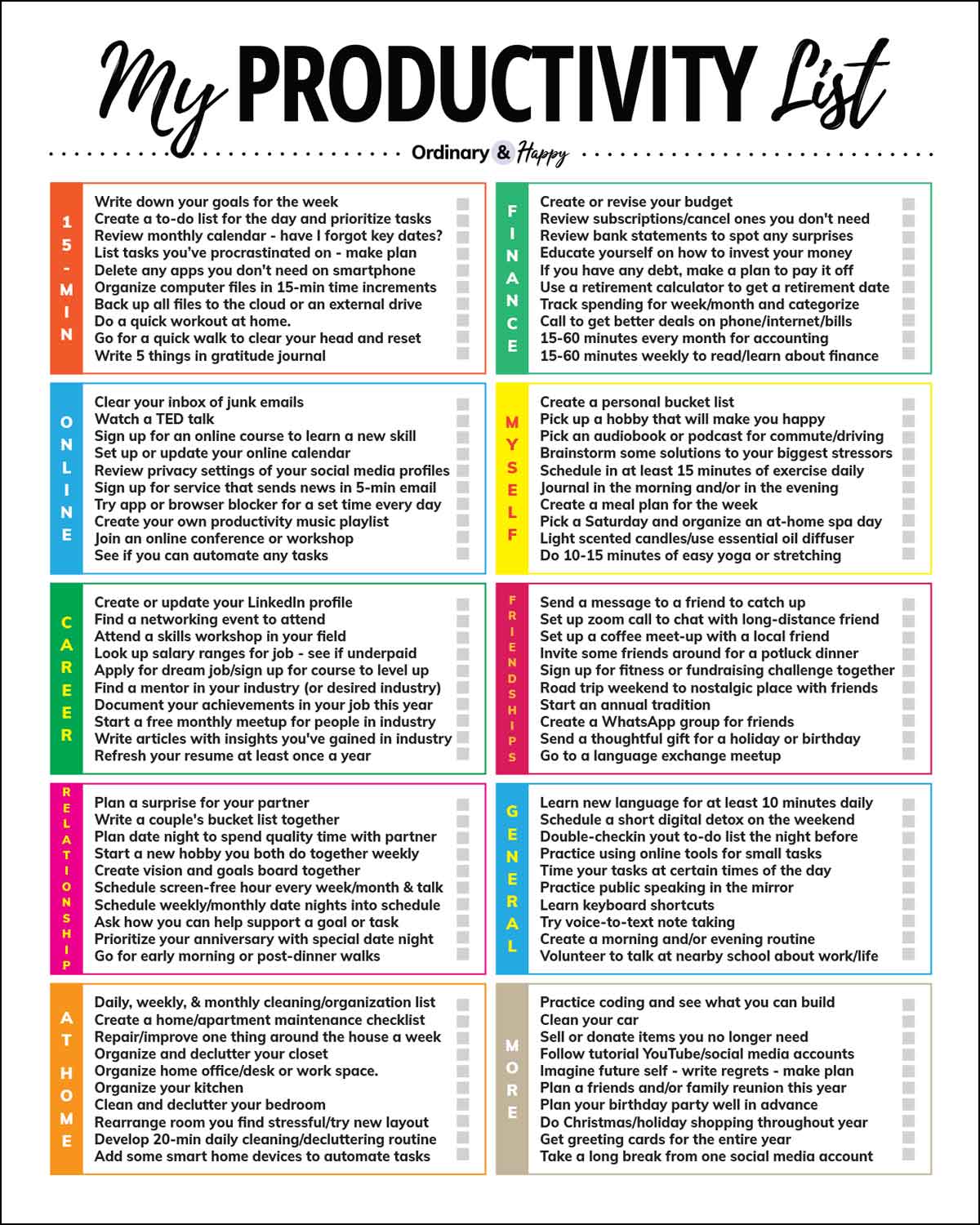
Establishing a productive morning routine conditions your nervous system, optimizes neurochemistry, and protects executive function for high-level decision-making throughout the day. By structuring your early hours around physiological hydration, circadian alignment, cognitive offloading, and strategic deep work, you replace reactive stress with intentional momentum, setting a measurable foundation for long-term personal and professional success.
The Neurobiology of Morning Productivity
How you spend the first two hours of your day directly influences neurotransmitter synthesis, glucose utilization in the prefrontal cortex, and autonomic nervous system regulation. Upon waking, your body undergoes the Cortisol Awakening Response (CAR), a natural spike in cortisol levels designed to promote alertness and mobilize energy reserves. Capitalizing on CAR requires aligning your behavior with your biological clock rather than fighting it.
When you immediately engage with reactive inputs—such as checking smartphone notifications, reading urgent emails, or scrolling through news feeds—you trigger an early release of epinephrine and scatter your attention. This reactive state depletes your finite store of executive function before you begin high-value work. Conversely, structured morning protocols leverage physiological mechanisms to stabilize blood sugar, boost baseline dopamine, and maintain cognitive bandwidth, ensuring peak mental output throughout the day.
Phase 1: Biological Priming and Physical Activation
Physical & Neural Priming:
- Hydration & Electrolytes
- Natural Sunlight
- Light Movement
1. Rehydrate Immediately with Water and Electrolytes
During 7 to 8 hours of sleep, the human body loses significant fluids through respiration and perspiration, leading to mild cellular dehydration. Hydrating immediately upon waking restores plasma volume, accelerates cellular metabolism, and improves blood flow to the brain.
Drink 16 to 24 ounces of room-temperature water enhanced with a pinch of unrefined sea salt or a balanced electrolyte mix. Sodium, potassium, and magnesium support nerve cell firing and cellular transport, preventing the cognitive sluggishness often misattributed to a lack of caffeine.
2. View Direct Sunlight Within 30 Minutes of Waking
Exposure to natural photons triggers specialized intrinsically photosensitive retinal ganglion cells (ipRGCs) in the eyes. These cells signal the suprachiasmatic nucleus—the brain's master circadian clock—to suppress melatonin production and initiate the timer for nighttime sleepiness.
Spend 10 to 20 minutes outdoors without sunglasses. Even on overcast days, outdoor lux levels far exceed indoor artificial lighting, providing the necessary stimulus to optimize cortisol timing, elevate mood via serotonin synthesis, and strengthen nighttime sleep architecture.
3. Delay Caffeine Intake by 60 to 90 Minutes
Ingesting caffeine immediately after waking disrupts the natural clearance of adenosine, the chemical compound responsible for sleep pressure. Caffeine binds to adenosine receptors without clearing the underlying molecule, setting up a sharp mid-afternoon energy crash when the caffeine metabolizes.
Delaying caffeine allows your body to clear residual adenosine naturally through CAR and initial movement. When you eventually consume coffee or tea, the adenosine receptors are clear, maximizing caffeine's energy-enhancing properties while eliminating the afternoon slump.
4. Perform 10 to 15 Minutes of Low-Intensity Movement
Light morning movement increases core body temperature, stimulates lymphatic drainage, and increases cerebral blood flow. You do not need an exhausting workout immediately upon waking; light mobility work, dynamic stretching, or a brisk walk is ideal for physical activation.
Dynamic movement lubricates joints, activates the cardiovascular system, and releases brain-derived neurotrophic factor (BDNF). BDNF supports neuroplasticity, memory formation, and executive processing, making your brain more adaptable to complex cognitive tasks later in the morning.
5. Take a Brief Cold Shower or Water Rinse
Ending your morning shower with 60 to 90 seconds of cold water exposure activates the sympathetic nervous system, inducing mild thermal stress. This cold stimulus triggers a sustained, long-term release of dopamine and norepinephrine in the brain.
Unlike the sharp spike and subsequent crash associated with chemical stimulants, cold-induced catecholamine release elevates baseline focus, mood, and alertness for several hours. Start with lukewarm water and gradually lower the temperature to build cold tolerance safely.
Phase 2: Cognitive Offloading and Mental Alignment
6. Practice Targeted Mindfulness or Resonant Breathing
High-performing individuals use early-morning mindfulness to down-regulate the amygdala and reduce baseline anxiety. Spending 5 to 10 minutes in structured meditation or resonant breathing (inhaling for 4 seconds, exhaling for 6 seconds) stimulates the vagus nerve.
Vagal nerve stimulation increases heart rate variability (HRV), a key indicator of autonomic nervous system resilience. Higher HRV correlates directly with emotional stability, impulse control, and sustained attention during demanding work tasks.
7. Complete a 10-Minute Brain Dump and Journaling Session
Working memory has limited capacity. Entering your workday with unorganized thoughts, worries, and open loops creates cognitive load, reducing working memory performance.
Use a dedicated physical journal to capture lingering thoughts, uncompleted tasks, and psychological friction. Externalizing internal thoughts onto paper frees up working memory bandwidth, allowing your prefrontal cortex to concentrate fully on priority problem-solving.
8. Make Your Bed and Clear Immediate Visual Space
Making your bed provides an instant psychological completion loop, establishing an intentional standard of order for your day. A cluttered physical environment imposes continuous background visual processing demands on the brain.
Taking two minutes to tidy your bed and organize your primary workspace eliminates competing visual stimuli. This environmental order reinforces personal accountability and minimizes subtle distractions during deep work sessions.
9. Identify and Rank Your Top 3 Priorities
Without clear daily priorities, urgent non-essential tasks naturally displace important long-term goals. Morning planning protects your workday from low-value busywork and constant task-switching.
Review your projects and select the three non-negotiable outcomes for the day. Order them strictly by operational leverage or impact, ensuring that your primary cognitive effort targets high-value deliverables before reactive tasks intervene.
Priority Ranking Matrix:
- High Impact / High Urgency: Execute First (Peak Energy Window)
- High Impact / Low Urgency: Schedule Block (Mid-Morning)
- Low Impact / High Urgency: Delegate or Batch (Afternoon)
10. Review Long-Term Objectives and Core Intentions
Daily operational tasks frequently obscure strategic vision. Spending two minutes reviewing quarterly goals, strategic milestones, or core values re-anchors daily activities to long-term outcomes.
This practice primes the reticular activating system (RAS)— the neural network filtering relevant environmental information. Priming the RAS keeps you attentive to opportunities, resources, and decisions that align directly with your overarching professional objectives.
Phase 3: High-Impact Execution and Strategic Focus
11. Execute an Uninterrupted 60- to 90-Minute Deep Work Block
The first few hours after waking offer peak executive function, high working memory capacity, and lower susceptibility to mental fatigue. Reserve this golden window for complex, high-demand cognitive tasks, a principle popularised as "eating the frog."
Turn off notification chimes, close communication apps, and focus exclusively on your single most critical objective. Completing substantial progress on a key deliverable early in the day releases dopamine, driving intrinsic motivation for the remaining work hours.
12. Consume a Protein-Rich, Blood-Sugar-Stabilizing Breakfast
High-carbohydrate, low-protein breakfasts cause rapid spikes in blood glucose followed by insulin-driven crashes, resulting in mid-morning brain fog, irritability, and decreased focus.
Eat a nutrient-dense breakfast centered on high-quality proteins and healthy fats, such as eggs, salmon, avocado, or a unsweetened protein shake. Stable blood glucose maintains steady energy levels, optimizes neurotransmitter production, and prevents hunger-related distractions during work hours.
Balanced Morning Fuel:
| High-Quality Protein | Healthy Fats | Complex Fibers |
|---|---|---|
| (Eggs, Turkey, Whey) | (Avocado, Nuts) | (Spinach, Berries) |
- Sustained Blood Glucose & Attention
13. Habit-Stack Learning with Educational Audio
If your morning involves low-cognitive tasks like commuting, preparing meals, or walking, combine those activities with targeted passive learning. This technique, known as habit stacking, turns routine tasks into educational opportunities.
Listen to technical audiobooks, industry-specific podcasts, or language lessons during routine preparation. Consistently dedicating 20 to 30 minutes each morning to structured audio learning compounds into dozens of hours of professional development over a year.
14. Establish Strict Digital Boundaries
Checking email, team chat channels, or social media platforms immediately upon waking pulls you into an external priority loop. You spend your morning reacting to other people's emergencies rather than advancing your own strategic goals.
Keep your phone on Do Not Disturb or in another room until your core morning routine and initial deep-work block are complete. Setting explicit digital boundaries preserves your agency, prevents attention fragmentation, and maintains focus on essential tasks.
15. Conduct a Brief Workspace Calibration
Before starting your main work tasks, perform a 2-minute environmental check. Position your monitor at eye level, adjust chair ergonomics, align necessary documents, and set a structured work timer.
Pre-setting your physical work environment removes friction and transition delays between planning and execution. A calibrated workspace signals to your brain that it is time to transition into high-focus execution without delay.
Scientific Comparison of Morning Habits
The operational impact of individual morning habits varies based on physiological mechanisms, implementation effort, and neural outcomes:
| Morning Activity | Primary Physiological / Neural Mechanism | Cognitive & Executive Impact | Recommended Duration |
|---|---|---|---|
| Hydration & Electrolytes | Plasma volume restoration, cellular ion gradient balancing | Eliminates fatigue, improves processing speed | 1–2 minutes |
| Direct Sunlight Exposure | ipRGC retinal activation, suprachiasmatic nucleus reset | Suppresses melatonin, aligns circadian clock | 10–20 minutes |
| Delayed Caffeine | Allows natural adenosine clearance via CAR | Prevents afternoon energy crashes | 0 minutes (Timing shift) |
| Targeted Mindfulness | Vagal nerve stimulation, down-regulation of amygdala | Improves emotional regulation and focus | 5–10 minutes |
| Protein-Rich Breakfast | Glucagon-like stabilization, amino acid neurotransmitter support | Prevents blood sugar swings, supports concentration | 15–20 minutes |
| Deep Work Block | Prefrontal cortex optimization in high-dopamine state | Drives high-leverage task completion | 60–90 minutes |
Common Pitfalls That Sabotage Morning Productivity
Even well-intentioned morning routines can backfire if built on unsustainable or counterproductive strategies. Avoiding these common implementation mistakes protects your momentum:
- Over-Engineering the Routine: Attempting a complex 3-hour, 15-step sequence creates cognitive burden and high failure rates. Start with 3 core habits and expand gradually.
- Neglecting Evening Preparation: A productive morning begins the night before. Late-night blue light exposure, heavy midnight meals, and irregular sleep schedules degrade sleep quality, making early-morning focus impossible.
- Rigid Inflexibility: Life events, travel, and family needs will occasionally interrupt your ideal schedule. A robust morning framework adapts; shorten activities to 2-minute versions rather than abandoning the routine entirely when time is limited.
- Confusing Activity with Productivity: Filling your morning with low-value administrative tasks (e.g., clearing junk email, organizing files) feels productive but yields minimal real-world progress compared to uninterrupted deep work.
Frequently Asked Questions
How long should a productive morning routine ideally take?
An effective morning routine typically ranges between 30 and 90 minutes, depending on individual schedules, family obligations, and career demands. The goal is consistency and quality of physiological priming, not duration. Even a condensed 20-minute sequence involving hydration, light exposure, priority setting, and quick movement yields strong cognitive benefits.
What should I do if I am naturally a night owl?
Circadian chronotypes vary based on genetics, but the core physiological principles remain identical regardless of wake time. If you wake up at 8:00 AM instead of 5:00 AM, execute the same sequence: seek bright light exposure, hydrate with electrolytes, delay caffeine, and protect your early hours from reactive digital distractions. Adapt the timing to your schedule while preserving the sequence.
Is working out in the morning better than working out in the evening?
Morning exercise is highly effective for elevating metabolic rate, boosting mood via endorphin release, and ensuring consistency before daily fires arise. However, core body temperature peaks in the late afternoon, making that window optimal for maximal strength and power output. Choose the workout time you can maintain consistently without compromising sleep quality.
How soon should I expect measurable results from a new routine?
Initial physiological benefits—such as improved alertness from hydration and daylight, along with reduced morning anxiety—are often noticeable within 3 to 5 days. Substantial cognitive changes, sustained mood improvements, and habit automaticity typically require 21 to 60 days of consistent execution.
Should I follow my morning routine on weekends?
Maintaining consistent wake times and basic physiological habits (such as hydration and sunlight exposure) on weekends preserves your circadian rhythm, preventing "social jetlag." While you can relax strict work-related deep blocks, maintaining baseline sleep-wake cycles prevents Monday morning fatigue and mood dips.
Implementing Your Framework
To build a sustainable morning routine, avoid implementing all 15 productive habits at once. Rapid behavioral changes often fail due to decision fatigue and friction. Instead, build your custom framework using a phased implementation model over four weeks:
Implementation Pathway:
Week 1: Core Physiology (Hydration + Sunlight + Delayed Caffeine)
Week 2: Physical & Mental Priming (Light Movement + Mindfulness)
Week 3: Environmental Boundaries (No Early Phone + Brain Dump)
Week 4: Execution Focus (Top 3 Priorities + 60-Min Deep Work)
Week 1 (Establish Core Physiology): Master immediate hydration, outdoor sunlight exposure, and delayed caffeine intake. Focus entirely on stabilizing your sleep-wake clock and initial energy levels.
Week 2 (Integrate Physical & Mental Priming): Add 10 minutes of low-intensity movement and 5 minutes of resonant breathing. Notice improvements in physical alertness and stress resilience.
Week 3 (Set Digital Boundaries): Institute strict morning phone boundaries. Keep communication tools off until your cognitive preparation and brain-dump exercises are complete.
Week 4 (Lock in High-Impact Execution): Formally block 60 to 90 minutes for priority deep work before handling administrative tasks or incoming communications.
Systematically layering these habits builds an automatic morning routine tailored to your lifestyle. Consistent execution turns early hours into an engine for personal stability, resilience, and sustained success.