A 15 lb (6.8 kg) baby is typically between 3 and 6 months old, depending on their sex, birth weight, and individual growth trajectory. According to standard World Health Organization (WHO) growth charts, a 15-pound weight mark aligns with the 50th percentile for a 4- to 5-month-old infant. At this weight stage, infants transition into active physical exploration, enhanced visual awareness, and changing nutritional needs.
Medical Disclaimer: Growth patterns vary widely among healthy infants. The information provided in this guide is for educational purposes and should not replace personalized medical advice from your pediatrician. Always consult a healthcare provider regarding your child's specific growth curve and developmental needs.
Navigating Growth Charts: What 15 Pounds Means for Your Infant
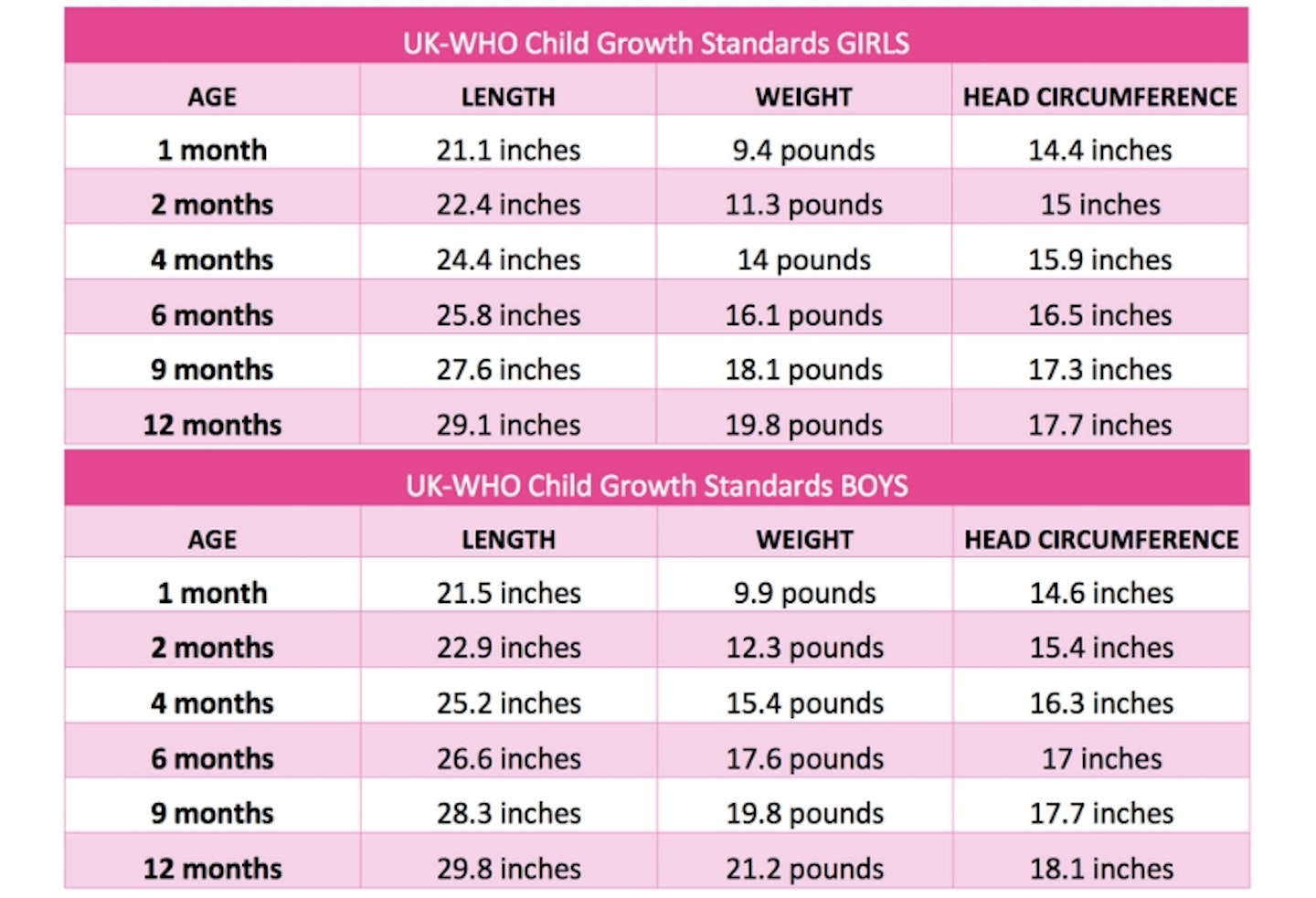
Understanding where a 15-pound infant falls on standardized growth charts requires looking at both age and sex. Pediatricians in the United States primary rely on the World Health Organization (WHO) Child Growth Standards for children under two years of age. These charts measure physical growth relative to a global sample of healthy, breastfed infants.
A static weight of 15 pounds carries different clinical meanings depending on your infant's current age:
- 3 Months Old: A 15-pound 3-month-old is in the upper percentiles for weight (around the 85th to 90th percentile for boys and above the 90th percentile for girls). This often reflects a larger birth weight or rapid early infancy growth velocity.
- 4 to 5 Months Old: This is the median (50th percentile) range. A 15-pound boy hits this mark at approximately 4 months, while a 15-pound girl reaches it between 4.5 and 5 months.
- 6 Months Old: A 15-pound 6-month-old sits closer to the 15th to 25th percentile. While lower on the curve, this is completely healthy if the child has steadily followed this curve since birth.
Pediatric providers emphasize growth velocity—the rate at which a baby gains weight and length over time—rather than a single percentile rank. A baby who consistently tracks along the 15th percentile line is growing just as healthily as one who tracks along the 80th percentile. Sharp deviations from an established growth curve (such as crossing two major percentile lines downward or upward) warrant a conversation with your pediatrician to evaluate feeding efficiency, metabolism, or digestive health.
Key Developmental Milestones at the 15 lb Stage
Because most 15-pound babies fall into the 3- to 6-month age window, they undergo significant physical, cognitive, and communication changes. The Centers for Disease Control and Prevention (CDC) milestone guidelines highlight several key skills infants develop during this period.
Gross and Fine Motor Development
Physical strength increases rapidly during this phase. Infants gain improved control over their neck, trunk, and arms:
- Head and Neck Control: When held upright, a baby at this stage should hold their head steady without support. During tummy time, they can lift their head and chest up to 90 degrees, pushing up on their forearms.
- Rolling Ability: Many babies begin rolling from front to back around 4 months, followed by back to front around 5 or 6 months. Rolling requires strong core engagement and upper body coordination.
- Reaching and Grasping: Infants move from involuntary reflexes to intentional reaching. They can grasp toys, shake a rattle, and bring objects directly to their mouth for oral exploration.
Cognitive and Visual Processing
A 15-pound infant displays heightened awareness of their environment:
- Visual Tracking: Full-color vision and depth perception improve. The infant can track moving objects seamlessly across a 180-degree arc and recognize familiar faces across a room.
- Cause and Effect: Babies begin to understand basic cause-and-effect relationships, such as realizing that shaking a rattle creates a sound or kicking a mobile moves the hanging toys.
Social and Communication Skills
Communication moves beyond basic crying to include varied auditory and facial expressions:
- Social Smiling and Laughing: Infants smile responsively at caregivers and frequently squeal, giggle, or chuckle in response to playful interaction.
- Vocalizations: Cooing evolves into consonant-vowel combinations like "ba-ba," "da-da," or "ma-ma" (though without specific intent yet).
- Emotional Responsiveness: Babies react to tone of voice and turn their head toward the sound of familiar voices.
Infant Profile Reference: 15 lb Growth & Care Overview
The following table summarizes standard developmental markers, care recommendations, and size fits for an infant weighing approximately 15 pounds across the typical 3- to 6-month age spectrum.
| Developmental Category | 3 Months Old (15 lbs) | 4 to 5 Months Old (15 lbs) | 6 Months Old (15 lbs) |
|---|---|---|---|
| WHO Growth Percentile (Approx.) | Boys: ~85th–90th / Girls: >90th | Boys: ~50th / Girls: ~50th–65th | Boys: ~15th–20th / Girls: ~25th–30th |
| Typical Daily Feeding Intake | 24–32 oz total (Breast milk/Formula) | 24–32 oz total (Breast milk/Formula) | 28–32 oz liquid + solid food trial |
| Average Daily Sleep | 14–16 hours (3–4 naps) | 12–15 hours (3 naps) | 12–14 hours (2–3 naps) |
| Typical Clothing & Diaper Sizes | Clothing: 3–6M / Diaper: Size 2 | Clothing: 3–6M / Diaper: Size 2 or 3 | Clothing: 3–6M or 6M / Diaper: Size 3 |
| Primary Physical Focus | Head lifting, partial roll attempt | Rolling back to side/front, pushing up | Tripod sitting, rolling both ways |
| Solid Food Readiness | Not ready (Exclusive milk required) | Assess readiness signs with pediatrician | Ready to start single-ingredient purées |
Feeding and Nutritional Requirements
Feeding patterns for a 15-pound baby depend primarily on whether nutrition comes exclusively from breast milk/formula or includes early solid foods.
Liquid Nutrition Volumes
As a standard pediatric guideline, formula-fed infants generally consume about 2.5 ounces of formula per pound of body weight per day, up to a maximum cap of roughly 32 ounces in 24 hours. For a 15-pound infant:
- Daily Total Target: Approximately 24 to 32 fluid ounces per 24-hour period.
- Feeding Frequency: Typically divided into 5 to 6 feedings of 4 to 6 ounces every 3 to 4 hours.
- Breastfed Infants: Breastfed babies generally regulate their intake based on volume rather than total weight. A breastfed 15-pound baby typically feeds 6 to 8 times daily, extracting roughly 3 to 4 ounces per nursing session.
Evaluating Solid Food Readiness
While historical guidelines suggested starting solids based on reaching 13 to 15 pounds, modern standards established by the American Academy of Pediatrics (AAP) recommend using developmental readiness cues rather than scale weight alone. Most infants are ready for solids around 6 months of age.
Key readiness signals include:
- Head and Neck Stability: Ability to hold the head upright and steady without support while seated.
- Supported Sitting: Ability to sit upright in a high chair with minimal assistance.
- Extrusion Reflex Loss: Loss of the tongue-thrust reflex that automatically pushes non-liquid food out of the mouth.
- Hand-to-Mouth Coordination: Bringing hands, toys, or spoons to the mouth accurately.
- Interest in Food: Watching caregivers eat, reaching for food items, or opening the mouth when food is presented.
Never introduce solid foods prior to 4 months (16 weeks) of age, as an infant's digestive tract and kidneys require time to mature to process complex nutrients safely.
Sleep Patterns and Safe Sleep Guidelines
Sleep expectations change significantly as babies reach the 15-pound weight milestone, largely due to brain maturation and physical rolling capabilities.
Total Sleep Expectations
A typical infant at this stage sleeps between 12 and 15 hours per 24-hour cycle. Nighttime sleep consolidated into longer stretches of 6 to 8 hours becomes common, supported by 2 to 3 daytime naps lasting anywhere from 45 minutes to 2 hours.
Around 4 months of age, many infants experience the "4-month sleep regression." This structural change occurs as infant sleep architecture transitions from newborn sleep cycles into mature adult-like sleep stages (NREM and REM sleep). During this shift, babies may wake more frequently between 90-minute sleep cycles and require assistance self-soothing back to sleep.
Critical Safe Sleep Rules (AAP Guidelines)
As physical mobility increases, maintaining a safe sleep environment is vital to prevent Sudden Infant Death Syndrome (SIDS) and accidental suffocation:
- Transition Away From Swaddling: The AAP explicitly advises that swaddling must be discontinued as soon as an infant shows any signs of attempting to roll over, or by 3 to 4 months of age—whichever comes first. Swaddling a rolling baby poses a severe risk of suffocation if the infant rolls onto their stomach with their arms restricted. Transition to a wearable sleep sack that leaves the arms free.
- Back to Sleep: Always place your infant on their back for every nap and nighttime sleep. If a 15-pound baby rolls independently from back to stomach and stomach to back during sleep, you do not need to flip them back onto their back, provided their arms are completely free and the sleep surface is clear.
- Bare Crib Environment: Keep the crib mattress firm, flat, and fitted with a tight sheet. Remove all soft items, including loose blankets, pillows, bumper pads, stuffed animals, and positioners.
- Room Sharing: Keep the infant's crib or bassinet in the parents' bedroom close to the bed for at least the first 6 months. Avoid bed-sharing (co-sleeping on the same sleep surface), which increases SIDS and entrapment risks.
Equipment, Diapering, and Safety Adjustments
Reaching 15 pounds requires parents to audit daily baby gear to ensure proper safety, comfort, and ergonomic fit.
Diaper and Clothing Sizing
- Diapers: A 15-pound baby usually sits right at the transition point between Size 2 (typically 12–18 lbs) and Size 3 (typically 16–28 lbs). If you notice red skin marks around the legs or waist, frequent leaks, or difficulty closing the tab fasteners, upgrade to Size 3.
- Clothing: Most 15-pound babies wear 3–6 months clothing. Look for expandable envelope necklines and bottom snaps to facilitate easy changing during active rolling phases.
Infant Car Seat Adjustments
Check your car seat manufacturer's manual for specific height and weight thresholds:
- Rear-Facing Position: Infants must remain in a rear-facing car seat. The AAP recommends keeping children rear-facing until they reach the maximum weight or height allowed by their specific convertible car seat manufacturer.
- Harness Height: For rear-facing car seats, the shoulder harness straps must originate at or below the child's shoulders.
- Chest Clip Placement: Position the chest clip at center-chest level, even with the infant's armpits, to secure the harness across the rigid breastbone.
- Infant Insert Removal: Many infant car seats require removing newborn body support inserts once the baby reaches 11 to 15 pounds. Check your seat manual to prevent improper harness fit.
Practical Care Tips for Daily Routines
Managing a 15-pound, increasingly active infant involves adjusting daily care activities to support motor development and comfort.
Optimizing Tummy Time
Tummy time remains essential for strengthening trunk, neck, and shoulder muscles necessary for sitting and crawling.
- Aim for Frequency: Target 30 to 45 minutes of total tummy time daily, broken into 5- to 10-minute sessions when the baby is awake and alert.
- Engage Visually: Place high-contrast toys, unbreakable mirrors, or colorful books directly at eye level to encourage the baby to lift their head.
- Use Support: If your baby resists tummy time, place a small rolled towel under their chest or position them chest-to-chest on your incline while leaning back on a couch or bed.
Bathing and Skin Care
As babies grow heavier and more mobile, bath time requires heightened attention to safety:
- Switch Bathing Gear: If your baby outgrows an infant sink tub, transition to a contoured infant tub placed inside a standard bathtub. Never leave an infant unattended near water for any duration.
- Skin Fold Hygiene: A 15-pound baby often has deep skin folds around the neck, thighs, and wrists. Clean these areas daily with warm water and dry them completely to prevent moisture buildup, chafing, and yeast rash (intertrigo).
When to Consult Your Pediatrician
While standard growth charts provide useful general guidance, specific signs require clinical evaluation by your pediatrician.
Schedule an appointment if you notice any of the following warning signs:
- Growth Concerns: The baby drops across two or more major percentile lines on their weight or length chart, or shows zero weight gain over a 4-week period.
- Motor Delays: The baby cannot hold their head steady when upright by 4 months, does not push down with their legs when feet are placed on a firm surface, or shows persistent asymmetry (using only one arm or leg).
- Sensory and Communication Gaps: The baby does not track moving objects visually, fails to respond to loud sounds, does not smile at caregivers by 4 months, or makes no cooing vocalizations.
- Feeding Distress: Persistent forceful vomiting (distinguished from normal spit-up), signs of dehydration (fewer than 4–6 wet diapers in 24 hours), or clear discomfort during feedings.
Next Steps for Parents
To support your baby’s growth at the 15-pound milestone, focus on these actionable steps:
- Audit Sleep Equipment: If your baby is swaddled, transition immediately to an open-arm sleep sack to accommodate emerging rolling skills safely.
- Review Car Seat Manuals: Check whether internal infant support pads need removal based on your baby's current weight. Ensure shoulder straps originate at or below shoulder level.
- Track Growth Percentiles: Keep an accurate log of weight, length, and head circumference from regular well-child visits (such as the 4-month or 6-month checkups) to monitor long-term growth velocity.
- Schedule the Next Checkup: Ensure your infant is scheduled for their standard 4-month or 6-month well-child examination, where healthcare providers monitor developmental progress and administer standard pediatric immunizations.
Frequently Asked Questions
Is 15 pounds normal for a 3-month-old baby?
Yes, 15 pounds is completely normal for a 3-month-old, though it places the baby in the upper weight percentiles (around the 85th percentile or higher). Infants born with higher birth weights or those experiencing rapid early growth frequently reach 15 pounds by 3 months. As long as your pediatrician confirms steady growth along their individual curve, a higher percentile is healthy.
How much formula should a 15 lb baby drink in a day?
A 15-pound formula-fed baby generally drinks between 24 and 32 total fluid ounces per day. This usually translates to 5 or 6 bottles per day, with each bottle containing 4 to 6 ounces. Pediatricians advise capping daily formula intake around 32 ounces in 24 hours unless otherwise directed by a physician.
Can a 15 lb baby start eating solid foods?
Reaching 15 pounds alone does not mean a baby is ready for solid foods. The American Academy of Pediatrics recommends evaluating physical readiness cues around 6 months of age rather than relying on weight alone. Your baby should demonstrate strong head control, sit with minimal support in a high chair, and show interest in food before starting purées or baby-led weaning.
Should I stop swaddling my baby at 15 lbs?
Yes, if your 15-pound baby shows any signs of trying to roll over—or has reached 3 to 4 months of age—you should stop swaddling immediately. Swaddling a baby who can roll onto their stomach creates a serious suffocation hazard. Transition your baby to a sleeveless wearable blanket (sleep sack) that leaves their arms completely free.
What size clothing and diapers fit a 15 lb baby?
A 15-pound baby typically fits into 3–6 months clothing sizes, though body length may dictate moving up to 6-month clothing in some brands. For diapers, a 15-pound infant is usually transitioning between Size 2 (12–18 lbs) and Size 3 (16–28 lbs). Upgrade to Size 3 if you observe waist red marks or frequent leakage.