A 14lb (6.35 kg) baby is typically between two and five months old, depending on their biological sex and birth weight. At this stage, weight is a primary indicator of healthy caloric intake and metabolic function. While most 14-pound infants fall within the 50th to 90th percentile for 2-month-olds or the 10th to 50th percentile for 4-month-olds, the most critical factor is a steady growth curve rather than the specific number on the scale.
Understanding Your 14lb Baby’s Position on Growth Charts
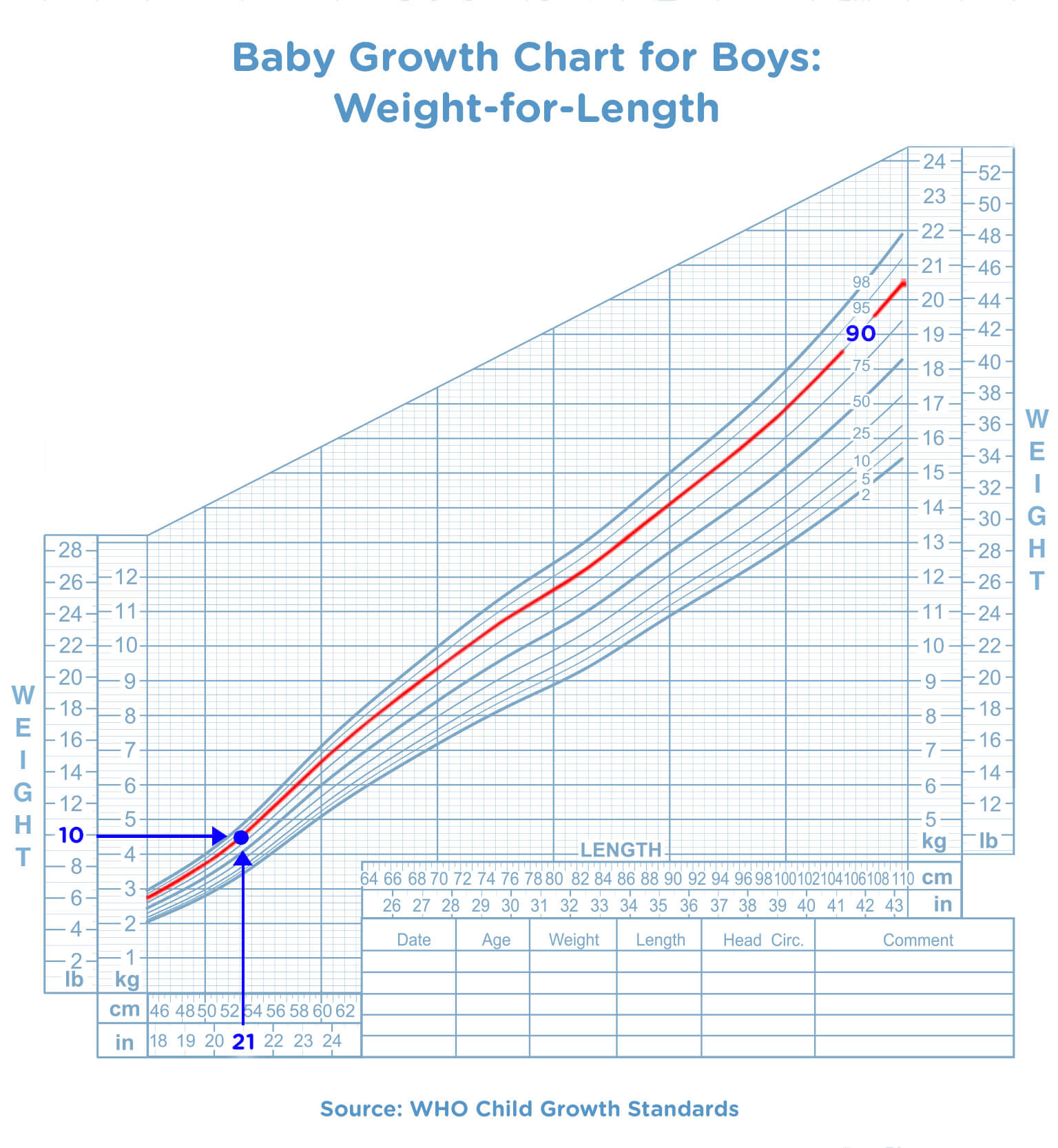
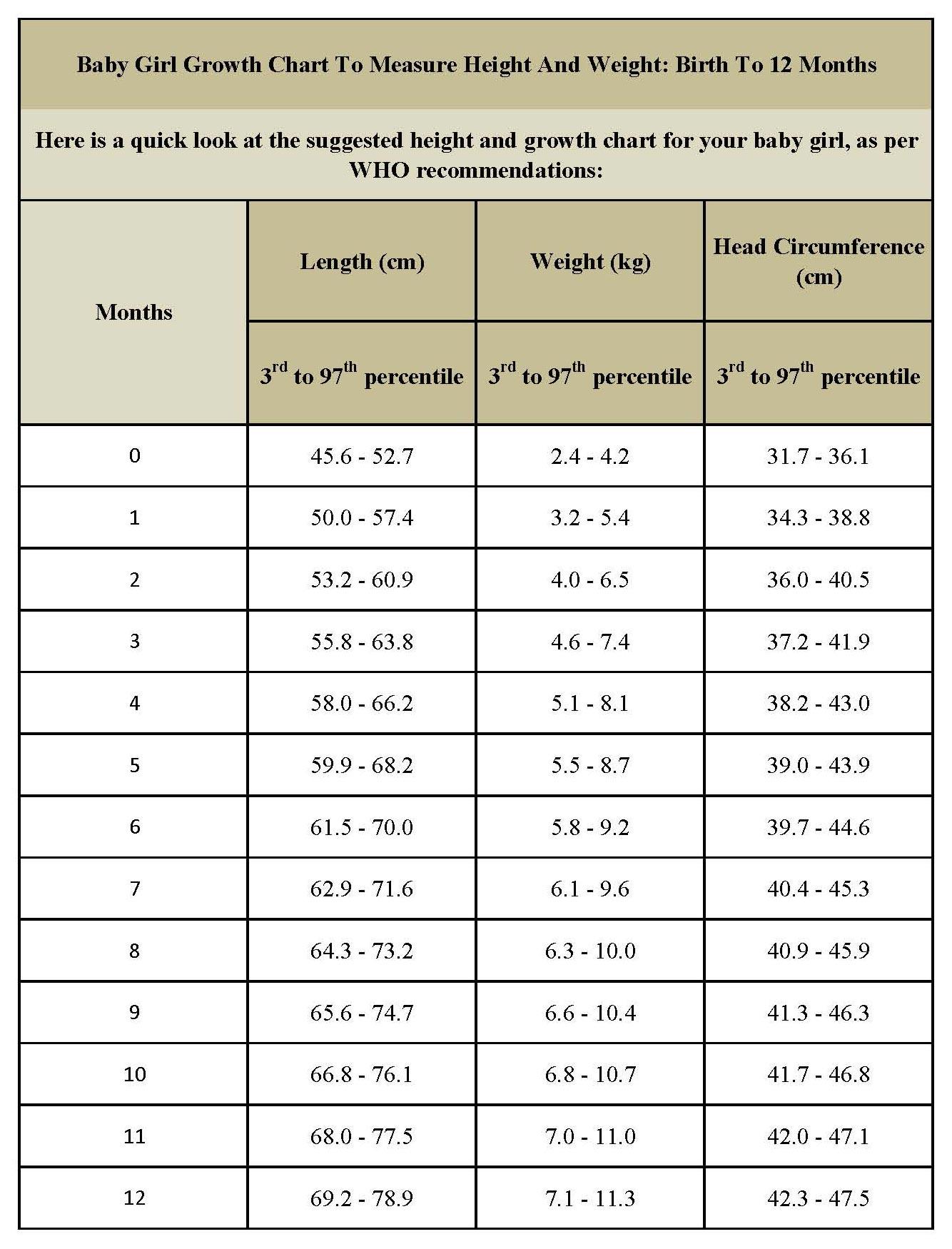
In 2026, pediatricians continue to use the World Health Organization (WHO) growth standards for infants aged 0 to 24 months. These charts are based on the growth patterns of children raised in environments that support optimal health, such as breastfeeding and non-smoking households. When your baby reaches the 14-pound mark, their "percentile" depends entirely on their age and sex.
For instance, a 2-month-old male weighing 14 pounds is in approximately the 85th percentile, meaning he weighs more than 85% of other boys his age. Conversely, a 5-month-old female weighing 14 pounds would be in approximately the 15th percentile. Being "large" or "small" on the chart is not inherently good or bad; medical professionals look for "growth velocity"—a consistent climb along a specific percentile line over several months.
Percentile vs. Growth Velocity
Parents often worry if their baby is in a low or high percentile. However, a 14lb baby who has consistently been in the 10th percentile is often healthier than a baby who was in the 90th percentile and suddenly dropped to the 50th. A significant "crossing of percentiles" (moving up or down two major lines) is usually what prompts a pediatrician to investigate potential nutritional or underlying health issues.
The Role of Body Mass Index (BMI) and Proportions
At this weight, the weight-for-length ratio becomes a more nuanced metric. A 14lb baby who is 24 inches long has a different body composition than a 14lb baby who is 21 inches long. In 2026, clinical focus remains on ensuring that head circumference, weight, and length all grow in a relatively proportional manner to ensure brain development is keeping pace with physical mass.
Typical Age Range and Growth Variations for a 14-Pound Baby
While most babies hit the 14-pound milestone in their first few months of life, the timing varies significantly based on genetics, nutrition, and gestational age at birth.
| Age of Baby | Sex | Percentile for 14 lbs (Approx.) | Typical Diaper Size |
|---|---|---|---|
| 2 Months | Male | 85th Percentile | Size 2 |
| 2 Months | Female | 95th Percentile | Size 2 |
| 3 Months | Male | 50th Percentile | Size 2 or 3 |
| 3 Months | Female | 75th Percentile | Size 2 or 3 |
| 4 Months | Male | 20th Percentile | Size 3 |
| 4 Months | Female | 40th Percentile | Size 3 |
| 5 Months | Male | 5th Percentile | Size 3 |
| 5 Months | Female | 15th Percentile | Size 3 |
Genetic Factors and Birth Weight
A baby born at 9 or 10 pounds (macrosomia) will likely reach 14 pounds much faster than a baby born at 6 pounds. It is common for "big" newborns to stay on the higher end of the growth curve throughout their first year. Likewise, babies born to taller parents often show higher weight-for-age metrics because their skeletal frame is larger.
Breastfed vs. Formula-Fed Growth Patterns
Research consistently shows that breastfed and formula-fed infants grow at different rates. Breastfed babies often gain weight rapidly in the first 2-3 months and then see a deceleration in weight gain as they approach the 6-month mark. Formula-fed infants may show a more linear, steady increase. If your 14lb baby is breastfed, do not be surprised if their weight gain slows down slightly once they hit this milestone.
Developmental Milestones for Infants Weighing 14 Pounds
It is vital to remember that developmental milestones—such as rolling, smiling, and grasping—are linked to chronological age and neurological maturity, not weight. However, physical mass can occasionally influence the timing of gross motor skills.
Gross Motor Skills (2–4 Month Range)
If your 14lb baby is around 3 months old, you can expect significant progress in head control. During tummy time, they should be able to lift their head and chest, occasionally supporting themselves on their forearms. A "sturdier" 14lb baby may find rolling more of a challenge initially, as they have more mass to shift. Conversely, some larger babies have higher muscle tone which helps them reach for objects earlier.
Social and Cognitive Development
Regardless of weight, by the time a baby reaches the typical 14-pound age range (3-4 months), they should be:
- Social Smiling: Specifically smiling at parents or caregivers to initiate interaction.
- Cooing and Gurgling: Experimenting with vowel sounds (ooh, aah).
- Visual Tracking: Following a moving object or person from side to side without losing focus.
- Hand Discovery: Bringing hands to their mouth and watching their own hand movements.
The "Chunky Baby" Motor Delay Myth
There is a common misconception that heavier babies are "lazy" or delayed. While a very high weight-for-length ratio might make it physically more taxing for a 4-month-old to roll over, it does not indicate a neurological delay. Provided the baby is given ample floor time and opportunities to move, they will meet their milestones within the standard windows.
Nutrition and Feeding Guidelines for a 14lb Infant
A 14-pound baby requires a significant caloric intake to maintain their metabolism and support further growth. In 2026, the general recommendation remains exclusive breastfeeding or formula feeding until approximately 6 months of age.
Daily Caloric and Ounce Requirements
As a general rule of thumb, infants require about 2.5 ounces of formula or breastmilk per pound of body weight every 24 hours. For a 14lb baby, this equates to approximately 35 ounces per day.
- Frequency: Most 14lb babies will take 5 to 7 ounces per feeding, every 3 to 5 hours.
- Breastfeeding: If breastfeeding, the baby will typically nurse for 15-20 minutes per side. Since you cannot measure ounces, look for "satiety cues" like relaxed hands, falling asleep, or pulling away from the breast.
Signs of Hunger vs. Overfeeding
Because 14 pounds can be a "robust" weight for a young infant, parents sometimes worry about overfeeding. Babies are generally excellent at self-regulating. Hunger cues include rooting, sucking on fists, and smacking lips. Crying is a late hunger cue. Overfeeding—more common with bottle-feeding—can lead to excessive spitting up, gassiness, and irritability. Always use a "paced bottle-feeding" technique to allow the baby to recognize when they are full.
Practical Care Tips for Your 14lb Baby
Managing a 14-pound infant involves specific practical considerations, ranging from skin hygiene to equipment safety.
Skin Fold Hygiene (Intertrigo Prevention)
"Chunky" babies often have deep skin folds around the thighs, neck, and wrists. These areas are prone to moisture trapment, which can lead to redness, yeast infections, or a condition called intertrigo.
- Daily Routine: During every bath and diaper change, gently lift the folds to clean with a mild, fragrance-free cleanser.
- Drying is Key: Ensure these areas are patted completely dry. Applying a thin barrier of petroleum jelly or a zinc-based cream can prevent friction and moisture buildup.
Diapering and Clothing Transitions
At 14 pounds, your baby has likely outgrown "Newborn" and "Size 1" diapers. Most 14lb babies fit best in Size 2 or Size 3 diapers. A diaper that is too small will cause red marks around the legs and increase the likelihood of "blowouts." For clothing, many parents find that 3-6 month or even 6-9 month sizes are necessary. Look for stretchy fabrics that don't constrict the abdomen, especially if your baby has a prominent "tummy."
Equipment Weight Limits
Check the manufacturer’s instructions for any baby gear you are using.
- Infant Swings/Bouncers: Many have a weight limit of 20-25 lbs. A 14lb baby is safely within this, but they may sit lower in the seat, requiring harness adjustments.
- Bassinet Safety: Many bassinets have a weight limit of 15 lbs or a milestone limit (whenever the baby can push up on hands and knees). At 14 lbs, your baby is approaching the limit of many smaller bassinets.
- Car Seats: Ensure the shoulder straps are still coming from at or slightly below the shoulders for rear-facing seats.
When to Consult Your Pediatrician
While a 14lb weight is usually a sign of a thriving baby, certain patterns warrant a professional consultation.
Growth Stagnation or Spikes
If your baby was 14 pounds last month and is still 14 pounds this month, it could indicate "failure to thrive" or an issue with milk supply/absorption. Conversely, a sudden jump from the 50th to the 99th percentile may lead a doctor to check for metabolic issues or overfeeding.
Lethargy and Weakness
Weight should come with energy. If your 14lb baby seems unusually lethargic, has a weak cry, or is not meeting basic milestones like lifting their head by 4 months, consult your doctor. Large babies should be just as active and alert as their smaller peers.
Digestive Issues
If the weight gain is accompanied by projectile vomiting (not just standard spit-up), chronic diarrhea, or extreme constipation, it may indicate a protein sensitivity or a structural digestive issue like pyloric stenosis (though this usually appears earlier).
FAQ
Is 14 pounds too heavy for a 2-month-old?
No, 14 pounds is not necessarily too heavy. For a 2-month-old boy, this is in the 85th-90th percentile, which is considered a healthy, robust weight. Doctors are more concerned with the growth trend than the single number.
What size diaper does a 14lb baby wear?
A 14lb baby typically wears a Size 2 diaper. However, if your baby has "chunky" thighs or if you are experiencing frequent leaks, moving up to a Size 3 can provide better coverage and absorbency.
Should I start solids if my 14lb baby seems hungry?
In 2026, the WHO and AAP continue to recommend waiting until approximately 6 months of age, regardless of weight. A 14lb baby who seems hungry should be offered more frequent or larger breastmilk/formula feedings rather than premature solid foods, which their digestive system is not yet ready to process.
How much should a 14lb baby sleep?
Weight doesn't significantly change sleep requirements. A baby in the 3-4 month age range (the typical age for 14 lbs) usually needs 12-15 hours of sleep per 24 hours, including 2-3 daytime naps. Some "heavier" babies may start sleeping longer stretches at night because they can consume more calories during the day.
Can a 14lb baby fit in a bassinet?
Most bassinets have a weight limit between 15 and 20 pounds. If your baby is 14 pounds, they are nearing the limit for many models. You should also check if they can roll or push up; if they can do either, it is time to move them to a full-sized crib for safety.
Prioritize Consistent Monitoring and Skin Care
As your baby reaches the 14-pound milestone, your primary focus should be on maintaining their growth curve and ensuring their physical comfort. Schedule your regular well-baby visits to have their measurements professionally plotted on a WHO growth chart. Simultaneously, pay close attention to hygiene in their skin folds and ensure all baby gear—especially bassinets and swings—is still rated for their increasing weight. Transitioning to a crib and larger diaper sizes now will ensure your baby remains safe and comfortable as they move toward their next major growth milestone.