1492 Pictures is an American film production company founded in 1994 by director and producer Chris Columbus. The company is renowned for producing some of the most successful family-oriented and blockbuster franchises in cinematic history, including the first two Harry Potter films, the Night at the Museum series, and The Christmas Chronicles.
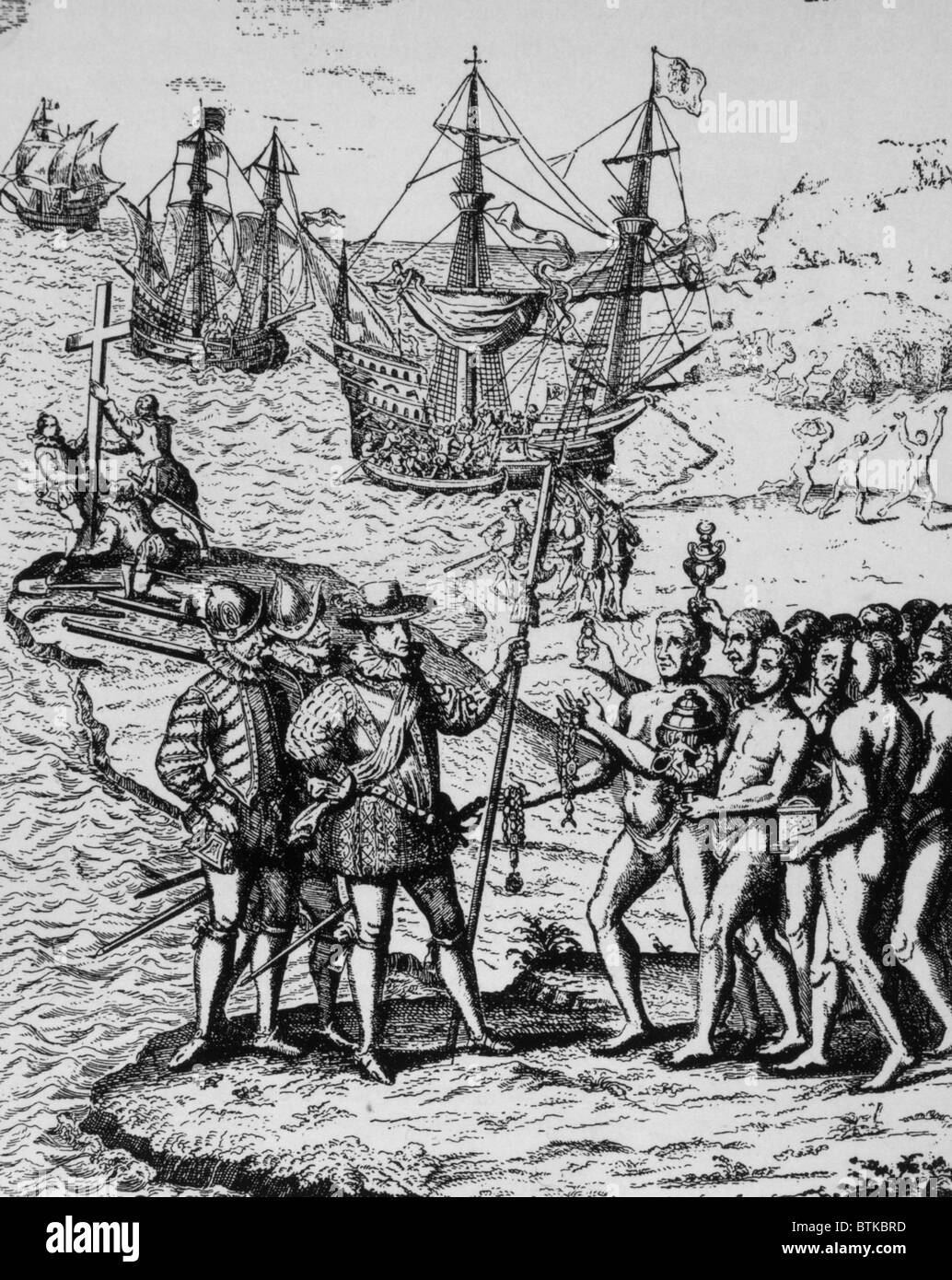
The name "1492 Pictures" is a playful nod to the company’s founder, Chris Columbus, sharing a name with the famous explorer who sailed to the Americas in 1492. Since its inception, the banner has become synonymous with high-concept storytelling, emotional resonance, and commercial viability. While the film industry has shifted significantly toward streaming and digital distribution by 2026, 1492 Pictures remains a pivotal player in the landscape of family entertainment, maintaining a prestige that few production houses can match.
The Origins and Vision of Chris Columbus
Before 1492 Pictures was established, Chris Columbus had already cemented his reputation as a master of the "Amblin-style" family adventure. Having written Gremlins and The Goonies, and directed Home Alone and Mrs. Doubtfire, Columbus sought to create a formal entity that would allow him greater creative control over his projects and the ability to produce films for other directors.
The company was officially incorporated in 1994. Its mission was clear: to produce films that bridged the gap between childhood wonder and adult sentimentality. This philosophy was not merely about "kids' movies" but about creating "four-quadrant" hits—films that appeal to men, women, children, and adults alike. By focusing on universal themes such as family dynamics, the loss of innocence, and the discovery of magic in the mundane, 1492 Pictures carved out a specific niche that dominated the box office for over three decades.
In the early years, the company operated primarily out of a deal with 20th Century Fox, a partnership that yielded massive successes like Mrs. Doubtfire and Jingle All the Way. These films established the 1492 brand as a reliable source of holiday-themed and family-centric content, a reputation that continues to define its output in 2026.
Defining the Modern Blockbuster: The Harry Potter Era
The most significant milestone in the history of 1492 Pictures was the acquisition and production of the Harry Potter film rights. Alongside Warner Bros., 1492 Pictures was the driving force behind Harry Potter and the Sorcerer's Stone (2001) and Harry Potter and the Chamber of Secrets (2002).
Columbus’s role as both director and producer via 1492 Pictures was instrumental in setting the visual and tonal template for the entire eight-film franchise. The company was responsible for the initial casting of Daniel Radcliffe, Emma Watson, and Rupert Grint—a decision that remains one of the most successful casting gambles in Hollywood history. The production hurdles were immense, requiring the creation of a massive "living" world through practical sets at Leavesden Studios and cutting-edge visual effects.
By managing the transition of J.K. Rowling’s literary phenomenon to the silver screen, 1492 Pictures demonstrated an ability to handle massive intellectual properties (IP) without losing the intimate, character-driven focus that fans demanded. Even as the series progressed with different directors, the foundation laid by 1492 Pictures provided the structural integrity that allowed the franchise to thrive for a decade.
Diversification and the Shift to High-Concept Comedy
Following the initial success of the Wizarding World, 1492 Pictures expanded its portfolio to include various genres while maintaining its core focus on spectacle and heart. The 2000s and 2010s saw the company venture into diverse territories:
- VFX-Driven Spectacle: The Night at the Museum trilogy (starting in 2006) showcased the company's ability to blend high-end CGI with classic comedic timing. These films became a global phenomenon, proving that 1492 Pictures could sustain original franchises outside of literary adaptations.
- Prestige Drama: In a departure from its usual fare, the company produced The Help (2011). The film was a critical and commercial triumph, earning multiple Academy Award nominations and proving that Columbus’s production sensibilities could extend to serious historical and social narratives.
- Genre Experimentation: Films like Pixels (2015) and I Kill Giants (2017) explored the intersection of video games, fantasy, and psychological drama. While these projects met with varying degrees of commercial success, they highlighted the company's willingness to experiment with different visual styles and storytelling formats.
Key Filmography and Commercial Performance
The following table highlights the impact of 1492 Pictures through its most significant releases. These figures illustrate the company's consistent ability to generate substantial global revenue across different decades.
| Film Title | Year | Primary Role | Key Director/Star |
|---|---|---|---|
| Mrs. Doubtfire | 1993 | Production (Pre-Inc.) | Robin Williams |
| Nine Months | 1995 | Production | Hugh Grant |
| Stepmom | 1998 | Production | Julia Roberts / Susan Sarandon |
| Harry Potter and the Sorcerer's Stone | 2001 | Production | Chris Columbus |
| Harry Potter and the Chamber of Secrets | 2002 | Production | Chris Columbus |
| Fantastic Four | 2005 | Production | Tim Story |
| Night at the Museum | 2006 | Production | Ben Stiller |
| The Help | 2011 | Production | Tate Taylor / Viola Davis |
| The Christmas Chronicles | 2018 | Production | Kurt Russell |
| The Christmas Chronicles 2 | 2020 | Production / Direction | Kurt Russell / Chris Columbus |
Adapting to the Streaming Revolution
As the theatrical landscape shifted in the early 2020s, 1492 Pictures was one of the first major production houses to successfully pivot toward streaming partnerships. Their collaboration with Netflix resulted in The Christmas Chronicles franchise, which became a cornerstone of the streamer's holiday programming.
By 2026, the company’s strategy has evolved to balance mid-budget streaming exclusives with large-scale theatrical releases. This dual approach allows 1492 Pictures to maintain its "prestige" status while ensuring its content reaches the widest possible audience. The company has also leaned into the nostalgia market, exploring reboots and legacy sequels of its own properties, a trend that has dominated the mid-2020s entertainment economy.
The technical depth of their productions has also increased. 1492 Pictures has been at the forefront of utilizing Virtual Production (similar to the Volume technology used in The Mandalorian) to reduce location costs while maintaining the grand visual scale for which they are known. This technological adoption has allowed the company to remain competitive in an era where production budgets are under intense scrutiny.
The Aesthetic Hallmark of a 1492 Film
What distinguishes a "1492 Pictures" production from other family entertainment? Several recurring elements define their body of work:
- Warm Color Palettes: Their films often feature a "golden" glow, particularly in domestic settings, emphasizing the themes of home and safety.
- Child’s-Eye View: Columbus frequently directs and produces from a camera height that mirrors a child's perspective, making the world seem larger and more intimidating or magical.
- Orchestral Scores: A hallmark of the company's major hits is the reliance on sweeping, thematic scores (often by John Williams or Alan Silvestri) that guide the emotional journey of the audience.
- Redemption Arcs: Characters in 1492 films are rarely irredeemable. Whether it is a grumbly museum guard or a cynical father, the narrative usually trends toward emotional reconciliation.
These elements have created a "comfort watch" quality to the company’s library, ensuring long-term value in the secondary licensing and streaming markets. In 2026, these legacy titles provide the financial backbone that allows the company to take risks on new, original screenplays.
Frequently Asked Questions
Is 1492 Pictures owned by a major studio?
No, 1492 Pictures is an independent production company, though it has historically maintained "first-look" deals with major studios like 20th Century Fox and Warner Bros. Currently, in 2026, it operates with a high degree of autonomy, frequently partnering with Netflix and Disney+ on a project-by-project basis.
Why is the company called 1492 Pictures?
The name is a direct reference to the year Christopher Columbus arrived in the Americas. Since the company was founded by director Chris Columbus, it serves as a clever play on his name while also suggesting a spirit of exploration and discovery in filmmaking.
Did 1492 Pictures produce all the Harry Potter movies?
1492 Pictures was the primary production company for the first two films, The Sorcerer's Stone and The Chamber of Secrets. For the third film, The Prisoner of Azkaban, Chris Columbus moved into a producer role, and the company remained involved, but as the series grew darker and more mature, the production leadership shifted more heavily toward Heyday Films and Warner Bros.
What are the most recent projects from 1492 Pictures?
As of 2026, the company has focused on expanding its holiday "universe" on streaming platforms and developing several animated adaptations of classic children's literature. They have also been active in producing legacy content that revisits themes from their 1990s hits.
Does Chris Columbus still direct for 1492 Pictures?
Yes, Chris Columbus remains the active head of the company and continues to direct select projects. However, a significant portion of the company’s output involves him acting as a senior producer, mentoring younger directors who share the company's vision for family-centric storytelling.
Strategic Outlook for the Late 2020s
For fans and industry professionals looking to follow the work of 1492 Pictures, the company remains a bellwether for the health of the family film market. In a landscape often dominated by cynical or hyper-kinetic content, 1492 Pictures continues to prioritize the "heart" of the story.
To stay updated on their latest releases, audiences should monitor major streaming announcements and theatrical release calendars. For those interested in the business of film, 1492 Pictures serves as a case study in how to maintain a brand identity for over 30 years without becoming obsolete. Their move into transmedia storytelling—where a film's world is expanded through interactive digital content and immersive experiences—is the next frontier for the company as they head toward the end of the decade.
The enduring success of 1492 Pictures lies in its fundamental understanding of the human experience: the need for belonging, the thrill of adventure, and the enduring power of family, whether born or chosen.