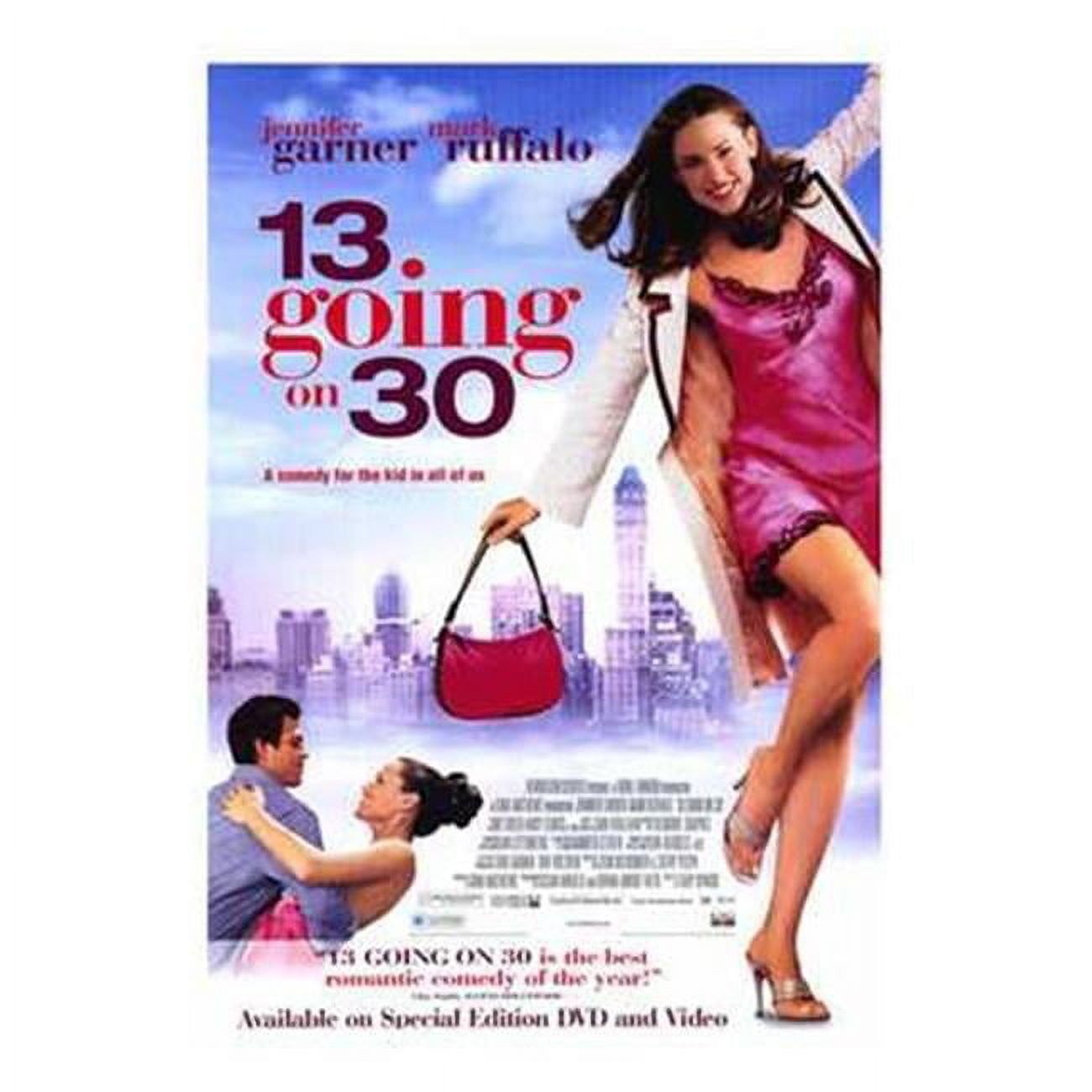
Released in 2004, 13 Going on 30 is a seminal fantasy-comedy film that explores the existential desire for rapid adulthood through the story of Jenna Rink, a 13-year-old girl who magically awakens as a 30-year-old magazine editor. The film serves as both a nostalgic touchstone of 2000s pop culture and a poignant examination of the friction between adolescent idealism and the compromises of adult life.
The Premise and Narrative Arc
The story follows Jenna Rink, a socially awkward teenager in 1987 who, after a humiliating birthday party experience, wishes to be "30, flirty and thriving." Through a supernatural event involving "wishing dust," her wish is granted, and she leaps forward in time to 2004. Jenna finds herself living in a high-end Fifth Avenue apartment, working as a senior editor at Poise, a prominent fashion magazine.
The core narrative tension stems from the discovery that while Jenna achieved her professional goals, she lacks the memories of the intervening seventeen years. She learns that her adult self is estranged from her childhood best friend, Matt Flamhaff, and has compromised many of her core values to climb the corporate ladder. The film functions as a classic "body-swap" subgenre variant, where the physical transformation forces the protagonist to evaluate the integrity of her adult identity against the innocence of her teenage self.
Cultural Context and 2004 Production
Directed by Gary Winick and written by Josh Goldsmith and Cathy Yuspa, 13 Going on 30 captures a distinct era of mid-2000s New York City media culture. The depiction of the magazine industry—specifically the cutthroat environment of a fashion publication—was heavily influenced by the rise of glossy lifestyle media during that decade.
The film relies on a specific set of 1980s cultural markers, such as the ubiquity of "Thriller" by Michael Jackson, which serves as a pivotal dance scene, and the aesthetic transition from 1980s suburban fashion to the polished, early-2000s corporate style. These period details were intentional choices to create a sharp contrast between Jenna’s two lives, grounding the fantasy element in recognizable temporal shifts.
Character Dynamics and Development
The success of the film rests largely on the chemistry between the adult leads and the portrayal of the characters' evolution. Jenna Rink, played by Jennifer Garner, must balance the physical stature of a 30-year-old with the genuine, unrefined emotional responses of a 13-year-old. This dissonance is used primarily for comedic relief, but it also underscores the film's message about maintaining one's authentic self.
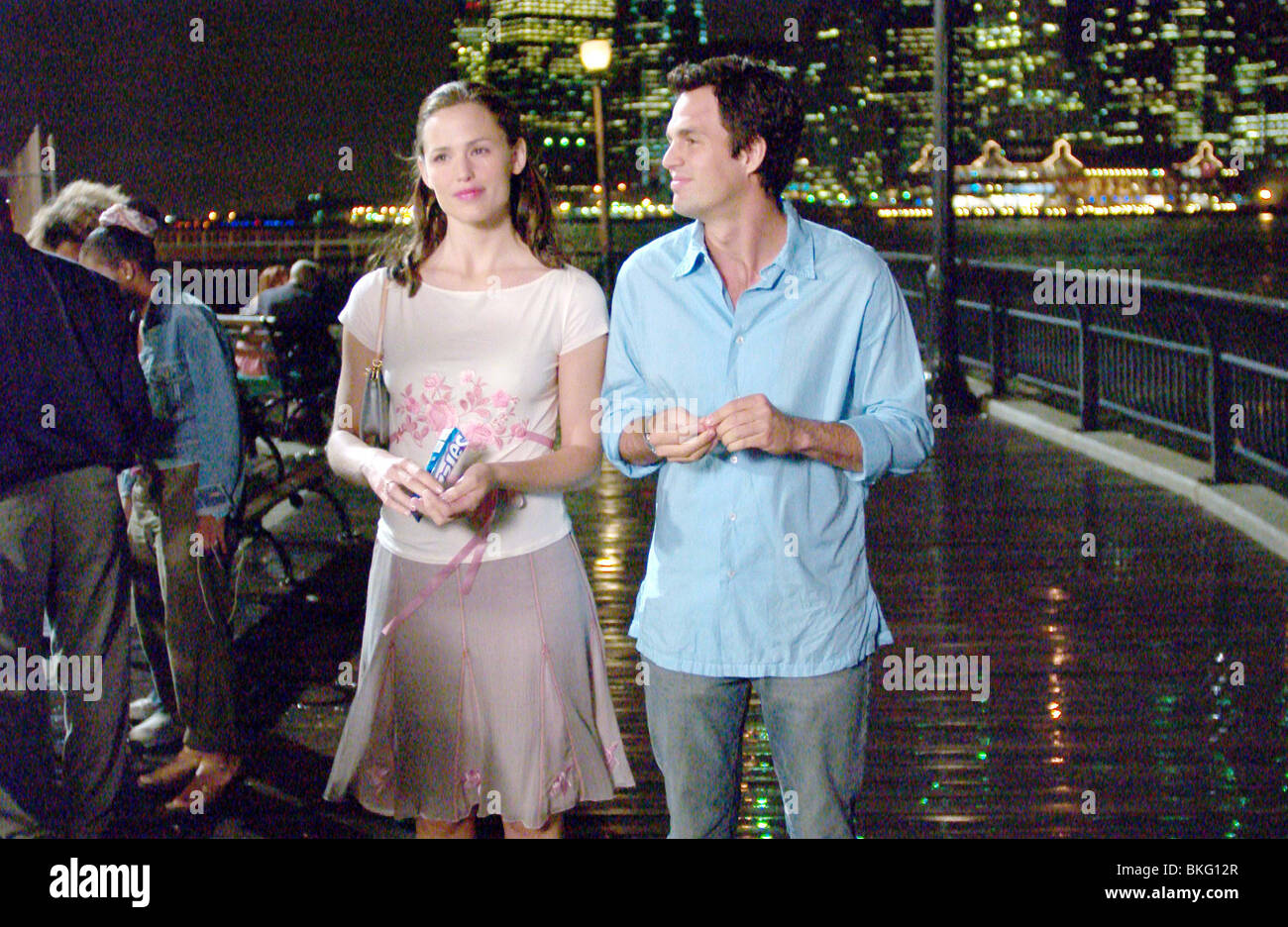
Matt Flamhaff, played by Mark Ruffalo, represents the emotional anchor of the film. As an adult, he is a disillusioned photographer, a contrast to his younger, optimistic self. The relationship between adult Jenna and adult Matt is the primary vehicle for the film’s moral: that the traits we define as "un-cool" or "childish" during our formative years are often the same qualities that provide genuine happiness in adulthood.
Comparative Summary of the Two Realities
The film highlights the divergence between the "idealized" adult life and the "lived" reality of the protagonist.
| Feature | Jenna Rink (Age 13) | Jenna Rink (Age 30) |
|---|---|---|
| Primary Motivation | Social acceptance | Career success / Professional prestige |
| Environment | Suburban 1980s bedroom | High-end Manhattan apartment |
| Key Relationship | Innocent bond with Matt | Estrangement / Professional distance |
| View on Morality | Idealistic / Rigid | Compromised / Pragmatic |
| Signature Aesthetic | Pastel, youthful, DIY | High-fashion, corporate, polished |
The "30, Flirty and Thriving" Concept
The mantra "30, flirty and thriving" has transcended the film itself to become a cultural catchphrase regarding the milestone of turning thirty. In the context of the movie, the phrase acts as an ironic shield. The adult Jenna initially uses it to navigate a social world she doesn't fully understand, only to realize that the "thriving" she achieved was external, measured by status and professional accolades, rather than internal satisfaction.
The screenplay explores the idea that adulthood is often an accumulation of small, often unconscious compromises. When the 13-year-old version of Jenna encounters her adult life, she acts as a mirror, exposing the vapidity of the office politics and the superficial nature of her relationships. This reflection is the catalyst for her decision to reclaim the values she held as a child.
Production and Reception
13 Going on 30 was a significant commercial success, grossing over $96 million worldwide against a budget of $37 million. Critics at the time noted the film's warmth and the standout performance of Jennifer Garner, who was then known primarily for her action role in the television series Alias.
The film is frequently categorized alongside other 2000s coming-of-age or body-swap comedies like Freaky Friday (2003) and Big (1988). While it shares DNA with Big—the seminal "wish-fulfillment" film—13 Going on 30 differentiates itself by focusing on the specific pressures of female social and professional hierarchies.
Potential for Modern Interpretation
In 2026, the film is often analyzed through the lens of late-millennial nostalgia. The themes of burnout, professional disillusionment, and the pursuit of a "perfect" image resonate with contemporary audiences who deal with these issues via social media and remote work environments. The movie acts as a time capsule for an era before the digital saturation of personal lives, making it a frequent subject for retrospective analysis in media studies.
Frequently Asked Questions
Is 13 Going on 30 based on a book?
No, the film is not based on a book. It is an original screenplay written by Josh Goldsmith and Cathy Yuspa. While its premise shares similarities with older films like the 1988 movie Big, the specific plot, characters, and setting are unique to this production.
How does the 1980s setting contribute to the film’s tone?
The 1980s setting serves to highlight the contrast between Jenna’s childhood innocence and the starker, competitive environment of her adult life in 2004. By choosing the 80s, the writers capitalized on a specific aesthetic—bright colors, specific pop music, and adolescent social anxieties—that makes the transition to her adult life feel more jarring and fantastical.
What is the significance of the "Thriller" dance scene?
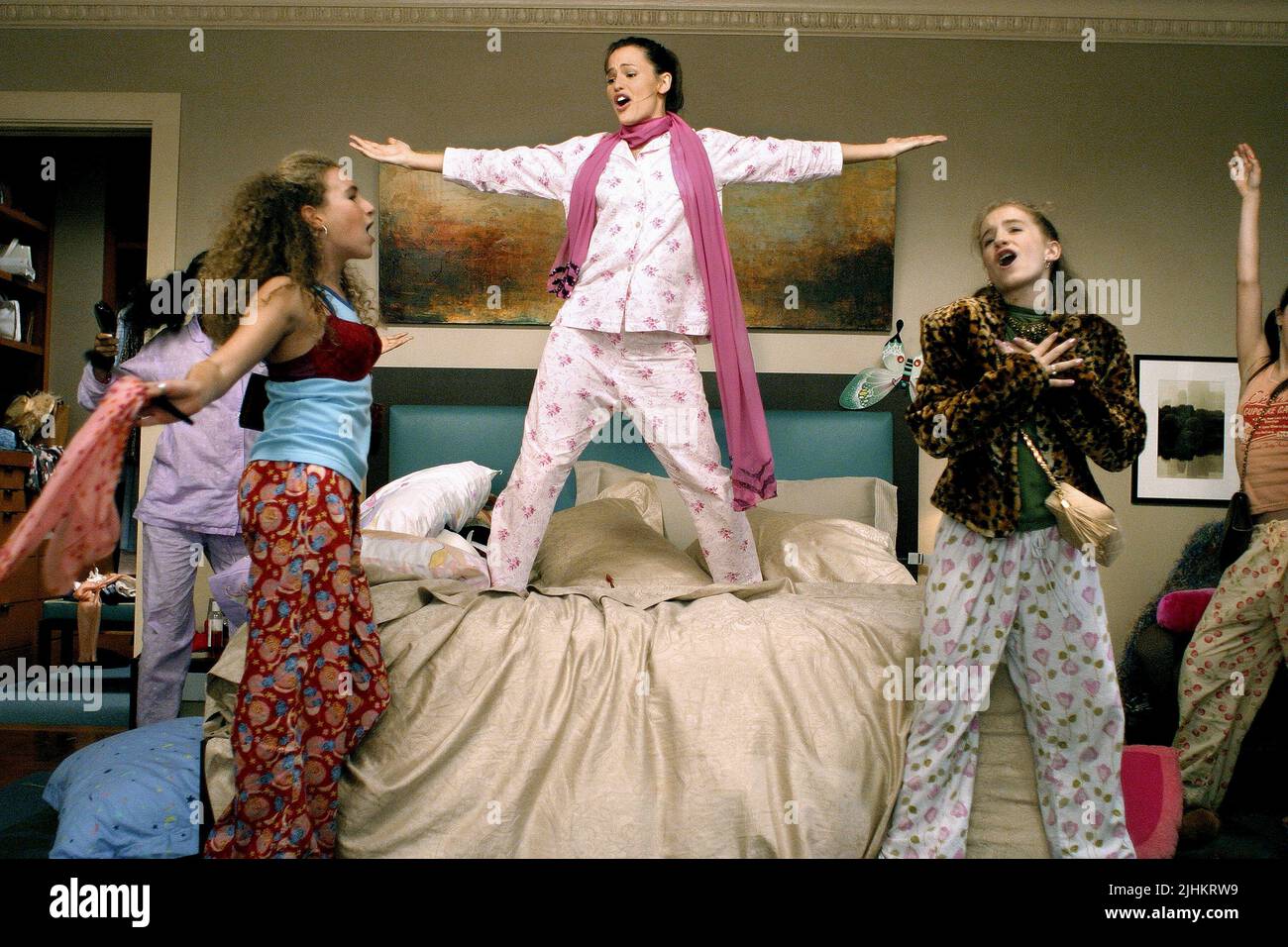
The "Thriller" dance sequence is the film’s central turning point. During a party where the atmosphere is stale and forced, Jenna uses her memory of the 1987 school dance to break the ice and encourage the guests to participate in the dance routine. This moment symbolizes the triumph of genuine, unselfconscious joy over the stiff, performative social expectations of adulthood.
Does the film accurately depict the magazine industry?
The film offers a stylized, cinematic version of the magazine industry, prioritizing narrative tropes—such as the "evil rival editor" and the "cutthroat corporate ladder"—over technical realism. While it captures the general aesthetic of 2000s fashion journalism, it is a satire rather than a documentary, and its depiction of the editorial process is meant to serve the character's development rather than provide an accurate look at professional publishing.
Is the ending of the film ambiguous?
The ending is generally interpreted as a resolution of the supernatural event, but it leaves some ambiguity regarding whether the events were a literal time travel experience or an internal, psychological transformation. However, the film leans into the fantasy element, suggesting that Jenna truly lived through those years and was given a second chance to rectify the choices she made while "living" as her adult self.
Next Steps for Viewers
If you are re-watching or discovering 13 Going on 30 in 2026, consider focusing on the visual storytelling during the transition scenes. Note how the production design—specifically the shift in color palette and furniture styles—mirrors Jenna’s internal state. For those interested in the craft of screenplay structure, analyzing how the film balances the "fish out of water" trope with character-driven drama can provide insight into why this specific entry in the genre has maintained lasting popularity. If you find the film’s themes of personal growth and professional ethics compelling, look for similar mid-2000s dramedies that similarly utilize high-concept premises to explore grounded, human-centric dilemmas.