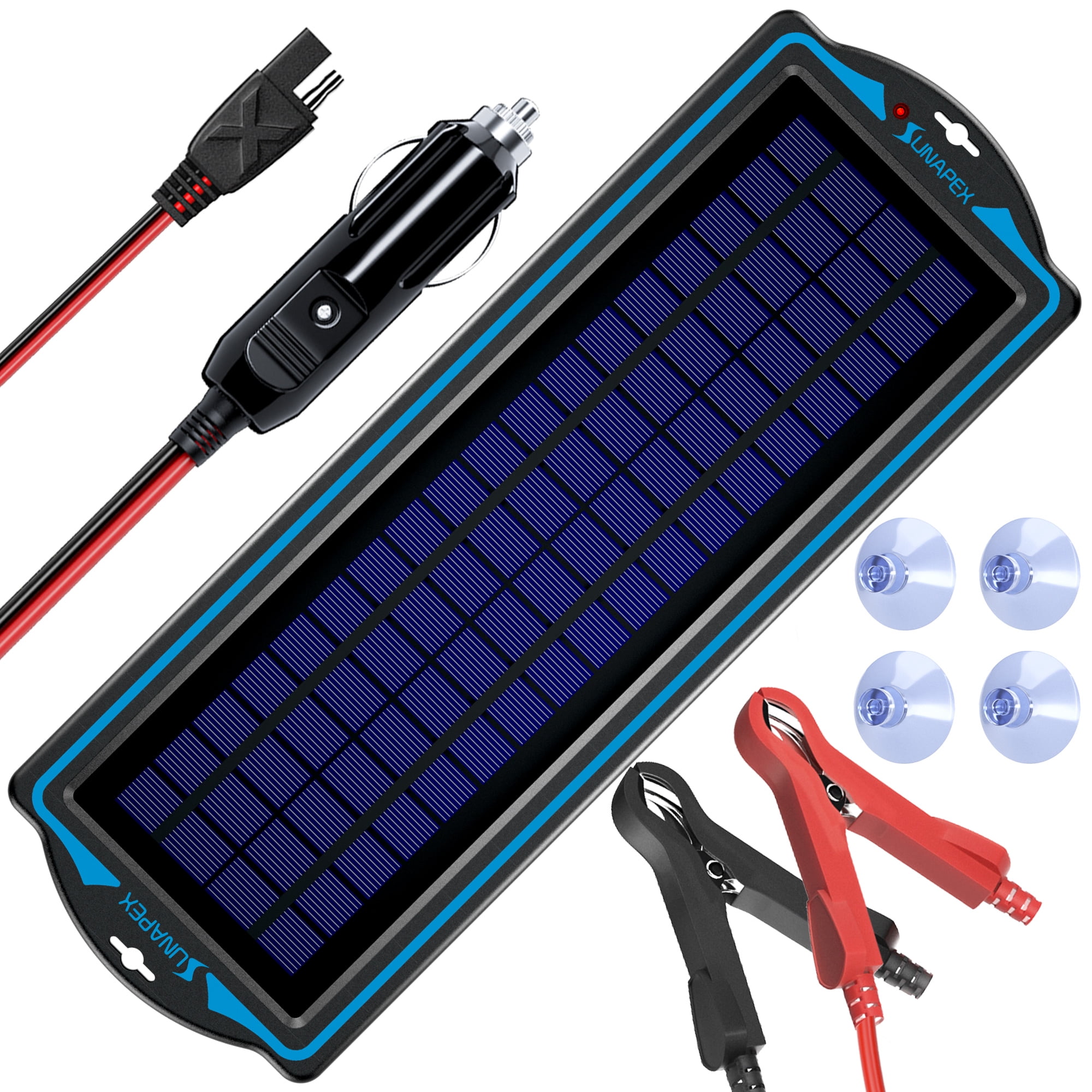
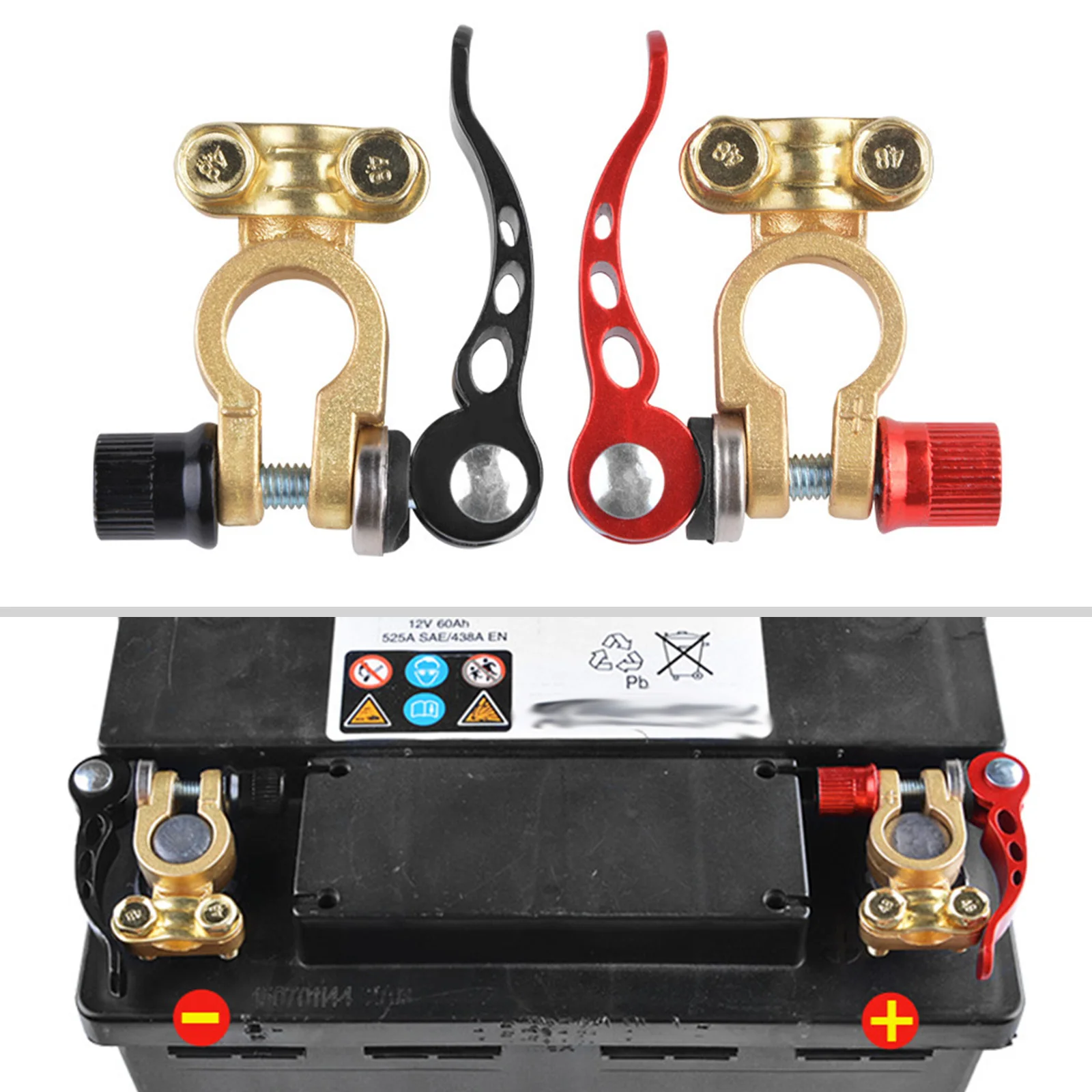
12v accessories are aftermarket electrical devices designed to operate on a standard automotive direct current power system. These components, ranging from portable compressors and navigation displays to advanced lighting and specialized charging ports, require careful integration with a vehicle's battery and alternator architecture to ensure operational reliability and prevent damage to the primary electrical circuit.
Understanding the 12v Ecosystem
The 12v standard is the foundational electrical architecture for most consumer vehicles, including cars, trucks, marine vessels, and recreational vehicles. At its core, this system relies on the lead-acid or lithium-iron-phosphate (LiFePO4) battery to provide a steady voltage, which the alternator maintains while the engine is running. When you add 12v accessories, you are essentially drawing additional current from this finite reservoir.
The primary challenge with 12v accessories is not just the connection, but the total load management. Every device consumes amperage, and if the total draw of your accessories exceeds the output capacity of your alternator, or the discharge rate of your battery while the engine is off, you risk system failure or rapid battery degradation. Understanding the distinction between constant-power sources (hot when the ignition is off) and switched-power sources (active only when the key is turned) is the first step in effective accessory management.
Classification of 12v Accessories
Accessories generally fall into three categories based on their function and connection requirements: plug-and-play, hardwired, and auxiliary-dependent.
- Plug-and-Play Devices: These connect via the standard "cigarette lighter" socket or auxiliary power outlet. These are generally low-amperage devices like GPS units, dashcams, or mobile phone chargers. They are limited by the circuit’s factory-installed fuse, which often prevents users from overloading the line, though it also limits the total power available.
- Hardwired Components: These are permanently connected to the vehicle's electrical system, often via a dedicated fuse block. Examples include auxiliary LED light bars, aftermarket audio amplifiers, and secondary communication radios. These require precise cable sizing and independent fusing.
- Auxiliary-Dependent Systems: Often found in overlanding or marine setups, these involve a secondary battery isolated from the starting battery. This allows the use of high-draw accessories—like refrigerators or inverters—without the risk of depleting the starting battery and leaving the vehicle stranded.
Technical Requirements and Safety Protocols
Safety in 12v installations revolves around the Ohm’s Law and the relationship between voltage, current, and resistance. A common mistake is using undersized wiring. If a wire is too thin for the current passing through it, resistance increases, causing the wire to heat up significantly, which creates a substantial fire risk.
When installing 12v accessories, adhere to these technical standards:
- Fusing: Every circuit must be protected by a fuse rated slightly above the maximum expected current draw of the accessory, but well below the capacity of the wiring used.
- Cable Sizing: Always use American Wire Gauge (AWG) standards suitable for the amperage and the length of the cable run. Voltage drop is a physical reality in long runs, meaning an accessory at the rear of a vehicle may receive less than 12v if the wire gauge is insufficient.
- Grounding: Do not rely on chassis grounds for high-draw items. Run a dedicated ground wire back to a common ground bus bar or the battery negative terminal to prevent "ground loops" and electrical noise in sensitive electronics.
Comparison of Connection Methods
Choosing the right connection method depends on your device's power requirements and whether you want the device to operate when the vehicle is parked.
| Connection Method | Complexity | Best For | Risk Level |
|---|---|---|---|
| Accessory Socket | Low | Phone chargers, GPS | Low |
| Add-a-Circuit (Fuse Tap) | Moderate | Dashcams, radar detectors | Low to Moderate |
| Dedicated Fuse Block | High | Multiple lights, audio systems | Low (if fused properly) |
| Auxiliary Battery System | Very High | Fridges, high-draw inverters | Moderate (requires isolation) |
Troubleshooting Common Issues
When an accessory fails or behaves erratically, systematic troubleshooting is essential. The most common culprit is a blown fuse, but intermittent issues often stem from poor connections. Oxidation at the point of contact or a loose crimp connector can create high-resistance points that appear as "low voltage" at the device level.
If a device is failing, use a digital multimeter to measure the voltage at the device’s input terminals while the device is turned on. If the voltage drops significantly when the device is activated, you have a "voltage drop" issue, likely caused by a wire gauge that is too small or a poor ground connection. If the voltage is steady but the device doesn't turn on, inspect the fuse and the continuity of the power and ground cables.
Frequently Asked Questions
Can I connect multiple 12v accessories to a single lighter socket?
While technically possible using splitters, it is generally discouraged. Most factory 12v outlets are fused at 10 to 20 amps. Exceeding this limit by plugging in multiple high-draw devices can blow the factory fuse or damage the wiring harness behind the dash, which is expensive to repair.
Does the engine need to be running to use 12v accessories?
For low-draw devices, you can operate them with the engine off for short periods. However, high-draw items like inverters or large heaters will drain a standard starting battery in a short timeframe. If you require power while parked, an isolated auxiliary battery system is the only safe configuration.
What is the purpose of an isolator in a 12v system?
A battery isolator prevents accessories connected to an auxiliary battery from drawing power from the main starting battery. It allows the alternator to charge both batteries while the engine is running but physically disconnects them when the engine is off, ensuring your main battery always has the capacity to start the vehicle.
Are 2026-model vehicles different regarding 12v accessory installation?
Modern vehicles often use sophisticated Body Control Modules (BCMs) that monitor electrical load. Tapping into factory wiring on newer vehicles can trigger fault codes or disable systems. Always use a dedicated fuse block connected directly to the battery with its own relay, triggered by an ignition-switched source, rather than cutting into existing vehicle wiring.
How do I determine the correct fuse size?
Calculate the amperage by dividing the device's wattage by 12 (e.g., 60 watts / 12v = 5 amps). Choose a fuse slightly higher than the calculated amperage—usually 125% of the expected load—to prevent nuisance tripping while still protecting the equipment in the event of a short circuit.
Strategic Installation Steps
For a professional and safe installation of permanent accessories, prioritize a centralized power hub. Begin by mounting a dedicated marine-grade fuse block in a dry, accessible location near the battery. Run a main positive cable from the battery positive terminal, through a circuit breaker, to the input side of your fuse block. Run a heavy-gauge ground wire to a common negative bus bar. From here, you can branch out to individual accessories, each with its own designated, appropriately sized fuse. This modular approach not only makes troubleshooting infinitely easier but also prevents the "rat's nest" of wiring that often leads to short circuits and vehicle fires. Always ensure all connections are crimped and heat-shrinked to prevent corrosion, which is the leading cause of intermittent accessory failure in mobile environments.