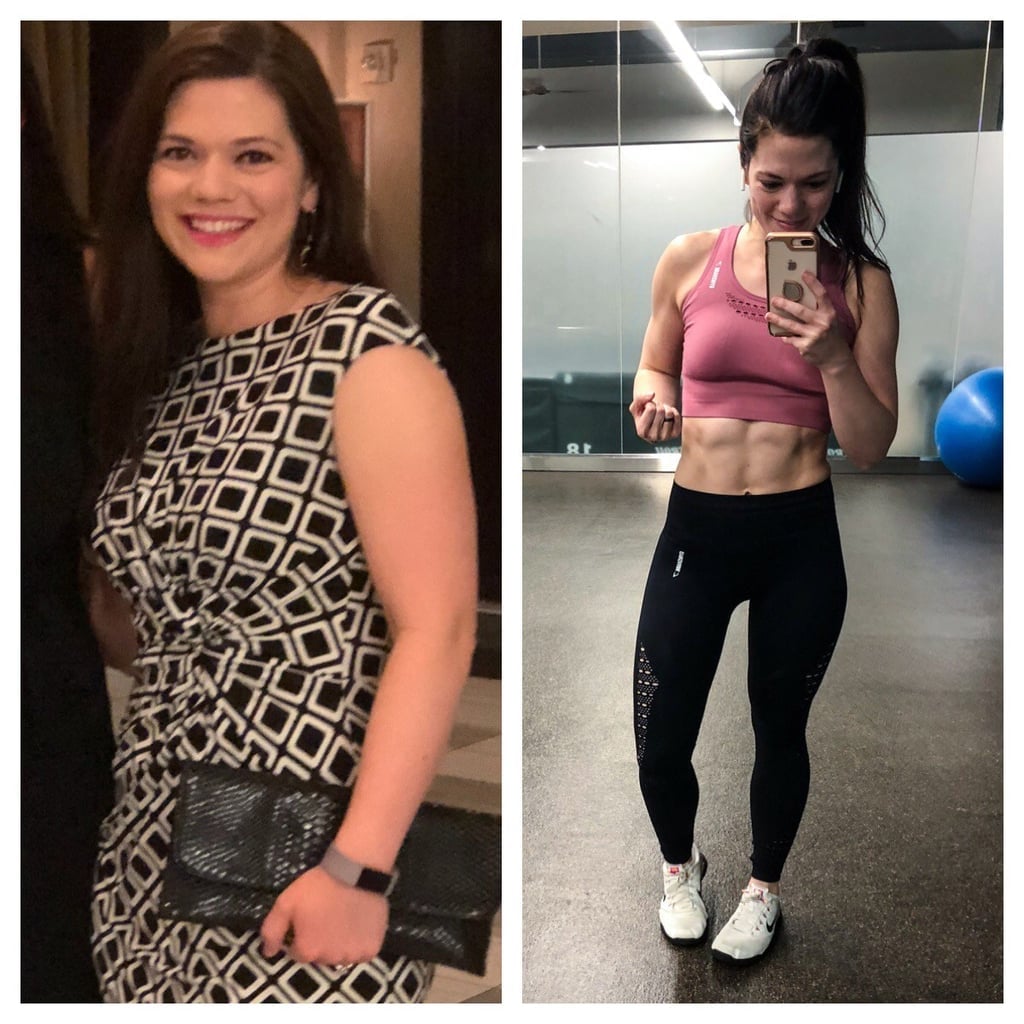
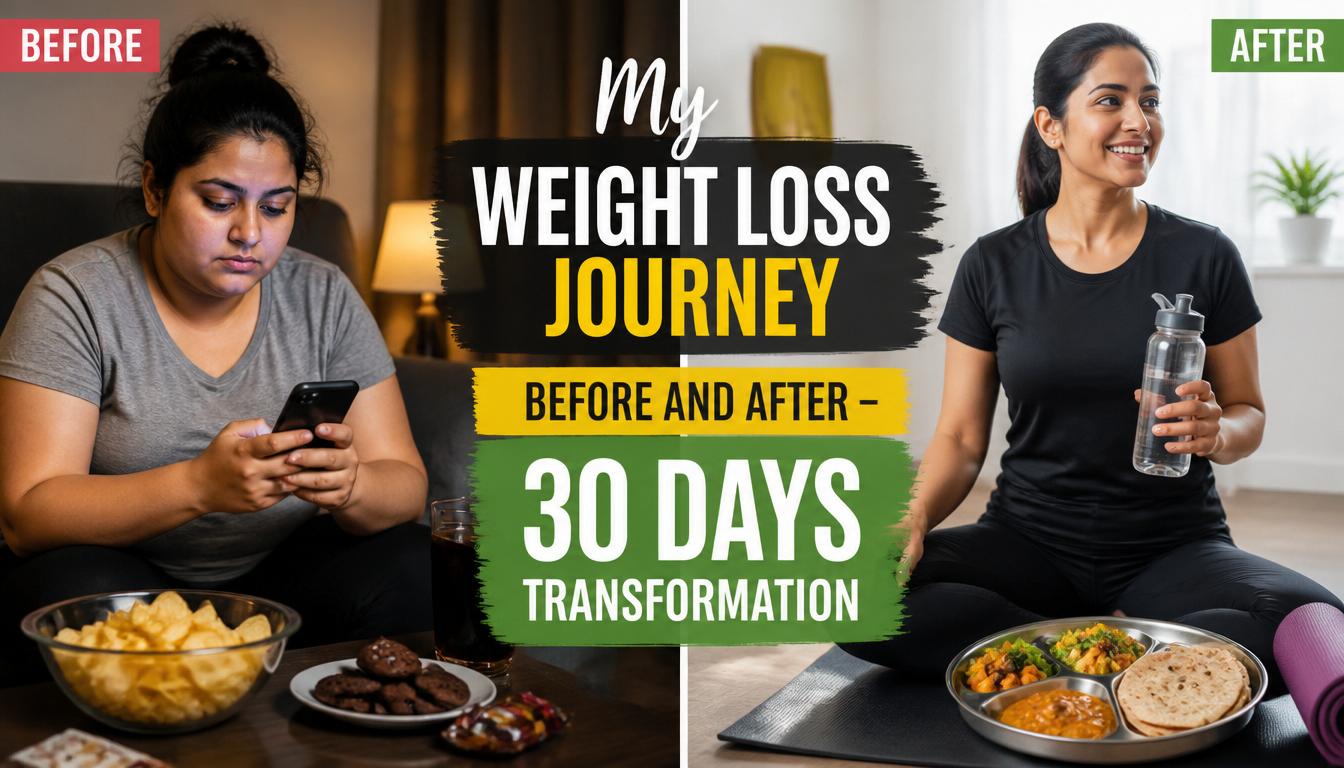
A 120-pound weight loss transformation is a significant physiological and psychological journey that requires long-term caloric deficits, consistent lifestyle modification, and often medical oversight. Documenting this process through before and after photos serves as a visual record of progress, though individuals should prioritize health markers, sustainable habit formation, and professional guidance over purely aesthetic benchmarks.
The Significance of Visual Documentation
For many individuals embarking on a substantial weight loss journey, before and after photos act as a critical tool for tracking non-scale victories. When an individual loses 120 pounds, the body undergoes profound structural changes, including reductions in adipose tissue, potential shifts in muscle mass, and changes in skin elasticity. Visual documentation allows the individual to observe incremental changes that may not be immediately apparent when viewing one’s reflection daily.
Beyond personal motivation, these photos provide a tangible sense of accomplishment. However, it is essential to approach this documentation with a balanced perspective. While photos highlight physical shifts, they do not capture the systemic health improvements associated with such a transformation, such as stabilized blood pressure, improved insulin sensitivity, or increased cardiovascular endurance.
Prerequisites and Medical Supervision
Achieving a 120-pound reduction is not merely a matter of willpower; it involves complex metabolic adaptation. Before beginning a weight loss regimen of this magnitude, it is necessary to consult with a primary care physician or a registered dietitian. A medical professional can conduct baseline blood panels to identify underlying conditions such as hypothyroidism, metabolic syndrome, or nutrient deficiencies that could impede progress or pose health risks.
Medical supervision is particularly vital when the weight loss target exceeds 10% of total body weight. In such cases, practitioners may discuss the role of nutritional therapy, supervised exercise programs, or, in some instances, pharmacological interventions or bariatric consultation. Establishing a safe, medically approved rate of weight loss—generally cited as one to two pounds per week—helps minimize the risk of muscle wasting and gallstone formation.
Physiological Changes and Skin Elasticity
Losing 120 pounds significantly alters the body’s composition. One of the most frequently discussed aspects of extreme weight loss is the potential for redundant or "loose" skin. The skin’s ability to retract depends on several factors, including the rate of weight loss, the individual's age, genetics, and the duration the skin was stretched.
While photos often showcase the dramatic reduction in circumference, they may not reveal the underlying physiological state of the dermis. In some instances, after reaching a goal weight, individuals may explore dermatological or surgical options to address excess skin. Understanding that loose skin is a common consequence of significant weight loss is important for managing expectations when reviewing transformation galleries.
Standardized Tracking Methods
To ensure that before and after photos are useful for personal assessment, they should be taken with consistency. Variations in lighting, clothing, distance, and posture can distort the perception of change, leading to inaccurate comparisons. Following these protocols will provide a clearer view of physical transformation:
- Consistency in Apparel: Wear the same form-fitting clothing (such as gym shorts or a tank top) for every progress check to minimize fabric interference.
- Controlled Environment: Use a consistent location with neutral lighting, ideally avoiding harsh shadows that can obscure muscle definition or fat loss.
- Standardized Angles: Take photos from the front, side, and back using a tripod or a fixed camera position to ensure the frame remains consistent over months or years.
- Frequency: Monthly check-ins are generally sufficient to observe changes without becoming overly focused on daily fluctuations.
Comparative Metrics for Success
While visual evidence provides motivation, it must be supported by objective data. The following table illustrates the common methods used to track a 120-pound transformation beyond photography.
| Metric | Purpose | Frequency |
|---|---|---|
| Body Mass Index (BMI) | General health categorization | Monthly |
| Waist Circumference | Indicator of visceral fat reduction | Bi-weekly |
| Resting Heart Rate | Monitor of cardiovascular efficiency | Weekly |
| Blood Panels | Tracking markers (A1c, Lipids, BP) | Every 3–6 months |
| Strength Benchmarks | Maintaining lean muscle mass | Periodic |
Psychological and Behavioral Factors
The psychological impact of losing 120 pounds is as profound as the physical transformation. Many individuals report "identity shifts" where the internal perception of self struggles to catch up with the external reality. This phenomenon is a well-documented aspect of significant body changes.
Sustainable weight loss is predicated on changing the behaviors that led to weight gain in the first place. This requires a transition from restrictive dieting to the development of a lifelong, balanced relationship with food. Support systems, including cognitive behavioral therapy or peer-support groups, can be instrumental in managing the emotional stressors that often coincide with drastic life changes. Focusing on "non-scale victories"—such as the ability to climb stairs without breathlessness or improved sleep quality—often provides more lasting motivation than reliance on photos alone.
Frequently Asked Questions
How fast is it safe to lose 120 pounds?
The standard medical recommendation is a loss of one to two pounds per week. At this rate, losing 120 pounds would take approximately 60 to 120 weeks. Rapid weight loss often results in the loss of lean muscle mass and increases the likelihood of regaining the weight, as it does not allow sufficient time for the sustainable modification of dietary and behavioral patterns.
Can before and after photos be misleading?
Yes, photos can be misleading due to changes in lighting, angles, post-processing, and the use of filters. Additionally, some transformations shared online may be assisted by medical interventions or surgical procedures that are not disclosed, creating unrealistic expectations for those attempting to lose weight through lifestyle changes alone.
What is the best way to handle loose skin after losing 120 pounds?
Management of loose skin involves patience, as the skin may continue to retract for months after reaching a stable weight. Hydration, balanced nutrition, and resistance training to build muscle underneath the skin can help improve the appearance of the physique. If redundant skin causes physical irritation or infection, it is advisable to consult a dermatologist or plastic surgeon.
Why do I look the same in photos even after losing weight?
This is often related to body dysmorphia or the "paper towel effect," where weight loss is less visible when the body is larger, but becomes increasingly dramatic as total volume decreases. If your biometric data shows progress, rely on those measurements rather than subjective visual comparisons.
Is professional guidance necessary for such a large weight loss?
Consulting a doctor is highly recommended for a 120-pound weight loss goal. Because this amount of weight loss shifts the metabolic rate and impacts various hormonal systems, professional oversight ensures that the caloric deficit remains within a safe threshold and that the body is receiving adequate macro- and micronutrients.
Next Steps for Your Transformation
If you are planning to pursue a 120-pound weight loss, your immediate next step should be a comprehensive health assessment with your primary care provider. Request a full metabolic panel and discuss your goals to ensure that your plan is physiologically sound. Once cleared, focus on establishing a sustainable caloric baseline that prioritizes whole, nutrient-dense foods and consistent, manageable physical activity. Do not attempt extreme restrictive diets or unverified supplements; these often lead to metabolic damage rather than sustainable results. Focus on the long-term process, document your progress through objective health data, and treat your before and after photos as personal milestones rather than the singular definition of your success.