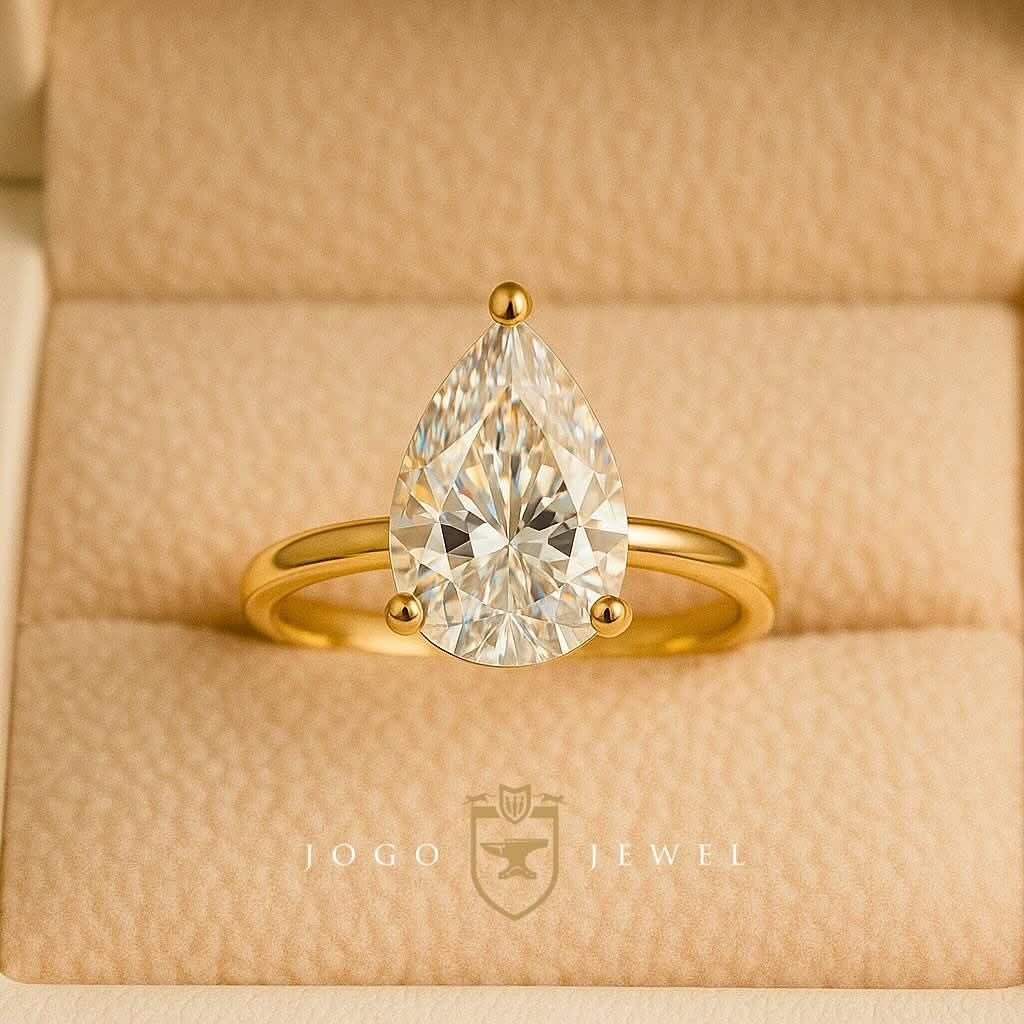
Identifying a truly stunning ring requires an understanding of how metallurgy, gemology, and design history converge to create wearable art. Whether you are seeking a statement piece, an engagement setting, or a historical marvel, the world of fine jewelry offers diverse styles that balance technical precision with aesthetic brilliance. This guide explores twelve distinct categories of rings—from classic silhouettes to contemporary innovations—that represent the pinnacle of jewelry design in 2026.
The Evolution of Ring Design and Materiality
Rings have served as symbols of status, commitment, and personal expression for millennia. By 2026, the industry has shifted toward a sophisticated blend of heritage techniques and sustainable material science. When evaluating a stunning ring, the primary indicators of quality are the integrity of the metalwork, the clarity and cut of the primary stone, and the structural soundness of the setting. Understanding these core components is essential before selecting a piece for investment or personal adornment.
12 Exemplary Ring Styles for Discriminating Collectors
The following twelve categories represent designs that prioritize visual impact and technical excellence. Each style is defined by specific craftsmanship requirements and historical influence.
- The Art Deco Geometric Cluster: Characterized by symmetrical patterns and sharp lines, these rings often utilize contrast between baguette-cut diamonds and colorful gemstones like onyx or emeralds.
- The Victorian-Era Enamel Band: These pieces highlight the historical mastery of plique-à-jour enameling, where translucent colors are fused into a delicate metal framework.
- The Tension-Set Contemporary Solitaire: By using the structural tension of the metal band rather than prongs to secure the stone, these rings offer a floating aesthetic that requires high-grade, resilient alloys like platinum or specialized titanium.
- The Edwardian Lace Filigree: Known for intricate, hand-pierced metalwork that mimics fine lace, these rings are the height of metal-smithing precision.
- The Toi et Moi Bypass: Featuring two primary stones positioned to meet at the center, this style symbolizes union and has seen a resurgence in popularity due to its balance and movement.
- The Minimalist Pavé Eternity Band: A masterclass in stone setting consistency, where dozens of microscopic diamonds are set with uniform depth and alignment.
- The Art Nouveau Whimsical Naturalist: Inspired by flowing organic lines, these rings often incorporate motifs like flora or fauna, frequently utilizing unconventional stone shapes.
- The Cushion-Cut Halo: A timeless configuration that maximizes light return by surrounding a soft-cornered square stone with a border of smaller, high-clarity melee diamonds.
- The Multi-Gemstone Cocktail Ring: Designed for maximum visual impact, these rings utilize saturation and volume, often showcasing cabochon-cut stones for depth of color.
- The Georgian-Inspired Foil-Back Ring: A nod to historical techniques where a metallic foil was placed behind a stone to enhance its brilliance in low light.
- The Architectural Wide-Band Gold Signet: A fusion of heritage heraldry and modern, heavy-metal geometry that prioritizes sculptural form over decorative stone setting.
- The Raw Crystal Cluster: Representing the contemporary push toward "untamed" luxury, these rings utilize the stone’s natural, unpolished habit rather than a faceted cut.
Comparative Analysis of Ring Construction
When assessing these styles, the intended use dictates the necessary technical specifications. The following table provides a breakdown of how material selection impacts durability and design suitability.
| Ring Style Category | Primary Metal Requirement | Setting Durability | Best Intended Use |
|---|---|---|---|
| Art Deco Cluster | Platinum / 18k Gold | High | Daily Wear |
| Edwardian Filigree | Platinum | Moderate | Occasional Wear |
| Tension-Set Solitaire | Specialized Alloy | High | Daily/Active |
| Wide-Band Signet | 14k/18k Gold | Very High | Daily/Heirloom |
| Pave Eternity | Gold/Platinum | Low to Moderate | Formal/Occasional |
Ensuring Authenticity and Quality
Before acquiring a ring of significant value, verification is mandatory. Authentic pieces should be accompanied by documentation from recognized gemological laboratories, such as the Gemological Institute of America (GIA) or the American Gem Society (AGS). This documentation confirms the "Four Cs" of the gemstone: Carat, Cut, Color, and Clarity. Furthermore, inspect the hallmark on the interior of the band; this stamp indicates the purity of the metal (e.g., "750" for 18k gold) and often identifies the manufacturer or designer.
Managing Maintenance and Care
The longevity of a "stunning" ring depends heavily on its maintenance. Settings featuring delicate prongs or intricate filigree require professional inspection every six to twelve months to ensure that stones have not loosened over time. Cleaning should be done cautiously; ultrasonic cleaners are effective for some diamond rings but can permanently damage porous gemstones like opals, pearls, or emeralds. For most high-end jewelry, a mild solution of warm water, gentle soap, and a soft-bristled brush is the safest method for routine cleaning.
Understanding Risk and Insurance
High-value rings should be insured immediately upon acquisition. Because jewelry is subject to loss, theft, or physical damage, a standard homeowners' insurance policy is rarely sufficient. Consider a specialized personal articles floater or a dedicated jewelry insurance policy. These specialized products provide "all-risk" coverage, which includes mysterious disappearance—a common exclusion in standard policies. Always obtain an appraisal from a certified appraiser to establish the current replacement value for insurance purposes.
Frequently Asked Questions
What is the most durable metal for a ring meant for daily wear?
Platinum is widely considered the most durable choice due to its density and natural resistance to wear. Unlike gold, which loses minute amounts of metal when scratched, platinum simply displaces, making it superior for maintaining the integrity of settings holding precious stones.
How do I tell if a ring’s setting is high quality?
A high-quality setting will have even, symmetrical prongs that do not snag on clothing. Under magnification, the stones should be perfectly aligned, and the metalwork should be free of porosity or "bubbles" in the casting. The back of the setting should be polished to the same standard as the front.
Can I resize any ring I find?
Not necessarily. While traditional bands can usually be resized, rings with complex patterns that continue around the entire circumference, such as eternity bands or intricate filigree, are extremely difficult to resize without disrupting the structural integrity or the design continuity.
Does the year of origin affect the value of a ring?
Yes, vintage and antique rings (generally over 50 and 100 years old, respectively) often carry a premium due to their historical rarity and the hand-crafted nature of their production. In 2026, the provenance of a piece—its history and ownership record—is as important as the materials themselves.
What is the difference between a halo and a cluster setting?
A halo setting features a single, large center stone surrounded by a single layer of smaller accent stones, typically designed to make the center stone appear larger. A cluster setting incorporates multiple stones of varying or similar sizes arranged in a grouping to create a specific shape or texture.
Next Steps for Collectors
To find the perfect ring, begin by narrowing your scope based on the primary intended use. If the ring is for daily wear, prioritize structural durability and low-profile settings. If it is for a formal collection, you may prioritize aesthetic uniqueness and historical craftsmanship. Visit reputable jewelers or specialized estate dealers, request to see rings under 10x magnification, and always insist on independent lab verification for any significant gemstone purchase. By focusing on technical integrity and proven design, you can ensure your selection remains stunning for a lifetime.