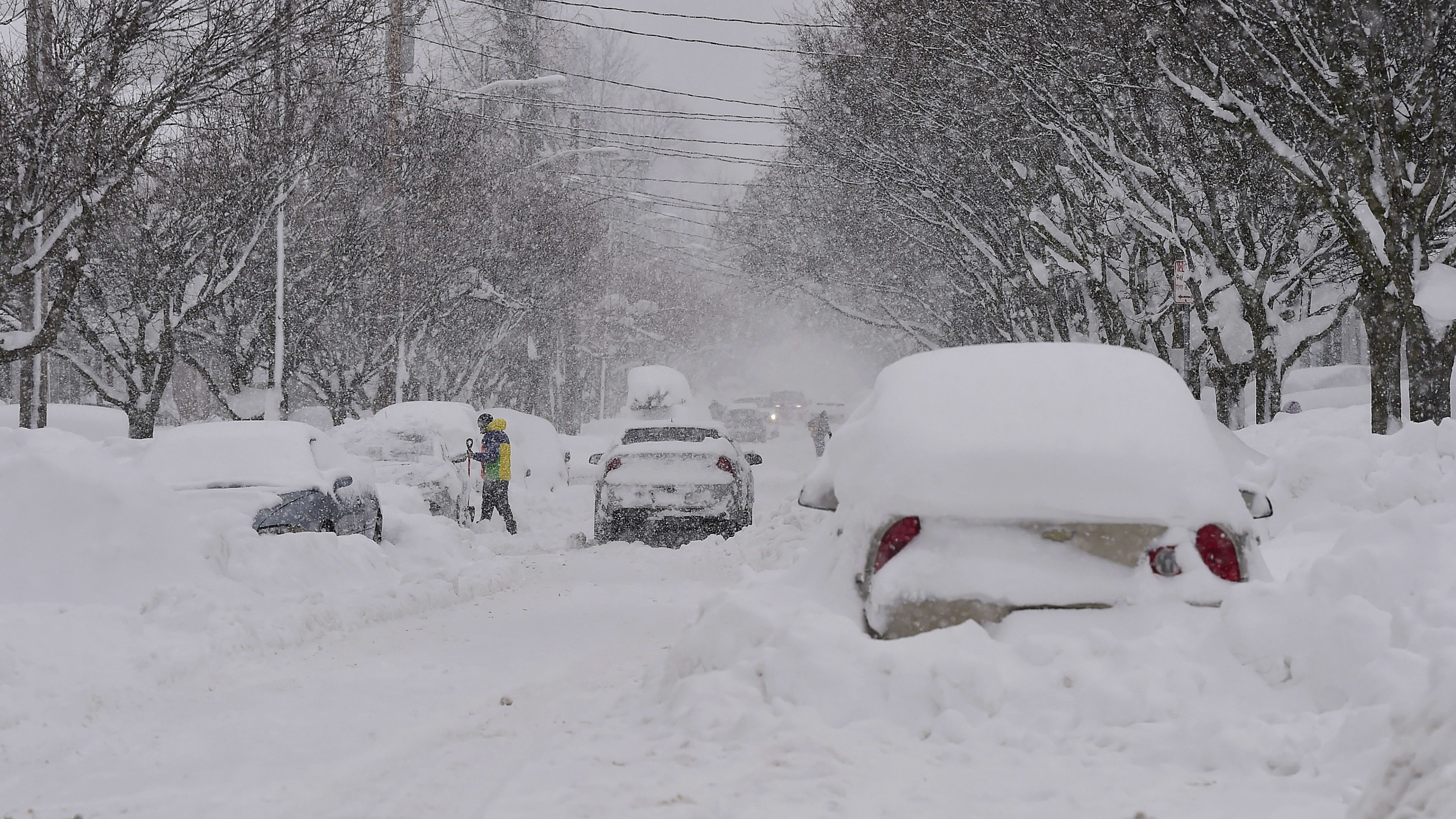
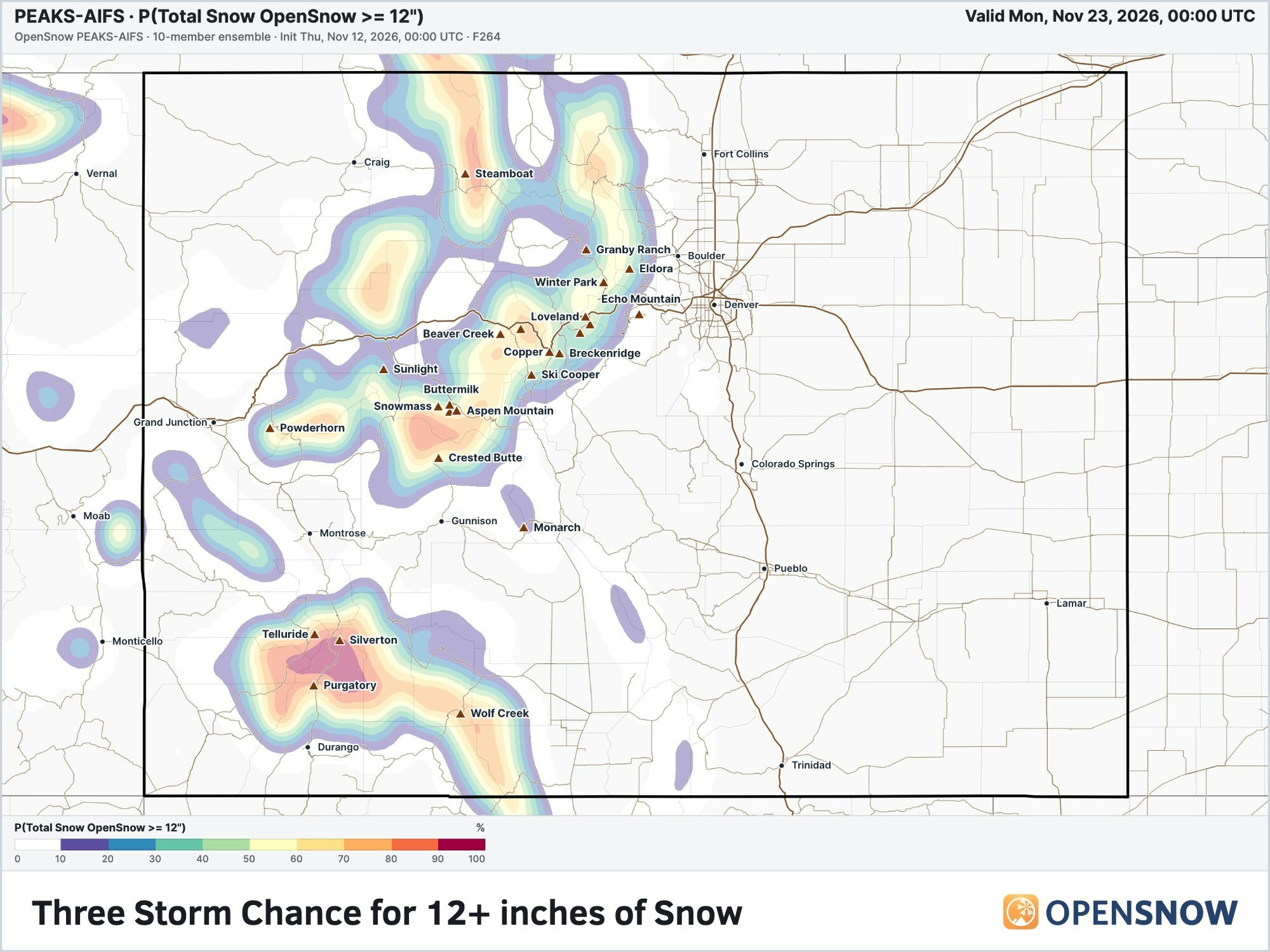
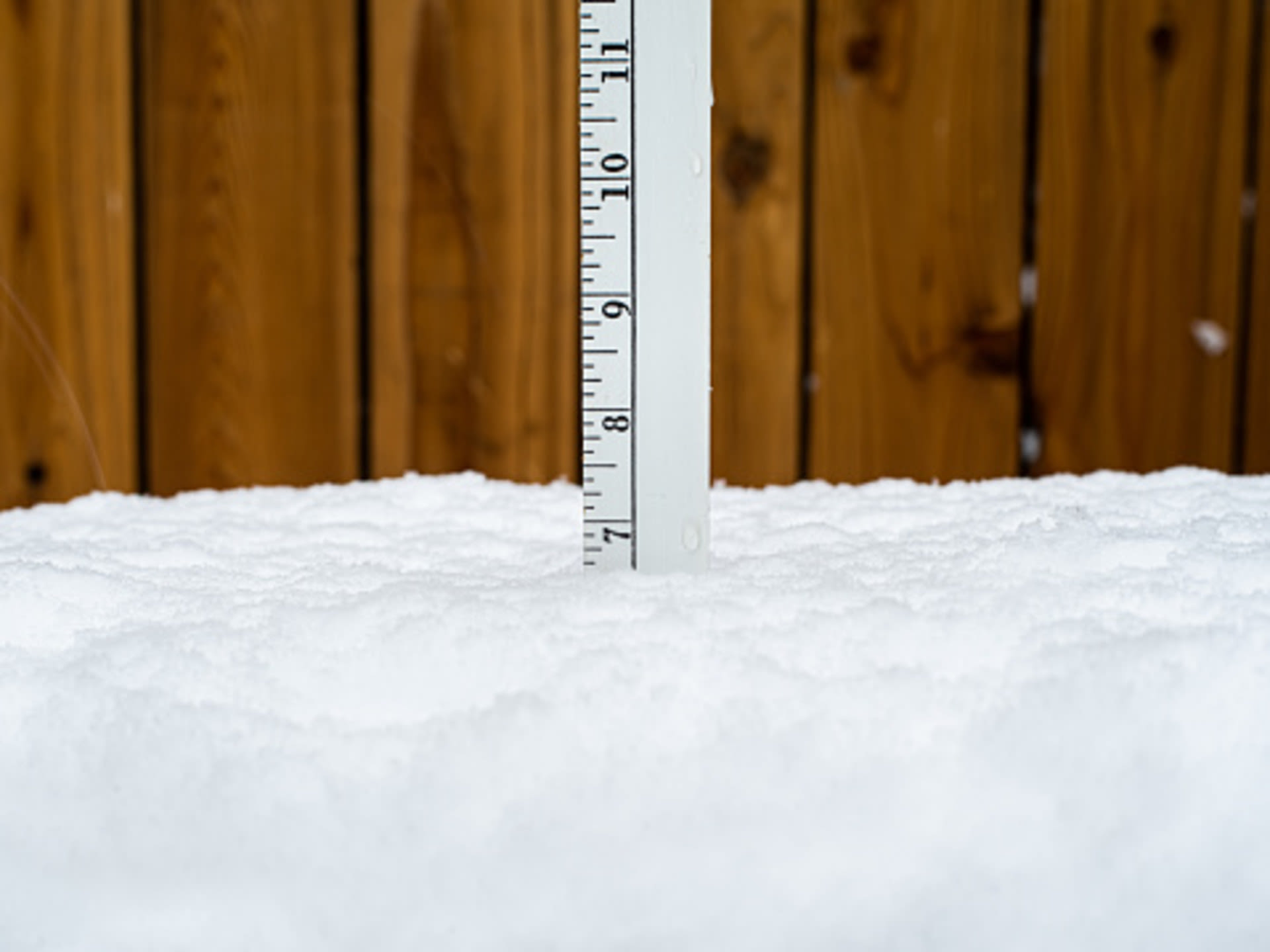
Accumulating 12 inches of snow represents a significant weather event that requires proactive management to ensure personal safety, structural integrity, and the maintenance of essential access. This depth of snowfall often exceeds the capacity of standard residential equipment and necessitates structured strategies for removal, physical safety, and the protection of property assets.
Understanding Snow Accumulation Dynamics
A 12-inch snowfall is generally categorized by meteorologists and civil engineers as a heavy-to-major snow event. The physical weight of this snow depends heavily on the moisture content, often referred to as the "snow-to-water ratio." While fresh, powdery snow may be light, a 12-inch accumulation of "wet" or "heart-attack" snow can exert significant pressure on structures, reaching weights of 20 to 30 pounds per cubic foot. Understanding this weight is critical before attempting removal, as it directly impacts the risk of physical injury and the potential for structural damage to roofs or awnings.
When snow reaches this depth, it effectively bridges gaps, obstructs drainage systems, and hides hazards such as ice patches or uneven surfaces. For homeowners and property managers, the priority shifts from basic clearing to comprehensive management. This involves coordinating clearing schedules, identifying high-risk areas prone to drifting, and ensuring that utilities—such as gas furnace intake vents—remain unblocked to prevent carbon monoxide accumulation.
Safety Priorities During Major Snow Events
Safety must be the primary consideration when dealing with a foot of snow. Overexertion remains the most common hazard associated with manual snow removal. The cardiovascular strain of shoveling 12 inches of heavy, wet snow is significant, particularly in cold environments where heart rates increase rapidly. Individuals with existing health conditions should avoid manual labor entirely during these events.
Additionally, personal protective equipment (PPE) is essential. High-visibility clothing, sturdy, waterproof footwear with high-traction soles, and layered moisture-wicking garments are standard requirements. When using mechanical equipment like snow blowers, operators must remain hyper-aware of discharge paths and never attempt to clear blockages while the engine is running or blades are engaged. Ensuring that your workspace is well-lit if clearing at night or during early morning hours further reduces the likelihood of slips, trips, and falls.
Tactical Removal and Clearing Procedures
Managing 12 inches of snow requires a strategic, phased approach. Attempting to move the entire volume at once can lead to equipment failure or physical injury.
- Strategic Piling: Plan the clearing path before beginning. Aim to push snow toward areas where it will not create drainage issues during the melting phase. Avoid piling snow against building foundations or near basement window wells, as this can lead to water infiltration as temperatures rise.
- The "Layering" Method: If using a shovel, lift smaller, manageable scoops rather than attempting to push the full 12 inches in a single pass. If using a snow blower, adjust the intake height if the unit allows, or take multiple passes—removing the top 6 inches first, then clearing the remainder.
- Clearing Critical Access Points: Prioritize the main ingress and egress points of the property. This ensures that in the event of an emergency, medical or fire personnel can reach the building.
- Utility Protection: Ensure that exhaust vents for heating systems, including natural gas or propane furnaces, are fully cleared of snow. Blocked vents can force combustion gases back into the living space, creating a lethal hazard.
Equipment Comparison and Utility
Selecting the right tool for the job is essential for efficiency when dealing with significant snowfall.
| Equipment Type | Best Use Case | Operational Limitation |
|---|---|---|
| Ergonomic Shovel | Small walkways, steps, tight corners | High physical exertion; slow for large areas |
| Single-Stage Snow Blower | Paved driveways, light/medium snow | Limited by 12-inch intake height; poor in deep drifts |
| Two-Stage Snow Blower | Large, unpaved areas; heavy/packed snow | Requires maintenance; heavy to maneuver |
| Roof Rake | Preventing structural ice dams | Risk of electrical contact; potential roof damage |
While two-stage blowers are generally superior for a 12-inch accumulation due to their auger-assisted intake, their weight and size can be difficult to manage on uneven surfaces or steep inclines. Always verify that equipment is serviced before the winter season begins.
Evaluating Property Risks and Structural Integrity
When 12 inches of snow accumulates, the weight on residential roofs can reach dangerous levels, especially if the snow is wet or if subsequent precipitation adds to the load. Most modern residential roofs are designed to support a specific load, but structural integrity can be compromised by poor maintenance or excessive drifting.
Monitor for signs of structural stress, such as sagging ceilings, creaking noises, or doors that suddenly become difficult to open or close. If these signs appear, professional structural assessment is required. Avoid climbing onto roofs to manually clear snow unless you have the appropriate safety harness and fall protection systems. The risk of falls on icy surfaces at height is extreme, and it is often more cost-effective and safer to hire insured, professional snow removal services.
Troubleshooting and FAQ
How can I prevent ice dams after a 12-inch snowfall?
Ice dams form when heat escapes through the roof, melting the bottom layer of snow, which then refreezes at the cold eaves. Ensure your attic is properly insulated and ventilated to keep the roof deck at an ambient temperature, which prevents the initial melt.
What should I do if a snow blower becomes clogged?
Never use your hands or feet to clear a clogged discharge chute. Turn off the engine, disconnect the spark plug wire, and use a dedicated plastic clean-out tool to clear the obstruction. Always assume the machine still holds potential kinetic energy in the auger blades.
Is it necessary to salt the entire driveway?
While salting helps prevent ice formation, it is most effective when applied at the "contact point"—the surface of the pavement—after the bulk of the snow is removed. Salting a 12-inch pile of snow is ineffective and can damage local vegetation.
Should I clear snow away from my home's foundation?
Yes, it is highly recommended to keep a 2- to 3-foot perimeter around your foundation free of snow. As the snow melts, the moisture can migrate into basement walls or crawl spaces, potentially causing water damage or promoting mold growth.
How do I handle heavy, wet snow safely?
Treat heavy, wet snow as a high-load project. Move smaller amounts, take frequent breaks to rest, and stay hydrated. If you feel chest pain, shortness of breath, or excessive fatigue, stop immediately and seek medical attention.
Next Steps for Property Maintenance
Following a 12-inch snowfall, the final phase involves monitoring the melting process. Clear away any debris or ice buildup in gutters and downspouts to ensure that, as the snowpack melts, water is directed away from the building foundation. If you utilized de-icing agents, monitor for excessive runoff and ensure pets and children are kept away from treated areas to avoid chemical exposure or ingestion. For future events, audit your winter readiness gear and consider establishing a contract with a professional snow removal service if the physical demands of managing 12 inches of snow exceed your personal capabilities.