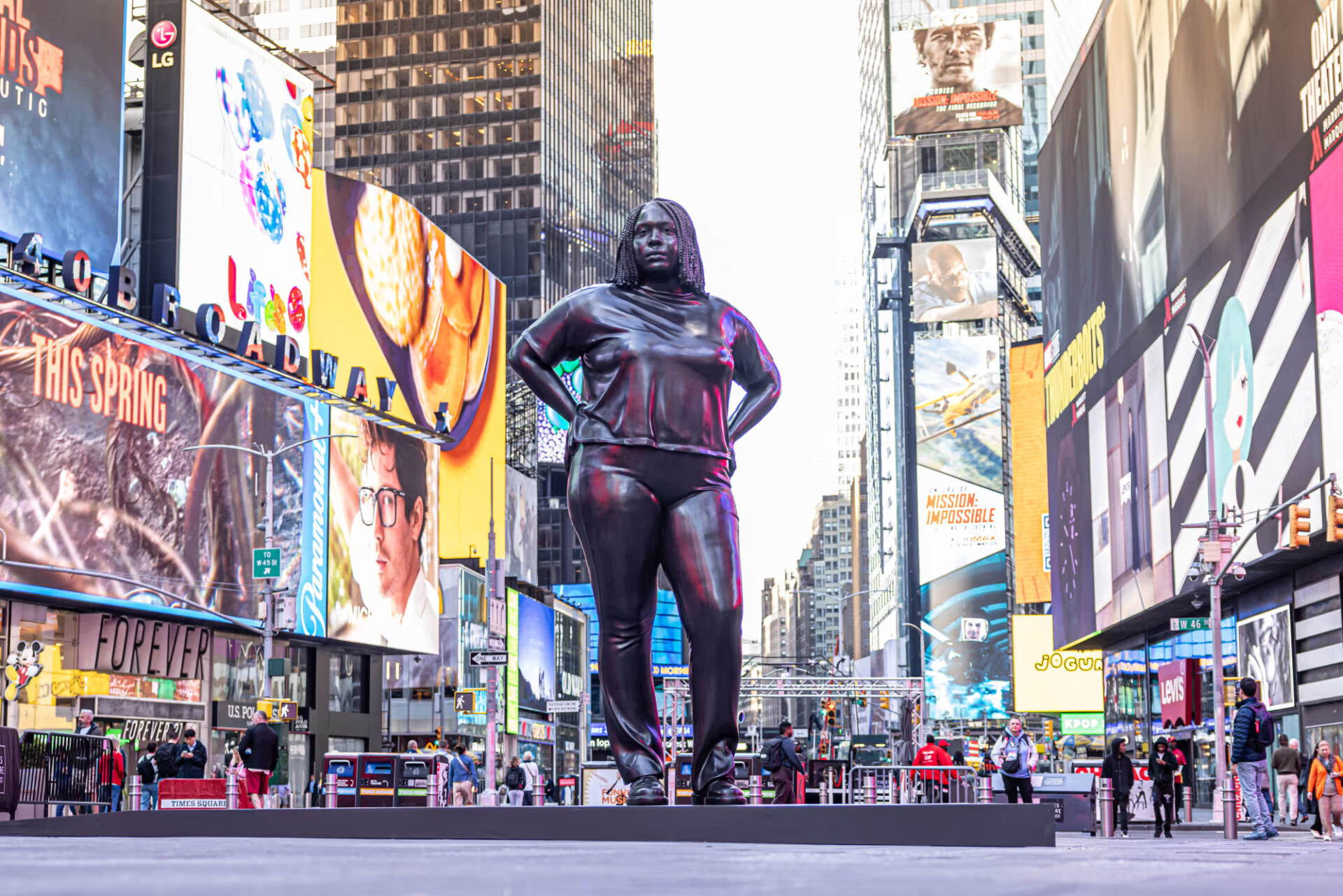
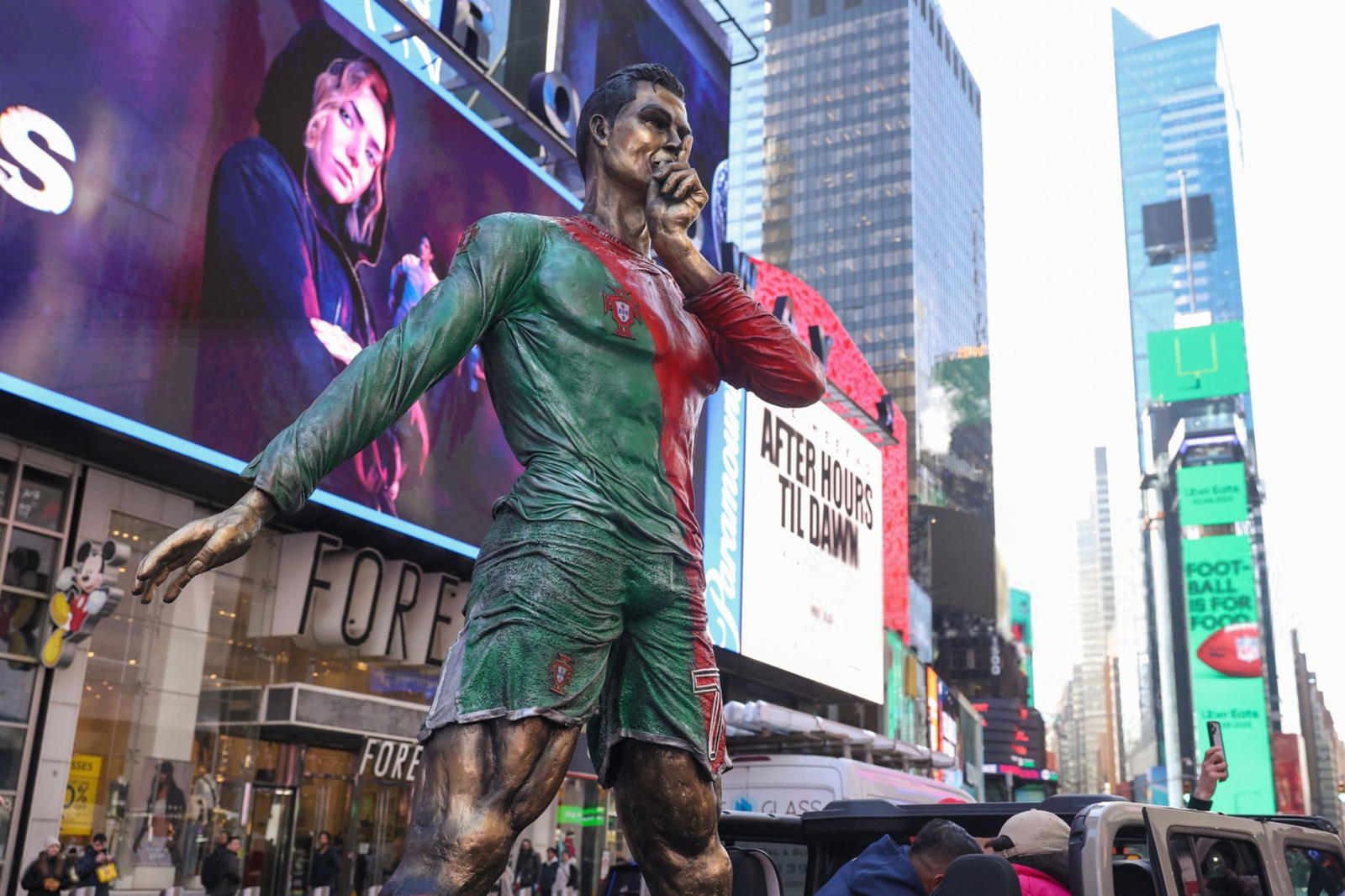
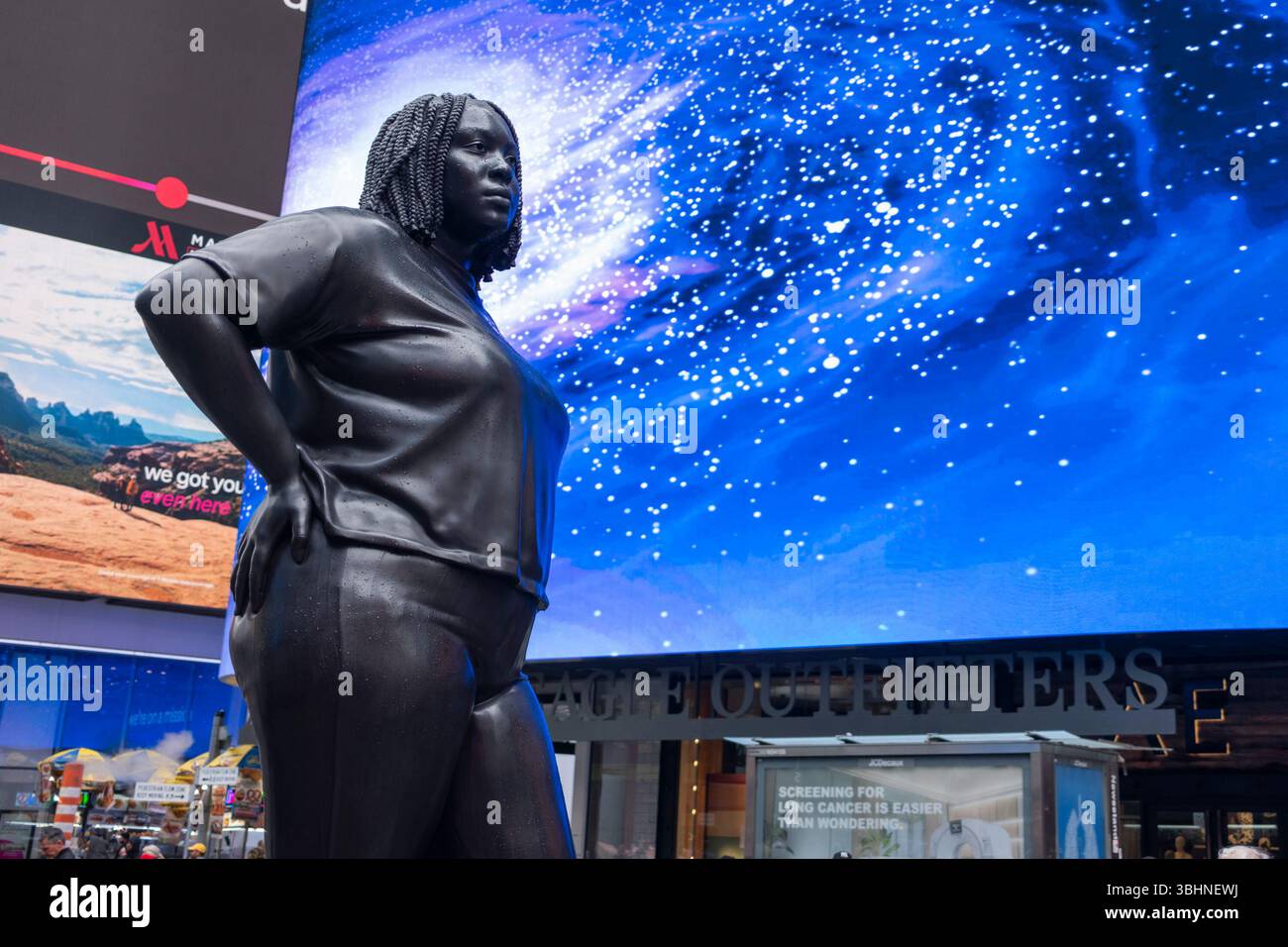
The presence of monumental sculpture in the heart of New York City, particularly the recurring 12-foot tall statues in Times Square, represents a sophisticated intersection of urban planning, contemporary art curation, and public engagement. These installations, often curated through the Times Square Arts program, serve as temporary landmarks that redefine the pedestrian experience within one of the world's most high-traffic transit and tourism corridors.
Understanding the Role of Temporary Installations
Times Square is not a traditional gallery space; it is a high-density, multi-sensory environment. When an organization like the Times Square Alliance commissions a 12-foot tall statue, the objective is to create a "pause point" for the hundreds of thousands of people passing through daily. Unlike permanent bronze monuments found in city parks, these statues are usually constructed from lightweight, durable materials such as industrial-grade resins, steel armatures, or recycled polymers to withstand the vibrations of the subway systems below and the intense weather fluctuations of the Northeast.
The scale is deliberate. A 12-foot height ensures that the work is visible above the heads of a dense crowd while maintaining a sense of human connection. If the structure were significantly taller, it would lose the necessary detail for close-range observation; if it were shorter, it would be subsumed by the visual noise of the digital billboards and advertisements that define the district.
Curation and The Times Square Arts Program
The Times Square Arts program acts as the primary governing body for these installations. It serves as a bridge between artists, city officials, and the commercial stakeholders of the district. Selecting a 12-foot statue requires a rigorous vetting process that includes:
- Structural Engineering: All works must be certified for stability against wind loads and accidental impact.
- Safety Compliance: The base of the statue must be designed so as not to impede emergency vehicle access or create tripping hazards for the roughly 350,000 pedestrians who traverse the area on busy days.
- Thematic Alignment: Projects are often chosen to reflect current societal dialogues, environmental consciousness, or cultural diversity, moving the needle from mere decoration to public discourse.
Navigating the Plaza for Optimal Viewing
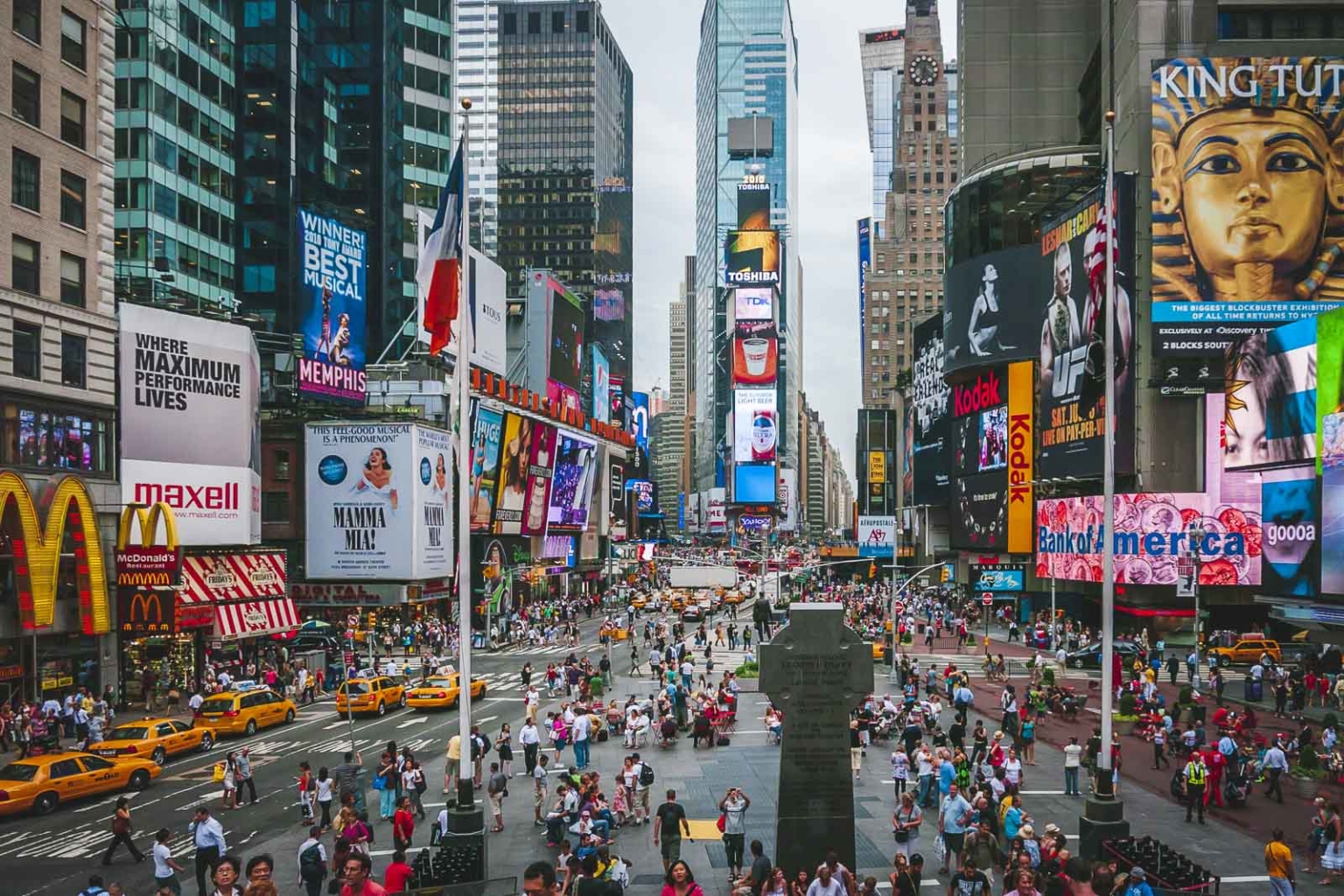
Visiting these installations requires a strategy due to the chaotic nature of the location. The Times Square plazas—specifically between 42nd and 47th Streets—are divided into zones. Most large-scale sculptures are placed in the "Red Steps" area or the central islands, which provide the best vantage points for photography and observation.
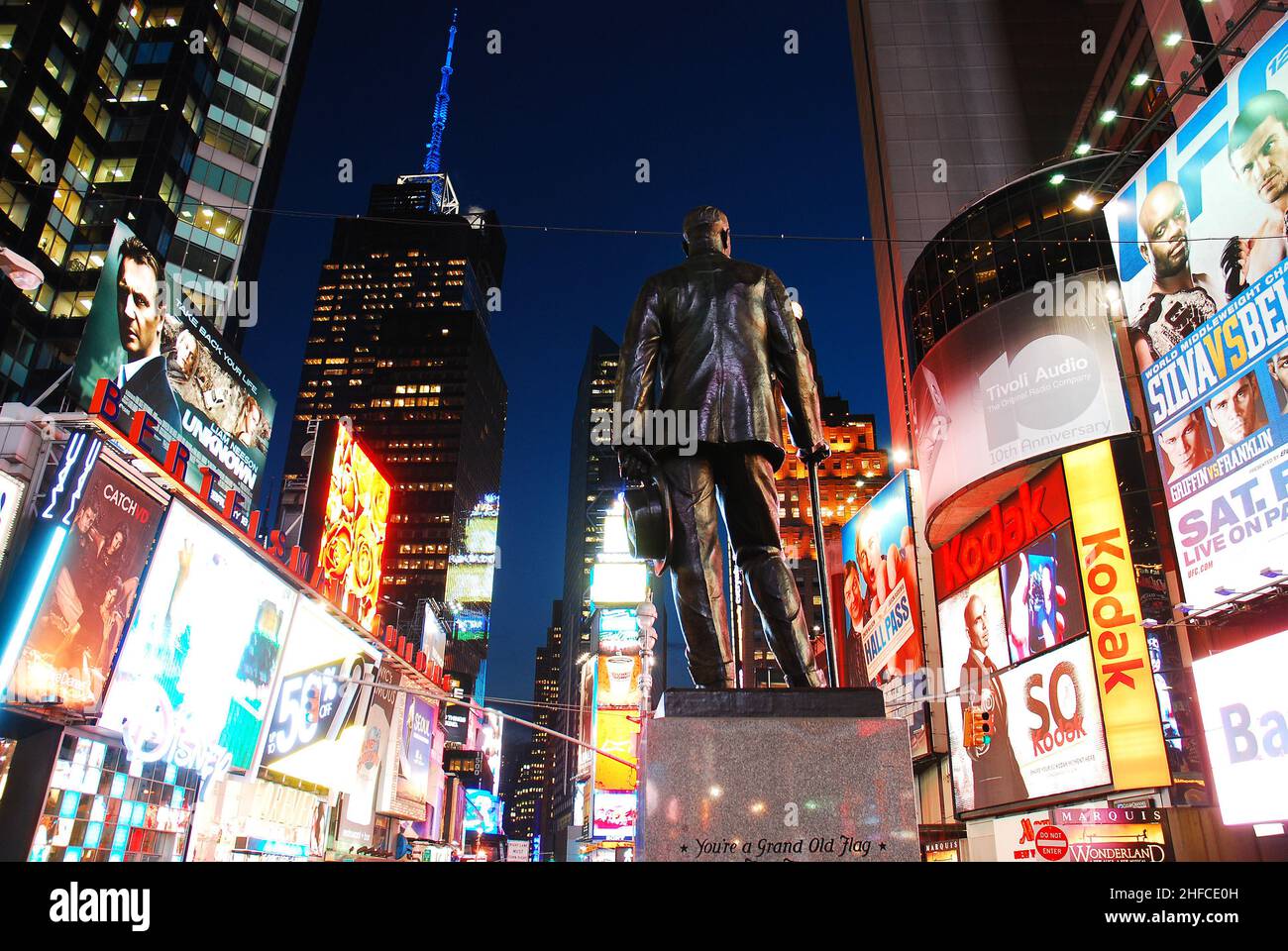
To experience a 12-foot statue effectively, avoid the peak mid-day tourist rush. Early morning (before 9:00 AM) or late evening (after 10:00 PM) provides the best lighting for viewing, as the ambient glow from the surrounding LED screens creates a unique, dramatic illumination on the statue's surfaces.
Comparative Analysis of Public Art Installations
| Feature | Permanent Bronze Monuments | Times Square Temporary Sculptures |
|---|---|---|
| Average Height | 6–8 Feet | 10–20 Feet |
| Materiality | Bronze, Granite, Stone | Resin, Steel, Recycled Plastic |
| Duration | Decades to Centuries | 3 to 12 Months |
| Accessibility | Low-traffic, Park setting | High-density, Urban transit hub |
| Maintenance | Weather cleaning | Structural inspections, Anti-graffiti |
Engineering and Logistical Requirements
Installing a 12-foot structure in Times Square involves logistical hurdles that the average visitor never sees. The process typically begins in the middle of the night to minimize disruption to commercial traffic. Specialized crews use heavy-duty cranes to lift the statue onto custom-built platforms.
Because the "ground" in Times Square is actually the roof of the subway system, these platforms are designed to distribute weight evenly. Engineers calculate the PSI (pounds per square inch) to ensure that the statue’s load does not compromise the infrastructure below. Furthermore, each installation must pass a fire inspection, as the materials used—especially plastics or synthetic composites—must meet the strict fire-safety codes mandated by the New York City Fire Department (FDNY) for public gathering spaces.
Common Pitfalls and Visitor Mistakes
One of the most frequent mistakes visitors make is expecting a statue to remain in place indefinitely. Because these pieces are part of a rotating exhibition, they are inherently transient. Before making a dedicated trip to see a specific piece, verify its current installation schedule via the official Times Square Arts website or the NYC Department of Transportation’s public art registry.
Another common error is attempting to touch or climb the structures. Beyond the risk of damage, these statues are monitored by high-definition security cameras integrated into the district's comprehensive surveillance network. Security personnel and Times Square Ambassadors are stationed throughout the area to ensure that the interaction between the public and the art remains respectful and safe.
Frequently Asked Questions
How long do 12-foot statues typically stay in Times Square?
These statues are generally displayed for a period ranging from three months to one year. The duration is determined by the specific contract between the artist, the commissioning gallery, and the Times Square Alliance. Some installations are part of a seasonal rotation, while others may be part of an annual festival.
Can I touch or climb the statues for photos?
No. For safety reasons and to protect the structural integrity of the artwork, climbing and touching are strictly prohibited. These pieces are intended for visual engagement. Attempting to climb or vandalize the work may result in police intervention and potential fines under city public conduct ordinances.
Who pays for these installations?
Funding for public art in Times Square typically comes from a blend of private sponsorships, philanthropic grants, and sometimes corporate partnerships. It is rarely funded solely by taxpayer dollars, as the program aims to provide cultural value to the district without increasing the municipal tax burden.
Are these statues wheelchair accessible?
Yes. The Times Square plazas are designed to be fully ADA (Americans with Disabilities Act) compliant. The areas surrounding the statues are flat, paved, and kept clear of obstructions, allowing wheelchair users and those with limited mobility to approach the installations and view them from all angles.
What happens to the statue after the exhibition ends?
Once an exhibition concludes, the statues are carefully deconstructed and transported. Many are returned to the artist’s studio, moved to a museum collection, or sold to private collectors. In cases involving temporary materials, some parts of the installation are recycled as part of the artist's commitment to sustainability.
How to Stay Informed About New Installations
To stay updated on upcoming installations, the most effective method is to sign up for the newsletter provided by the Times Square Alliance. In 2026, the district has increased its focus on augmented reality (AR) components, where visitors can use their smartphones to see digital overlays that expand on the physical 12-foot structure. If you are planning a visit, check the site the week of your arrival, as weather conditions or public events can sometimes necessitate temporary closures of the viewing area.