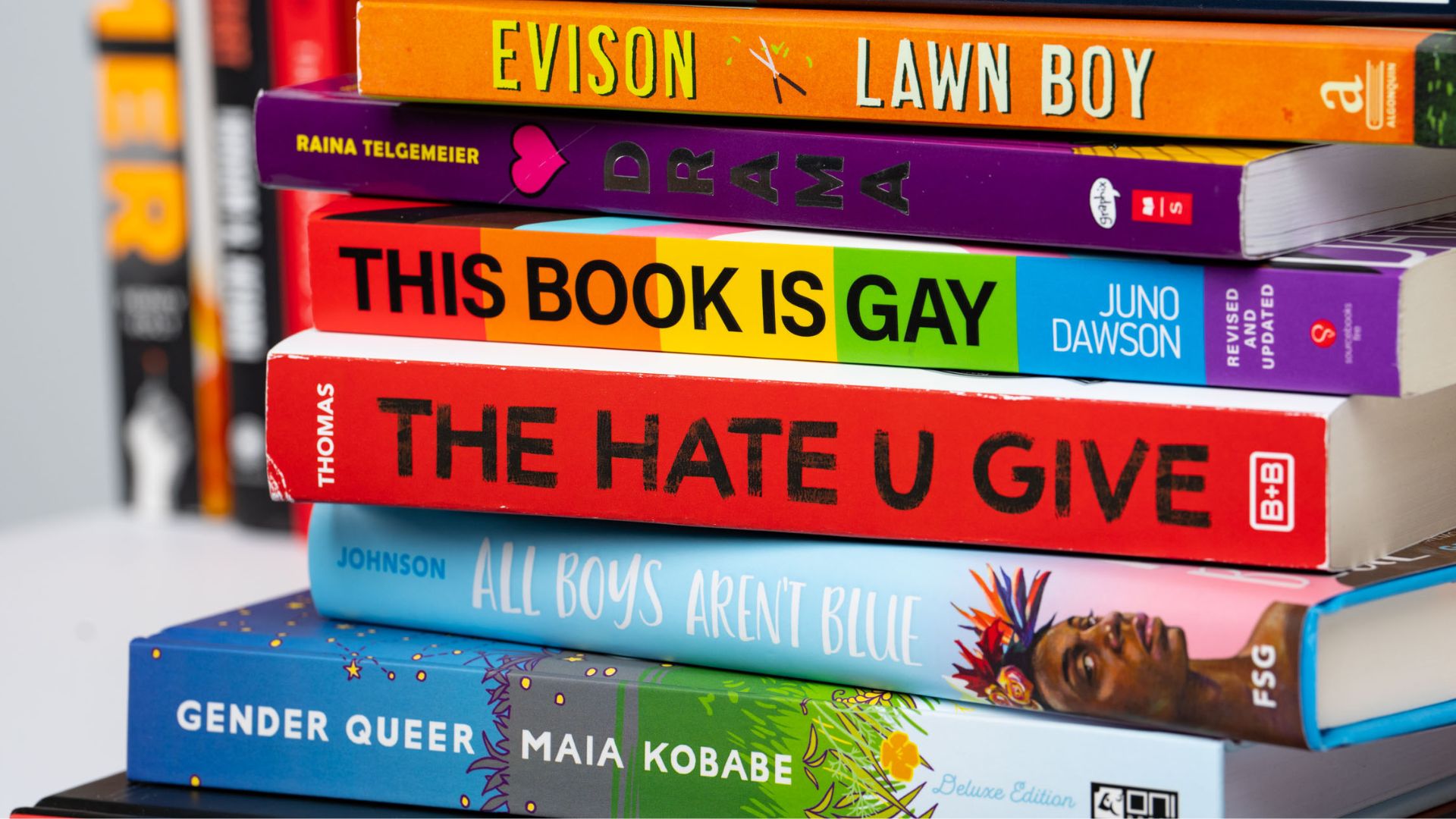
Finding appropriate and engaging literature for 12-year-olds involves navigating the bridge between middle-grade and young adult fiction. For readers in this age bracket, "rainbow reads" offer vital mirrors for self-discovery and windows into diverse human experiences, exploring themes of friendship, identity, and courage within the context of early adolescence.
Understanding the Middle-Grade LGBTQ+ Experience
At age 12, readers are often in the sixth or seventh grade, a developmental stage characterized by significant social and emotional shifts. During this period, literature plays a crucial role in validating experiences. LGBTQ+ middle-grade literature typically avoids the explicit content found in older young adult novels, focusing instead on the social dynamics of school, family relationships, and the nuanced process of understanding one’s own identity.
When selecting books for this age, educators and guardians should prioritize narratives that provide authentic representation. These stories help young readers develop empathy for peers whose experiences may differ from their own while providing comfort to those exploring their own orientations or gender identities. The following list features twelve highly regarded titles that have gained recognition for their narrative quality and age-appropriate exploration of identity.
Selected Notable Titles for 12-Year-Old Readers
The landscape of LGBTQ+ literature for middle-grade readers is diverse, spanning fantasy, realistic fiction, and historical narratives. These selections are chosen for their acclaim and their ability to resonate with the 12-year-old mindset.
- "George" (now titled "Melissa") by Alex Gino: This story follows a transgender girl who wants the world to see her as she truly is. It is a fundamental read for understanding gender dysphoria.
- "The Prince and the Dressmaker" by Jen Wang: A graphic novel exploring identity and creative expression in 19th-century Paris.
- "Rick" by Alex Gino: A companion to "George," this book focuses on a protagonist exploring asexuality and aromanticism.
- "Star-Crossed" by Barbara Dee: A realistic drama about a girl who lands the lead in a play opposite another girl, leading her to question her feelings.
- "Hurricane Child" by Kheryn Callender: Set in the U.S. Virgin Islands, this story follows a girl who feels cursed until she meets a new classmate.
- "The House You Pass on the Way" by Jacqueline Woodson: A classic exploration of Southern identity and self-discovery.
- "Snapdragon" by Kat Leyh: A contemporary graphic novel about a girl who befriends a local "witch" and discovers deeper truths about her town and self.
- "King and the Dragonflies" by Kacen Callender: A deeply emotional story about grief, friendship, and coming to terms with one's identity.
- "Lily and Dunkin" by Donna Gephart: A dual-perspective story about a transgender girl and a boy with bipolar disorder.
- "Hazel Bly and the Deep Blue Sea" by Ashley Herring Blake: A narrative centered on family dynamics and the complexity of moving to a new place.
- "Ana on the Edge" by A.J. Sass: A story about a competitive figure skater exploring gender identity beyond the binary.
- "Seventh Grade vs. the Galaxy" by Joshua S. Levy: While sci-fi, it includes diverse representation that fits seamlessly into the middle-grade experience.
Comparative Table of Themes in LGBTQ+ Middle-Grade Fiction
The following table categorizes these works based on their primary thematic focus to help guide selection based on a reader's specific interests.
| Book Title | Primary Theme | Genre |
|---|---|---|
| Melissa (George) | Gender Identity | Realistic Fiction |
| The Prince and the Dressmaker | Self-Expression | Graphic Novel |
| Rick | Asexuality/Aromanticism | Realistic Fiction |
| Star-Crossed | First Romance | Contemporary |
| Hurricane Child | Identity & Belonging | Contemporary |
| King and the Dragonflies | Grief & Sexuality | Realistic Fiction |
| Ana on the Edge | Non-binary Identity | Sports/Contemporary |
The Role of Graphic Novels in Adolescent Reading
Graphic novels have become a primary gateway for 12-year-olds engaging with LGBTQ+ themes. The visual medium allows for the depiction of nuanced emotions and social cues that might otherwise require dense prose. For young readers, the combination of text and art makes complex topics—such as the social discomfort of "coming out" or the experience of being bullied—more accessible and less intimidating. Works like "Snapdragon" or "The Prince and the Dressmaker" demonstrate how visual storytelling can normalize diverse experiences without relying on heavy exposition.
Selecting Books: Considerations for Guardians
When vetting books for a 12-year-old, it is helpful to look for reviews from established educational bodies, such as the American Library Association or Common Sense Media. These organizations often categorize books by maturity level, which is a useful metric for parents to identify whether a book is better suited for a middle-grade reader (ages 10–13) or a high-schooler (ages 14+).
It is also beneficial to encourage "active reading," where the adult or educator remains available for follow-up discussions. Adolescents often have questions after reading about characters who experience discrimination or social pressure. Maintaining an open dialogue allows the reader to process the emotional weight of the story safely.
Addressing Common Concerns
A frequent concern among parents is the age-appropriateness of content. It is important to distinguish between "inclusive content" and "explicit content." Most middle-grade literature categorized as LGBTQ+ focuses on the social and emotional milestones of adolescence. Relationships in these books typically mirror the "crushes" and "first dates" found in mainstream middle-grade fiction, rarely involving sexual content. If a book is marketed as "Middle Grade," it is intended to meet the developmental needs of children under the age of 14.
Navigating Literary Challenges
Readers sometimes encounter books that they find personally challenging or confusing. This is a normal part of the developmental process. If a 12-year-old expresses discomfort with a narrative, it can serve as a teaching moment about differing perspectives and the importance of literature as a tool for empathy. Conversely, if a child feels a profound connection to a character, it is often a sign of healthy identification and self-discovery.
Next Steps for Building an Inclusive Library
To begin building a collection of these books, consider visiting local public libraries where librarians are trained to curate collections for diverse needs. Most public library systems have dedicated sections for "Young Adult" or "Middle Grade" that are clearly labeled.
- Consult School Librarians: They often have the most current lists of popular, inclusive books that are already vetted for the middle-school curriculum.
- Use Book Reviews: Look for reviews that specifically mention the intended age range rather than relying solely on the cover art.
- Read Together: Engaging in a shared reading experience allows you to gauge the tone and maturity of the content firsthand.
- Prioritize Interest: Allow the reader to choose the genre—whether it is fantasy, historical fiction, or graphic novels—to ensure they stay engaged with the reading process.
If you are unsure where to start, Melissa (formerly George) is frequently cited as a foundational text in classrooms across the country due to its clear, direct, and compassionate portrayal of a young person's journey. By focusing on quality narratives, you help ensure that every child sees themselves represented in the stories they consume.
Frequently Asked Questions
Are these books appropriate for all 12-year-olds?
Every child matures at a different pace. While these books are generally written for the 10–13 age range, it is recommended that parents review a synopsis or read a chapter to determine if the specific themes align with their child’s current level of emotional maturity.
What is the difference between Middle-Grade and Young Adult?
Middle-grade (MG) books are typically written for readers aged 8–12 or 10–14, focusing on childhood-to-adolescent transitions. Young Adult (YA) books are aimed at ages 14–18 and often feature more complex, mature, or darker subject matter.
How do I find more books like these?
The American Library Association maintains lists of award-winning books, such as those that have received the Stonewall Book Award, which specifically recognizes literature of exceptional merit relating to the LGBTQ+ experience.
What if my child finds a book "too mature"?
If a child feels a book is too mature, they should be encouraged to stop reading it and try a different title. Reading should be an enjoyable experience, and there is no "required" reading list that is universal for every student.
Can these books be used in a classroom?
Many of these titles are already used in schools. If you are a parent, check your local school district’s policy on library access and supplemental reading material, as districts vary in their procedures regarding book selection.