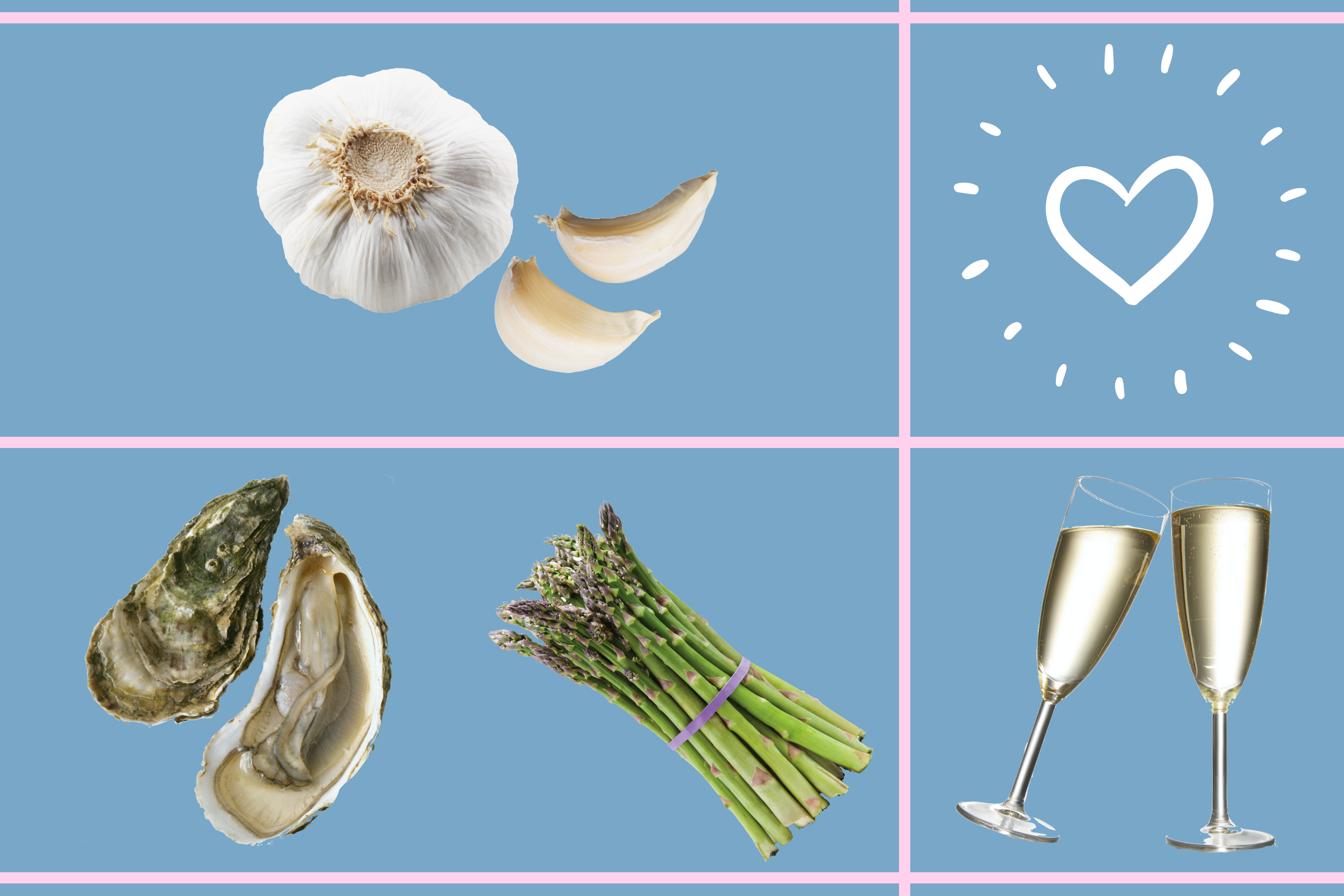
Integrating nutrient-dense foods into your diet can support hormonal health, improve blood circulation, and boost energy levels, all of which are foundational to physical intimacy. While no single food acts as a magic potion, certain ingredients contain bioactive compounds that help optimize the body’s physiological responses, creating a conducive environment for enhanced desire and connection.
The Science of Aphrodisiacs
The term "aphrodisiac" originates from Aphrodite, the Greek goddess of love. In modern nutritional science, however, the concept is stripped of mysticism and rooted in human biology. An aphrodisiac is defined as any food, drink, or supplement that stimulates the sexual instinct, induces desire, or improves sexual performance. The mechanism of action for these foods typically involves three biological pathways: vasodilation (the widening of blood vessels), stress reduction (lowering cortisol), and the support of neurotransmitters involved in arousal, such as dopamine and oxytocin.
By focusing on ingredients that promote cardiovascular health and reduce systemic inflammation, you are essentially supporting the body's natural ability to respond to intimacy. Nutrition serves as the baseline for hormonal stability and energy, making the following 12 foods excellent additions to your culinary repertoire.
1. Oysters
Perhaps the most famous of all aphrodisiacs, oysters are rich in zinc. This trace mineral is essential for the production of testosterone and plays a vital role in sperm health and mobility. Because zinc is also involved in maintaining healthy dopamine levels—a neurotransmitter linked to pleasure and motivation—oysters are often the first recommendation for those looking to boost physical desire.
2. Dark Chocolate
High-quality dark chocolate, specifically that containing at least 70% cocoa, provides more than just indulgence. It contains phenylethylamine, an organic compound often referred to as the "love chemical," which stimulates the release of endorphins. Furthermore, cocoa is rich in flavonoids that promote blood flow, supporting overall cardiovascular efficiency.
3. Strawberries
Beyond their vibrant color and sensory appeal, strawberries are an excellent source of Vitamin C. This vitamin is critical for healthy blood flow throughout the body and is a prerequisite for the effective absorption of other nutrients. Their high antioxidant content also helps combat oxidative stress, which can otherwise impede physical vitality.
4. Chili Peppers
The capsaicin found in chili peppers triggers the release of adrenaline and endorphins, leading to an increased heart rate and a sensation of warmth. This physiological response mimics the physical sensations associated with arousal. Adding a moderate amount of heat to your meals can effectively stimulate the circulatory system.
5. Avocados
Revered by the Aztecs for their energy-boosting properties, avocados are packed with healthy monounsaturated fats. These fats are essential for heart health; a strong, healthy heart is necessary for effective blood circulation to all parts of the body. Additionally, they provide Vitamin B6, which is linked to sustained energy levels and a decrease in fatigue.
6. Almonds
Almonds are densely packed with trace minerals, including selenium, zinc, and Vitamin E. These nutrients are important for sexual health and reproduction. Vitamin E, in particular, acts as an antioxidant that protects cells from damage, while the healthy fats found in almonds provide the stamina needed for physical closeness.
7. Pomegranate
Often cited for its high antioxidant profile, pomegranate juice has been linked to improved blood flow. Some studies suggest that the polyphenols in pomegranates help reduce oxidative stress in the arterial walls, which supports healthy circulation. Its role as a vasodilator makes it a functional addition to a diet focused on physical performance.
8. Watermelon
Watermelon contains citrulline, an amino acid that the body converts into arginine. Arginine is a precursor to nitric oxide, a molecule that helps relax blood vessels, thereby improving blood flow to various regions of the body. This mechanism is similar to how certain pharmaceutical interventions for performance function, albeit in a much milder and natural form.
9. Figs
Historically, figs have been celebrated for their role in fertility. Nutritionally, they are high in amino acids and dietary fiber. While their reputation as an aphrodisiac is largely traditional, their contribution to a balanced diet—specifically regarding heart health and consistent blood sugar levels—makes them a sensible choice for maintaining energy and mood.
10. Garlic
Garlic contains allicin, a compound that has been shown to improve blood flow. While its pungent aroma may be a deterrent for some, its cardiovascular benefits are well-documented. By supporting arterial health and circulation, garlic acts as a subtle but effective tool for maintaining the physical readiness required for intimacy.
11. Asparagus
Asparagus is rich in folate, a B vitamin that helps produce histamine. Histamine is necessary for the ability to reach a physical climax in both men and women. Furthermore, it contains high levels of potassium, which is essential for healthy muscle function and maintaining proper electrolyte balance.
12. Saffron
This premium spice has been used in various cultures as a stimulant for desire. Research into saffron indicates that it may influence serotonin levels in the brain, potentially helping to reduce stress and improve mood. A calm, focused state of mind is a prerequisite for engaging in and enjoying physical intimacy.
Nutritional Comparison of Key Aphrodisiacs
| Food Item | Primary Nutrient | Functional Benefit |
|---|---|---|
| Oysters | Zinc | Testosterone support |
| Dark Chocolate | Phenylethylamine | Mood enhancement |
| Chili Peppers | Capsaicin | Increased heart rate |
| Watermelon | Citrulline | Nitric oxide production |
| Avocado | Healthy Fats | Cardiovascular health |
| Almonds | Vitamin E | Cellular vitality |
Addressing Common Misconceptions
It is important to manage expectations when incorporating these foods into your diet. No food acts as an instant "switch" for desire. Instead, these items should be viewed as long-term investments in your overall physiological and cardiovascular health. Factors such as chronic stress, sleep deprivation, and underlying medical conditions will almost always override the benefits of any single dietary ingredient.
If you are experiencing persistent changes in desire or sexual performance, it is advisable to consult with a qualified healthcare provider. Medical professionals can help rule out underlying issues such as hormonal imbalances, medication side effects, or circulatory problems.
Tips for Implementation
To get the most out of these foods, focus on consistency rather than quantity. A single meal featuring oysters will not produce long-term changes; however, adopting a Mediterranean-style diet that regularly incorporates avocados, nuts, berries, and heart-healthy spices can yield cumulative benefits for your energy and vascular function.
- Prioritize Variety: Combine different sources of nutrients to support multiple biological pathways.
- Mind the Preparation: Avoid heavy, deep-fried preparations that can cause sluggishness. Opt for fresh or lightly cooked methods.
- Hydration: Water is the primary vehicle for nutrient transport. Ensure you remain hydrated throughout the day to support blood volume and circulation.
Frequently Asked Questions
Can these foods fix low libido?
While these foods support the biological systems—such as circulation and hormone production—necessary for libido, they cannot resolve complex psychological or medical issues. If low desire is persistent, consider speaking with a healthcare professional to address root causes.
Are there any side effects to consuming these foods?
For most people, these foods are safe and healthy. However, individual sensitivities exist. For example, those with specific allergies (such as shellfish or tree nuts) should avoid relevant items. Additionally, high intake of certain foods like garlic or chilies may cause digestive discomfort in sensitive individuals.
How quickly do these foods work?
Because these foods act through general nutritional support, they are not fast-acting stimulants. Their benefits are best realized over weeks or months of consistent, healthy dietary habits that improve overall blood flow and metabolic health.
Is there a specific time of day to eat these foods?
There is no "perfect" time. However, focusing on a meal that is balanced in nutrients and not overly large or heavy can help maintain consistent energy levels, which is generally more beneficial for physical intimacy than eating a large, energy-intensive meal right before bed.
How to Take the Next Step
To begin, select three or four foods from this list that you genuinely enjoy and incorporate them into your weekly meal planning. Focus on building a routine that prioritizes nutrient-dense, whole foods. By removing processed sugars and excessive saturated fats while increasing your intake of items like avocados, almonds, and leafy greens, you provide your body with the tools it needs to function at its best. Monitor your overall energy and well-being over the next 2026 calendar year to evaluate the impact on your vitality.