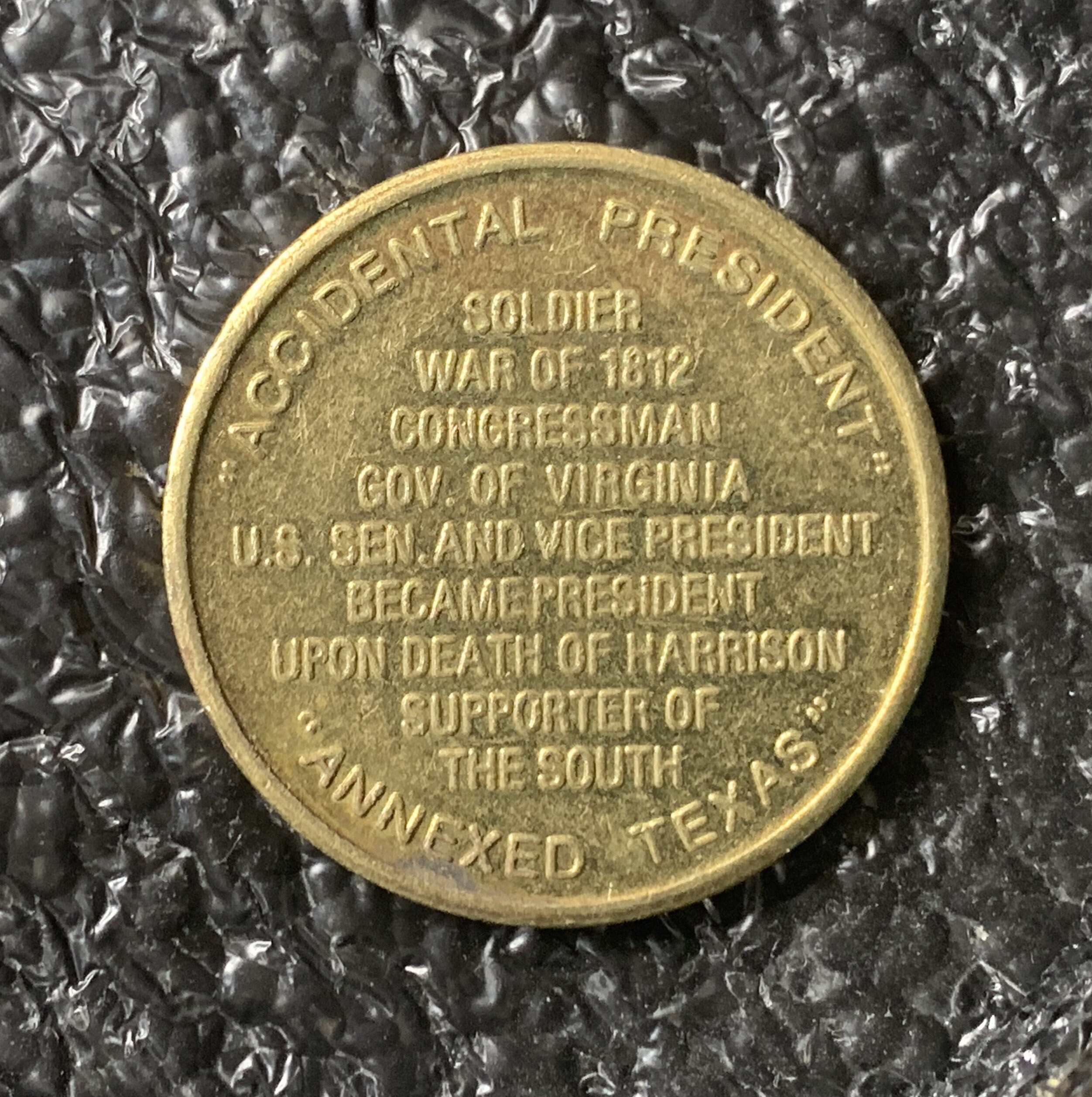
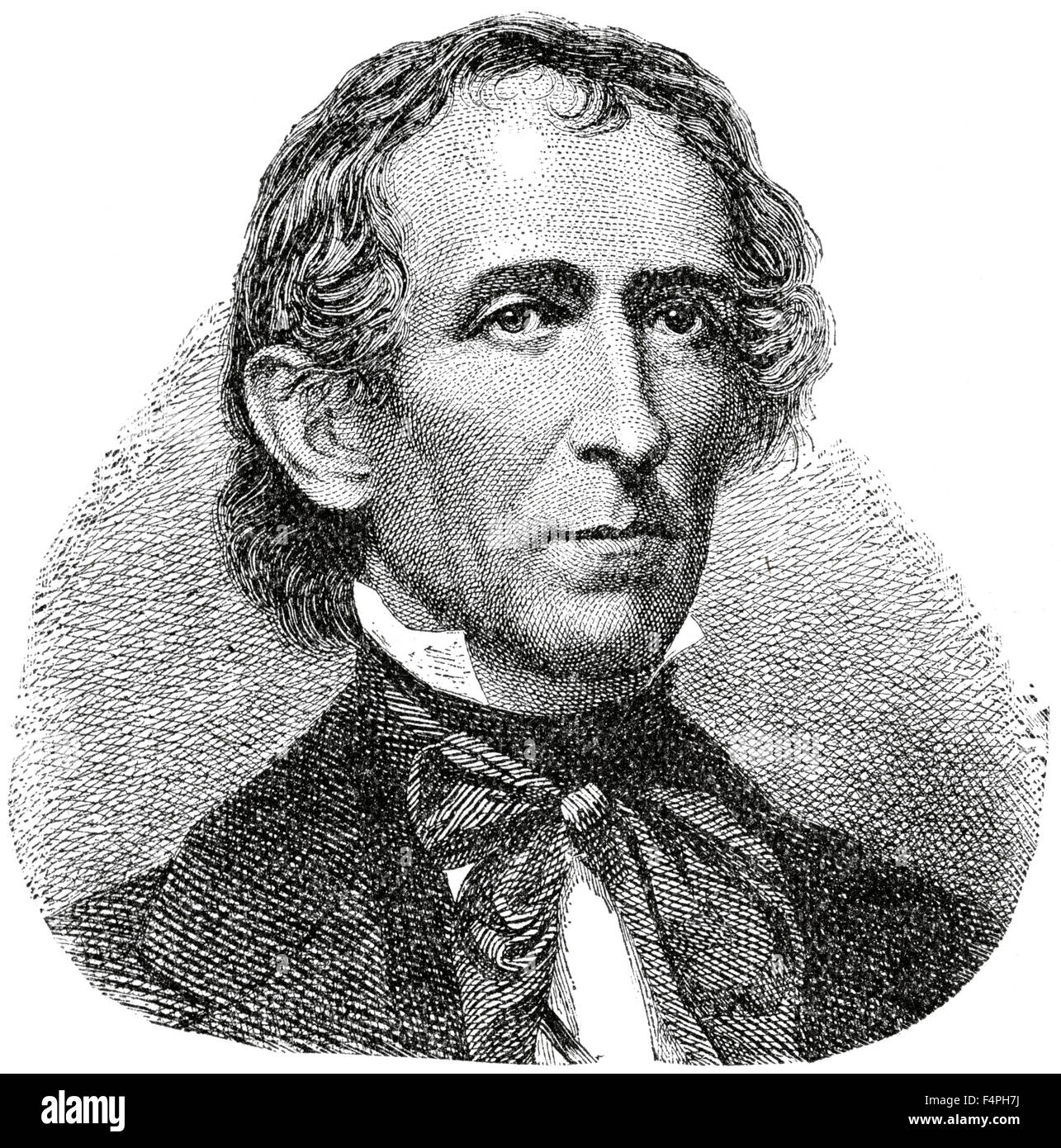
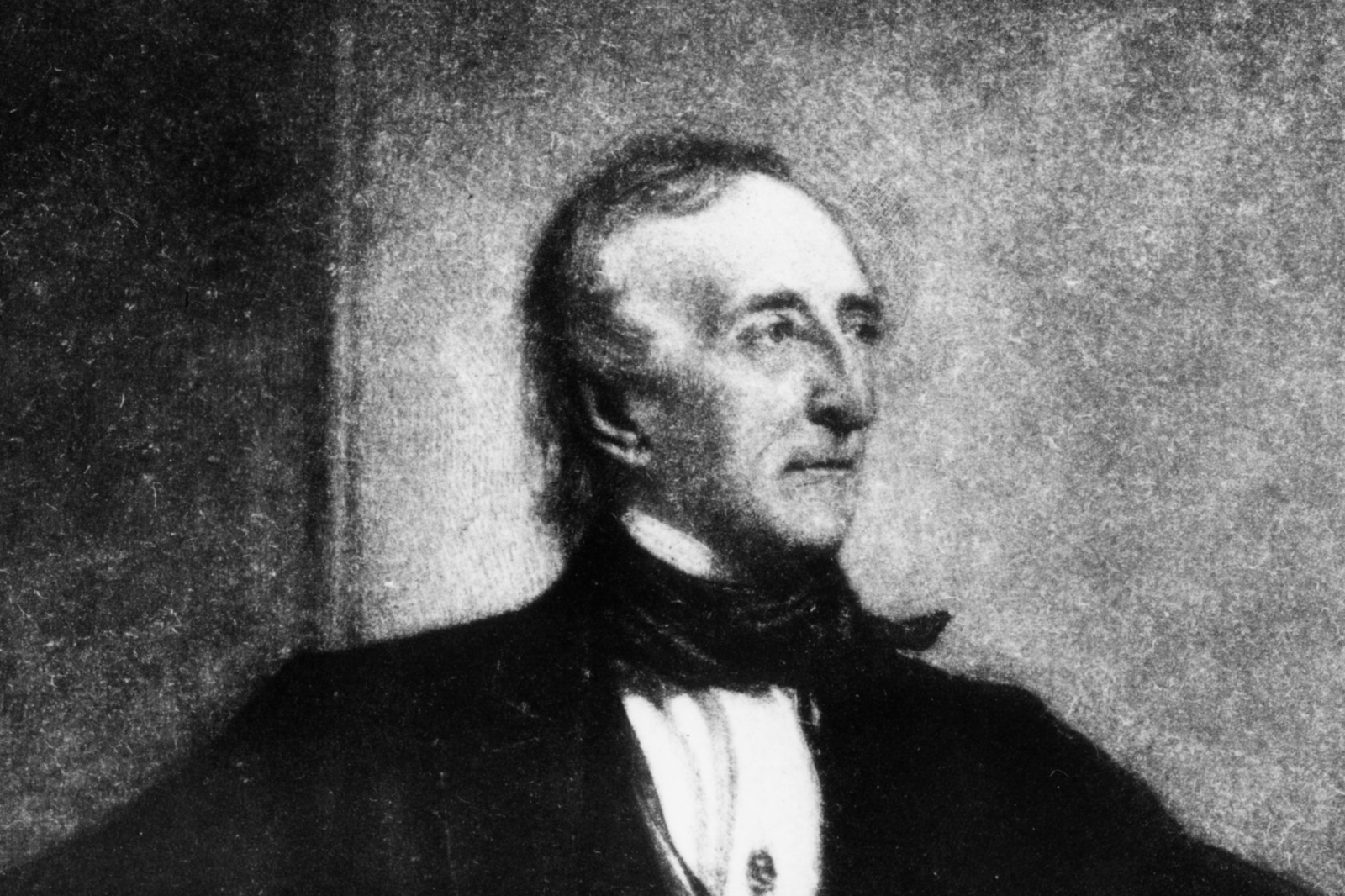
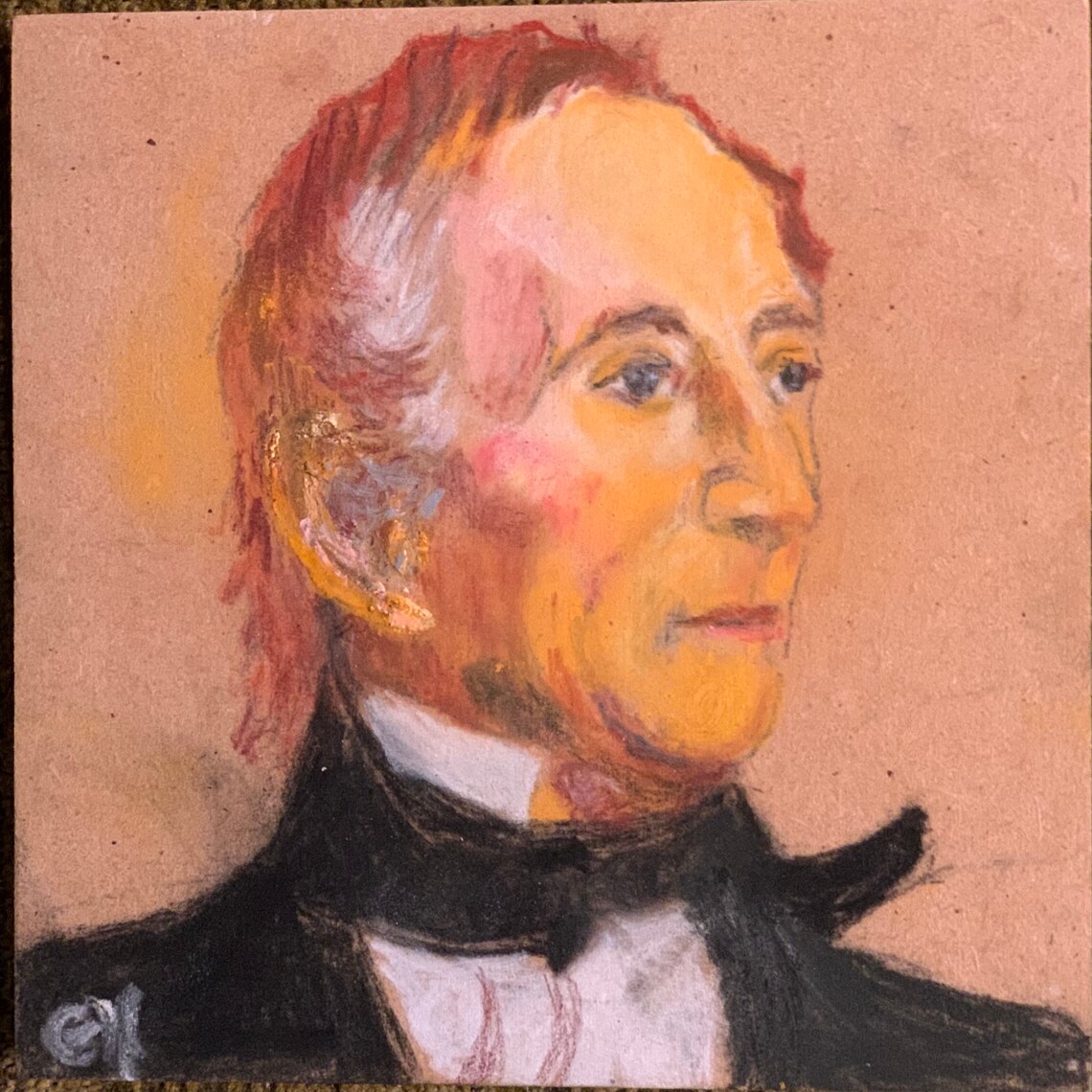
John Tyler, who served as the 10th President of the United States from 1841 to 1845, remains a pivotal figure in American constitutional history. He was the first Vice President to ascend to the presidency due to the death of an incumbent, a transition that established the precedent for the peaceful transfer of executive power under the U.S. Constitution.
The Constitutional Precedent of Succession
The most significant aspect of John Tyler’s presidency was the process by which he attained the office. When President William Henry Harrison died of pneumonia only 31 days into his term in April 1841, the United States faced an unprecedented constitutional crisis. The language of the Constitution at the time stated that the "powers and duties" of the office should devolve upon the Vice President, but it remained ambiguous regarding whether the Vice President technically became the President or merely an "Acting President."
Tyler acted decisively, taking the oath of office immediately and asserting that he was the President of the United States in title, authority, and function. While his political rivals, including Secretary of State Daniel Webster and Senator Henry Clay, initially referred to him as "Acting President," Tyler refused to open mail addressed to any title other than "President of the United States." By standing his ground, he established a clear precedent that the Vice President becomes the President with the full powers of the office, a standard that was later codified in the 25th Amendment to the Constitution in 1967.
Political Alienation and the Whig Party
John Tyler’s tenure was characterized by a profound fracture between the executive and legislative branches. Elected on the Whig ticket in 1840 alongside William Henry Harrison, Tyler was a states' rights advocate from Virginia whose political philosophy was largely incompatible with the mainstream Whig agenda. The Whigs, led by Henry Clay, supported the "American System," which included a national bank, high protective tariffs, and government-funded internal improvements.
Once in office, Tyler demonstrated his independence by twice vetoing legislation intended to re-establish a national bank. These vetoes were perceived as a betrayal by the Whig leadership. In retaliation, almost his entire cabinet resigned in September 1841, with the notable exception of Daniel Webster, who stayed on to finalize the Webster-Ashburton Treaty. Tyler was subsequently expelled from the Whig Party, effectively making him a president without a political party, a status that left him politically isolated for the remainder of his term.
Significant Achievements of the Tyler Administration
Despite his lack of party support, Tyler’s administration oversaw several consequential developments that reshaped the geography and foreign policy of the United States. His commitment to territorial expansion, often referred to as "Manifest Destiny," was the cornerstone of his diplomatic efforts.
- The Webster-Ashburton Treaty (1842): This landmark agreement with Great Britain resolved long-standing boundary disputes between the United States and Canada, particularly concerning the border between Maine and New Brunswick. It also established provisions for the suppression of the international slave trade.
- The Annexation of Texas: The most lasting legacy of Tyler’s presidency was the annexation of Texas. Although the U.S. Senate initially rejected the treaty of annexation due to concerns over the expansion of slavery, Tyler pushed for a joint resolution of Congress. This required only a simple majority in both houses rather than the two-thirds majority required for a treaty. The resolution passed in the final days of his term, and Tyler signed it into law on March 1, 1845.
- The Treaty of Wanghia (1844): Negotiated by Caleb Cushing, this was the first formal diplomatic agreement between the United States and China. It secured "most favored nation" status for the U.S., opening Chinese ports to American trade and granting extraterritorial rights to American citizens in China.
Administrative Comparison of Executive Milestones
The following table highlights the unique administrative position held by John Tyler in contrast to the standard expectations of 19th-century presidential governance.
| Feature | John Tyler's Approach | Contextual Significance |
|---|---|---|
| Ascension | Immediate assumption of full title | Established the precedent for vice-presidential succession. |
| Party Affiliation | Independent (Expelled by Whigs) | The first president to serve without a cohesive party mandate. |
| Legislative Strategy | Frequent use of the veto power | Asserted executive independence against the Whig legislative agenda. |
| Expansion Policy | Aggressive territorial acquisition | Successfully facilitated the annexation of Texas via joint resolution. |
| Foreign Policy | Diplomatic expansionism | Initiated formal trade relations with China and settled Canadian borders. |
The Challenge of Governing Without a Party
Operating without a party meant that Tyler had no infrastructure to pass legislation or build coalitions. He relied on a small circle of advisors, often referred to by his critics as his "Kitchen Cabinet." This isolation made the legislative process arduous. His inability to compromise with Whig leadership resulted in a paralyzed domestic agenda for the latter half of his term.
Furthermore, his cabinet appointments were frequently stalled or rejected by the Senate. This created an environment where the President was in a constant state of friction with the legislative branch, setting a pattern for executive-legislative conflict that would haunt subsequent administrations. Despite these hurdles, Tyler remained steadfast in his belief that the President was the true representative of the people, capable of thwarting Congress when necessary to protect the Constitution.
Legacy and Historical Assessment
Historians often categorize John Tyler as one of the most enigmatic presidents in American history. While he is often ranked low in presidential effectiveness due to his failure to maintain party unity, his defense of presidential authority was critical to the evolution of the office. He maintained that the executive branch was a co-equal branch of government that should not be subservient to the whims of the legislative majority.
His role in the annexation of Texas also fundamentally altered the trajectory of the United States, leading directly to the Mexican-American War and the acquisition of the American Southwest. The political, social, and economic consequences of these territorial gains continued to influence the United States well into the 20th and 21st centuries.
Frequently Asked Questions
Was John Tyler ever elected to the presidency in his own right?
No. John Tyler served the remainder of William Henry Harrison’s term and did not seek election in his own right in 1844. He lacked a political party base, and his administration had become so alienated from the Whigs and Democrats that he had no viable path to a general election victory.
Why is John Tyler sometimes called "His Accidency"?
The term "His Accidency" was a derogatory nickname used by his political opponents, particularly Whigs, to mock his rise to the presidency. It implied that his presence in the White House was a result of a tragic accident—the death of Harrison—rather than a democratic mandate, and served to undermine his legitimacy during his early months in office.
What is the significance of the Tyler Precedent today?
The Tyler Precedent established that a Vice President who succeeds to the presidency becomes the President, not merely an acting official. This was vital for political stability until the 25th Amendment was ratified in 1967, which formally enshrined this custom into the Constitution, removing any ambiguity regarding the transfer of power.
How did the annexation of Texas lead to conflict?
The annexation of Texas by joint resolution was viewed by Mexico as an act of aggression, as Mexico had never formally recognized the independence of Texas. This move contributed significantly to the diplomatic breakdown between the U.S. and Mexico, serving as a primary catalyst for the Mexican-American War that began under the subsequent administration of James K. Polk.
How to verify the specific details of the 1841 succession?
For those researching the primary documents of the era, the best resources include the National Archives and Records Administration (NARA) and the records maintained by the U.S. House of Representatives. These archives contain the original oath of office taken by Tyler and the congressional records of his correspondence with legislative leaders regarding the nature of his title.
Next Steps for Historical Research
If you are interested in exploring the presidency of John Tyler in greater depth, the following actions are recommended:
- Consult the "Presidential Papers" collections: Many universities and the Library of Congress have digitized the correspondence of 19th-century presidents, which provide unfiltered insight into the pressures of the Tyler administration.
- Review the Congressional Globe: This historical record of congressional debates provides the context for the legislative battles between Tyler and the Whig Party.
- Examine the 25th Amendment background: Researching the debate surrounding the 1967 amendment provides clarity on how the "Tyler Precedent" was eventually institutionalized in modern American law.