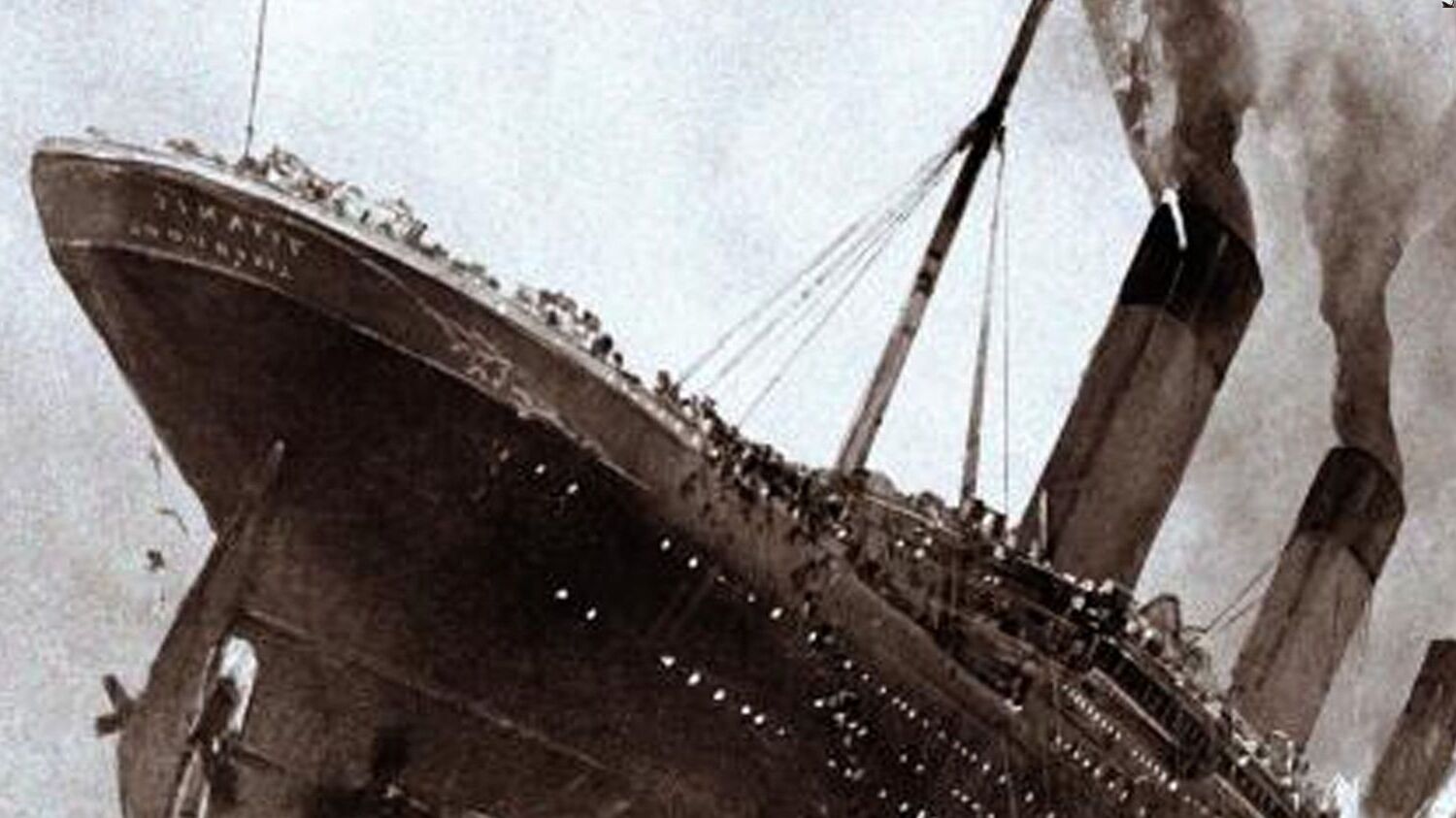
The RMS Titanic remains the most scrutinized maritime disaster in history. Separating historical reality from cinematic dramatization requires examining the original transcripts of the 1912 British and American inquiries, marine engineering logs, and verified wreckage analysis. By dismantling persistent myths regarding the ship’s construction, the iceberg collision, and the conduct of the crew, we gain an accurate perspective on the technological and human limitations of the Edwardian era.
The Architecture of Hubris: Engineering and Construction Myths
The construction of the Titanic, commissioned by the White Star Line, is often shrouded in misconceptions regarding "unsinkability." The vessel, designed by Harland and Wolff, featured 16 watertight compartments with electrically operated bulkheads. However, the bulkheads were not watertight at the top; they were essentially open-topped boxes. If the ship tilted sufficiently, water could spill from one compartment to the next—a design flaw that, combined with the extent of the hull breach, made sinking inevitable.
A common myth suggests that the ship used inferior iron or "brittle" steel. Metallurgical analysis conducted on salvaged rivets and hull steel in the late 20th and early 21st centuries indicates that while the steel had a high sulfur-to-manganese ratio, leading to brittleness at freezing temperatures, it met the industrial standards of 1912. The failure was not due to a singular manufacturing defect but a collision force that exceeded the structural design parameters of the era’s marine engineering.
The Night of the Collision: Reconstructing the Iceberg Impact
The sinking did not occur because the Titanic struck an iceberg "head-on." The collision, which occurred at 11:40 PM on April 14, 1912, was a glancing blow along the starboard side. The iceberg caused a series of punctures and seams to pop below the waterline across five of the forward compartments.
Contrary to popular belief, the ship did not break in half immediately upon hitting the water. The structural integrity held for hours while the bow submerged. The break occurred only in the final minutes when the stern rose out of the water, placing immense stress on the middle section—specifically the expansion joint and the area near the third funnel—causing the steel to tear under the ship's own immense weight.
Operational Secrets: Communications and Navigation
The wireless operators, Jack Phillips and Harold Bride, worked for the Marconi Company, not the White Star Line. Their primary duty was the transmission of passenger messages, which were a significant revenue stream for the company. This explains why the "official" priority was often diverted toward commercial telegrams, sometimes sidelining navigational warnings.
The lack of binoculars in the crow’s nest is frequently cited as a failure of oversight. In reality, binoculars were tools for officers on the bridge, not lookouts. The lookouts, Frederick Fleet and Reginald Lee, relied on their eyesight. Furthermore, on that specific night, the sea was abnormally calm, meaning there was no "surf" around the base of the iceberg to provide a visual cue in the darkness, which contributed to the failure to spot the hazard in time.
Comparative Overview of Historical Evidence
The following table contrasts common cultural myths with verified records from the official 1912 inquiries.
| Myth | Historical Reality |
|---|---|
| The ship was marketed as "Unsinkable" | White Star Line never used this claim in official advertising; it was a media interpretation of safety features. |
| The ship carried no lifeboats | The ship carried 20 lifeboats, exceeding the archaic Board of Trade regulations of 1894. |
| The band played until the very end | The music stopped shortly before the final plunge, as the musicians attempted to move toward the stern. |
| The ship was racing to beat a record | The Titanic was never intended to be the fastest ship; it was designed for luxury and size over speed. |
| A coal fire caused the sinking | A bunker fire existed but did not weaken the hull; it was a recurring maintenance issue, not a structural cause. |
The Lifeboat Crisis: Regulations and Human Error
The tragedy of the lifeboat situation was not a lack of availability for the total number of passengers, but rather the failure of the crew to understand the capacity limits of the boats. Many boats were launched half-empty, as crew members were unsure if the davits could hold a full load of passengers, fearing the ropes would snap.
The social hierarchy of the time dictated the passenger experience, but the official inquiry records show that the evacuation process was less a matter of overt discrimination and more a result of lack of training. The crew had never performed a full-scale lifeboat drill while the ship was in service. The confusion was compounded by the fact that many third-class passengers were isolated in lower decks, unaware of the gravity of the situation until it was nearly too late.
Identifying and Verifying Historical Sources
When researching the Titanic, it is vital to distinguish between first-person accounts and sensationalist media reporting from the 1910s. The most authoritative documents remain:
- The British Wreck Commissioner's Inquiry (1912): Chaired by Lord Mersey, this report provides the most rigorous analysis of the ship's operation and the conduct of the crew.
- The U.S. Senate Inquiry: Led by Senator William Alden Smith, this focused heavily on the responsibilities of the White Star Line and the management of wireless communications.
- The Marine Casualty Reports: These technical documents detail the exact timing of the flooding and the structural failure, which are essential for any scientific understanding of the disaster.
Expert Guidance for Further Research
To move beyond myths, researchers should consult the archives of the National Archives (UK) and the Library of Congress (US). These organizations hold the primary testimony from survivors, including passengers and crew members. When evaluating information about the Titanic, always check if the source relies on 1912 inquiry findings or if it references post-1985 wreckage studies, which corrected long-standing errors regarding the ship's final location and the nature of the hull damage.
If you are investigating specific claims about individual passengers or crew, consult the Encyclopedia Titanica, which archives primary source material including birth certificates, service records, and testimony transcripts. This minimizes the risk of falling for dramatized biographies that characterize historical figures based on fictionalized accounts.