Martin Luther King Jr. was a central figure in the American Civil Rights Movement, recognized for his commitment to nonviolent resistance, his profound oratory skills, and his role in dismantling systemic racial segregation. His life, marked by historic leadership in organizations like the SCLC and his ultimate assassination in 1968, remains a cornerstone of 20th-century history and a primary catalyst for modern social justice advocacy.
The Early Life and Formative Years of Michael King Jr.
Born on January 15, 1929, in Atlanta, Georgia, the man known to the world as Martin Luther King Jr. was originally named Michael King Jr. His father, Michael King Sr., changed both of their names in 1934 following a trip to Germany where he was inspired by the life and works of the Protestant reformer Martin Luther. This renaming set a symbolic trajectory for the younger King, who would eventually lead a reformative movement within the American social and political landscape.
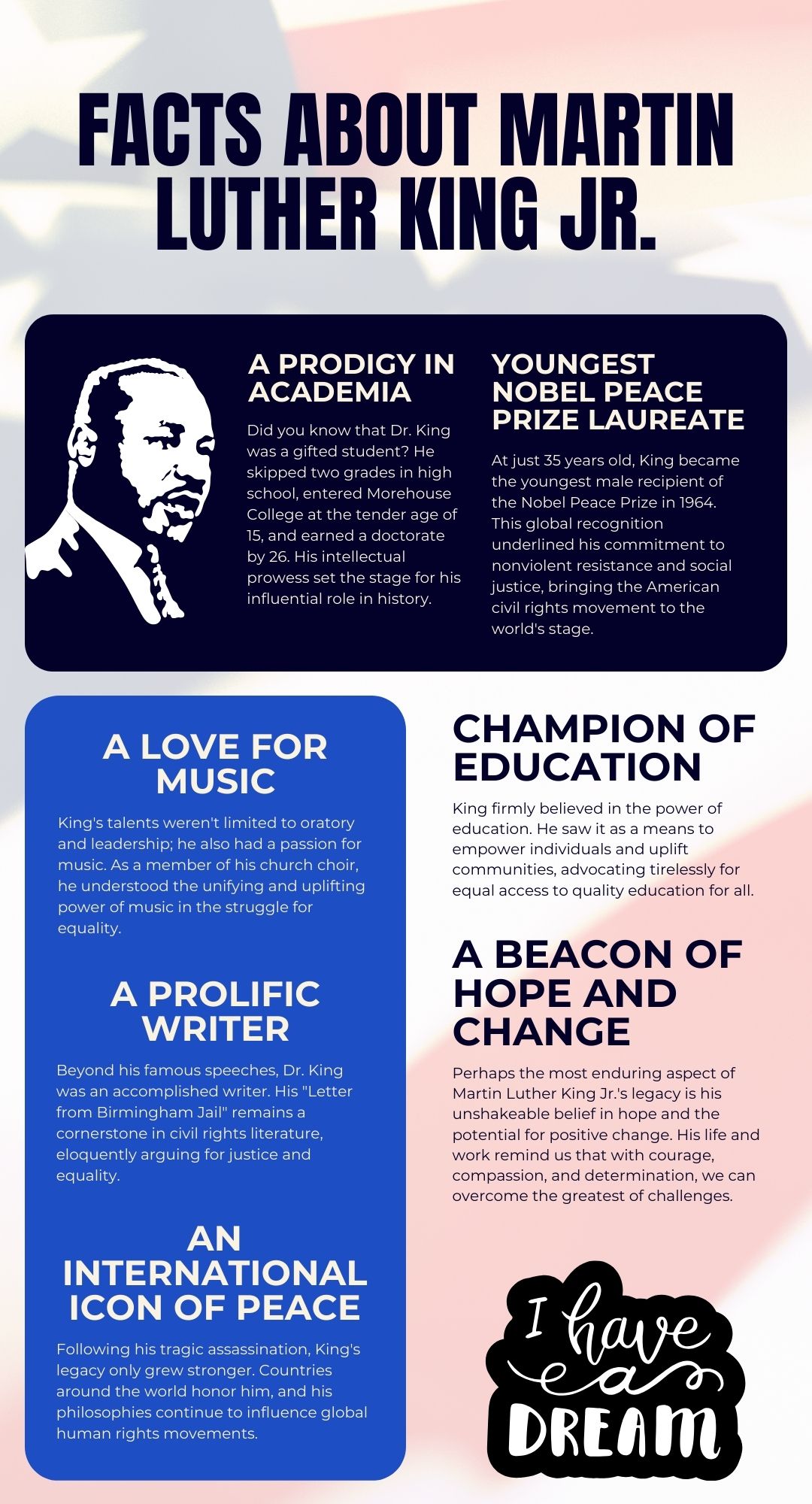
King grew up in the Auburn Avenue district of Atlanta, a hub for Black business and culture at the time. His upbringing was deeply rooted in the church; his father and maternal grandfather were both Baptist ministers. This environment instilled in him the oratorical styles and moral imperatives that defined his later career. He was an exceptionally bright student, skipping both the ninth and twelfth grades, and entering Morehouse College at the age of 15. At Morehouse, he was mentored by Dr. Benjamin Mays, an influential theologian who encouraged King to view the Christian gospel as a vehicle for social change.
Academic Development and Theological Foundations
After graduating from Morehouse in 1948 with a degree in sociology, King attended Crozer Theological Seminary in Pennsylvania. It was here that he began to study the works of Mahatma Gandhi in depth. Gandhi’s philosophy of satyagraha, or soul force, resonated with King, offering him a tactical framework for protest that did not rely on physical violence. He found in Gandhi a model for applying Christian love to political struggle.
He continued his education at Boston University, earning a Ph.D. in systematic theology in 1955. During his time in Boston, he met Coretta Scott, a singer and activist who would become his partner in both life and the civil rights struggle. His academic rigor provided the intellectual scaffolding for his public speeches; King was never merely a protest leader but a trained theologian capable of articulating complex arguments regarding human dignity, justice, and the morality of law.
Leadership in the Civil Rights Movement
King’s emergence as a national figure began with the Montgomery Bus Boycott of 1955–1956. Following the arrest of Rosa Parks for refusing to yield her seat on a segregated bus, the Montgomery Improvement Association (MIA) chose the young, relatively new pastor of the Dexter Avenue Baptist Church to lead the protest. The boycott lasted 381 days and resulted in a Supreme Court ruling that declared segregated buses unconstitutional.
Following the victory in Montgomery, King helped found the Southern Christian Leadership Conference (SCLC) in 1957. The organization was designed to harness the moral authority and organizing power of Black churches to conduct nonviolent protests across the South. Under his leadership, the SCLC focused on desegregation campaigns in cities like Birmingham, Alabama, and orchestrated the March on Washington for Jobs and Freedom in 1963.
The Power of Oratory and Key Documents
King’s influence was profoundly amplified by his ability to bridge the gap between religious moralizing and political activism. His "Letter from Birmingham Jail," written in 1963 while he was incarcerated for protesting without a permit, serves as a seminal defense of nonviolent civil disobedience. In the letter, he famously argued, "Injustice anywhere is a threat to justice everywhere," asserting that individuals have a moral obligation to disobey unjust laws.
His most iconic moment, the "I Have a Dream" speech, delivered from the steps of the Lincoln Memorial on August 28, 1963, remains one of the most significant pieces of rhetoric in American history. The speech synthesized the American dream with the struggle for Black equality, effectively shifting the national consciousness regarding the urgency of civil rights legislation.
| Event | Date | Significance |
|---|---|---|
| Montgomery Bus Boycott | 1955–1956 | Proved the effectiveness of nonviolent economic pressure. |
| Formation of the SCLC | 1957 | Provided a formal structure for Southern civil rights activism. |
| Letter from Birmingham Jail | 1963 | Defined the moral justification for civil disobedience. |
| March on Washington | 1963 | Led to significant public and political pressure for legislation. |
| Nobel Peace Prize | 1964 | Validated the movement on an international stage. |
| Voting Rights Act Signed | 1965 | Secured federal protection for Black voting rights. |
The Push for Economic Justice and Anti-War Stance
In the later years of his life, King expanded his focus beyond desegregation to address deeper systemic issues, including economic inequality and the Vietnam War. He believed that civil rights were incomplete if Black Americans remained trapped in poverty. This culminated in his planning of the Poor People’s Campaign.
His vocal opposition to the Vietnam War, most notably expressed in his 1967 "Beyond Vietnam" speech at Riverside Church in New York City, alienated some of his political allies. He argued that the war was a drain on domestic resources and morally indefensible. Despite the criticism, King remained steadfast, viewing his commitment to nonviolence as a holistic philosophy that required him to oppose violence in all forms, whether on the streets of America or in the jungles of Southeast Asia.
Assassination and Lasting Legacy
On April 4, 1968, while in Memphis, Tennessee, to support striking sanitation workers, King was assassinated by James Earl Ray at the Lorraine Motel. His death sparked riots in over 100 cities across the United States and triggered a period of profound national mourning. The Civil Rights Act of 1968, also known as the Fair Housing Act, was passed shortly after his death, serving as a legislative tribute to his work.
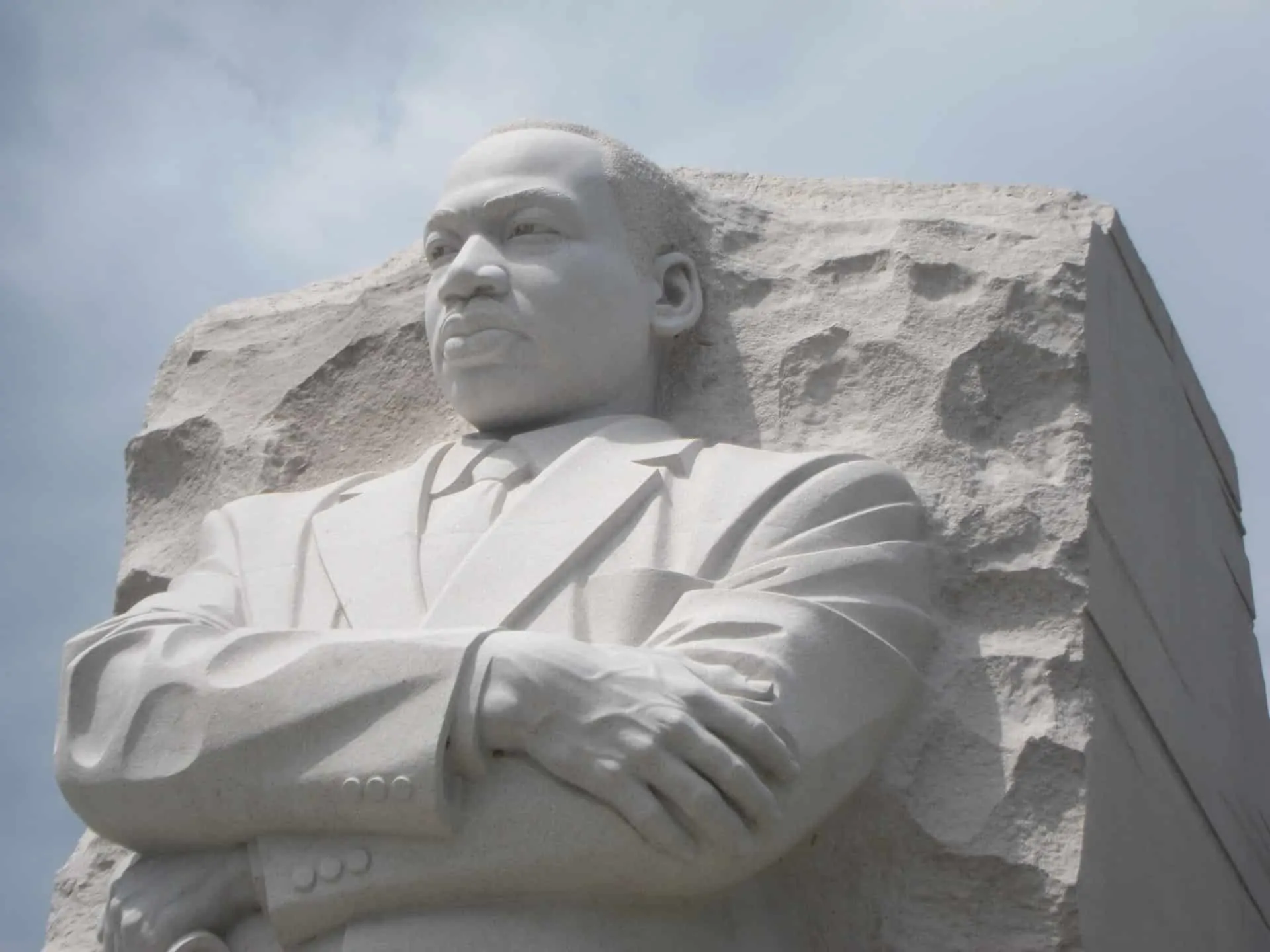
King’s legacy today is cemented by the federal holiday established in his honor, first observed in 1986. His impact extends beyond legislative successes; he fundamentally transformed the American perception of protest and democracy. By framing civil rights within the context of universal human rights and biblical principles, he forced a nation to confront the contradiction between its stated values of liberty and the reality of racial caste.
Frequently Asked Questions
What was the specific focus of the Poor People’s Campaign?
The campaign aimed to gain economic justice for poor people in the United States, regardless of race. King proposed a $30 billion annual investment to fight poverty, full employment, and low-income housing, viewing economic security as the next necessary phase of the Civil Rights Movement.
How did King’s nonviolent philosophy differ from other movements?
Unlike movements that utilized armed self-defense or separatism, King’s approach—heavily influenced by Christian theology and Gandhi—required the protesters to absorb violence without retaliation. He believed this would shame the oppressor and stir the conscience of the nation.
Why is the 1964 Nobel Peace Prize considered a turning point for King?
Receiving the Nobel Peace Prize at age 35 established King as an international moral authority. It provided him with increased leverage to influence federal policy and brought global attention to the struggle for racial equality in the United States.
Was King involved in the planning of all civil rights protests?
While King was the face of the movement, the SCLC functioned as part of a larger ecosystem of civil rights organizations, including the SNCC, CORE, and the NAACP. King often collaborated with, and occasionally faced strategic disagreements with, these other groups.
How does the 1968 Fair Housing Act reflect his impact?
The act was the final major legislative achievement of the civil rights era and was pushed through Congress in the immediate wake of his assassination. It prohibited discrimination concerning the sale, rental, and financing of housing based on race, religion, or national origin.
Moving Forward: Understanding King’s Continued Relevance
To truly honor the legacy of Martin Luther King Jr., one must move beyond the sanitized, singular image often presented in school textbooks. Engaging with his primary texts—such as his sermons, the "I Have a Dream" speech, and his later essays on poverty—provides a deeper understanding of the radical nature of his demands for justice. Studying his life serves as a guide for modern advocacy, highlighting the necessity of persistence, the power of coalition building, and the importance of maintaining an unwavering commitment to nonviolence even in the face of intense societal polarization.