Veterinarians are highly trained medical professionals dedicated to the health and welfare of animals. This guide explores the rigorous educational requirements, the diverse range of veterinary specialties, the ethical responsibilities of the profession, and the historical evolution of animal medicine. Understanding these experts provides deeper insight into the vital role they play in public health and ecosystem stability.
The Rigorous Path to Becoming a Veterinarian
The journey to becoming a doctor of veterinary medicine is a multi-year academic pursuit that demands proficiency in advanced biological and physical sciences. In the United States, students typically complete a four-year undergraduate degree with a focus on pre-veterinary requirements—including organic chemistry, microbiology, and physics—before applying to a Doctor of Veterinary Medicine (DVM or VMD) program.
Admission to accredited veterinary schools is highly competitive. Once accepted, students undergo four years of intensive study. The first two years generally focus on foundational sciences like anatomy, physiology, and pharmacology, while the final two years are dedicated to clinical rotations. During these rotations, students work under the supervision of licensed veterinarians, gaining hands-on experience in surgery, emergency care, internal medicine, and pathology across various species. Following graduation, candidates must pass the North American Veterinary Licensing Examination (NAVLE) to obtain their state license to practice.
Diversity of Practice: Beyond the Household Pet
While many people associate veterinarians with treating dogs and cats, the scope of the profession is vast and varied. Veterinarians are essential in agricultural sectors, ensuring the health of livestock, which in turn protects the global food supply. Regulatory veterinarians work for government agencies like the United States Department of Agriculture (USDA) or the Food and Drug Administration (FDA) to oversee disease surveillance, food safety standards, and international animal health regulations.
Furthermore, specialists in zoological medicine manage the care of exotic animals in zoos, wildlife sanctuaries, and conservation centers. These experts often conduct research into reproductive health, nutrition, and disease management of endangered species. Others specialize in laboratory animal medicine, ensuring ethical standards are maintained for animals used in scientific research.
Comparative Overview of Veterinary Specializations
The following table summarizes key areas of specialization within the field, illustrating the diversity of focus for modern veterinary professionals.
| Specialization | Primary Patient Focus | Key Responsibilities |
|---|---|---|
| Companion Animal | Dogs, cats, small mammals | Preventative care, surgery, internal medicine |
| Large Animal | Cattle, horses, swine | Herd health, reproductive care, lameness |
| Zoological Medicine | Exotic animals, wildlife | Conservation, habitat management, surgery |
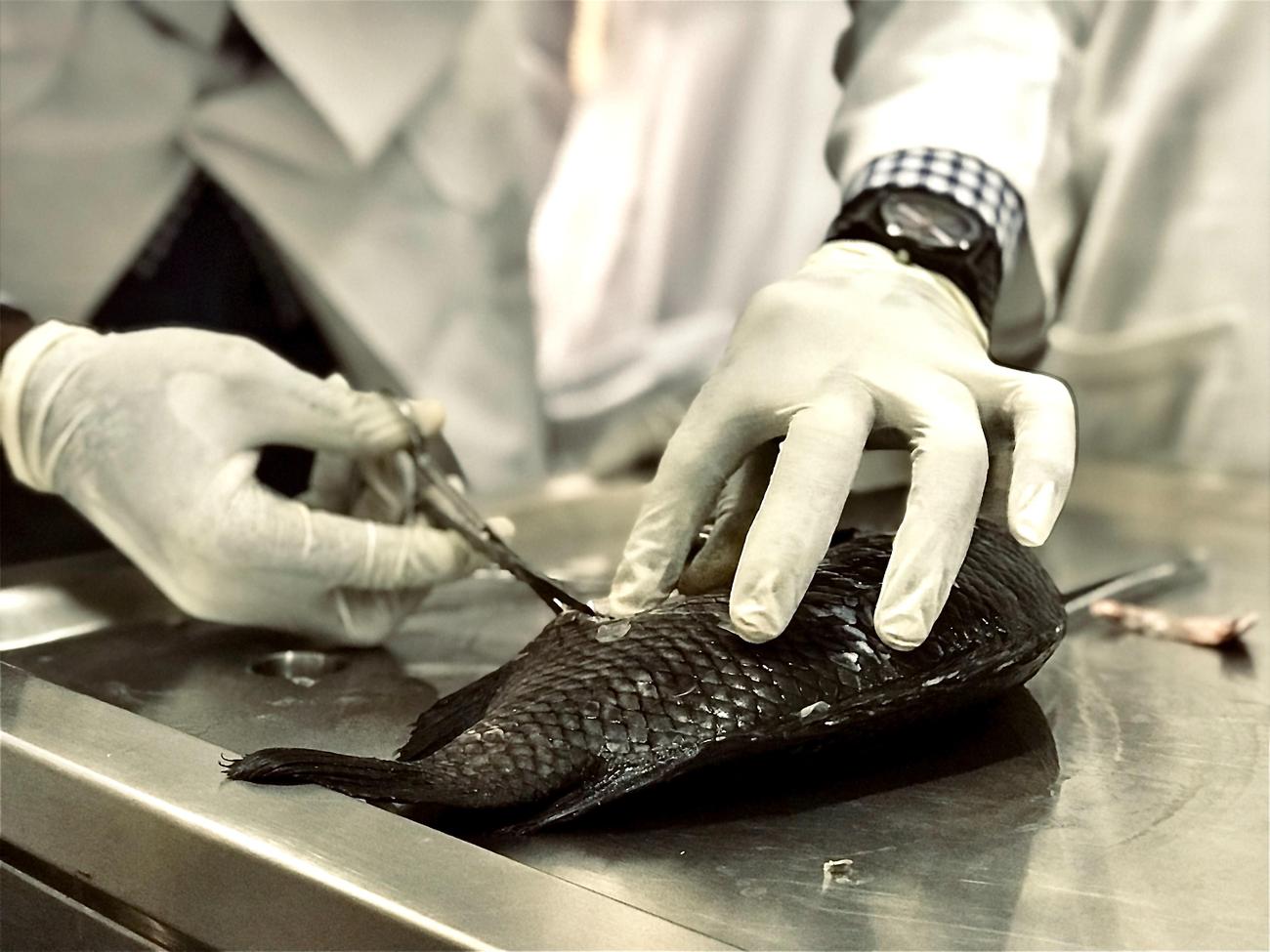
| Pathology | Diagnostic samples | Necropsy, histopathology, disease identification |
| Public Health | Populations (Zoonosis) | Epidemiological study, zoonotic disease control |
| Radiology | Imaging diagnostics | MRI, CT, ultrasound, diagnostic interpretation |
The Critical Role of Public Health and Zoonosis
One of the most profound responsibilities of a veterinarian is the management of zoonotic diseases—illnesses that can be transmitted from animals to humans. Because veterinarians are trained to understand both animal and human biological systems, they serve as the "first line of defense" in public health. Rabies, Lyme disease, and avian influenza are primary examples of conditions that require veterinary surveillance.
Veterinarians lead programs in vaccination and vector control, mitigating the risk of large-scale outbreaks. During public health crises, their expertise in epidemiology helps track disease vectors and informs policy decisions regarding public safety. This "One Health" approach, recognized by international organizations like the World Health Organization (WHO), emphasizes that human health is inextricably linked to animal health and the shared environment.
Ethical Challenges and Animal Welfare
Veterinarians frequently navigate complex ethical landscapes. They are the advocates for their patients, who cannot communicate their symptoms or preferences. This requires a high degree of clinical empathy and a strong moral compass when discussing end-of-life care, surgical risks, and long-term treatment strategies with clients.
Legal frameworks vary by jurisdiction, but all licensed veterinarians must adhere to strict codes of conduct. This includes maintaining confidentiality, practicing within the scope of their competency, and ensuring the pain and suffering of animals are minimized through appropriate anesthesia and analgesia. The profession is also increasingly focused on the mental health of practitioners, given the emotional weight of euthanasia and high-pressure emergency environments.
Historical Evolution of Animal Medicine
The profession of veterinary medicine has transformed from traditional animal husbandry to a high-tech medical field. The first formal veterinary school was established in Lyon, France, in 1761 by Claude Bourgelat. Initially, the focus was almost entirely on the health of horses, which were critical for transportation and military success.
In the 19th and 20th centuries, as the understanding of germ theory and microbiology grew, the profession expanded rapidly. The development of specialized anesthesia, advanced diagnostic imaging such as ultrasound and MRI, and the creation of targeted pharmaceuticals have allowed veterinarians to perform procedures previously thought impossible. Today, modern veterinary clinics utilize surgical robots and tele-medicine to provide specialized care that rivals human medical facilities.
Frequently Asked Questions
What is the difference between a DVM and a VMD?
There is no clinical difference; both degrees signify a graduate-level education in veterinary medicine. DVM stands for Doctor of Veterinary Medicine, while VMD stands for Veterinariae Medicinae Doctoris. The distinction exists solely because the University of Pennsylvania's School of Veterinary Medicine opted to use the Latin naming convention, while most other institutions use the English abbreviation.
How do veterinarians manage patient communication?
Veterinarians employ "low-stress handling" techniques to manage patient anxiety during examinations. They also rely on detailed physical examinations, diagnostic imaging, and laboratory testing to compensate for the patient's inability to verbally report symptoms. Client communication is equally vital, as veterinarians must translate complex medical findings into actionable guidance for animal owners.
Are all veterinarians required to perform surgery?
While all veterinary programs include surgical training as a core component of the curriculum, not all veterinarians perform surgery in their daily practice. Some focus exclusively on internal medicine, dermatology, or behavioral consulting. Conversely, surgeons may specialize further, becoming board-certified in small animal or large animal soft tissue and orthopedic surgery.
What is the "One Health" initiative?
The "One Health" initiative is a collaborative, multisectoral, and transdisciplinary approach to addressing health threats. It recognizes that human health is linked to the health of animals and the environment. Veterinarians are essential to this framework because they bridge the gap between biological, ecological, and medical fields.
Can veterinarians treat all animal species?
Legally and ethically, veterinarians are expected to treat only those species for which they have gained specific competency. While a general practitioner may treat a variety of common species, they are generally required to refer cases involving exotic or specialized animals to a board-certified specialist, such as a zoo veterinarian or an aquatic animal specialist.
Next Steps for Prospective Students and Pet Owners
If you are a student considering this career path, begin by contacting the Association of American Veterinary Medical Colleges (AAVMC) to review the specific prerequisite requirements for accredited programs. If you are a pet owner seeking a veterinarian, verify the professional credentials of potential clinics through your state’s board of veterinary medicine. Always prioritize clinics that hold accreditation from the American Animal Hospital Association (AAHA), as this ensures a facility meets high standards for safety, equipment, and medical care.