101 Dalmatians began as Dodie Smith’s 1956 novel The Hundred and One Dalmatians before becoming Walt Disney’s landmark 1961 animated feature. The story follows canine parents Pongo and Perdita across England on a heroic mission to rescue their stolen puppies from the villainous, fur-obsessed Cruella de Vil, evolving into a multi-generational media franchise.
Literary Origins: Dodie Smith’s 1956 Novel
Before it became a cinematic mainstay, The Hundred and One Dalmatians was written by English author Dodie Smith and published in 1956. The inspiration stemmed directly from Smith’s real life; she owned nine Dalmatians, the first of which was named Pongo. The literary source material possesses a distinct British wit, detailed world-building, and subtle social satire that differs slightly from later screen adaptations.
In Smith’s original narrative, the human owners are Mr. and Mrs. Dearly, a wealthy couple living in London. The dog family dynamics are also more complex: Pongo’s mate is named Missis Pongo, while a second rescued Dalmatian mother named Perdita helps nurse the extraordinarily large litter of 15 puppies. When the puppies vanish, Pongo and Missis initiate the "Twilight Bark"—a long-distance canine communication telegraph system—to locate their missing offspring.
- Dodie Smith Novel (1956)
- Mr. & Mrs. Dearly + Pongo & Missis (15 Puppies) + Foster Mother (Perdita)
- Abduction by Cruella de Vil & Hell Hall
- Rescuing 99 Puppies = 101 Total Dalmatians
- Abduction by Cruella de Vil & Hell Hall
- Mr. & Mrs. Dearly + Pongo & Missis (15 Puppies) + Foster Mother (Perdita)
The literary novel explores themes of domesticity, animal solidarity, and the stark contrast between natural warmth and synthetic luxury. Cruella de Vil is depicted not merely as an eccentric socialite, but as a sinister figure married to a timid furrier, living in Hell Hall in Suffolk. Disney later streamlined these narrative elements, combining Missis and Perdita into a single character and changing the human owners' name to Radcliffe to simplify the theatrical storytelling.
The 1961 Animated Masterpiece and the Xerography Revolution
Released in theaters on January 25, 1961, Walt Disney’s One Hundred and One Dalmatians marked a crucial turning point in animated film production. Following the immense production expenses of Sleeping Beauty (1959), the animation studio faced severe financial pressures. Production costs had to be contained without sacrificing visual clarity or narrative quality.
- Traditional Hand-Inking (Pre-1961)
- Animator Pencil Drawing
- Hand-Traced onto Cels (Costly/Slow)
- Xerographic Process (1961 Onward)
- Animator Pencil Drawing
- Xeroxed Directly onto Cels (Efficient)
The technical breakthrough arrived through Xerography, a process adapted for animation by studio engineer Ub Iwerks. Instead of hand-inking animator drawings onto clear celluloid sheets (cels), the Xerographic camera transferred pencil lines directly to the cels using electrostatic charges. This technological shift delivered three major results:
- Cost Reduction: It drastically reduced the manual labor required by the studio's inking department, saving the animation division from potential closure.
- Artistic Expression: It preserved the raw, energetic line work of the original animators, bringing a graphic, modern aesthetic to the screen.
- Complex Pattern Rendering: It allowed the animators to draw and duplicate thousands of distinct black spots across 101 dogs, an impossible feat using traditional hand-inking methods within budget constraints.
Art director Ken Anderson built a contemporary, mid-century London aesthetic around this graphic style, placing sketchy, illustrative characters against stylized, watercolor backgrounds. Screenwriter Bill Peet penned the entire script single-handedly—a rare approach for Disney feature animation—ensuring tight pacing, witty dialogue, and a grounded tone.
Franchise Evolution Across Decades
The success of the 1961 film established 101 Dalmatians as one of Disney's most valuable intellectual properties, spawning adaptations across multiple decades and media formats.
- 1956: Dodie Smith Novel published
- 1961: Animated Feature Film (Disney)
- 1996: Live-Action Remake (Glenn Close)
- 1997: 101 Dalmatians: The Series (TV)
- 2000: 102 Dalmatians (Live-Action Sequel)
- 2003: 101 Dalmatians II: Patch's London Adventure (Direct-to-Video)
- 2019: 101 Dalmatian Street (TV Series)
- 2021: Cruella (Live-Action Origin Prequel)
The 1996 Live-Action Remake
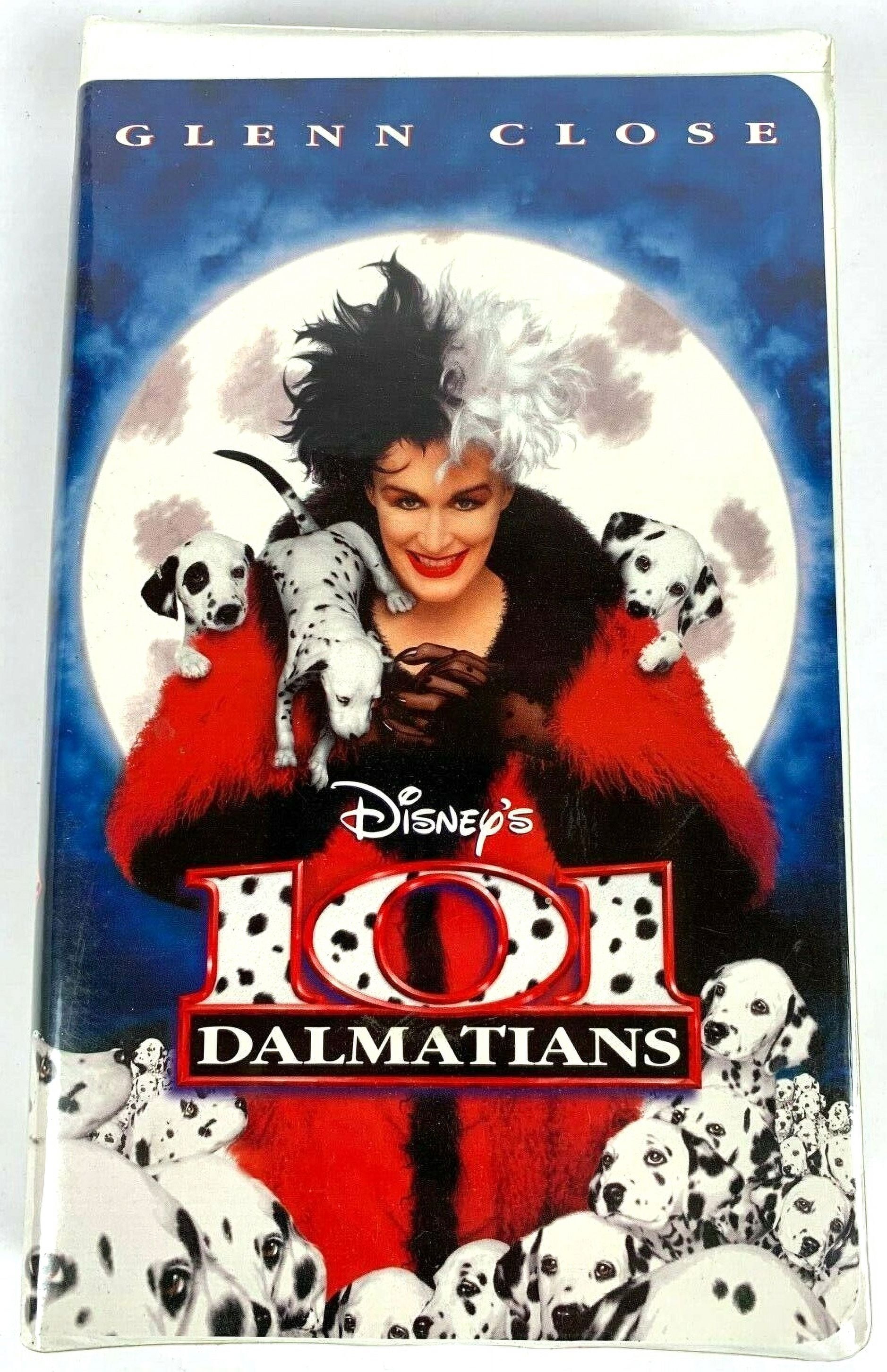
Directed by Stephen Herek and written by John Hughes, the 1996 live-action remake brought the animated classic into a real-world setting. Starring Glenn Close as Cruella de Vil, Jeff Daniels as Roger, and Joely Richardson as Anita, the film substituted traditional voiced animal dialogue with slapstick physical comedy and real animal training. Close's performance earned wide critical acclaim and established Cruella as a dominant pop-culture figure independent of the animated original.
Direct-to-Video Sequels and Television Adaptations
The franchise expanded further on small screens:
- 101 Dalmatians: The Series (1997–1998): Followed Lucky, Rolly, Cadpig, and Spot the chicken living on the Radcliffe farm.
- 101 Dalmatians II: Patch's London Adventure (2003): Focuses on Patch feeling lost among his numerous siblings until he meets his TV hero, Thunderbolt, while facing a revived Cruella de Vil.
- 101 Dalmatian Street (2019–2020): Set in modern-day London, this animated series follows Dylan and Dolly—descendants of Pongo and Perdita—managing a household of 99 younger siblings.
Cruella (2021)
Directed by Craig Gillespie, the live-action prequel Cruella stars Emma Stone as Estella Von Hellman (Cruella) alongside Emma Thompson as the Baroness. Set in 1970s London amidst the punk rock revolution, the film explores the origin story of the iconic antagonist. It offers a reinterpretation of her rise as a fashion designer, reframing her classic fur obsession around competitive haute couture.
Comparing 101 Dalmatians Media Iterations
The table below outlines key structural, artistic, and character differences across the primary iterations of the narrative.
| Adaptational Era | Format / Release Year | Key Antagonist Interpretation | Primary Narrative Focus | Technical or Artistic Innovation |
|---|---|---|---|---|
| Original Novel | Print Novel (1956) | Eccentric, married socialite with a dark obsession for exotic furs. | Canine community, heroic journey across rural England, domestic warmth. | Literary world-building, dual-mother narrative structure. |
| Animated Feature | Animated Film (1961) | Dramatic, theatrical villain animated by Marc Davis; single-minded fur fanatic. | Family rescue mission, suspense, high-stakes escape across snowy terrain. | Debut of animation Xerography; modern graphic watercolor art style. |
| Live-Action Remake | Feature Film (1996) | High-fashion, terrifying corporate executive portrayed by Glenn Close. | Physical comedy, real-animal performance integration, modern London setting. | Extensive live animal training combined with animatronics. |
| Cruella Prequel | Feature Film (2021) | Antihero fashion prodigy fighting an established tyrant, played by Emma Stone. | Rivalry, artistic identity, 1970s London punk fashion culture. | High-concept costume design, period-accurate soundtrack integration. |
Character Analysis and Artistic Design
Cruella de Vil
Cruella de Vil is widely cited as one of the most memorable villains in cinematic history. In the 1961 film, veteran Disney animator Marc Davis animated her character entirely on his own. Davis used angular, skeletal lines, dramatic, jarring body movements, and stark black-and-white costumes lined with blood-red silk to reflect her volatile personality. Betty Lou Gerson provided her theatrical voice, while composer Mel Leven authored her theme song—a jazz blues melody performed by the character Roger Radcliffe that became an enduring musical classic.
Cruella de Vil Character Design:
- Animation: Marc Davis (Single animator handling all scenes)
- Voice Performance: Betty Lou Gerson
- Design Palette: Angular geometry, bone-white skin, half-black/half-white hair, harsh reds
- Musical Identity: "Cruella de Vil" by Mel Leven
Pongo and Perdita
Pongo (voiced by Rod Taylor in 1961) serves as the primary narrator and active protagonist of the animated classic. Expressive, intelligent, and fiercely loyal, Pongo drives the plot by orchestrating the match between Roger and Anita, as well as directing the rescue mission. Perdita (voiced by Cate Bauer) balances Pongo’s impulsiveness with strategic caution and maternal intensity. Their design emphasizes natural canine anatomy, fluid movement, and clear emotional expression without over-humanizing their physical postures.
The Twilight Bark Network
The "Twilight Bark" functions as a fundamental plot mechanism and narrative metaphor. It represents an informal, decentralized communication network operated entirely by domesticated and stray dogs across London and the English countryside. Through bark signals relayed from house to house, news of the stolen puppies travels faster than human telegraph lines, demonstrating themes of community solidarity, mutual assistance, and cross-species cooperation.
Viewing Formats, Streaming, and Preservation
For viewers, scholars, and collectors looking to access 101 Dalmatians across its formats, the following options represent current, authorized distribution avenues:
Distribution Channels:
- Digital Streaming: Disney+ (1961 Animated, 1996 Live-Action, 2021 Cruella)
- Physical Home Video: 4K Ultra HD / Walt Disney Signature Collection Blu-ray
- Literary Formats: Standard Paperback, Illustrated Hardcover Editions
- Digital Streaming Platforms: The 1961 animated original, the 1996 live-action remake, its 2000 sequel, and the 2021 prequel Cruella are available for streaming on Disney+ in 4K resolution with high dynamic range (HDR) enhancements.
- Physical Home Video: The animated film is part of the Walt Disney Signature Collection on Blu-ray and digital HD. Collectors often seek out past physical releases, including the Diamond Edition Blu-ray, for original archival featurettes, audio commentary by Disney historians, and behind-the-scenes documentation of the Xerographic process.
- Literary Editions: Dodie Smith’s original novel remains in print through major publishers worldwide, available in unabridged paperback, ebook, and illustrated hardcover editions.
Frequently Asked Questions
What is the main difference between the original novel and the 1961 film?
The original 1956 novel by Dodie Smith features two mother dogs: Missis Pongo (Pongo's mate) and Perdita (a stray brought in to help nurse the 15 puppies). Disney merged these two dogs into a single character named Perdita. Additionally, the human owners were named Mr. and Mrs. Dearly in the novel, whereas Disney renamed them Roger and Anita Radcliffe.
Why did Disney use Xerography for the 1961 film?
Following expensive productions like Sleeping Beauty, Disney needed to cut animation costs to keep the studio financially viable. Xerography allowed animators to transfer pencil drawings directly onto transparent cels electrostatically, eliminating the hand-inking department, saving time and money, and allowing animators to render thousands of individual Dalmatian spots efficiently.
How many puppies actually belong to Pongo and Perdita?
Pongo and Perdita are the biological parents of 15 puppies. During their rescue mission at Hell Hall, they discover dozens of other Dalmatian puppies purchased or stolen by Cruella de Vil, bringing the total number of rescued puppies to 99. Combined with Pongo and Perdita themselves, the dog family total reaches 101.
Is Cruella (2021) directly connected to the 1961 animated film canon?
Cruella (2021) acts as an alternate-universe origin story rather than a strict historical prequel to the 1961 animated film. It reimagines Cruella de Vil's early life as a fashion designer in 1970s London, providing an original backstory for her character that reimagines key elements of the traditional narrative.
Who composed the famous "Cruella de Vil" song?
The song "Cruella de Vil" was written by song composer Mel Leven. In the 1961 film, it is played on the piano and sung by the character Roger Radcliffe (voiced by Bill Lee for singing, with speaking voice by Ben Wright). It serves as the dominant musical motif throughout the movie.
Recommendations for Exploring the Franchise
To experience 101 Dalmatians comprehensively, consider the following structured viewing and reading approach:
- Step 1: Read the Original Source Material. Start with Dodie Smith’s 1956 novel The Hundred and One Dalmatians to appreciate the original character depth, humor, and English countryside settings.
- Step 2: Watch the 1961 Animated Masterpiece. View the original animated feature on Disney+ or Blu-ray to analyze Marc Davis's character animation and witness the historical debut of Xerography in feature animation.
- Step 3: Compare Performance Interpretations. Watch the 1996 live-action adaptation followed by 2021's Cruella back-to-back to examine how Glenn Close and Emma Stone distinctively interpreted the central antagonist across different eras.
- Step 4: Explore Archival Bonus Features. Review the behind-the-scenes documentaries included on the Walt Disney Signature Collection release, particularly segment materials highlighting Ub Iwerks' technological contributions and Ken Anderson's background designs.