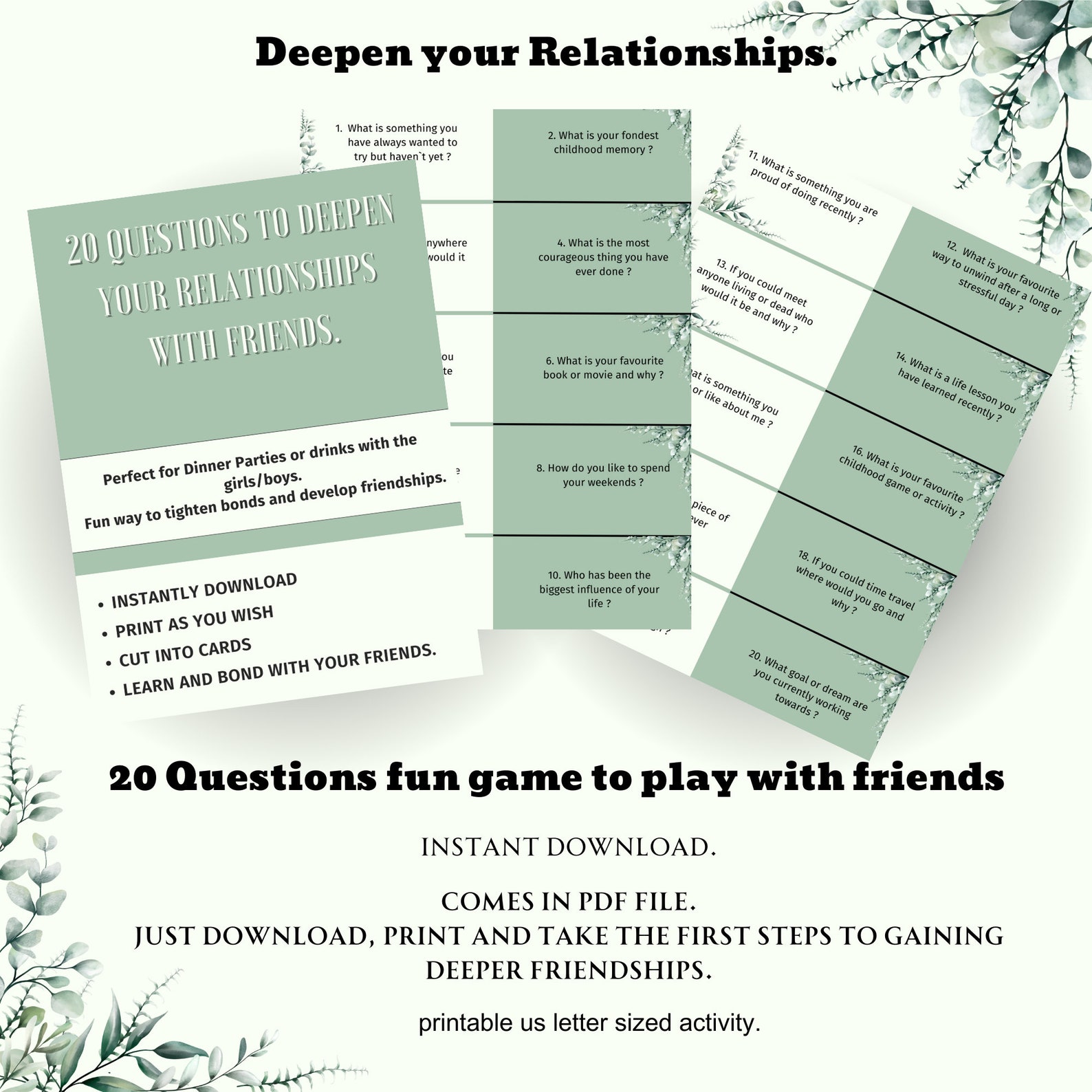
Asking meaningful, structured questions encourages reciprocal self-disclosure, the psychological catalyst for emotional intimacy in close relationships. By transitioning from surface-level small talk to targeted inquiries about values, fears, memories, and personal growth, friends build psychological safety and mutual understanding. This curated list of 101 best friend questions offers a practical roadmap to elevate your bond at any stage of friendship.
The Science of Intimacy: How Vulnerable Questions Strengthen Friendships
Deep emotional connection rarely happens by accident; it develops through intentional communication patterns. In social psychology, Social Penetration Theory, originally developed by Irwin Altman and Dalmas Taylor, posits that relationships develop through gradual, reciprocal disclosure of increasingly private information—a process often compared to peeling back layers of an onion.
When friends engage in structured self-disclosure, their brains register increased psychological safety. A landmark study published by Dr. Arthur Aron in the Personality and Social Psychology Bulletin demonstrated that paired individuals who shared escalating personal revelations experienced significant jumps in perceived closeness within short timeframes.
Transitioning from casual updates about work or sports to reflective questions stimulates the release of oxytocin, a neurochemical associated with trust and social bonding. However, effective self-disclosure requires vulnerability calibration: questions must match the current foundation of trust. Pushing too deep too fast can trigger defensive responses, whereas remaining on the surface leads to emotional stagnation. The 101 questions below are structured across progressive tiers of depth, allowing you to choose inquiries that align with your current dynamic while encouraging healthy emotional expansion.
101 Best Friend Questions (Categorized by Depth)
Tier 1: Nostalgia, Memory, and Personal Origins (Questions 1–20)
These foundational questions explore childhood experiences, formative memories, and personal history. They help partners understand the context that shaped each other's current values and defense mechanisms.
- What is your earliest vivid childhood memory, and why do you think it stuck with you?
- Which family tradition from your upbringing do you secretly hope to pass down or maintain?
- What was your favorite comforting meal or ritual when you were feeling down as a child?
- Who was the first person outside your family who made you feel truly seen or understood?
- What was a minor childhood failure or mistake that felt like the end of the world at the time?
- What album, movie, or book defined your teenage years more than any other?
- How did your family handle conflict when you were growing up, and how does that affect you today?
- What is a piece of advice your parents or guardians gave you that you initially rejected but now agree with?
- What was your favorite hideout or personal space as an adolescent?
- What is a specific memory of us together that always makes you laugh, no matter how much time has passed?
- Which childhood friend had the biggest impact on your personality, even if you are no longer in touch?
- What was your proudest non-academic, non-athletic achievement before adulthood?
- How did your school environment influence your current attitudes toward success and competition?
- What is something you used to believe implicitly as a child that completely broke down as you grew up?
- If you could revisit one specific day from your past purely as an observer, which day would it be?
- What was the first major loss or disappointment you had to process independently?
- What silly nickname did you have growing up, and what is the story behind it?
- Which teacher or mentor altered the trajectory of your self-confidence, for better or worse?
- What was a habit or hobby you abandoned in childhood that you sometimes wish you had kept up?
- What aspect of your childhood home environment do you miss the most today?
Tier 2: Core Values, Identity, and Worldview (Questions 21–40)
Understanding a friend’s internal compass reveals how they evaluate choices, judge character, and define personal integrity.
- What personal value would you refuse to compromise, even if holding onto it cost you money or status?
- How has your definition of "success" shifted over the past five years?
- What is a political, social, or philosophical stance you held firmly five years ago that you have since changed your mind about?
- When do you feel most authentically yourself: around family, at work, with me, or when you are completely alone?
- How do you decide whether a new acquaintance is trustworthy enough to let into your inner circle?
- What role does spirituality, faith, or personal philosophy play in your daily decision-making?
- What is a moral grey area where you find it difficult to take a firm side?
- How do you measure whether you have lived a good, meaningful day?
- What personality trait in others instantly drains your emotional energy?
- What trait in others commands your immediate respect and admiration?
- How do you navigate the balance between personal ambition and content acceptance of your present life?
- What is a systemic issue in society that causes you genuine distress or frustration?
- Do you view yourself as fundamentally risk-averse or risk-tolerant, and where do you see that playing out?
- What is a cultural norm or social expectation that you refuse to follow?
- How do you define loyalty in an adult friendship?
- What is a common misconception people have about you when they first meet you?
- How do you separate your self-worth from your productivity or career accomplishments?
- What responsibility in your current life feels heaviest to carry?
- What does forgiveness mean to you, and are there boundaries to what can be forgiven?
- If you could instill one universal value into every person on Earth, which value would you choose?
Tier 3: Ambitions, Dreams, and Hidden Desires (Questions 41–60)
These inquiries invite your friend to share their non-urgent goals, quiet longings, and aspirational self-concepts.
- If financial constraints, health issues, and family obligations were completely erased, what would your daily life look like?
- What is a creative project or entrepreneurial idea you secretly think about but rarely mention?
- What skill or discipline do you wish you had mastered years ago?
- If you could take a one-year sabbatical to study any single subject without pressure, what would it be?
- Where in the world do you feel most grounded and inspired when you spend time there?
- What personal milestone are you currently working toward that you haven't celebrated publicly yet?
- If you could collaborate with anyone living or dead on a dream project, who would it be?
- What is a lifestyle change you know would improve your health or happiness, but you struggle to implement?
- What kind of legacy—big or small—do you want to leave behind in your family or community?
- What is a secret indulgence or interest that people would never guess you love?
- If you were guaranteed absolute success in one risky venture, what bold action would you take tomorrow?
- What role do you hope to play in your friends' and family's lives 20 years from now?
- What is a travel experience or adventure that sits at the top of your personal bucket list?
- How would you redesign your current routine if you wanted to maximize your daily joy?
- What is a professional title or award that you used to crave but no longer care about?
- What habit or mindset do you feel is currently holding you back from your full potential?
- If you could write a book about any topic based on your personal experiences, what would the title be?
- What dream did you have to let go of as you matured, and how did you make peace with that decision?
- What luxury or experience do you save up for because it brings you genuine fulfillment?
- What is one thing you hope changes about your life by this exact date next year?
Tier 4: Hard Truths, Fears, and Vulnerabilities (Questions 61–80)
Tier 4 questions require established trust. They address internal conflicts, emotional triggers, and unhealed wounds.
- What is a recurring anxiety or quiet fear that occasionally keeps you awake at night?
- When was the last time you felt completely overwhelmed, and how did you manage it?
- What is an insecurity you carry about your physical appearance or personal abilities?
- What was the hardest emotional lesson you learned from a past romantic relationship or friendship break-up?
- What is a mistake you made that hurt someone else, which you still feel guilty about today?
- When do you feel most lonely or isolated, even when surrounded by people?
- What emotional trigger consistently causes you to act defensively or shut down?
- Have you ever felt resentful toward a close friend or family member, and how did you handle those feelings?
- What is a boundary you struggle to set or enforce with the people you love?
- What part of your personality do you actively work to keep under control or improve?
- What is something critical you need to hear right now, even if it might be uncomfortable to hear?
- How do you react when you feel unappreciated or overlooked in your professional or personal life?
- What is a hardship you endured that you rarely talk about because it takes too much energy to explain?
- Have you ever felt like an impostor in your work or social life, and what triggered that feeling?
- What is a habit you turn to when you want to numb your emotions rather than process them?
- What is an emotional need you currently have that is not being fully met by your support system?
- What is a harsh truth about yourself that you have had to accept over time?
- When was the last time you cried in front of another person, and what led to that moment?
- What fear do you have about growing older or entering the next stage of your life?
- If you could apologize to one person from your past without any awkwardness, who would it be and why?
Tier 5: Friendship Dynamics, Gratitude, and Mutual Growth (Questions 81–101)
These questions focus explicitly on your friendship—evaluating trust, expressing mutual appreciation, and clarifying future expectations.
- What was your very first impression of me, and how long did it take for that impression to change?
- What do you think is the strongest asset of our friendship dynamic?
- Is there a moment in our history where you felt particularly supported or let down by me?
- What is one area where you think we push each other to be better, healthier people?
- How can I be a better listener or practical supporter when you are going through a stressful period?
- What is a shared memory between us that you think best defines why we are best friends?
- Is there a question you have always wanted to ask me but hesitated because of timing or awkwardness?
- In what ways do you think our personalities complement each other, and where do we tend to clash?
- What is something I do or say that consistently brightens your day or makes you feel appreciated?
- How do you feel our friendship has evolved since we first met?
- What is a boundary or preference in our friendship that you appreciate us keeping intact?
- If we had a major disagreement tomorrow, how would you prefer we resolve it?
- What is one thing you have learned about yourself through our friendship?
- How do you think we will navigate changes like relocations, career shifts, or new family commitments over time?
- What is a trait of mine that you secretly wish you had more of in your own personality?
- What is a topic or issue you feel completely safe discussing with me that you avoid with others?
- How can we make more intentional space for fun and deep conversations amid our busy schedules?
- What is a shared goal or trip we haven't planned yet that we should commit to making happen?
- What do you think would be the hardest test our friendship could face, and how can we prepare for it?
- If you had to describe the core essence of our friendship in just three words, what would they be?
- What is one thing you want to thank me for today that you haven't mentioned in a while?
Framework for Structuring Deep Conversations
To select the right questions for the right setting, use this structured framework to match conversation depth with environmental factors and emotional risk.
| Conversation Level | Primary Focus | Best Environment | Emotional Risk | Recommended Question Tiers |
|---|---|---|---|---|
| Casual & Nostalgic | Building rapport, recalling shared origins, establishing lighthearted comfort. | Public settings, casual coffee dates, road trips, casual hangouts. | Low | Tier 1 (1–20) |
| Reflective & Value-Driven | Understanding perspectives, core philosophies, and personal aspirations. | Dinners at home, quiet walks, evening hangouts without screens. | Moderate | Tier 2 & Tier 3 (21–60) |
| Deep Vulnerability | Processing hard truths, emotional obstacles, anxieties, and unhealed wounds. | Private, quiet environments with zero time pressure or external distractions. | High | Tier 4 (61–80) |
| Relational Calibration | Strengthening friendship mechanics, expressing gratitude, resolving hidden tension. | One-on-one check-ins, annual retreats, intentional friendship discussions. | Moderate to High | Tier 5 (81–101) |
Best Practices for Facilitating Meaningful Discussions
Asking powerful questions requires more than reading from a list; it demands creating an environment where honesty feels safe. Applying active listening techniques ensures that personal disclosure deepens trust rather than causing discomfort.
- Establish Psychological Safety First: Never force a friend to answer a question that makes them visibly uncomfortable. Offer an easy out by framing questions casually: "Feel free to skip this, but I was curious..."
- Practice Active Listening Without Interruption: When your friend responds, resist the urge to immediately relate their story back to your own experiences. Focus on their words, tone, and body language. Validate their feelings before offering your perspective.
- Maintain Strict Confidentiality: Deep questions unlock private disclosures. Respect the integrity of the conversation by keeping shared admissions strictly between the two of you.
- Honor the Rhythm of Reciprocity: Self-disclosure should feel like a game of catch, not an interrogation. Answer questions with equal openness after your friend shares. If one person reveals a deep vulnerability, the other should mirror that depth when appropriate.
Common Pitfalls to Avoid During Vulnerable Conversations
Even well-intentioned efforts to deepen connection can stumble if common interpersonal mistakes are made during sensitive discussions.
- Treating the List Like an Interrogation: Bombarding a friend with continuous personal questions without letting natural conversation flow causes fatigue. Use two or three questions as launchpads for wide-ranging, organic dialogue.
- Offering Unsolicited Solutions: When a friend answers a question from Tier 4 (Fears and Vulnerabilities), avoid jumping straight to problem-solving. Ask directly: "Do you want to brainstorm solutions together, or do you just need to vent?"
- Ignoring Non-Verbal Feedback: Pay close attention to shifts in posture, crossed arms, avoided eye contact, or sudden brevity in answers. These signal that a boundary has been reached and it is time to pivot to lighter topics.
- Disregarding Emotional Fatigue: Heavy emotional processing consumes significant mental energy. Balance deep, probing discussions with humor, shared activities, and relaxed companionship.
Frequently Asked Questions
How do I bring up these deep questions without making the situation awkward?
Integrate questions naturally into low-pressure environments like long drives, quiet walks, or relaxing late-night hangouts. Frame the question playfully or conversationally—for example, "I saw a list of interesting questions online earlier and was curious how you’d answer this one..." This eliminates awkwardness by attributing the prompt to an external source.
What should I do if my friend gives short, closed-off answers?
Do not push for details immediately. A brief response often indicates that your friend is either tired, distracted, or unaccustomed to sharing on that specific topic. Validate their brief response smoothly, offer your own honest answer to the question to demonstrate vulnerability, and allow the conversation to pivot naturally to a comfortable baseline.
How often should we have these deep conversation check-ins?
Deep conversations should happen organically rather than on a rigid, demanding schedule. Many close friends find that periodic deep discussions—whether during quarterly catch-ups, annual trips, or moments of life transition—keep the bond strong while maintaining a healthy balance of everyday fun and casual interaction.
Is it normal to feel nervous before asking deep questions?
Yes. Vulnerability carries inherent social risk—the fear of judgment or rejection. Recognizing that nervousness is a normal physiological reaction to intentional vulnerability can help you move past it. Remember that genuine vulnerability is usually met with reciprocal trust and appreciation.
Can these questions help repair a strained friendship?
Yes, particularly the questions in Tier 5 (Friendship Dynamics). Formulating honest, non-defensive questions about past misunderstandings or missed support allows both individuals to air grievances safely, recalibrate expectations, and re-establish trust.
How to Turn Casual Hangouts into Deep Connections
To move from passive reading to action, choose three questions from Tier 1 or Tier 2 before your next meetup with your best friend. Introduce them organically during a quiet moment—such as a coffee break or a drive—and share your own answer first to set a tone of openness.
Deep connections are built through consistent, intentional efforts over time. By gradually exploring higher tiers of depth together, you transform routine social interactions into lasting emotional intimacy.