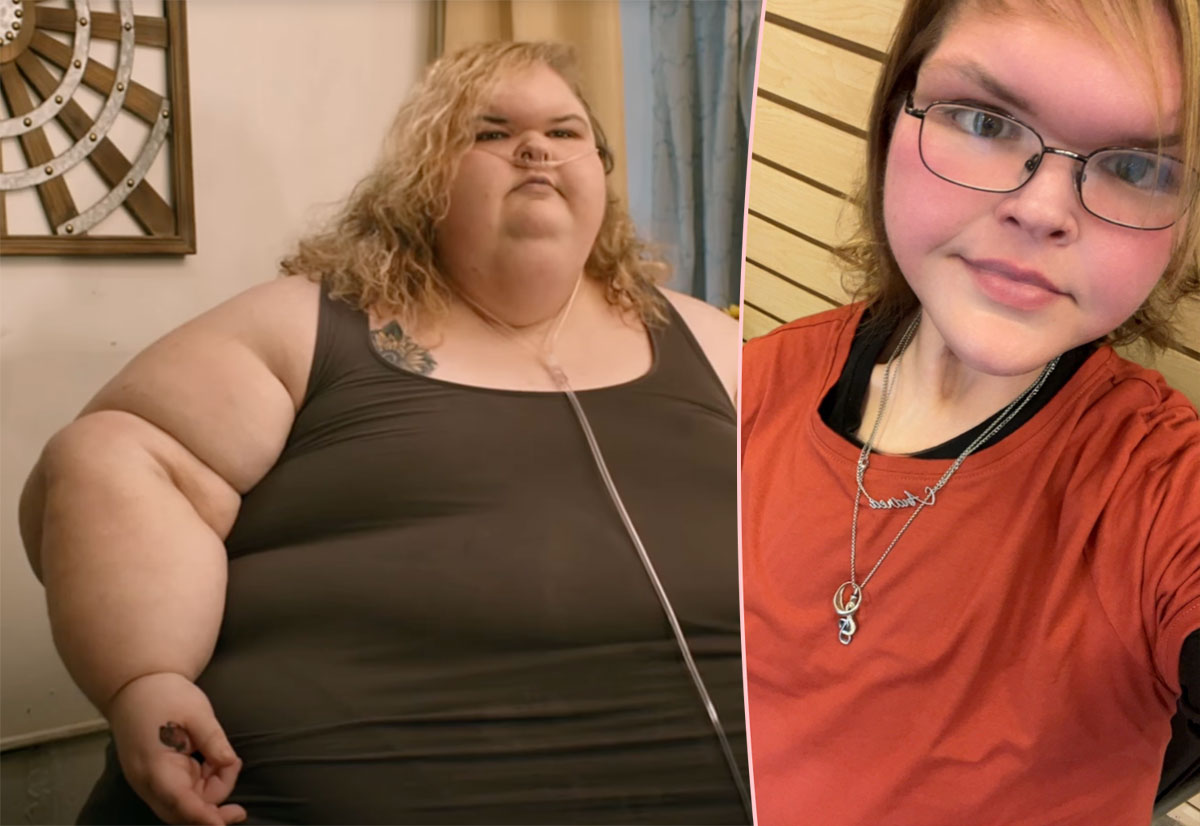
The weight loss transformations of TLC’s 1000-Lb. Sisters, Amy and Tammy Slaton, showcase one of the most remarkable before-and-after health journeys in modern television. Through bariatric surgery, intensive medical rehabilitation, and lifestyle interventions, the sisters combined to lose over 500 pounds, transitioning from severe, life-threatening obesity to restored physical mobility and independence.
Tammy Slaton’s Weight Loss Journey: From 725 Pounds to a Life-Changing Transformation
Tammy Slaton’s transformation represents one of the most dramatic physical turnarounds documented on reality television. When 1000-Lb. Sisters first premiered on TLC, Tammy’s peak weight hovered near 725 pounds. Her mobility was severely restricted, requiring a heavy-duty wheelchair, continuous supplemental oxygen, and round-the-clock assistance from her family for basic daily activities.
For several years, Tammy faced severe medical hurdles, including recurrent bouts of pneumonia, carbon dioxide poisoning, and a life-threatening medical emergency in late 2021 that required a medically induced coma and a surgical tracheostomy. This critical event became a turning point in her health path. Following her hospitalization, Tammy entered Windsor Lane Health Care, a specialized weight-management and rehabilitation center in Ohio.
Peak Weight (~725 lbs) ➔ Medical Rehab & Tracheostomy ➔ Bariatric Surgery Approval (<550 lbs) ➔ Weight Loss Milestone (<280 lbs)
Inside the structured rehabilitation environment, Tammy followed a strictly monitored caloric diet, coupled with regular physical therapy and psychological counseling. To qualify for bariatric surgery, her surgical team set a target weight of 550 pounds. Through disciplined effort in rehab, Tammy surpassed this milestone, dropping to approximately 535 pounds, which officially cleared her for bariatric surgery in mid-2022.
Following her surgical procedure, Tammy’s weight loss accelerated significantly. By adhering to post-bariatric dietary protocols—focusing on high-protein, low-carbohydrate intake and strict portion control—she lost over 440 pounds from her peak weight. By 2024 and continuing into 2026, Tammy achieved major non-scale victories, including:
- Tracheostomy Removal: The permanent removal of her breathing tube after demonstrating sustained pulmonary recovery.
- Independent Mobility: Transitioning from a motorized wheelchair to walking completely unassisted without a walker or oxygen tank.
- Travel Accessibility: Achieving the physical dimensions required to sit in standard passenger vehicle seats and commercial airline seats without specialized belt extensions.
Amy Slaton’s Bariatric Surgery and Post-Weight Loss Milestones
Amy Slaton-Halterman served as the initial catalyst for the family's health journey. At the start of the series, Amy weighed approximately 406 pounds. Her primary motivation for seeking weight-loss surgery was her deep desire to start a family, a goal hampered by severe obesity and related metabolic complications.
Amy committed to the pre-surgical requirements established by her bariatric surgeon, Dr. Charles Procter Jr. By reducing her initial weight through diet and lifestyle modifications, Amy qualified for and underwent gastric bypass surgery in late 2019 during the show's first season.
Starting Weight (~406 lbs) ➔ Gastric Bypass (2019) ➔ Milestone Weight (~275 lbs) ➔ Expansion of Family & Ongoing Care
The gastric bypass surgery fundamentally altered Amy’s digestive tract by creating a small stomach pouch and rerouting the small intestine. This anatomical change restricted food capacity and promoted early satiety. Within the first two years post-surgery, Amy lost more than 125 pounds, stabilizing her weight in the 275-to-280-pound range.
This significant reduction in body mass yielded major physiological benefits:
- Fertility and Pregnancy: Amy successfully carried and gave birth to two sons, Gage and Glenn, achieving her primary personal health objective.
- Enhanced Daily Mobility: She regained the ability to navigate daily life independently, drive standard vehicles, and actively care for her young children.
- Metabolic Improvement: Her risks for type 2 diabetes and cardiovascular strain were significantly reduced compared to her pre-surgery baseline.
While post-surgical pregnancy presented nutritional and weight-management challenges, Amy's initial before-and-after baseline demonstrated how surgical intervention combined with behavioral changes can alter long-term metabolic health.
Side-by-Side Comparison: Amy vs. Tammy Slaton Transformation Metrics
The table below outlines the baseline metrics, interventions, and documented physical outcomes for both sisters across their multi-year transformation journey.
| Metric / Parameter | Tammy Slaton | Amy Slaton |
|---|---|---|
| Documented Peak Weight | ~725 lbs (329 kg) | ~406 lbs (184 kg) |
| Lowest Documented Weight | ~278 lbs (126 kg) | ~275 lbs (125 kg) |
| Total Weight Lost | ~445+ lbs (200+ kg) | ~130 lbs (59 kg) |
| Primary Surgical Intervention | Bariatric Surgery (2022) | Gastric Bypass Surgery (2019) |
| Primary Motivation | Life preservation, independent living | Maternal health, starting a family |
| Key Medical Milestones | Trach removal, unassisted walking, oxygen independence | Successful pregnancies, improved mobility |
| Rehabilitation Setting | Long-term inpatient medical rehab facility | Outpatient bariatric protocol |
The Role of Bariatric Surgery, Rehabilitation, and Mental Health Support
The transformation photos of the Slaton sisters reflect more than simple dietary willpower; they illustrate a complex medical process involving multi-disciplinary care. Extreme obesity—typically defined as a Body Mass Index (BMI) of 40 or higher—requires clinical management due to systemic hormonal, metabolic, and psychological factors.
Bariatric Surgical Procedures
Bariatric procedures such as gastric bypass or sleeve gastrectomy alter metabolic signaling, altering gut hormones like ghrelin (the hunger hormone) and GLP-1 (which regulates fullness and blood sugar). For Tammy and Amy, surgery served as a powerful tool to reset satiety mechanisms, making long-term caloric restriction physically manageable.
Inpatient Medical Rehabilitation
Tammy’s success highlights the critical role of structured care environments. At her peak weight, home-based outpatient care proved insufficient due to behavioral enablers and mobility restrictions. Inpatient medical rehab provided:
- Caloric Control: Prepared meals adhering to strict macronutrient profiles.
- Physical Therapy: Gradual weight-bearing exercises to rebuild lost muscle mass and increase joint flexibility.
- Supervised Respiratory Care: Monitoring lung capacity during gradual weaning from continuous supplemental oxygen.
Psychological Counseling and Behavior Modification
Severe obesity is frequently intertwined with emotional eating, food addiction, and trauma. Both sisters participated in mandatory psychological evaluations and ongoing therapy to address the root causes of their relationship with food. Sustainable long-term weight management requires unlearning emotional coping mechanisms tied to overeating and replacing them with healthy psychological strategies.
Note on Medical Safety: Bariatric surgery is a life-altering medical intervention, not a quick aesthetic fix. It carries inherent surgical risks, requires lifelong nutritional supplementation (to prevent vitamin and mineral deficiencies), and demands strict adherence to dietary guidelines to avoid complications like dumping syndrome or surgical revision.
Physical and Medical Challenges: Tracheostomy Removal, Skin Surgeries, and Mobility
The visual transformation seen in before-and-after pictures does not show the complex physiological consequences of extreme weight loss. Dropping hundreds of pounds rapidly alters dermatological, skeletal, and muscular systems.
Excess Skin Removal (Panniculectomy and Contouring)
Losing over 100 to 400 pounds inevitably leaves massive amounts of loose, redundant skin. Excess skin poses severe health challenges, including:
- Chronic Skin Infections: Intertrigo and fungal infections occurring within deep skin folds.
- Physical Weight Strain: Hanging pannus (abdominal skin apron) can weigh between 20 to 50 pounds, dragging on the lumbar spine and impairing posture.
- Mobility Obstacles: Excess tissue physically interferes with walking, exercising, and fitting into normal attire.
Both sisters have pursued plastic and reconstructive surgery consultations for skin removal (such as panniculectomy and body contouring) to excise redundant tissue, relieve mechanical joint stress, and complete their physical recoveries.
Massive Weight Loss ➔ Redundant Skin Folds ➔ Medical Complications (Infection/Strain) ➔ Reconstructive Skin Removal
Pulmonary and Joint Rehabilitation
Carrying over 700 pounds exerts extreme force on weight-bearing joints, particularly the hips, knees, and ankles. As Tammy lost weight, her joint alignment and gait mechanics required significant physical therapy rehabilitation. Concurrently, removing the tracheostomy tube restored her natural upper airway pathways, improving her vocal cord strength, swallowing reflex, and independent lung capacity.
Key Lessons from the Slaton Sisters' Health Journey
The public transformation of Amy and Tammy Slaton offers valuable health and lifestyle insights for individuals navigating severe obesity or supporting family members through major weight loss:
- Medical Intervention is Not a Defeat: Utilizing bariatric surgery or inpatient rehabilitation is a valid, evidence-based medical treatment for severe obesity, not a shortcut.
- Environmental Control Matters: Removing environmental triggers and establishing a supportive, accountable living space is essential for long-term behavioral compliance.
- Focus on Non-Scale Victories (NSVs): Progress should be evaluated by mobility milestones, medical lab improvements, and enhanced quality of life, rather than relying exclusively on bathroom scale numbers.
- Mental Health is Foundational: Addressing the psychological drivers of food addiction is mandatory for maintaining weight loss post-surgery.
- Patience with the Timeline: Major physical transformations require years of consistent effort, punctuated by plateaus, medical setbacks, and ongoing surgical revisions.
Frequently Asked Questions
How much weight did Tammy Slaton lose in total?
Tammy Slaton lost over 440 pounds from her peak documented weight of approximately 725 pounds, dropping below 280 pounds through a combination of inpatient medical rehabilitation, bariatric surgery, strict dietary adherence, and physical therapy.
What weight loss surgery did Amy Slaton have?
Amy Slaton underwent gastric bypass surgery in late 2019. The procedure reduced the size of her stomach to a small pouch and rerouted a portion of her small intestine to limit food intake and alter nutrient absorption.
Is Tammy Slaton still using oxygen or a tracheostomy tube?
No. Following her weight loss and pulmonary improvement, Tammy had her tracheostomy tube permanently removed and successfully weaned off continuous supplemental oxygen, allowing her to breathe independently.
Did Amy and Tammy Slaton get skin removal surgery?
Both sisters have sought evaluations and procedures for skin removal surgery. Due to the massive volume of weight lost, surgical removal of excess abdominal skin (panniculectomy) and tissue contouring are necessary to prevent skin complications and improve mobility.
How did Tammy qualify for weight loss surgery?
Tammy qualified for bariatric surgery by entering a specialized inpatient rehabilitation facility in Ohio, where she followed a physician-supervised, low-calorie diet to reduce her weight from over 700 pounds to below her target threshold of 550 pounds.
Can weight loss surgery be reversed?
Standard sleeve gastrectomy involves the permanent removal of a large portion of the stomach and cannot be reversed. While gastric bypass can theoretically be surgically reversed in rare, severe medical emergencies, it is considered a permanent anatomical alteration.
How to Support and Plan a Bariatric Transformation Journey
For individuals inspired by dramatic weight loss stories who are considering their own bariatric or medical health transformation, following a structured clinical pathway is crucial for safety and long-term success.
- Consult a Board-Certified Bariatric Physician: Begin with a comprehensive medical evaluation to assess Body Mass Index (BMI), underlying metabolic conditions (such as sleep apnea, fatty liver disease, or type 2 diabetes), and overall surgical candidacy.
- Engage in Pre-Surgical Psychological Screening: Work with a licensed behavioral health professional specializing in eating disorders to identify emotional eating patterns and establish healthy coping strategies prior to surgery.
- Complete Nutritional Counseling: Meet with a registered dietitian specializing in bariatric nutrition to learn pre-op prep diets, post-op liquid/purée/soft food stages, and lifelong micronutrient supplementation strategies.
- Establish a Multi-Disciplinary Support Network: Connect with local or online bariatric support groups, physical therapists, and family members who can foster an accountable, supportive recovery environment.
Disclaimer: This article is for informational purposes only and does not constitute formal medical advice, diagnosis, or treatment. Individuals seeking extreme weight loss or surgical interventions should consult qualified healthcare professionals.