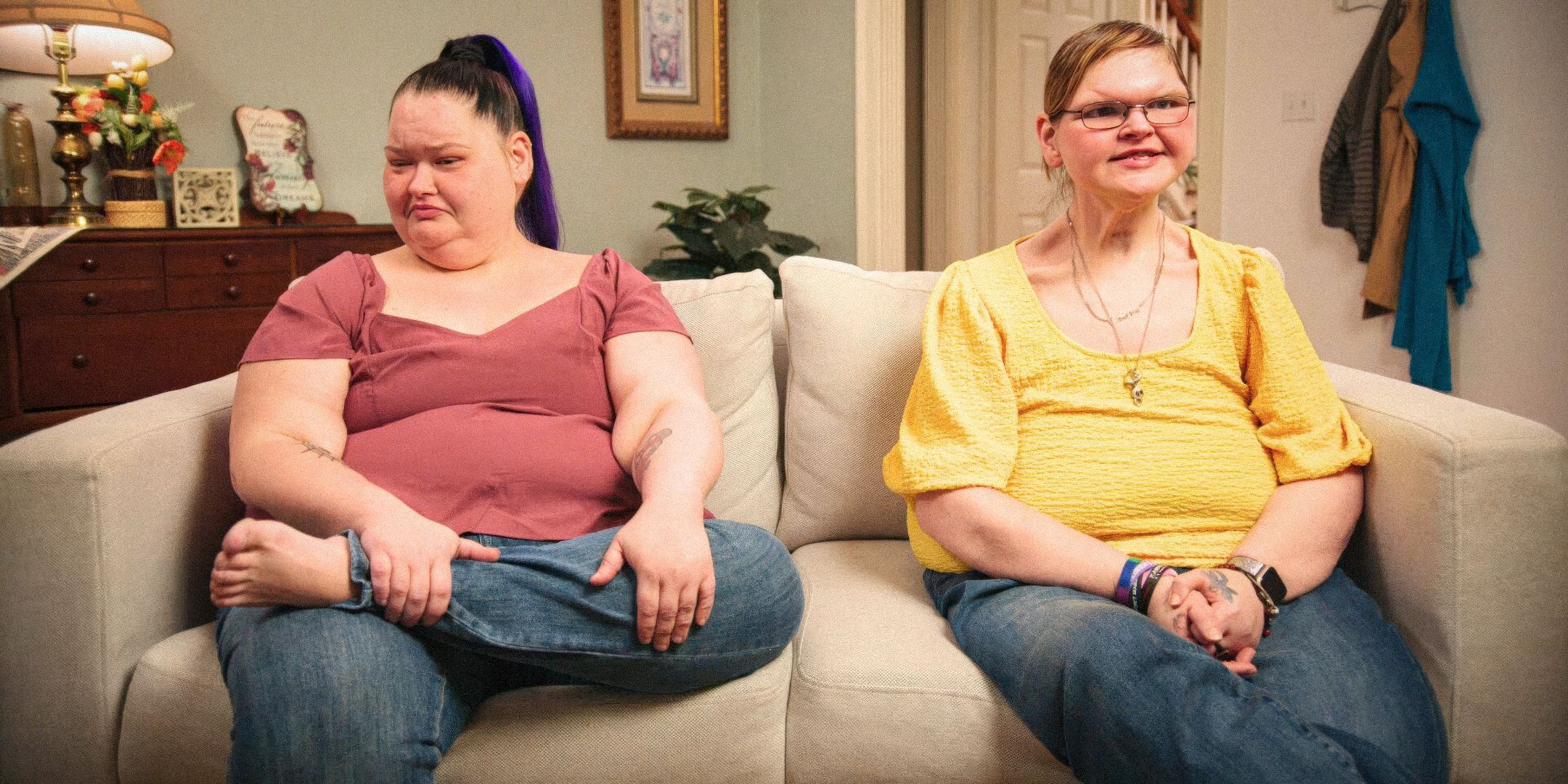
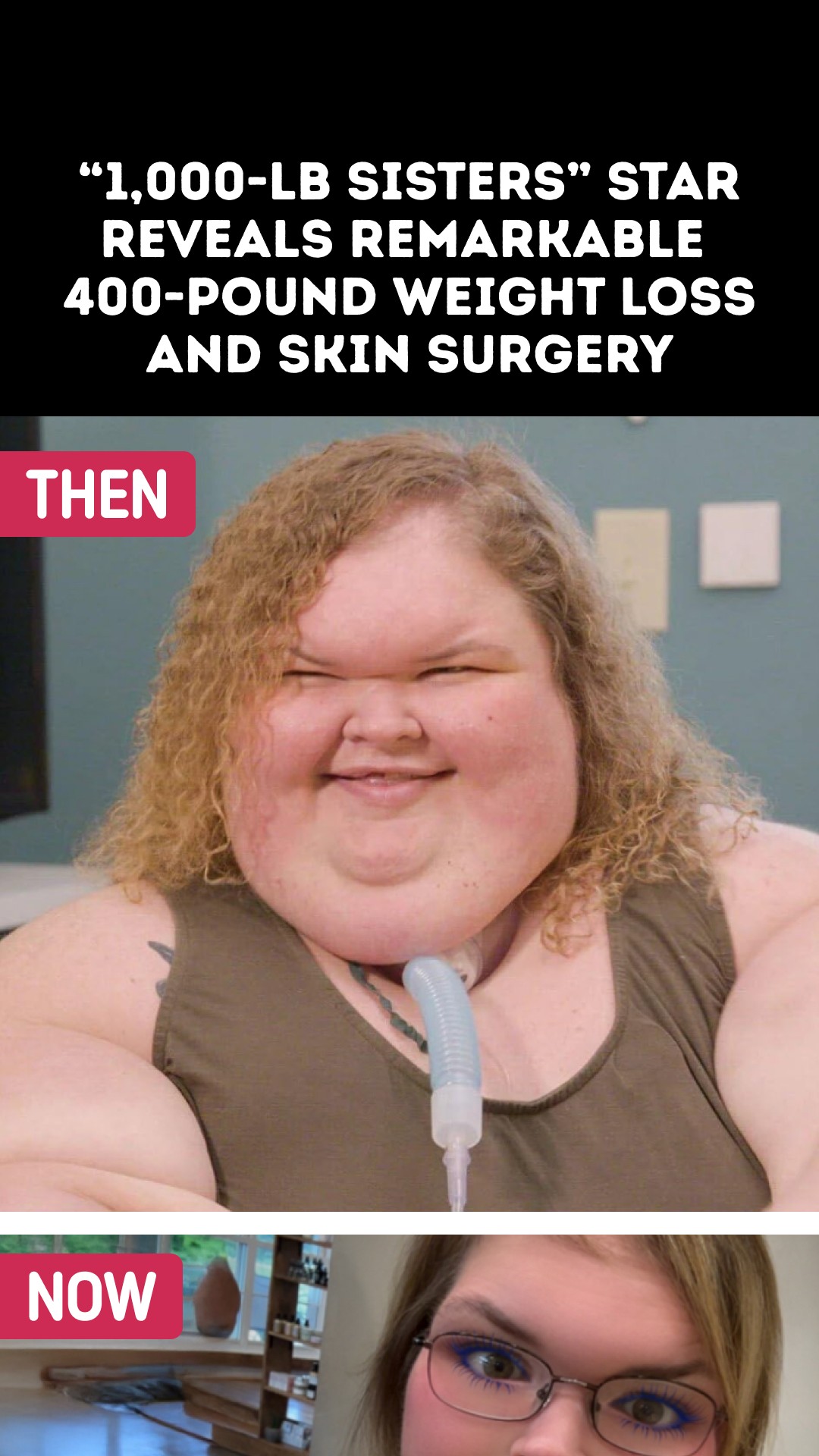
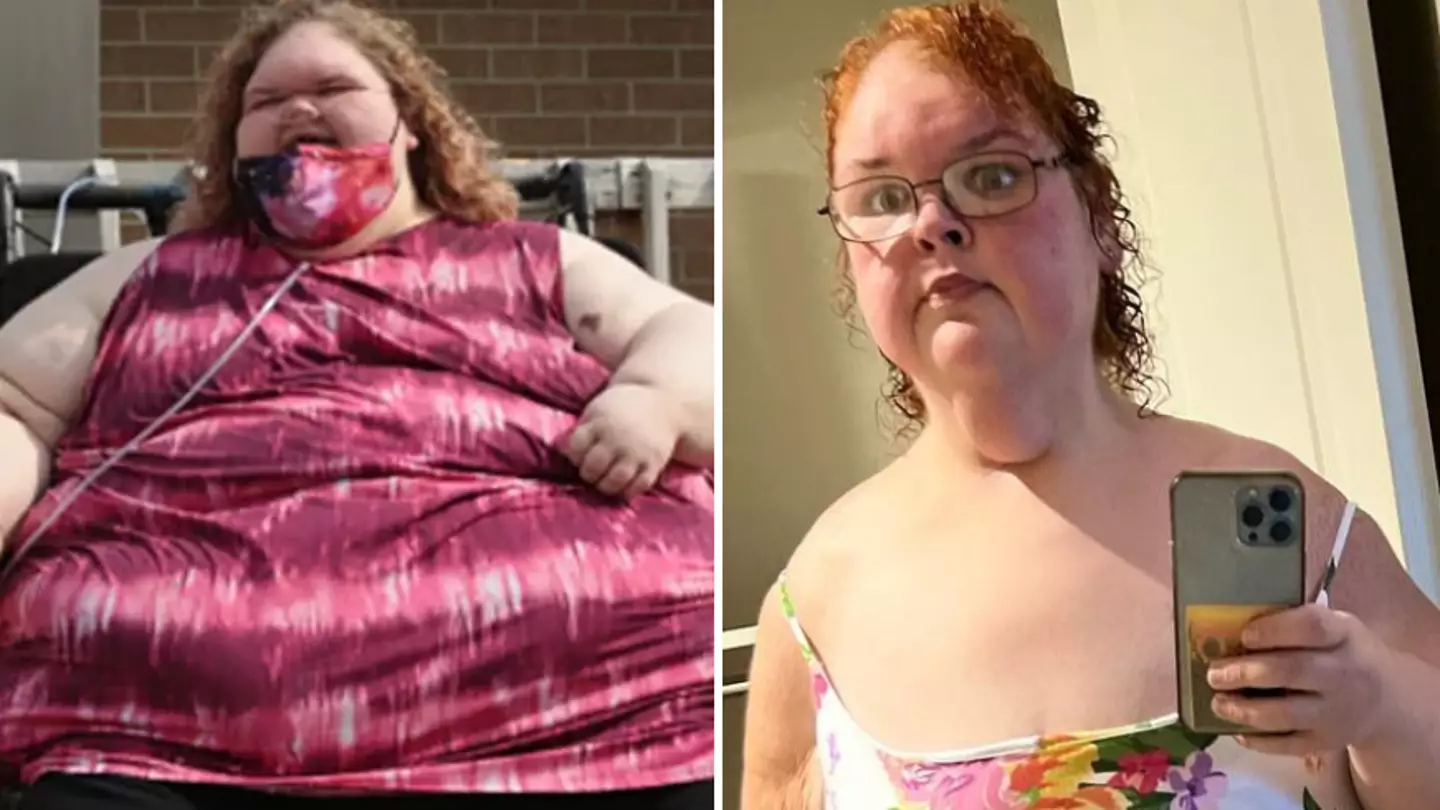
The weight loss journeys on TLC’s 1000-Lb. Sisters feature dramatic physical transformations guided by bariatric surgeons Dr. Charles Procter Jr. and Dr. Eric Smith. Tammy Slaton shed over 400 pounds following a gastric sleeve procedure after surviving life-threatening health crises, while Amy Slaton lost over 125 pounds post-gastric bypass before navigating pregnancy and mental health maintenance.
The Medical Framework: How Bariatric Doctors Evaluated the Slaton Family
Surgical weight loss for patients in the super-super-obese category (individuals with a Body Mass Index exceeding 60) presents complex clinical challenges. When the Slaton family began their documented medical journeys, bariatric specialists had to establish rigorous clinical criteria before approving any surgical interventions.
Initial consultations took place under Dr. Charles Procter Jr. in Atlanta, Georgia, and later shifted to Dr. Eric Smith in Georgetown, Kentucky. Both physicians required the family members to demonstrate substantial behavioral compliance, physical endurance, and psychological readiness before proceeding to the operating room.
Clinical Bariatric Evaluation Process:
- Step 1: Target Weight Loss (5-10% body weight reduction)
- Step 2: Respiratory & Cardiac Clearance (CPAP compliance, EKG)
- Step 3: Psychological & Behavioral Assessment
- Step 4: Metabolic Preparation & Pre-Op Liver Shrinking Diet
Bariatric surgeons mandate pre-operative weight loss for two primary anatomical reasons:
- Reduction of Visceral Fat: Losing initial body weight shrinks the liver, which lies directly over the stomach. A smaller liver significantly reduces the risk of accidental organ puncture during laparoscopic or robotic surgery.
- Cardiopulmonary Risk Mitigation: Patients carrying extreme excess weight face severe anesthesia risks, including airway collapse, pulmonary embolisms, and heart failure. Demonstrating pulmonary improvement prior to surgery lowers intraoperative mortality risks.
Beyond physical metrics, patients undergo comprehensive psychological evaluations. Candidates must demonstrate an understanding of post-operative dietary restrictions, address emotional eating patterns, and commit to lifelong vitamin and mineral supplementation to avoid acute nutritional deficiencies.
Tammy Slaton’s Health Transformation: From Critical ICU Care to Bariatric Success
Tammy Slaton’s medical trajectory represents one of the most extreme cases documented on reality television. Entering the public eye weighing over 600 pounds, her weight eventually peaked near 725 pounds, leaving her largely homebound, reliant on supplemental oxygen, and requiring full-time caregiving support.
The 2021 Medical Crisis and Rehabilitation Turning Point
Tammy’s health reached a dangerous precipice in late 2021 when she suffered severe respiratory failure. After being rushed to the hospital, she was placed in a medically induced coma and received a tracheostomy—a surgical opening in the neck to facilitate mechanical ventilation.
Following stabilization, Tammy entered Windsor Lane Health Care, a specialized medically supervised rehabilitation facility in Ohio. The multidisciplinary team at the facility focused on aggressive pulmonary therapy, controlled caloric intake, and physical rehabilitation.
Bariatric Surgery with Dr. Eric Smith
Under the direct care of bariatric surgeon Dr. Eric Smith, Tammy was assigned a target weight loss goal to qualify for bariatric surgery. While initially struggling with dietary compliance, her stay at the rehab facility yielded a dramatic milestone: dropping down to roughly 534 pounds, well past her target threshold.
Dr. Smith performed a sleeve gastrectomy (gastric sleeve procedure), which permanently removes approximately 80% of the stomach. This intervention drastically restricts food capacity and decreases the production of ghrelin, the hunger-stimulating hormone.
Tammy Slaton: Weight Loss & Medical Milestones:
- Peak Weight: 725 lbs
- ICU / Rehab
- Pre-Op Clearance: 534 lbs
- Gastric Sleeve
- Current Weight Range: <280 lbs
Post-Operative Milestones and Mobility Restorations
Following her successful surgery, Tammy experienced rapid physical improvements:
- Decannulation: Surgical removal of her tracheostomy tube after demonstrating sufficient independent lung function.
- Elimination of Supplemental Oxygen: Transitioning off constant oxygen support as pulmonary resistance decreased.
- Independent Mobility: Graduating from a bariatric wheelchair to walking unassisted without mobility aids.
- Total Weight Loss: Dropping below 280 pounds, marking an overall loss of more than 400 pounds from her peak weight.
With her weight stabilized, Tammy’s primary medical focus shifted toward consultations for body contouring and excess skin removal surgery (paniculectomy and brachioplasty) to eliminate skin folds that pose chronic dermatological and hygiene risks.
Amy Slaton’s Weight Loss Timeline, Pregnancy Complications, and Post-Op Maintenance
Amy Slaton began her bariatric journey at a starting weight of approximately 406 pounds. Her primary motivation was to improve her health to start a family with her then-husband, Michael Halterman.
Initial Surgery and Early Success
Working with Dr. Charles Procter Jr., Amy successfully met her pre-operative weight loss goals and underwent a Roux-en-Y gastric bypass in 2019. The Roux-en-Y procedure creates a small stomach pouch and reroutes a portion of the small intestine, restricting food intake while reducing nutrient absorption.
Following her procedure, Amy’s weight dropped to approximately 210 pounds, significantly improving her mobility, metabolic markers, and overall health status.
Post-Surgical Pregnancies and Clinical Risks
Bariatric surgeons typically advise female patients to avoid pregnancy for 12 to 18 months post-surgery. Rapid weight loss creates nutritional instability and metabolic changes that can pose risks to fetal development. However, Amy became pregnant with her first son, Gage, roughly four months after her gastric bypass, followed by a second pregnancy with her son, Glenn, shortly thereafter.
Amy Slaton Timeline:
- 2019: Peak Weight (406 lbs) – Gastric Bypass (Dr. Procter)
- 2020: Weight drops to ~210 lbs – Pregnancy 1 (Gage)
- 2022: Pregnancy 2 (Glenn) – Weight fluctuations & plateau
- 2024–2026: Psychological care, co-parenting, and weight maintenance focus
Navigating back-to-back pregnancies while her digestive system was structurally altered presented notable health obstacles:
- Nutritional Deficiencies: Managing fetal growth while experiencing reduced nutrient absorption required intensive prenatal supplementation.
- Stomach Pouch Stretching: Pregnancy-related cravings and altered eating patterns caused temporary weight regain and digestive discomfort.
- Emotional Stress and Mental Health: Managing single motherhood, divorce, and public scrutiny impacted her mental well-being, reinforcing the critical role of psychological therapy in long-term bariatric care.
Medical guidelines from institutions like the National Institute of Diabetes and Digestive and Kidney Diseases (NIDDK) emphasize that post-bariatric patients must maintain lifelong monitoring of iron, vitamin B12, calcium, and vitamin D levels to avoid chronic metabolic complications.
Comparative Overview of Slaton Family Bariatric Journeys
The table below summarizes the clinical pathways, surgical details, and health outcomes for the primary family members featured on the show.
| Family Member | Primary Bariatric Surgeon | Surgical Procedure | Estimated Starting / Peak Weight | Key Health Milestones Achieved | Current Primary Clinical Focus |
|---|---|---|---|---|---|
| Tammy Slaton | Dr. Eric Smith | Sleeve Gastrectomy | ~725 lbs | Removed tracheostomy; eliminated oxygen dependency; lost 400+ lbs | Skin removal consultations; body contouring |
| Amy Slaton | Dr. Charles Procter Jr. | Roux-en-Y Gastric Bypass | ~406 lbs | Lost over 125 lbs; successfully delivered two healthy children | Weight maintenance; mental health & emotional eating therapy |
| Chris Combs | Dr. Eric Smith | Sleeve Gastrectomy | ~450 lbs | Lost over 140 lbs; improved mobility and cardiovascular function | Completed abdominal skin removal (paniculectomy) |
| Amanda Halterman | Dr. Eric Smith | Revision / Sleeve Procedure | ~300+ lbs | Improved metabolic health and weight reduction | Post-op lifestyle adherence and body maintenance |
| Misty Wentworth | Dr. Eric Smith | Sleeve Gastrectomy | ~300+ lbs | Successful surgical recovery; joint pain reduction | Long-term nutritional compliance and active lifestyle |
Extended Family Updates: Chris Combs, Amanda, and Misty
The health transformations documented on the show extended beyond Amy and Tammy, inspiring their siblings to seek medical intervention for severe obesity.
Chris Combs: Surgical Success and Skin Removal
Chris Combs, the sisters' older brother, joined the medical program under Dr. Eric Smith to support his sisters and address his own health issues. Starting at roughly 450 pounds, Chris successfully adhered to his dietary protocol and underwent a gastric sleeve procedure.
After losing over 140 pounds, Chris met the strict medical criteria required for a paniculectomy—a surgical procedure to remove the large "apron" of excess skin hanging below the abdomen. Surgical skin removal after massive weight loss is not merely cosmetic; according to clinical guidelines on the National Institutes of Health (NIH) database, removing excess skin reduces tissue drag, prevents recurrent skin infections (intertrigo), and restores normal posture and spinal alignment.
Amanda Halterman and Misty Wentworth
Sisters Amanda Halterman and Misty Wentworth also pursued bariatric interventions under Dr. Eric Smith. Having both underwent prior bariatric procedures years earlier with variable long-term success, they sought revisionary evaluations and updated surgical care.
By completing their pre-operative requirements together, Amanda and Misty demonstrated the value of a strong family support structure, which bariatric psychologists frequently highlight as a primary factor in preventing long-term weight regain.
Clinical Insights: Key Bariatric Risks and Skin Removal Requirements
The experiences shown on 1000-Lb. Sisters mirror the real-world clinical challenges faced by patients undergoing surgical weight loss.
Qualifications for Post-Bariatric Skin Removal Surgery
Patients who experience massive weight loss often assume that skin removal surgery automatically follows bariatric intervention. However, plastic and reconstructive surgeons enforce strict protocols before operating:
- Weight Stability: Patients must maintain a stable weight for at least 6 to 12 consecutive months.
- Nutritional Adequacy: Serum protein, prealbumin, and vitamin levels must be optimized to ensure proper wound healing.
- Non-Smoking Status: Nicotine use restricts microvascular blood flow, significantly increasing the risk of surgical site necrosis and wound breakdown.
- Medical Necessity Documentation: Insurance coverage typically requires documented evidence of chronic skin rashes, non-healing ulcerations, or functional mobility limitations caused by excess skin folds.
Psychological Adjustment and Hedonic Eating Risk
Bariatric surgery alters physical stomach capacity, but it does not fix underlying psychological relationships with food. Patients often experience what clinicians term "transfer addiction" or return to emotional eating habits when coping mechanisms are absent.
Continuous therapy with licensed mental health providers, dietary coaching, and peer support groups are essential components of long-term surgical success.
Medical Disclaimer: Bariatric surgery is a life-altering medical procedure requiring individual evaluation by qualified healthcare professionals. Weight loss outcomes, surgical risks, and candidate eligibility vary based on medical history, co-occurring health conditions, and personal compliance with post-operative guidelines.
Actionable Steps for Prospective Bariatric Patients
For individuals inspired by the Slaton family’s health milestones, navigating the medical system requires a structured approach:
- Consult a Primary Care Physician: Request a referral to a accredited bariatric center recognized by organizations such as the American College of Surgeons (ACS) or the American Society for Metabolic and Bariatric Surgery.
- Verify Insurance Coverage: Research your health plan's specific requirements for weight loss surgery, which often include six months of medically supervised dieting.
- Schedule a Comprehensive Psychological Evaluation: Identify underlying emotional eating triggers and build healthy coping mechanisms prior to surgical intervention.
- Establish a Multi-Disciplinary Team: Long-term success requires ongoing relationships with a bariatric surgeon, registered dietitian, exercise physiologist, and mental health specialist.
- Commit to Post-Op Nutrient Compliance: Prepare for mandatory daily supplementation of multivitamin, iron, calcium citrate, and vitamin B12 formulations tailored for bariatric absorption.
Which doctors perform the bariatric surgeries on 1000-Lb. Sisters?
Dr. Charles Procter Jr., a bariatric surgeon based in Atlanta, Georgia, managed the family's care during the early seasons and performed Amy Slaton's gastric bypass. Dr. Eric Smith, a bariatric specialist practicing in Georgetown and Lexington, Kentucky, performed Tammy Slaton's gastric sleeve, Chris Combs' gastric sleeve, and guided treatments for Amanda and Misty.
How much weight has Tammy Slaton lost following her surgery?
Tammy Slaton lost over 400 pounds from her peak weight of approximately 725 pounds. After completing her rehabilitation program and receiving a gastric sleeve from Dr. Eric Smith, her weight dropped below 280 pounds, allowing her to walk independently and eliminate her reliance on continuous supplemental oxygen.
Why was Tammy Slaton placed in a medically induced coma during her weight loss journey?
In late 2021, Tammy suffered acute respiratory failure due to complications from severe obesity and lung infections. Physicians placed her in a medically induced coma to stabilize her breathing and inserted a tracheostomy tube directly into her airway to provide mechanical ventilation support.
What medical challenges did Amy Slaton face after her gastric bypass?
Amy experienced rapid weight loss down to roughly 210 pounds, but becoming pregnant twice within a short window following surgery presented physical and nutritional risks. Managing fetal health requirements, stomach pouch stretching, emotional stress, and post-divorce mental health struggles impacted her post-op weight maintenance.
What are the main requirements for skin removal surgery after massive weight loss?
Surgeons require patients to maintain a stable body weight for 6 to 12 months, demonstrate optimal nutritional status (including healthy protein and vitamin levels), remain completely nicotine-free, and provide medical documentation showing that skin folds cause physical impairment, persistent hygiene issues, or skin infections.