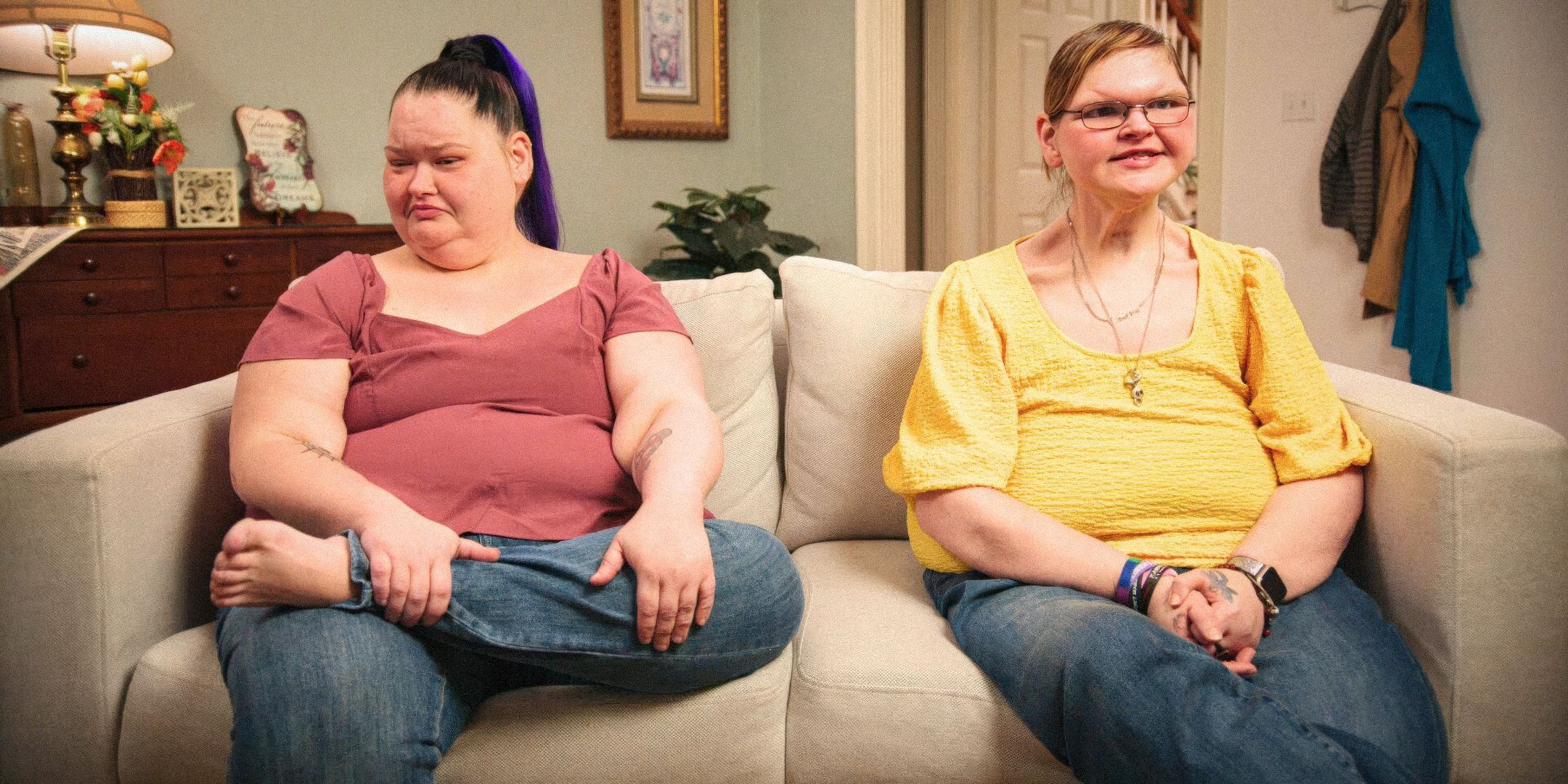
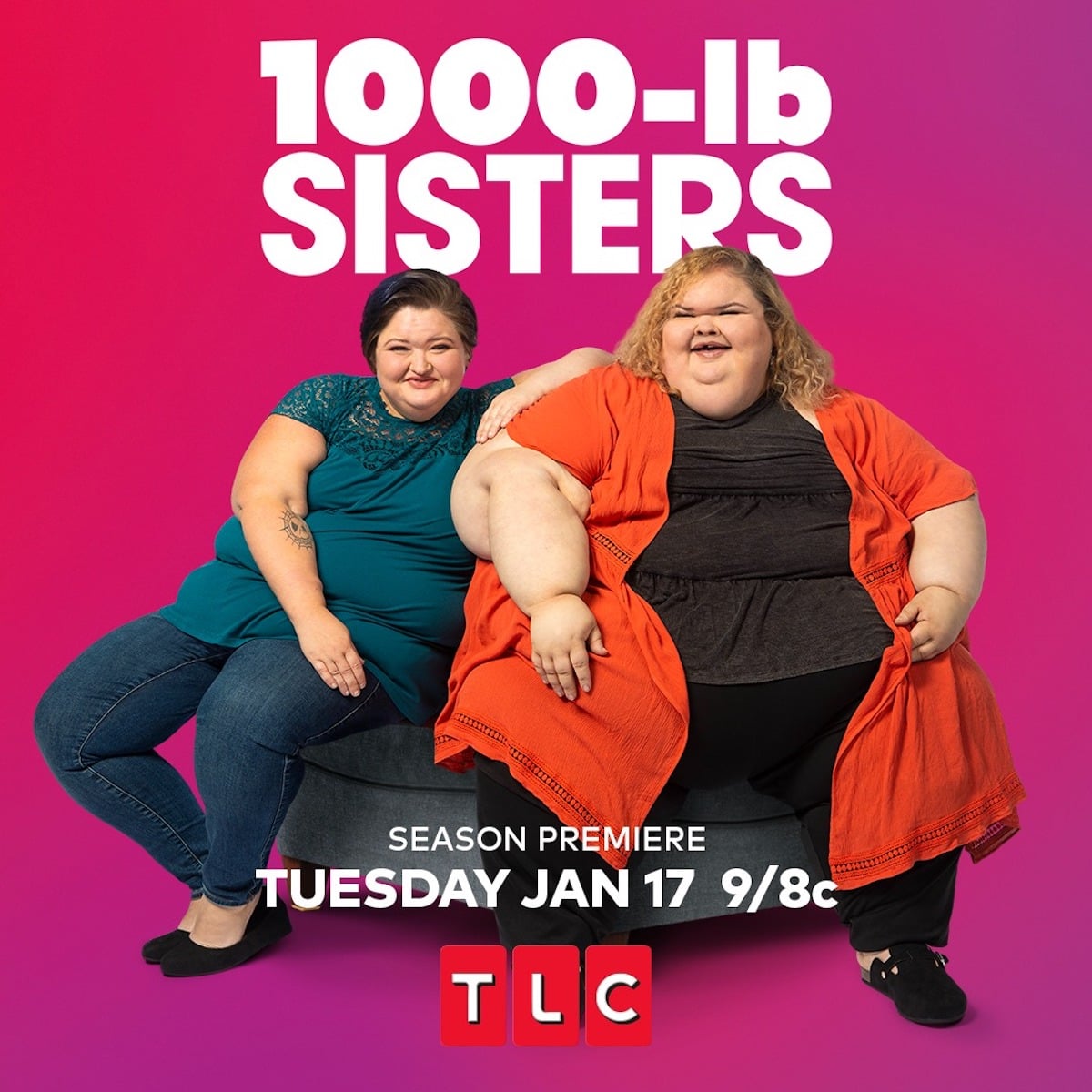
Amy Slaton’s weight loss transformation on TLC’s 1,000-lb Sisters represents one of reality television's most visible bariatric health journeys. Starting at over 400 pounds in Season 1, Amy underwent Roux-en-Y gastric bypass surgery, lost over 125 pounds, navigated two high-risk pregnancies, and reshaped her health, family life, and personal independence across subsequent season finales.
The Beginnings of Amy Slaton’s Bariatric Journey
When TLC premiered 1,000-lb Sisters in January 2020, viewers were introduced to sisters Amy Slaton-Halterman and Tammy Slaton living in Dixon, Kentucky. At the start of the series, Amy weighed approximately 406 pounds. Beyond the immediate physical constraints of severe obesity, Amy's primary motivation for pursuing surgical weight loss was her deep desire to become a mother—a goal complicated by obesity-related health conditions, including diabetes and high blood pressure.
To become eligible for bariatric surgery, Amy was required to demonstrate commitment to lifestyle modifications under the supervision of bariatric surgeon Dr. Charles Procter Jr. This preoperative phase mandated adhering to a strict low-carbohydrate, high-protein diet, tracking daily caloric intake, and losing a predetermined amount of weight independently. Amy successfully met her initial weight loss goals, clearing the clinical prerequisite for surgical intervention.
In late 2019, Amy underwent a successful Roux-en-Y gastric bypass procedure. This bariatric operation reduces the size of the stomach to a small pouch and reroutes a portion of the small intestine, restricting food capacity while altering gut hormones that regulate hunger and satiety. Following the surgery, Amy experienced rapid weight loss, dropping into the 200-pound range within her first year post-operation.
Season Finale Breakthroughs: Tracing Amy’s Weight Loss Milestones
Across multiple seasons of 1,000-lb Sisters, season finales have served as critical check-ins for Amy’s health progression and physical evolution. Each finale captured distinct stages of her physiological and emotional development.
- Season 1 Finale: Initial Post-Op Success (~406 lbs down to ~290 lbs)
- Season 2 Finale: First Pregnancy & Birth of Gage (~280 lbs to ~270 lbs)
- Season 3 Finale: Second Pregnancy Announcement (~250 lbs)
- Season 4 Finale: Postpartum Adjustments & Marriage Strain (~275 lbs)
- Season 5/6 Finale: Mental Health Diagnosis, Independence & Skin Removal Consultations (~230–280 lbs range)
Season 1 & 2: Surgical Success and Early Motherhood
The Season 1 finale established Amy’s surgical milestone, revealing a weight drop below 300 pounds. However, the Season 2 finale highlighted the clinical challenges of balancing rapid post-bariatric weight loss with an unexpected pregnancy. Medical guidelines typically advise patients to delay pregnancy for 12 to 18 months following bariatric surgery to avoid nutritional deficiencies in both mother and fetus. Despite getting pregnant earlier than recommended, Amy gave birth to her first son, Gage Deon Halterman, in November 2020. By the end of Season 2, Amy maintained a significantly reduced body mass compared to her baseline, though her weight loss velocity slowed during postpartum recovery.
Season 3 & 4: Biological Strain and Life Transitions
By Season 3, Amy’s transformation continued as she navigated life as a new mother while striving to preserve her health gains. During Season 4, she welcomed her second child, Glenn Allen Halterman, in July 2022. The physical demands of back-to-back pregnancies created significant physiological friction with her modified digestive system. Weight fluctuations occurred as Amy managed stress, dietary temptations, and recovery from a second surgical delivery (C-section). The Season 4 finale focused heavily on the emotional strain within her home, culminating in heightened interpersonal conflicts with her then-husband, Michael Halterman.
Season 5 & 6 Finale Focus: Physical and Psychological Overhaul
Recent season finales showcased a fundamentally transformed Amy Slaton. Following her separation and subsequent divorce from Michael Halterman in 2023, Amy faced intense personal turbulence while co-parenting her two young sons. The season finales emphasized that her weight loss journey had evolved beyond physical scale metrics. Despite temporary weight spikes driven by emotional distress, Amy re-engaged with clinical care, addressed severe postpartum depression and anxiety, and sought treatment following a bipolar disorder diagnosis. Visual updates presented during recent finales underscored substantial body restructuring, setting the stage for evaluations regarding body-contouring and panniculectomy (skin removal) surgeries.
Beyond the Scale: Mental Health, Divorce, and Personal Growth
Weight loss following bariatric surgery is rarely a linear physical process; it is deeply intertwined with psychological resilience and behavioral adaptation. Amy Slaton’s journey on 1,000-lb Sisters illustrates the profound mental health challenges that often emerge after rapid physical transformations.
The Interplay of Bariatric Surgery and Psychological Stress
Bariatric procedures alter physical anatomy, but they do not automatically resolve long-standing psychological relationships with food. For many patients, food serves as a primary coping mechanism for stress, trauma, or emotional pain. When gastric capacity is surgically restricted, patients must develop alternative emotional regulation strategies.
During key episodes and finale discussions, Amy spoke openly about struggling with emotional eating while experiencing severe life stressors, including:
- Postpartum Depression: Managing hormonal shifts and sleep deprivation with two toddlers under age three.
- Marital Breakdown: Navigating a high-stress separation and contested divorce proceedings under national public scrutiny.
- Caregiver Fatigue: Balancing support for her sister Tammy’s intensive rehabilitation journey while maintaining her own household.
Therapy and Diagnostic Clarity
Recognizing that her physical health was endangered by unmanaged emotional strain, Amy initiated therapy sessions highlighted in recent seasons. Receiving a formal mental health diagnosis enabled medical providers to tailor a combined treatment plan involving behavioral therapy, stress management, and appropriate medication. This psychological baseline proved essential for stabilizing her weight loss trajectory and preventing major regain.
Timeline and Physical Metrics of Amy Slaton’s Transformation
The following table summarizes the key health, weight, and life milestones documented throughout Amy Slaton's participation in 1,000-lb Sisters.
| Season / Period | Approximate Weight | Key Physical & Health Milestones | Major Personal Events |
|---|---|---|---|
| Pre-Show Baseline (2019) | ~406 lbs | Severe obesity, high risk for diabetes/hypertension | Applied for bariatric program with Dr. Charles Procter Jr. |
| Season 1 Finale (2020) | ~290 lbs | Successful gastric bypass surgery; initial 115+ lb loss | Cleared clinical hurdles for pregnancy |
| Season 2 Finale (2021) | ~270–280 lbs | Managed high-risk pregnancy post-bariatric surgery | Birth of first child, Gage Halterman (Nov 2020) |
| Season 3 Finale (2022) | ~250 lbs | Stabilized post-op weight; monitored for nutritional deficits | Announced second pregnancy |
| Season 4 Finale (2023) | ~275 lbs | Fluctuations following second C-section delivery | Birth of second child, Glenn Halterman (July 2022); marital strain |
| Season 5 Finale (2024) | ~230–260 lbs range | Focused on emotional recovery, diet stabilization, and exercise | Separation and divorce filing from Michael Halterman |
| Recent Status (2025–2026) | Sustained Substantial Loss | Evaluation for plastic surgery / skin removal; physical mobility restored | Co-parenting independence; mental health advocacy |
Medical Realities of Post-Bariatric Maintenance and Pregnancy
Amy Slaton’s health updates draw attention to important medical protocols surrounding post-bariatric surgery care and pregnancy management.
Risks of Early Post-Operative Conception
Obesity medicine specialists and the American Society for Metabolic and Bariatric Surgery (ASMBS) strongly recommend preventing pregnancy for 12 to 18 months following metabolic and bariatric procedures. During this window of rapid weight loss, the body is in an active catabolic state, creating potential risks such as:
- Intrauterine Growth Restriction (IUGR): Inadequate caloric and nutrient absorption by the mother can restrict fetal development.
- Nutritional Deficiencies: Gastric bypass reduces the absorption of critical micronutrients, including iron, vitamin B12, folate, calcium, and fat-soluble vitamins.
- Surgical Complications: Expanding abdominal volume during pregnancy can increase pressure on surgical sites and internal anatomical connections.
Amy’s early pregnancy with Gage required close monitoring by maternal-fetal medicine specialists to ensure both maternal stability and proper fetal development.
Managing Excess Skin and Body Contouring
Following massive weight loss exceeding 100 to 200 pounds, patients frequently experience significant redundancy of skin and subcutaneous tissue. Excess skin is not merely a cosmetic issue; it presents distinct medical complications:
- Chafing and Intertrigo: Severe skin fold dermatitis and recurrent fungal or bacterial infections.
- Mobility Obstruction: Heavy aprons of abdominal skin (panniculus) alter center of gravity and gait mechanics.
- Hygiene Difficulties: Difficulty maintaining cleanliness within deep tissue folds.
In recent show appearances, evaluations for skin removal procedures (such as a panniculectomy or lower body lift) have formed a major component of Amy’s ongoing clinical strategy, marking the final physical phase of massive weight loss management.
What the 1000-Lb Sisters Finale Reveals About Long-Term Weight Loss
The long-term narrative of 1,000-lb Sisters offers critical practical insights for individuals evaluating or undergoing bariatric medical interventions.
Key Takeaways from Amy's Transformation Journey
- Bariatric Surgery is a Tool, Not a Permanent Cure: Surgical modification creates physiological restriction, but long-term success relies on permanent dietary changes, behavioral modification, and routine medical follow-up.
- Weight Loss is Rarely Monotonic: Scale weight fluctuates in response to stress, fluid balance, hormonal shifts, and major life changes. Long-term progress is defined by macro-trends rather than daily scale variations.
- Mental Health Support is Essential: Emotional well-being directly dictates physical adherence to nutritional guidelines. Integrated psychiatric care is vital for sustainable bariatric outcomes.
- Multidisciplinary Care Matters: Successful post-bariatric management requires cooperation between bariatric surgeons, primary care physicians, dietitians, mental health professionals, and reconstructive surgeons.
Frequently Asked Questions
How much weight did Amy Slaton lose after her bariatric surgery?
Amy Slaton started her journey on 1,000-lb Sisters weighing over 406 pounds. Following her gastric bypass surgery in late 2019, she lost over 125 pounds during her initial recovery phase, reaching the mid-200s. While her weight has fluctuated due to two pregnancies and major life stressors, she has maintained a significant overall weight reduction compared to her baseline starting weight.
What type of weight loss surgery did Amy Slaton have?
Amy Slaton underwent a Roux-en-Y gastric bypass. This procedure involves creating a small stomach pouch to limit food intake and bypassing a portion of the small intestine to reduce nutrient and calorie absorption.
How did pregnancy affect Amy Slaton’s weight loss journey?
Amy became pregnant with her first son, Gage, less than a year after her gastric bypass, earlier than the 12- to 18-month timeline recommended by bariatric surgeons. Consecutive pregnancies with Gage (born November 2020) and Glenn (born July 2022) temporarily slowed her weight loss progress due to changed nutritional needs, altered metabolic demands, and postpartum recovery.
Is Amy Slaton planning to undergo skin removal surgery?
Yes. After experiencing massive weight loss, Amy expressed interest in plastic and reconstructive surgery to remove excess hanging skin. Consultations for body contouring and panniculectomy procedures have been highlighted in recent television updates to resolve physical discomfort and mobility challenges caused by redundant tissue.
What role did mental health support play in Amy Slaton’s transformation?
Mental health support became a cornerstone of Amy’s journey during recent seasons. After experiencing severe stress from her divorce, co-parenting pressures, and postpartum emotional struggles, Amy re-engaged with therapy and received medical support for bipolar disorder and anxiety. This mental health framework helped her stabilize her routines and maintain healthy lifestyle habits.
Key Recommendations for Post-Bariatric Success
For individuals navigating their own medical weight loss or post-bariatric recovery, Amy Slaton's documented experience highlights practical steps for maintaining long-term health:
- Prioritize Nutritional Compliance: Adhere strictly to protein requirements (typically 60–80 grams daily) and take recommended daily bariatric multivitamins, iron, calcium, and vitamin B12 supplements to prevent long-term deficiencies.
- Integrate Routine Psychological Support: Engage with licensed counselors or specialized bariatric support groups early in the process to build non-food coping mechanisms for emotional stress.
- Follow Post-Op Family Planning Guidelines: Utilize reliable contraception during the first 12 to 18 months post-surgery to minimize maternal and fetal health risks associated with rapid weight loss.
- Maintain Consistent Clinical Follow-Ups: Schedule annual blood work and physical evaluations with your bariatric team to track metabolic parameters, nutritional status, and potential surgical complications.
- Address Redundant Skin Hydro-Mechanics Early: Consult with board-certified plastic surgeons specializing in massive weight loss reconstruction to document skin complications and explore coverage options with medical insurance providers.