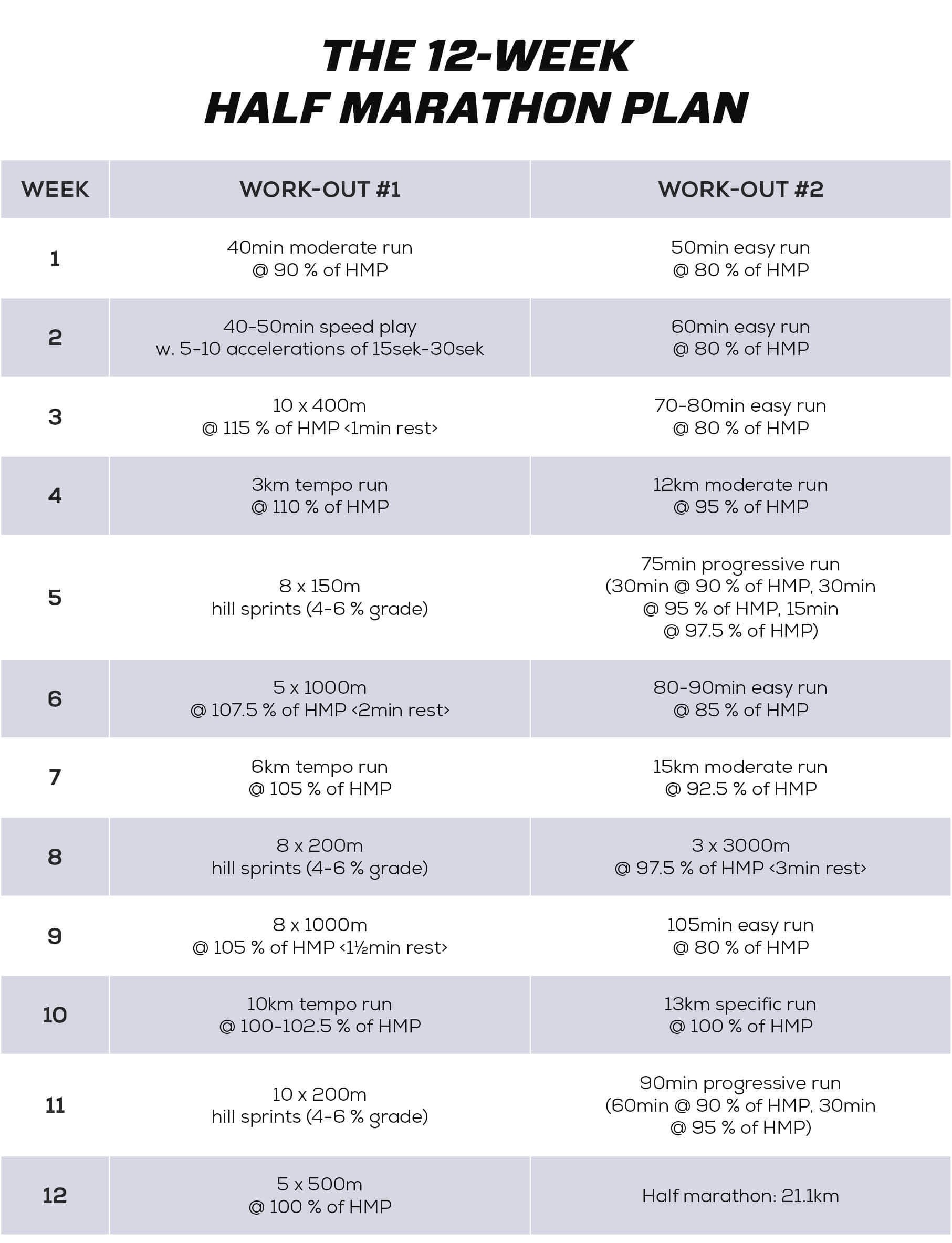
Over the past century, marathon training has transformed from intuitive, unstructured endurance work into a precise science of aerobic capacity, lactate threshold manipulation, and biomechanical optimization. The 100-year legacy of marathon training synthesizes base-building periodization, track intervals, race-specific workouts, and modern recovery tech into a unified blueprint for 26.2-mile peak performance.
The Evolution of Marathon Training: A Century of Endurance Science
The modern marathon protocol is not an overnight invention. It is the cumulative result of a 100-year experiment conducted by pioneering coaches, exercise physiologists, and elite athletes. Understanding this legacy helps runners distinguish between fleeting fitness trends and foundational training principles that produce consistent long-term progression.
The Early Era (1920s–1940s): Intuition and Volume Experiments
In the early 20th century, marathon preparation was largely unstructured. Runners relied on long, slow walking mixed with continuous moderate-intensity runs. Training logs from the 1920s reveal minimal systematic tracking of pace or heart rate. Finnish legend Paavo Nurmi introduced early elements of structured pace work and stopwatch timing, demonstrating that precise pace control could yield world-record performances across multiple distances. However, training volume remained erratic, and rest was often viewed as a sign of weakness rather than an essential stimulus for biological adaptation.
The Interval Revolution (1940s–1950s): Speed and High Intensity
The mid-20th century marked a dramatic shift toward high-intensity track training. Led by German coach Woldemar Gerschler and physician Herbert Reindell, interval training gained scientific backing. They posited that the cardiac stimulus occurs during the rest interval following a fast repeat, as the heart fills with blood while the rate rapidly drops.
Czech icon Emil Zátopek popularized extreme interval regimes, famously completing sessions such as 100 x 400 meters in a single day. Zátopek’s success proved that the human heart and musculoskeletal system could handle unprecedented training stress when broken into repeated effort intervals. However, because these protocols relied heavily on anaerobic capacity, many runners experienced premature burnout or chronic overtraining when scaling intervals to the full 26.2-mile distance.
The Aerobic Base Era (1960s–1970s): Lydiard and Systematic Periodization
New Zealand coach Arthur Lydiard revolutionized distance running in the 1960s by proving that high-volume aerobic mileage was the true engine of marathon success. Lydiard demonstrated that building a deep aerobic foundation—typically 100 miles per week of mostly aerobic-zone running—expanded capillary density, increased mitochondrial volume, and enhanced glycogen storage capacity.
Lydiard introduced linear periodization, dividing the marathon training cycle into distinct functional phases:
- Aerobic Base Phase: Maximizing stamina through high weekly volume at sub-maximal heart rates.
- Hill Resistance Phase: Developing stride power, ankle stability, and neuromuscular drive without accumulated lactate.
- Track Speed Phase: Sharpening anaerobic capacity and top-end turnover.
- Taper & Coordination Phase: Reducing fatigue while maintaining neuromuscular sharpness for race day.
This framework allowed American runners like Frank Shorter and Bill Rodgers to dominate international marathons in the 1970s, establishing base building as the non-negotiable core of distance running programs worldwide.
Modern Refinements: From Threshold Tuning to Specificity
As exercise physiology matured through the late 20th century and into the 2020s, coaches refined Lydiard’s macro-volume principles using biological markers such as blood lactate levels and maximum oxygen uptake ($\text{VO}_2\text{max}$).
- Aerobic Base Phase
- Threshold & Power Phase
- Race-Specific Endurance Phase
- Taper & Race Execution
The Lactate Threshold & Specificity Era (1980s–2010s)
American coach Jack Daniels standardized training zones using the VDOT system, translating laboratory parameters into actionable workout paces based on recent race performances. Concurrently, Italian coach Renato Canova altered marathon training by introducing the concept of specific endurance.
Canova argued that as a runner approaches race day, training must shift from general physical preparation (very slow runs or very fast track sprints) to highly specific work within 95% to 105% of target marathon pace. Instead of viewing the marathon purely as a test of raw aerobic capacity, Canova framed it as the ability to sustain a target pace while efficiently utilizing fat oxidation to spare muscle glycogen.
The Contemporary Era (2010s–2026): Data, Physiology, and Footwear
Marathon training combines historic periodization with real-time biometric analysis and biomechanical advances:
- Biomechanical Super-Shoes: Thicker, highly resilient foam midsoles paired with rigid carbon-fiber plates reduce muscle damage and lower the metabolic cost of running by roughly 3% to 4%. This allows athletes to train at higher weekly volumes with shorter recovery windows.
- The Norwegian Double-Threshold Model: Developed by elite endurance programs, this approach features two controlled sub-maximal threshold workouts in a single day (separated by several hours of rest), guided strictly by blood lactate monitoring (typically maintaining lactate between 2.0 and 4.0 mmol/L). This maximizes weekly threshold stimulus without incurring excessive autonomic nervous system strain.
- Continuous Glucose Monitoring & Advanced Hydration: Real-time fueling monitoring helps runners optimize intra-workout carbohydrate intake (often target 60–90+ grams per hour), preventing severe glycogen depletion during long race-simulation efforts.
Core Framework Comparison: Century-Long Training Methodologies
The following table compares the defining characteristics, primary energy systems, and lasting impacts of the major marathon training philosophies developed over the past 100 years.
| Era / Methodology | Primary Training Focus | Key Proponents | Representative Workout | Lasting Contribution to Modern Runners |
|---|---|---|---|---|
| Intuitive Era (1920s–1930s) | Continuous moderate running, subjective effort | Paavo Nurmi | 15–20 km continuous run at steady effort | Introduced chronometric pace discipline and structured timing. |
| High-Volume Intervals (1940s–1950s) | Cardiac stroke volume expansion via interval reps | Emil Zátopek, Woldemar Gerschler | 40 x 400m with 200m jog recovery | Established intervals as the premier tool for expanding cardiovascular capacity. |
| Lydiard Aerobic Base (1960s–1970s) | High-volume low-intensity aerobic mileage & periodization | Arthur Lydiard, Frank Shorter | 20-mile continuous hilly long run at aerobic pace | Proved that aerobic capillary density and periodization form the base of distance performance. |
| Daniels VDOT / Physiology (1980s–2000s) | Scientific training zones anchored to lactate threshold | Jack Daniels, Pete Pfitzinger | 2 x 3 miles at Lactate Threshold pace with 3 min rest | Quantified precise pace targets based on objective physiological markers. |
| Canova Specificity (2000s–2010s) | Extension of specific marathon pace endurance | Renato Canova, Canova-trained elites | 4 x 5 km at 102% Marathon Pace with 1 km float recovery | Shifted focus to pace specificity and altering metabolic fuel utilization at race speed. |
| Modern Integrated Framework (2020s–2026) | Double-threshold, micro-periodization, biomechanical tech | Marius Bakken, Jakob Ingebrigtsen, Elite Marathon Groups | AM: 5 x 6 min at lower threshold; PM: 25 x 400m at upper threshold | Optimizes training density while controlling muscular damage and autonomic fatigue. |
Key Pillars of the 100-Year Marathon Training Blueprint
Despite changing trends, a century of training evidence shows that long-term progress relies on four fundamental physiological pillars.
- MARATHON PERFORMANCE CAPACITY
- Aerobic Base & Mitochondrial Vol
- Lactate Threshold Shift (Zone 3/4)
- Specific Pace Durability (26.2)
- Recovery & Energy Availability
1. Aerobic Base & Capillary Density
The marathon is roughly 99% aerobic. Building an expansive vascular network requires consistent, low-intensity running (typically Zone 2 heart rate, or below your aerobic threshold).
Long, continuous aerobic runs stimulate:
- Mitochondrial biogenesis: Increasing the size and number of power-producing cellular units in type I muscle fibers.
- Capillarization: Expanding the network of micro-blood vessels supplying oxygen directly to working muscle tissue.
- Fat oxidation efficiency: Teaching the body to rely more heavily on free fatty acids for fuel, preserving precious muscle glycogen stores for the final miles of the race.
2. Lactate Threshold Manipulation
Lactate threshold (LT) represents the exercise intensity at which blood lactate accumulation outpaces its rate of clearance. While early marathoners prioritized pure mileage, modern endurance science demonstrates that raising your lactate threshold pace directly dictates your maximum potential marathon speed.
By running workouts at or near your lactate threshold (often described as comfortably hard, or the pace you could hold for roughly one hour in a race setting), you push the metabolic curve to the right. This allows you to run faster at a lower physiological cost.
3. Neuromuscular Durability & Specificity
Extending endurance over 26.2 miles requires specific structural integrity in addition to strong lungs. Foot strikes inflict micro-trauma on muscle fibers, fascia, and tendons over hours of running.
Incorporating specific long runs that combine progressive volume with segments driven at target marathon pace conditions motor unit recruitment patterns under accumulated fatigue. This prevents the late-race form degradation often referred to as "hitting the wall."
4. Energy Availability and Adaptation Management
A major lesson from early training protocols is that adaptation occurs during recovery, not during the workout itself. Modern guidelines emphasize matching energy intake to total daily energy expenditure.
Inadequate fueling (low energy availability) suppresses thyroid function, bone mineral density, and hormone synthesis, eventually leading to Relative Energy Deficiency in Sport (REDs). Incorporating planned recovery weeks—typically reducing overall volume by 20% to 30% every third or fourth week—protects athletes from systemic fatigue and chronic injury.
Step-by-Step Guide to Structuring Your Marathon Macrocycle
To apply this 100-year legacy to your own marathon goals, organize your preparation into a structured 16-to-20-week macrocycle. This framework balances aerobic base building, threshold capacity, specific marathon endurance, and a full taper.
- Base Phase (High Easy Vol)
- Threshold Phase (Tempo & Strength)
- Specific Phase (Marathon Race Pace)
- Taper (Rest/Peak)
Phase 1: Aerobic Base & General Preparation (Weeks 1–6)
- Primary Objective: Expand total volume, strengthen connective tissue, and establish training consistency.
- Weekly Structure:
- 4–5 easy aerobic runs kept strictly below aerobic threshold (Zone 2).
- 1 long run, starting at 10–12 miles and building progressively.
- 2 sessions of short stride accelerations (6 x 20-second hill sprints or flat strides) to maintain neuromuscular speed and running economy without metabolic fatigue.
- Key Metric: Total weekly volume growth should not exceed acute-to-chronic workload limits (aiming for steady, incremental increases of 5–10% every two weeks).
Phase 2: Threshold & Strength Development (Weeks 7–12)
- Primary Objective: Elevate lactate threshold pace and build mechanical fatigue resistance.
- Weekly Structure:
- Threshold Workout: 4 x 2 kilometers at 15K-to-half-marathon pace with 90 seconds of easy jog recovery, or a continuous 20–30 minute tempo run.
- Aerobic Long Run: 14–18 miles at a steady, conversational pace.
- 3 easy recovery runs complemented by heavy, low-repetition resistance training (squats, deadlifts, calf raises) to enhance tendon stiffness.
Phase 3: Specific Marathon Preparation (Weeks 13–18)
- Primary Objective: Extend pace durability at target marathon speed and optimize intra-race fueling strategies.
- Weekly Structure:
- Specific Workout: 3 x 5 kilometers at target marathon pace with 1 kilometer at steady aerobic pace ("float" recovery).
- Specific Long Run: 18–22 miles, incorporating the final 6–10 miles at target marathon pace to practice executing under fatigue.
- Fueling Execution: Practice consuming 60–90 grams of carbohydrates per hour using hydrogel formulations or energy gels during every long run.
Phase 4: Taper & Race Execution (Weeks 19–20)
- Primary Objective: Shed cumulative fatigue while preserving peak glycogen levels and neuromuscular sharpness.
- Weekly Structure:
- Week 19: Reduce weekly running volume by 30%, keeping intensity sharp with short intervals (e.g., 5 x 1 km at marathon pace).
- Week 20 (Race Week): Reduce volume by an additional 50%. Focus on high-carbohydrate intake (8–10g per kg of body weight per day for 48 hours prior to race day), optimal hydration, and quality sleep.
- Race Day Execution: Maintain an even or slightly negative split pacing strategy, holding target pace strictly within the first half to avoid early glycogen burnout.
Avoiding Common Historical Pitfalls
Throughout marathon history, runners have repeatedly made training mistakes that compromise health and performance. Recognizing these issues helps you maintain steady progression over time.
The "Grey Zone" Trait
Many mid-pack runners train too fast on easy days and too slow on hard days. Running in this intermediate zone generates unnecessary autonomic nervous system stress without provoking maximum aerobic or threshold adaptations. Ensure easy runs feel genuinely light and easy, reserving full physical effort for structured key sessions.
Over-Reliance on Sudden Volume Escalation
While high weekly mileage is a proven pillar of marathon success, ramping up volume too quickly remains a primary driver of bone stress injuries and tendinopathies. Rather than drastically spiking volume within a single marathon block, build peak mileage over multi-year cycles.
Neglecting Heavy Resistance Training
Distance runners historically avoided weight rooms out of fear of gaining excess muscle mass. Modern sports science shows that heavy strength training (3–5 sets of 3–6 reps at high resistance) improves running economy, enhances motor unit recruitment, and fortifies connective tissue against repetitive mechanical stress—all without inducing hyper-trophy when combined with high endurance volume.
Frequently Asked Questions
How has marathon training changed most significantly over the past 100 years?
The biggest evolution is the shift from high-intensity, unmonitored track intervals toward scientifically measured volume periodization and race-pace specificity. Modern runners prioritize aerobic development, lactate threshold management, metabolic fueling, and structural durability over unmanaged speed work.
What is Arthur Lydiard’s biggest contribution to modern marathon preparation?
Arthur Lydiard introduced systematic linear periodization and emphasized the necessity of high-volume aerobic base building. He proved that high mileage ran at sub-maximal aerobic efforts creates the cellular infrastructure (capillaries and mitochondria) required to support high-intensity training later in a macrocycle.
Can recreational runners safely implement high-volume training models?
Yes, but volume must be scaled relative to individual training history and recovery capacity. Recreational runners should prioritize total time on feet and steady aerobic progress over matching elite mileage totals, using a phased approach over several years to build durability safely.
How do modern super shoes impact marathon training volume and recovery?
Super shoes utilize advanced energy-returning foams and carbon plates that reduce muscular micro-damage, lower vertical oscillation impact, and improve running economy. This allows runners to recover faster from hard sessions and handle higher training volume with a lower risk of soft-tissue overuse injuries.
What is the Norwegian double-threshold method, and does it apply to the marathon?
The Norwegian method involves completing two sub-maximal threshold sessions in a single day, controlled precisely using blood lactate meters to prevent excessive strain. While developed primarily for 5K to half-marathon distances, its underlying logic—maximizing high-quality metabolic stimulus while avoiding high systemic fatigue—is widely applied in contemporary marathon programs through controlled tempo work and float recoveries.
Implementing Your Legacy-Backed Marathon Plan
To build an effective training program using these time-tested methods, select an approach that aligns with your experience level and current baseline fitness:
- Assess Your Aerobic Foundation: Measure your current aerobic threshold using a heart rate drift test or progressive field test. Ensure at least 80% of your weekly volume remains below this threshold.
- Establish Clear Training Paces: Base your workout targets on recent race performances using objective systems like Jack Daniels’ VDOT calculator, rather than arbitrary time goals.
- Select a Structured Macrocycle Periodization: Map out a 16-to-20-week training block that progresses logically from base building to lactate threshold work, culminating in marathon-specific long runs.
- Prioritize Recovery and Fueling: Combine structured mileage with explicit recovery strategies—including daily protein and carbohydrate refueling, targeted strength work, and adequate sleep—to ensure your hard training translates into peak performance on race day.