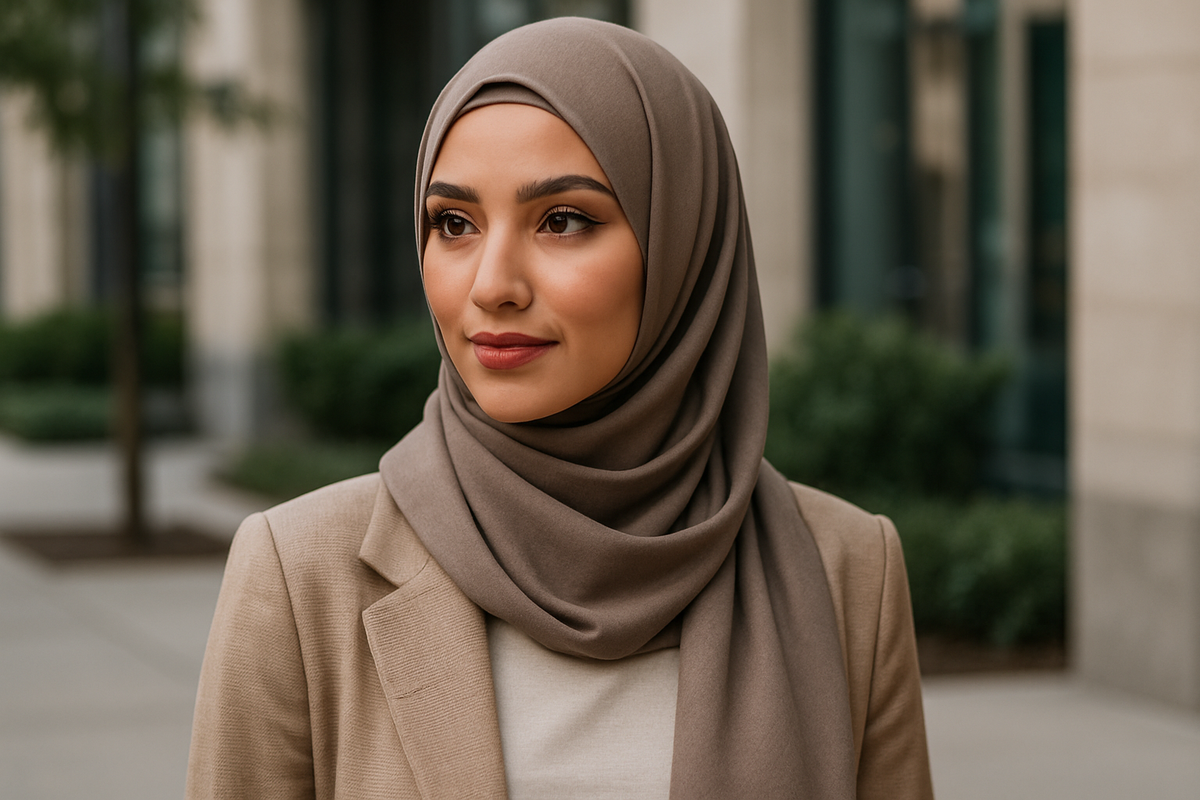
Achieving a polished hijab look requires matching fabric texture, face shape, and draping structure to the setting. Whether you are dressing for daily errands, corporate office environments, black-tie formal events, or high-impact athletic activities, the right wrap technique provides security, comfort, and modest elegance. Mastering a core library of draping styles allows you to adapt any scarf material—from lightweight chiffon to stretch jersey—into a look tailored specifically for your day.
Essential Foundations: Fabrics, Undercaps, and Accessories
Before selecting a wrap style, understanding how fabric weight and structural accessories interact is critical to building a lasting look. The choice of base material directly affects how a hijab holds volume, drapes over the shoulders, and stays anchored throughout the day.
Selecting the Right Fabric
Different settings demand specific fabric characteristics:
- Chiffon: Ultra-lightweight and elegant with a fluid drape. Ideal for formal wear, evening events, and layered professional styles. Chiffon lacks elasticity, making an undercap and secure pins necessary.
- Jersey: Soft, stretchy, and opaque. Perfect for casual wear, travel, and fast-paced days. Jersey clings slightly to itself, allowing for effortless "pinless" wraps that stay secure without constant adjustment.
- Modal and Cotton Viscose: Highly breathable with a slight natural texture that resists slipping. Excellent for warm weather, work environments, and structured daily looks.
- Silk and Satin: High-shine, luxurious textiles reserved for weddings, festive occasions, and formal gala events. Because satin is exceptionally slick, it requires structural support like non-slip underscarves and magnetic pins.
The Role of Undercaps and Anchor Hardware
An undercap forms the structural foundation of any hijab style. Tube caps provide basic coverage, while tie-back underscarves allow customizable tension to prevent headaches and slipping. For those seeking full neck coverage under sheer fabrics, ninja-style underscarves extend down to the chest.
To secure wraps without damaging delicate threads, replace traditional safety pins with no-snag magnetic hijab pins. These high-strength magnets clamp through multiple layers of silk or chiffon without pulling threads. For tailored lapels or heavy drapes, safety pins with rounded protective bulb ends prevent snagging fabric weaves.
Matching Hijab Styles to Your Face Shape
A well-balanced hijab style frames your facial features by adjusting volume, forehead placement, and side folds. Customizing your drape based on geometry creates a harmonious look.
- Oval
- Balanced proportions
- Flexibility across nearly all wraps
- Round
- Build crown height
- Pointed cap placement to elongate symmetry
- Square
- Softened jawlines
- Loosely curved sides to round angles
- Heart / Long
- Framed cheeks & chin
- Wide coverage across forehead & chest
Oval Face Shape
Oval shapes feature naturally balanced proportions. Virtually all styles suit an oval profile, including slicked-back wraps, tight turbans, and voluminous chest drapes. You can position the undercap at the hairline or lower on the forehead without distorting symmetry.
Round Face Shape
To elongate a round face, create height at the top and avoid tight wrapping around the cheeks. Position your undercap slightly higher and create a soft peak or point at the top of the scarf rather than rounding it tightly across the forehead. Frame the sides loosely, letting the fabric fall straight along the jawline to narrow the lower face.
Square Face Shape
Square faces benefit from soft, rounded drapes that cushion a strong jawline. Avoid sharp folds or high peaks at the crown. Instead, wrap fabric loosely around the chin and cheeks in smooth curves. Layered chiffon or draped jersey styles soften harsh angles while maintaining full chest coverage.
Heart and Long Face Shapes
For heart-shaped faces with wider foreheads and pointed chins, draw the undercap slightly lower across the brow to reduce upper width, framing the cheeks with gentle folds. For long or oblong faces, avoid adding extra volume on top of the head. Keep the crown flat and bring fabric forward to shorten the visual length of the face, using side-draped volume to create balanced horizontal width.
Comprehensive Guide to Hijab Styles by Occasion
With dozens of variations across fabric textures and folds, hijab styles can be systematically organized by occasion to help you choose the right look instantly.
Everyday and Casual Drapes
Casual styles emphasize speed, comfort, and breathability without requiring complex pin arrangements.
- The Effortless One-Shoulder Throw: Set one side longer than the other, pin under the chin, and toss the long tail loosely over the opposite shoulder. Best in jersey or viscose.
- The Pinless Jersey Loop: Frame the face with a medium-length jersey scarf, wrap the longer end once around the neck, and let it hang naturally down the chest.
- The Casual Chest Cascade: Wrap the scarf twice over the head, allowing the fabric to spread broadly across the chest in soft, relaxed ripples.
- The Low-Bun Fold: Tuck both ends under a low hair bun for a clean, open-neck style that keeps fabric off the shoulders during chores or warm-weather outings.
- The Front-Knot Wrap: Bring both ends forward after a loose wrap around the neck and tie them in a neat, offset knot near the collarbone.
- One-Shoulder Throw
- Undercap Base (Secure Frame)
- Short Front Drape
- Long End Tossed Over Shoulder
- Pinless Jersey Loop
- Undercap Base (Flexible Fit)
- Equal Sides
- Single Wrap Loop
Professional and Corporate Styles
Workplace styling requires clean lines, secure anchors, and tailored silhouettes that remain pristine through long days.
- The Clean Tailored Fold: Secure a viscose or modal hijab neatly under the chin, folding the side edges along the jawline. Tuck both tails cleanly into a blazer or suit jacket.
- The Sleek Tucked Turban: Wrap the scarf firmly around the head, crisscrossing the ends at the nape of the neck, and tucking all fabric neatly under the base. Pair with a mock-neck top for full modesty.
- The Symmetry Slide: Pin the scarf precisely at the center under the chin with equal-length sides, then drape both ends over opposite shoulders, creating a balanced, V-shaped chest line.
- The Double-Pin Corporate Wrap: Anchor the scarf under the chin, cross the ends behind the neck, bring them back forward, and pin them flat beneath the shirt collar to guarantee zero movement during physical presentations.
Formal, Evening, and Wedding Styles
Formal occasions welcome high-luster fabrics, layered drapes, decorative crowns, and jewel accessories.
- The Royal Silk Cascade: Use a silk-satin rectangle scarf anchored over a non-slip velvet undercap. Drape one side across the chest, securing it at the opposite shoulder with a brooch so the fabric ripples gracefully.
- The Crown-Layered Chiffon Wrap: Layer two tonal chiffon scarves—or one long pleated wrap—to build soft volume across the crown, allowing long, elegant cascades over both shoulders.
- The Earring-Exposed Frame: Style the hijab slightly behind the earlobes while using a matching high-coverage neck cover beneath. This exposes statement drop earrings while maintaining complete modest coverage of the head and neck.
- The Embellished Side Pin: Sweep a heavy chiffon or lurex scarf around the head, gathering the main volume on one side, anchored with an ornate crystal clip or pearl brooch.
Activewear and High-Movement Wraps
Physical activity requires moisture-wicking fabrics and streamlined cuts that will not shift or snag on equipment.
- The Athletic Tuck: Utilize a performance-spandex instant hijab, tucking the lower chest fabric inside a zip-up activewear jacket or high-collar top.
- The Cross-Back Wrap: Wrap a stretch jersey scarf tight around the crown, cross the ends behind the neck, and tie them securely beneath the ponytail or bun to prevent loose fabric from obstructing movement.
Step-by-Step Wrapping Techniques for Popular Drapes
Detailed execution determines whether a hijab style remains comfortable and secure or requires constant adjustment. Below are three essential tutorials covering everyday, pinless, and formal styles.
- Chief Wrap Method Comparison
- Classic Chiffon Cascade
- Undercap
- Equal Ends
- Chin Pin
- Cross & Toss
- Chest Spread
- Pinless Jersey Wrap
- Undercap
- Asymmetrical Ends
- Frame Face
- Toss Long End
- Self-Anchor
- Formal Satin Drape
- Velvet Undercap
- Magnetic Pin
- Pleated Layering
- Brooch Anchor
- Classic Chiffon Cascade
Tutorial 1: The Classic Chiffon Cascade (Everyday Formal)
This versatile style delivers full chest coverage with fluid volume, suitable for both office settings and social gatherings.
- Place the Undercap: Secure a neutral, non-slip undercap over your hair.
- Position the Scarf: Place your chiffon rectangle scarf over your head with one side slightly longer than the other (approximately a 1/3 to 2/3 ratio).
- Frame the Face: Fold the inner edges of the fabric along your cheekbones to frame your face smoothly.
- Pin Under the Chin: Secure both sides under your chin using a magnetic pin or no-snag safety pin.
- Wrap the Long End: Take the longer tail, bring it under the opposite chin line, and wrap it loosely over your head.
- Adjust the Chest Coverage: Fan out the remaining fabric of the draped tail across your chest, securing the end at the shoulder with a small pin hidden under the fabric layer.
Tutorial 2: The Pinless Jersey Wrap (Fast Casual)
This method relies on the natural friction of jersey fabric to stay in place without pins.
- Prep the Hair: Tie hair in a secure low bun using a soft scrunchie. Put on a breathable cotton undercap.
- Set Unequal Lengths: Place the jersey scarf on your head, leaving one side short (resting near your chest) and the other long.
- Frame and Cross: Pull the short side snugly under your chin toward the back of your neck.
- Loop the Long Tail: Take the long side, wrap it around your neck in a continuous fluid movement, and let it drop over the opposite shoulder.
- Final Adjustments: Adjust the front loop around your neck for desired tightness. The stretch of the fabric will keep the wrap anchored all day without hardware.
Tutorial 3: The Formal Layered Satin Drape (Weddings & Galas)
Designed for slick, glossy fabrics that demand structural support and maximum security.
- Velvet Base: Wear a velvet headband or velvet-lined undercap. The directional pile of velvet locks silk and satin firmly in place.
- Position Central: Lay the satin scarf over your head with equal length tails on both sides.
- Secure Chin Point: Bring both sides together under the chin, creating a clean point at the forehead, and clamp tightly with a magnetic pin.
- Pleat and Drape: Take the left tail and fold two small pleats along its edge. Sweep it across your chest and pin it flat to your right shoulder.
- Layer the Right Tail: Take the right tail, drape it over the left layer to conceal the shoulder pin, and attach an ornate brooch at the right collarbone to finish the look.
Comparing Hijab Styles, Fabrics, and Occasion Suitability
Selecting the correct combination of fabric, face shape adjustment, and security hardware ensures comfort across long wear periods.
| Style Name | Recommended Fabric | Face Shape Fit | Ideal Occasion | Primary Security Method |
|---|---|---|---|---|
| Effortless One-Shoulder | Jersey, Modal | Oval, Heart, Long | Casual, Daily Errands | Friction / Optional Chin Pin |
| Clean Tailored Fold | Viscose, Cotton | Round, Square, Oval | Corporate, Formal Work | Chin Pin + Collar Tuck |
| Royal Silk Cascade | Silk, Satin | All Face Shapes | Evening Galas, Weddings | Velvet Undercap + Magnetic Pins |
| Pinless Jersey Loop | Heavy Stretch Jersey | Oval, Long | Travel, Relaxed Wear | Self-clinging Fabric Tension |
| Crown-Layered Chiffon | Poly-Chiffon | Round, Square | Festive, Parties | Undercap + Dual Shoulder Pins |
| Athletic Tuck | Spandex Blend | Oval, Heart | Sports, Fitness | Pre-stitched Instant Fit |
| Chest Cascade | Georgette, Chiffon | Square, Heart | Semiformal, Casual | Chin Pin + Hidden Shoulder Pins |
Practical Maintenance and Styling Cautions
Maintaining long-term comfort and preserving high-quality fabrics requires proper hair care, snag prevention, and fabric hygiene.
Preventing Fabric Damage
- Avoid Bare Safety Pins: Standard safety pins catch raw fabric threads inside their coil, pulling delicate chiffon, silk, and modal weaves. Always use magnetic pins or bulb-headed safety pins designed for hijab fabrics.
- Manage Heavy Embellishments: Heavy metal brooches can weigh down fine fabrics, causing tears or sagged necklines. Affix heavy brooches directly to reinforced seams or through both the scarf and a sturdy shirt lapel.
Protecting Hair and Scalp Health
Wearing a hijab for extended periods requires attentive hair care to prevent friction damage, hair line recession, and scalp irritation.
- Avoid Wet Hair Wrapping: Never wrap a hijab over damp or wet hair. Trapped moisture under an opaque undercap fosters fungal growth, dandruff, and weakened hair roots, leading to breakage.
- Vary Bun Placement: Consistently pulling hair into a tight, high bun creates traction alopecia along the front hairline. Alternate your bun height between low, mid, and loose braided styles to distribute tension evenly.
- Choose Breathable Fabrics: Select undercaps made from natural fibers like organic cotton, modal, or bamboo viscose to optimize airflow and minimize sweat accumulation.
Frequently Asked Questions
How do I keep a chiffon hijab from slipping without using dozens of pins?
Use a textured cotton or velvet-lined undercap beneath your chiffon scarf. The friction between the undercap and the chiffon prevents sliding. Secure the scarf under your chin with a single pair of strong magnetic hijab pins, then anchor the long drape to your clothing at the shoulder using one hidden pin.
Which hijab style works best for round face shapes to elongate features?
Create visual height at the crown by shaping your scarf into a soft peak over the forehead rather than laying it flat against your hairline. Leave the fabric slightly loose around your cheeks and jawline, allowing the drape to fall vertically to narrow and elongate your silhouette.
Can I style formal hijabs with earrings or hair accessories visible?
Yes. To show drop earrings while maintaining modesty, wear a full-coverage ninja undercap that covers your neck completely. Position the outer decorative scarf slightly behind your earlobes, securing it behind the ear with a pin so your earrings hang freely over the neck wrap.
What is the most breathable hijab fabric for hot weather or activewear?
Modal and lightweight cotton viscose are the most breathable natural options for daily summer wear because they absorb moisture and encourage airflow. For sports and intense exercise, technical synthetic blends (such as polyester-spandex performance knits) wick sweat away from the skin and dry rapidly.
How can I achieve volume at the crown without damaging my natural hair?
Avoid pulling your hair into a tight bun to create volume. Instead, use a lightweight volume scrunchie or a hollow velvet volumizing clip worn loosely over your natural hair. This creates an elegant silhouette at the back of the head without applying pulling force to your scalp.
Building Your Master Hijab Wardrobe Strategy
Building a versatile hijab wardrobe comes down to mastering three core wraps and curating a foundation of adaptable neutral fabrics. Start by investing in high-quality undercaps—specifically tie-back models in black, beige, and white—that provide customized tension without causing ear pressure or headaches. Pair these with a reliable set of magnetic pins to preserve your fabrics.
Next, select your core fabrics based on your daily schedule: stretch jersey for effortless casual days, breathable modal for work and structured environments, and lightweight chiffon or silk for formal events. Once you master the Classic Chiffon Cascade, the Pinless Jersey Wrap, and the Clean Tailored Fold, you can effortlessly adapt these draping foundations to suit any occasion, season, or personal aesthetic.