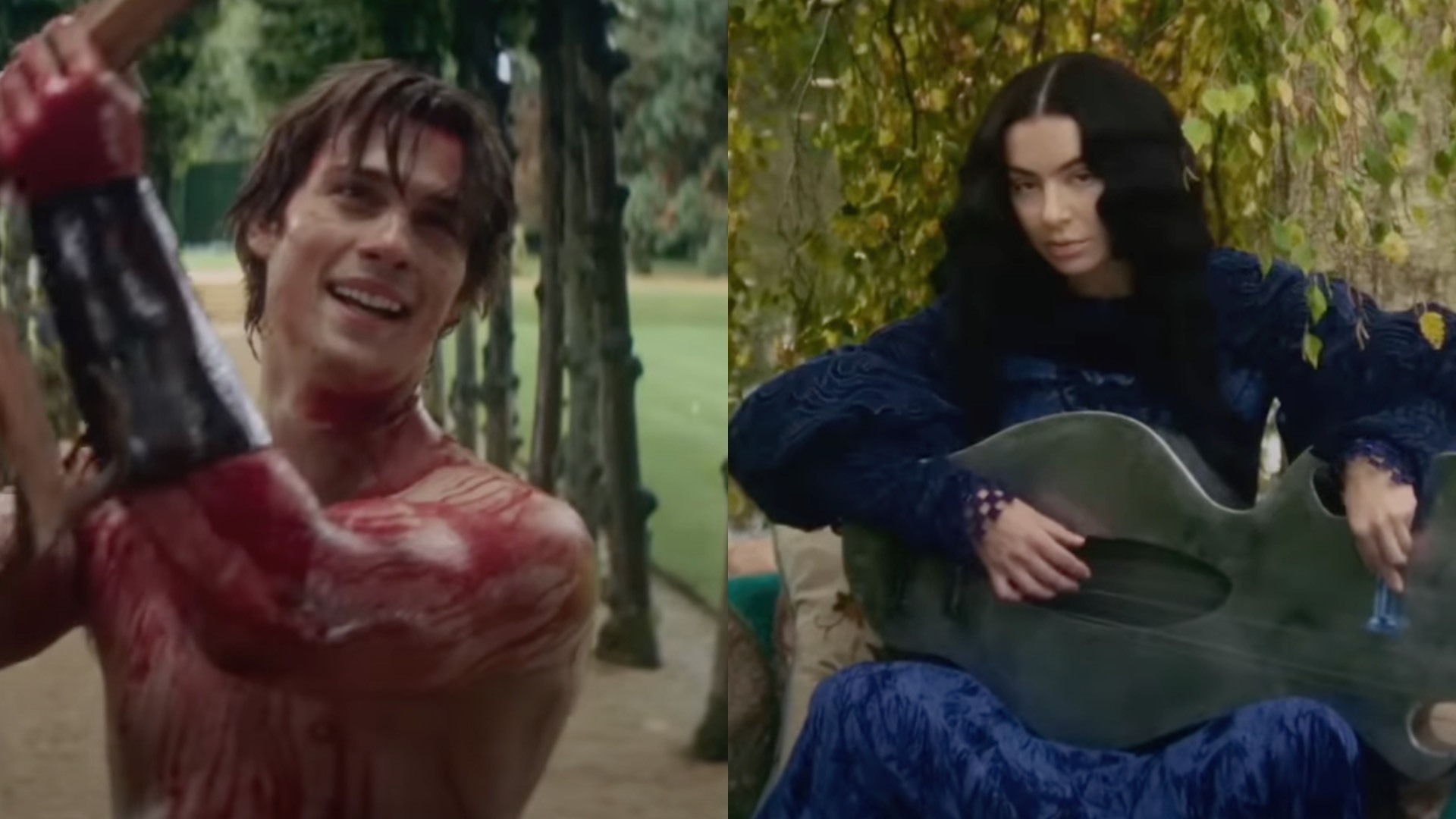
The "100 Nights of Charli XCX" refers to the intensive, nightlife-centric marketing and promotional rollout surrounding British pop artist Charli XCX’s sixth studio album, Brat. Spanning early 2024 teasers through a viral summer of club sets and arena tours, the campaign transformed traditional music promotion into an interactive cultural movement that redefined contemporary pop marketing.
Defining the "100 Nights": The Anatomy of an Experiential Rollout
The promotional cycle for Brat discarded the conventional album rollout playbook—typically characterized by polished glossy press photos, standardized TV late-night appearances, and static billboard displays. Instead, Atlantic Records and Charli XCX’s creative team executed an aggressive, event-driven marathon that embedded the music directly into global nightlife culture. Across roughly 100 critical days and nights leading into and following the June 2024 album release, the campaign maintained an unyielding presence across physical venues and digital feeds.
This strategy drew heavily on underground dance culture and internet hyper-specificity. Rather than targeting passive radio listeners, the rollout prioritized high-density, high-engagement physical activations. From the record-breaking Brooklyn Boiler Room DJ set in February 2024—which logged over 25,000 RSVPs—to unannounced pop-up parties in London, Los Angeles, and Ibiza, the campaign treated nightlife not merely as a tour destination, but as the core medium for music distribution and fan initiation.
By framing the album around clubbing, immediacy, and party culture, the campaign established an emotional utility for the audience. Fans were not just buying an album; they were participating in a shared temporal aesthetic. The "100 Nights" represented a continuous narrative arc where every DJ set, secret wall repainting, and social media post served as a new episode in real time.
Visual and Digital Architecture: Anti-Design as a Viral Engine
At the center of the campaign's success was a deliberate rejection of high-budget pop visual standards. The album artwork—a low-resolution, slightly off-center Arial font reading "brat" against a jarring, acidic shade of green—was initially met with online skepticism. However, this minimalist "anti-design" choice proved to be a masterclass in digital accessibility and brand recognition.
- Anti-Design Visual Strategy
- Low-Res Arial Text: Instant Reproducibility
- Acid Green Background: High Contrast Visibility
- Low Cost: Rapid Iteration
The stark visual identity accomplished three critical marketing objectives:
- Frictionless Consumer Co-Creation: The simplicity of the cover allowed fans to create custom generators, memes, and merchandise within hours of launch. By lowering the technical barrier to entry for content creation, the campaign effectively crowdsourced its promotional push to millions of social media users.
- High-Contrast Brand Recognition: The specific lime green hue (often referenced alongside Pantone 3570 C) dominated digital feeds and physical spaces. Any green object, from street signs to clothing items, became implicit organic advertising for the record.
- Subversion of Commercial Polish: The low-fidelity aesthetic signaled authenticity, matching the album's lyrical themes of vulnerability, anxiety, and raw hedonism.
This visual strategy seamlessly integrated with digital platforms. TikTok dance trends, notably choreographed to the track "Apple," spread organically without heavy-handed studio enforcement. When political and cultural events intersected with the aesthetic—most famously Charli XCX’s concise endorsement tweet ("kamala IS brat") in July 2024—the campaign demonstrated an unprecedented ability to pivot from pop subculture into global mainstream news cycles.
Physical Real Estate: The Power of Localized Activations
While digital virality provided global scale, physical activations generated the authenticity that anchored the campaign. The team strategically deployed physical installations that functioned as community hubs and news generators.
A primary example was the "Brat Wall" in Greenpoint, Brooklyn. Rather than functioning as a static advertisement, the wall served as a dynamic canvas. It was repainted multiple times to announce tracklists, surprise pop-up DJ sets, and featured guests—including the high-profile reveal of the Lorde feature on the "Girl, so confusing" remix. Fans gathered at the location in real time, turning routine marketing updates into shared public events documented on livestreaming platforms and social channels.
- Announcement Teaser
- Physical Wall Repainted
- Real-World Fan Gathering
- Viral Social Media Amplification
Furthermore, the campaign leveraged the "PARTYGIRL" DJ set series. By playing intimate club venues alongside collaborators like A. G. Cook, George Daniel, and guest vocalists, Charli XCX reinforced her credentials within electronic and club music communities. This approach reversed the standard pop trajectory: instead of watering down club music for arena pop audiences, the campaign brought arena-level pop attention directly into the venue culture where the music was conceived.
Campaign Execution and Performance Metrics
The table below outlines the core strategic pillars of the campaign, their operational execution, and the measurable cultural and commercial outcomes delivered across the rollout.
| Campaign Pillar | Execution Strategy | Primary Deliverables & Impact |
|---|---|---|
| Experiential Nightlife | High-density club sets, Boiler Room takeovers, unannounced DJ pop-ups. | Record Boiler Room RSVPs (25k+); established deep credibility within electronic music culture. |
| Anti-Design Visuals | Low-res Arial font, signature lime green background, low-cost asset creation. | Global meme saturation; widespread adoption by external brands, media, and public figures. |
| Dynamic OOH Out-of-Home | Interactive street art (e.g., Brooklyn Green Wall) updated continuously with live announcements. | Turned static billboards into real-time news events; drove high foot traffic and localized organic press. |
| Agile Content Ecosystem | Rapid-response remix releases featuring high-profile peers (Lorde, Billie Eilish, Troye Sivan). | Extended album lifecycle; propelled remixes to top streaming charts; sustained multi-month momentum. |
| Co-Headlining Arena Tour | "Sweat" arena tour with Troye Sivan targeting shared core fanbase demographics. | Sold-out North American arena runs; converted club-level engagement into high-margin live revenue. |
Commercial and Strategic Deliverables: What the Campaign Achieved
To evaluate the success of the "100 Nights of Charli XCX," the rollout must be judged on both commercial returns and long-term brand equity. Historically, critically acclaimed niche pop acts face a ceiling when transitioning to mainstream arena-level commercial success. The Brat rollout effectively broke through this ceiling.
Commercial Achievements
- Chart Performance: The album debuted at number one on the UK Albums Chart and achieved a peak of number three on the US Billboard 200, marking Charli XCX's highest sales week in the United States.
- Streaming Longevity: Rather than experiencing a sharp drop-off after week one, streaming numbers built steadily throughout the summer of 2024, bolstered by the release of high-impact remixes featuring Billie Eilish, Lorde, and Ariana Grande.
- Live Revenue: The campaign successfully monetized online hype through the co-headlining "Sweat" arena tour alongside Troye Sivan, selling out major venues such as Madison Square Garden and the Kia Forum.
Brand Equity and Industry Influence
Beyond metrics, the campaign delivered a template for modern music marketing in an era characterized by fragmented media consumption. It proved that a strongly defined, uncompromising aesthetic can achieve global reach without diluting its distinct tone to appeal to the lowest common denominator.
The campaign also highlighted the strategic power of artist collaboration over competition. The release of Brat and It's Completely Different but Also Still Brat demonstrated how remix albums can function not merely as bonus content, but as vital cultural commentary that addresses industry dynamics, peer relationships, and celebrity culture directly.
Strategic Lessons for Brands and Creators
The strategy executed across the campaign offers critical lessons for brand managers, creative directors, and music executives looking to build cultural momentum:
- Embrace High-Friction Aesthetics: Over-polished marketing often blends into digital noise. Distinctive, polarizing visual choices build stronger brand recall than safe, generic design.
- Build for User Co-Creation: Modern audiences want to participate in campaigns, not just consume them. Designing simple, highly replicable assets encourages fans to act as voluntary brand ambassadors.
- Prioritize Real-World Community Hubs: Digital campaigns require physical anchors. Live activations create authentic human experiences that generate organic, high-converting digital content.
- Maintain Agility in Product Iteration: The rapid production and release of remixes allowed the campaign to respond directly to culture in real time, keeping the conversation alive far beyond the standard launch window.
Potential Pitfalls and Limitations of High-Intensity Rollouts
While the "100 Nights" strategy yielded unprecedented success, the model carries inherent operational and strategic risks that make direct replication challenging for every artist or brand.
- Risk of Overexposure: Sustaining high-intensity promotional cycles over several months risks audience fatigue. When a brand or cultural phrase achieves total ubiquity, it faces accelerated decay once the trend crests.
- High Physical and Creative Demand: The reliance on constant live appearances, late-night DJ sets, and rapid creative turnarounds places immense physical demands on the artist and operational strain on management teams.
- Authenticity Bottleneck: The strategy succeeded primarily because Charli XCX had spent over a decade embedded in underground club culture. Attempting to artificially superimpose a club-centric aesthetic onto an artist or product without genuine cultural roots risks backfiring as disingenuous.
Frequently Asked Questions
What does "100 Nights of Charli XCX" mean?
It refers to the intensive, nightlife-driven promotional and performance campaign surrounding Charli XCX's 2024 album Brat. The term encapsulates the continuous series of club sets, secret pop-ups, visual installations, and public appearances that defined the album's rollout.
Why was the lime green color scheme so significant to the campaign?
The specific low-fidelity green color (Pantone 3570 C equivalent) served as a high-contrast visual anchor. Its minimalist design made it easy for fans to replicate, turning everyday green objects and simple online text generators into organic viral advertisements for the album.
How did the campaign leverage remix releases strategically?
Rather than releasing standard dance edits long after launch, the campaign used high-profile remixes—featuring artists like Lorde, Billie Eilish, and Troye Sivan—as narrative extensions. These tracks responded directly to public speculation and cultural discourse, effectively restarting the press cycle with each release.
Was the "Brat Summer" phenomenon purely organic or planned?
It was a hybrid of meticulous preparation and organic execution. The creative team established the visual identity, club activations, and tone, but the widespread cultural adoption—spanning fan memes, brand tie-ins, and political commentary—was driven organically by the public.
How did the campaign translate digital hype into physical revenue?
The strategy linked digital interest directly to physical events, including sold-out pop-up club sets, limited-edition physical merchandise, and the co-headlining "Sweat" arena tour with Troye Sivan, successfully monetizing online engagement into live ticketing and merch sales.
Applying the "Brat" Marketing Model to Future Campaigns
For creative strategists and marketers aiming to adapt elements of the Brat rollout, execution must begin with a clear understanding of brand identity before attempting high-velocity tactics.
- Audit Visual Identity for Friction: Evaluate whether current creative assets are too safe. Identify single, bold design elements that can serve as immediate visual shortcuts for your brand across social feeds.
- Establish Experiential Anchors: Plan at least one high-engagement physical activation that encourages real-world gathering, direct participation, and live social sharing rather than relying entirely on digital ad placements.
- Develop a Rapid-Response Content Strategy: Build operational pipelines that allow creative teams to approve, produce, and launch secondary assets (such as remixes, secondary product drops, or real-time content responses) within days of a cultural moment occurring.