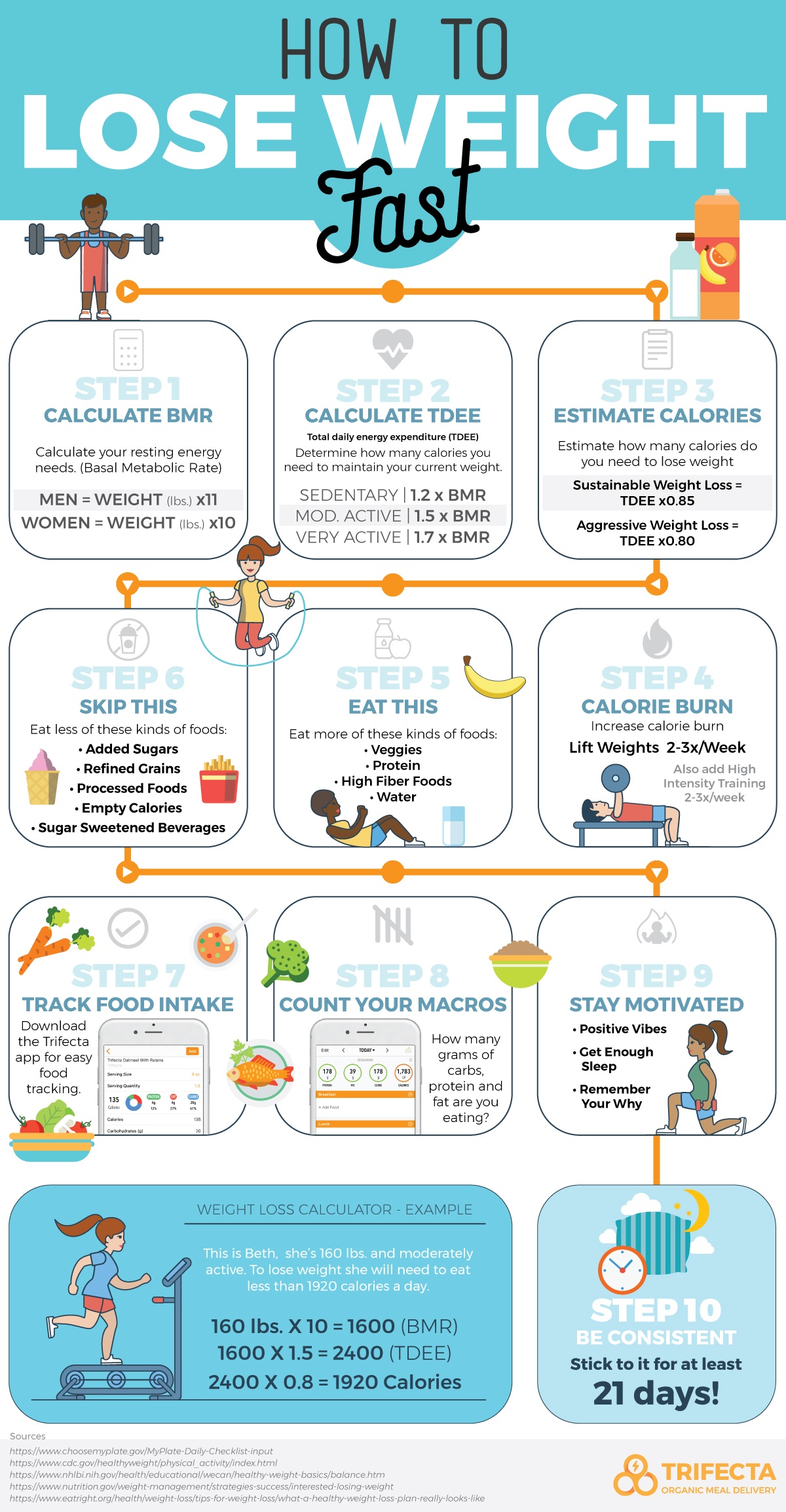
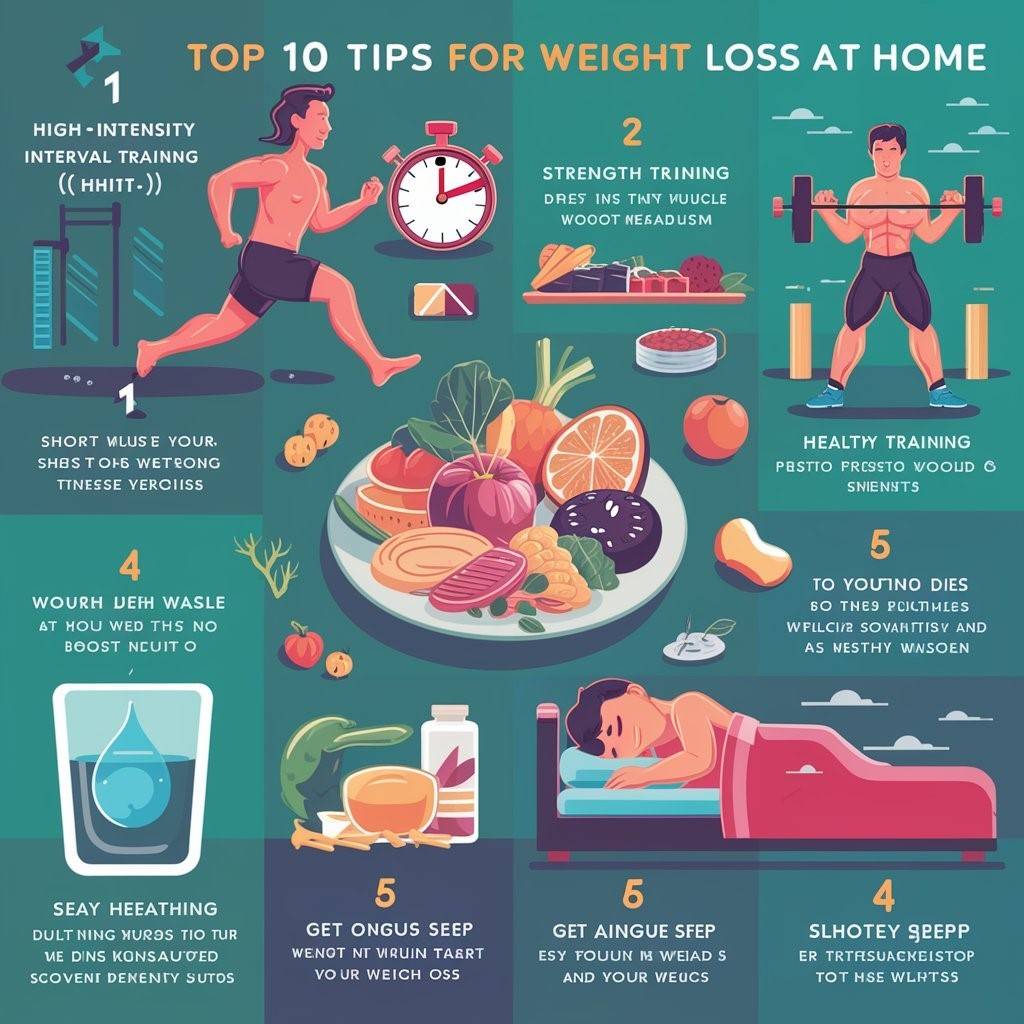
Achieving safe, rapid weight loss requires creating a targeted calorie deficit through dense nutritional choices, increased physical movement, and sustainable lifestyle modifications. Combining high-protein meals, daily hydration, restorative sleep, and strategic daily habits accelerates fat loss while protecting lean muscle mass and preventing metabolic adaptation.
The Science of Safe and Rapid Fat Loss
Losing weight effectively requires an understanding of energy balance, hormonal response, and tissue preservation. A calorie deficit—consuming fewer calories than your total daily energy expenditure (TDEE)—forces the body to utilize stored body fat for fuel. However, aggressive restriction can lead to muscle wasting, lower resting metabolic rate, and severe hunger triggers driven by hormonal shifts in ghrelin and leptin.
To maximize fat loss while preserving metabolic health, combine moderate caloric reduction with high protein intake and resistance training. According to guidelines from the Centers for Disease Control and Prevention (CDC), a safe rate of fat loss ranges from 1 to 2 pounds per week, though individuals initiating a new regimen may experience faster initial drops due to glycogen and water weight reduction.
Nutrition and Dietary Strategies (Ideas 1–30)
- Prioritize high-protein foods at every meal: Aim for 0.7 to 1.0 grams of protein per pound of target body weight daily to preserve lean tissue and increase satiety via peptide YY elevation.
- Drink 500 ml of water before meals: Drinking water 30 minutes before eating fills the stomach, reducing immediate mealtime caloric intake by up to 13%.
- Eliminate liquid calories: Replace sodas, sweetened teas, and fruit juices with water, sparkling water, or unsweetened herbal tea to instantly eliminate hundreds of empty calories.
- Increase soluble fiber intake: Foods like oats, chia seeds, and legumes form a gel-like substance in the digestive tract, slowing gastric emptying and keeping you full longer.
- Use smaller dinner plates: Downsizing from a 12-inch to a 9-inch plate visually fools the brain into feeling satisfied with 20% to 30% smaller food portions.
- Eat whole, single-ingredient foods: Base 80% to 90% of your diet on minimally processed foods that require more energy to digest through the thermic effect of food (TEF).
- Incorporate black coffee or green tea: Natural caffeine boosts resting metabolic rate by 3% to 11% and enhances fat oxidation during physical activity.
- Practice deliberate chew cycles: Chewing each bite 20 to 30 times slows down eating speed, giving your brain the 20 minutes required to register fullness signals.
- Remove refined carbohydrates: Swap white bread, pasta, and baked goods for complex alternatives like quinoa, sweet potatoes, and brown rice to avoid blood sugar spikes.
- Implement a consistent eating window: Try an 8- to 10-hour daily feeding window (time-restricted eating) to curb late-night grazing and lower daily insulin exposure.
- Eat non-starchy vegetables first: Fill half your plate with broccoli, spinach, or cucumbers and eat them before your main carbohydrates to blunt glucose spikes.
- Cook meals at home: Preparing your own food allows precise control over oils, sodium, and hidden sugars common in restaurant dishes.
- Switch to dark chocolate: If craving sweets, choose 85%+ dark chocolate; its intense flavor cuts cravings with far less sugar than milk chocolate.
- Use measuring spoons for cooking oils: Olive oil is health-promoting but contains 120 calories per tablespoon; measure it precisely rather than free-pouring.
- Add vinegar to meal dressings: Acetic acid in vinegar helps improve insulin sensitivity and can reduce the glycemic impact of high-carb meals.
- Keep high-protein snacks accessible: Keep Greek yogurt, hard-boiled eggs, or string cheese nearby to prevent impulsive trips to vending machines.
- Avoid eating directly from food packages: Portion snacks into small bowls to stay fully aware of how much you consume.
- Eliminate artificial sweeteners if they trigger hunger: For some individuals, non-nutritive sweeteners heighten cravings for real sugar throughout the day.
- Consume bone broth as a low-calorie starter: Sipping warm, nutrient-dense broth before meals curbs appetite while supplying amino acids like glycine.
- Choose whole fruits over smooth fruit juices: Chewing whole fruit delivers fiber and natural bulk that liquid juice completely lacks.
- Select lean protein sources: Focus on chicken breast, turkey, white fish, shrimp, tofu, and egg whites to maximize protein density relative to overall calories.
- Spice meals with cayenne pepper: Capsaicin in chili peppers slightly elevates core body temperature and boosts daily thermogenesis.
- Plan weekly meals in advance: Deciding what to eat before hunger strikes minimizes high-calorie convenience orders.
- Salt food appropriately: Adequate sodium prevents fatigue on lower-carbohydrate diets, but excessive salt can cause temporary water retention.
- Swap mayonnaise for Greek yogurt or mustard: Replace high-calorie sandwich spreads with Greek yogurt or spicy mustard to cut 90 calories per tablespoon.
- Drink cold water: Drinking ice-cold water forces your body to expend extra energy heating the liquid to internal body temperature.
- Avoid ultra-processed "diet" snacks: Low-fat or low-sugar packaged snacks often replace fat with fast-digesting starches that quickly re-trigger hunger.
- Eat fermented foods daily: Kimchi, sauerkraut, and kefir support a healthy gut microbiome, which is associated with improved metabolic regulation.
- Opt for wild-caught seafood: Salmon, sardines, and mackerel supply essential omega-3 fatty acids that lower systemic inflammation.
- Track intake with a digital app for one week: Logging food creates precise self-awareness regarding hidden calories, serving sizes, and macro splits.
Physical Activity and Movement Hacks (Ideas 31–55)
- Increase Non-Exercise Activity Thermogenesis (NEAT): Pace during phone calls, take the stairs, and fidget to burn up to 500 extra calories per day without formal workouts.
- Aim for 8,000 to 10,000 daily steps: Daily walking increases baseline energy expenditure while generating negligible neurological fatigue.
- Perform compound strength exercises: Focus on squats, deadlifts, presses, and rows to recruit large muscle groups and elevate metabolic rate post-workout.
- Incorporate High-Intensity Interval Training (HIIT): Combine short bursts of maximal effort (e.g., 30-second sprints) with brief recovery periods to stimulate excess post-exercise oxygen consumption (EPOC).
- Walk for 10 to 15 minutes after meals: Post-meal walking speeds up gastric clearing and significantly lowers postprandial glucose peaks.
- Use a standing desk: Standing for half your workday burns roughly 30 to 50 additional calories per hour compared to sitting.
- Perform bodyweight circuits at home: Combine push-ups, air squats, lunges, and planks for quick 15-minute workouts when short on time.
- Lift weights at least 3 times per week: Resistance training signals your body to retain lean muscle tissue during a calorie deficit.
- Incorporate resistance bands: Keep portable bands at your work desk to perform quick sets of face-pulls or leg extensions during short work breaks.
- Take progressive overload seriously: Gradually increase weights, reps, or reduce rest periods to keep muscle tissue challenged and active.
- Track workout metrics: Log your exercises to ensure consistent physical output and maintain training intensity over time.
- Combine cardio with active recovery: Use low-intensity cycling, swimming, or rowing on rest days to promote circulation and calorie expenditure without muscle strain.
- Park further from destinations: Adding 300 extra yards to every trip builds incidental movement into your standard routine.
- Set hourly movement reminders: Set an alarm to move for 2 minutes every hour to break up sedentary periods.
- Join group fitness classes: Structured workouts provide accountability, high output, and social motivation.
- Use a weighted vest: Wearing a 10-to-20-pound vest during routine walks naturally increases energy expenditure.
- Perform zone-2 steady-state cardio: Spend 30 to 45 minutes walking at a brisk pace where you can converse to burn fat directly as a fuel source.
- Swap TV relaxation for active mobility work: Foam roll or stretch while watching evening shows to burn light calories and improve recovery.
- Exercise in the morning: Morning workouts ensure physical activity happens before daily tasks disrupt your schedule.
- Take the stairs two at a time: Climbing stairs engaging glutes and hamstrings increases workout intensity during daily commutes.
- Play recreational sports: Activities like pickleball, basketball, or tennis burn high calories through playful engagement rather than forced exercise.
- Keep gym gear visible: Laying out workout clothes the night before removes friction and decision fatigue.
- Track heart rate zones during workouts: Ensure heart rate reaches fat-burning or cardio zones for targeted adaptations.
- Clean your house vigorously: Heavy house cleaning—mopping, vacuuming, gardening—burns upwards of 150 to 200 calories per hour.
- Perform jump rope intervals: Jumping rope for 10 minutes delivers cardiorespiratory output equivalent to 30 minutes of light jogging.
Sleep, Stress, and Hormonal Optimization (Ideas 56–75)
- Sleep 7 to 9 hours nightly: Chronic sleep deprivation raises ghrelin (hunger hormone) and lowers leptin (satiety hormone), driving overeating.
- Maintain a consistent sleep schedule: Wake up and go to sleep at the same time daily to keep circadian rhythms and cortisol production aligned.
- Keep your bedroom cool: Sleeping in a room kept between 62°F and 67°F (16°C to 19°C) encourages brown adipose tissue activation.
- Dim bright lights 2 hours before bed: Reducing overhead lighting boosts natural melatonin secretion, facilitating deeper restorative sleep.
- Avoid screens 60 minutes before sleep: Blue light from smartphones and TVs suppresses melatonin and impairs sleep architecture.
- Practice box breathing for stress relief: Inhale for 4 seconds, hold for 4, exhale for 4, and hold for 4 to lower systemic cortisol levels.
- Limit caffeine intake after 2:00 PM: Caffeine has a half-life of 5 to 7 hours; stopping early preserves deep slow-wave sleep.
- Expose your eyes to morning sunlight: Getting 10 to 15 minutes of natural sunlight within an hour of waking resets your circadian clock.
- Take regular magnesium glycinate: Supplementing with absorbable magnesium helps relax muscles and improves restorative sleep depth.
- Create a relaxing bedtime wind-down ritual: Reading, light stretching, or warm baths lower central nervous system arousal before bed.
- Avoid alcohol before bed: While alcohol induces sedation, it severely disrupts REM and deep sleep architecture, driving hunger the next day.
- Address chronic work stress: Prolonged stress elevates cortisol, which promotes visceral fat deposition around abdominal organs.
- Avoid heavy meals late at night: Eating within 2 hours of sleep elevates core body temperature and disturbs sleep quality.
- Keep electronics out of the bedroom: Designate your bedroom strictly for sleep and recovery to reduce subconscious alertness.
- Practice daily journaling: Expressive writing helps clear cognitive clutter, reducing evening stress and emotional eating triggers.
- Use blackout curtains: Completely dark environments prevent ambient light from disrupting sleep cycles.
- Monitor heart rate variability (HRV): Tracking HRV helps gauge recovery, indicating when to push intensity or rest to avoid burnout.
- Avoid high-stress news late at night: Limit evening consumption of triggering media to prevent unnecessary adrenaline spikes.
- Incorporate sauna or hot bath sessions: Thermal exposure relaxes muscles, lowers blood pressure, and promotes restorative sleep.
- Learn to say no to unnecessary obligations: Overcommitting leads to time scarcity, elevated stress, reliance on fast food, and missed workouts.
Behavioral Hacks and Environmental Design (Ideas 76–90)
- Clear counters of high-calorie foods: Stashing snacks out of direct sight drastically lowers passive, automated snacking.
- Never shop for groceries while hungry: Shopping on an empty stomach increases purchases of hyper-palatable, high-calorie processed foods.
- Pre-portion snacks into single-serve containers: Dividing bulk bags into portioned bags prevents unintentional overconsumption.
- Brush your teeth immediately after dinner: The minty flavor acts as a psychological barrier against late-night snack cravings.
- Store healthy foods at eye level in the fridge: Placing sliced vegetables and lean protein up front makes healthy choices the default option.
- Keep a dedicated daily habit tracker: Checking off habit boxes provides dopamine hits that reinforce positive daily behaviors.
- Use non-food rewards for milestones: Celebrate weight-loss achievements with new workout clothes or a massage rather than high-calorie meals.
- Eat meals at a designated table: Avoid eating in front of televisions or computer screens to prevent mindless overeating.
- Use opaque containers for treats: Hiding tempting items in non-see-through containers keeps them out of mind.
- Re-evaluate hunger signals using the "Apple Test": If you are not hungry enough to eat a plain apple, your craving is likely driven by boredom or emotion.
- Identify personal trigger foods: Keep foods you struggle to consume in moderation out of your home entirely.
- Practice the 20-minute pause: When a sudden craving hits, wait 20 minutes; psychological cravings frequently fade within this window.
- Order restaurant options ahead of time: Review menus online and choose your meal before arriving to avoid impulsive, high-calorie orders.
- Keep reusable water bottles everywhere: Place filled water bottles in your car, desk, and bag to make hydration seamless.
- Form an accountability partnership: Share your daily metrics with a friend or coach to increase adherence to your plan.
Daily Micro-Habits for Long-Term Maintenance (Ideas 91–100)
- Drink 16 ounces of water upon waking: Rehydrate immediately to activate metabolism and flush out overnight metabolic waste.
- Take daily or weekly progress photos: Visual photos capture physique transformations that standard bathroom scales often miss.
- Weigh yourself daily and calculate weekly averages: Tracking daily weights accounts for fluid fluctuations and provides accurate trend lines.
- Use a waist measuring tape weekly: Measuring waist circumference accurately tracks fat loss even when muscle gain keeps scale weight stable.
- Prepare protein sources on Sunday: Batch-cooking chicken, turkey, or boiled eggs ensures rapid access to protein during busy weekdays.
- Listen to educational health podcasts while commuting: Reinforce your health goals daily by learning about nutrition, exercise, and behavior.
- Replace one daily coffee drink with green tea: Swapping a sugary latte for green tea cuts hundreds of calories while delivering fat-oxidizing EGCG antioxidants.
- Identify your "Why": Write down your primary health motivations and read them every morning to sustain long-term commitment.
- Accept occasional slip-ups quickly: A single high-calorie meal does not ruin progress; resume your standard routine immediately without self-criticism.
- Focus on consistency over perfection: Consistently executing 80% of your plan long-term produces better results than short bursts of 100% rigid execution.
Overview of High-Impact Weight Loss Strategies
The following table summarizes core weight-loss methodologies, detailing their underlying mechanism, implementation difficulty, expected timelines, and primary precautions.
| Strategy | Primary Mechanism | Implementation Difficulty | Expected Timeline | Key Precaution / Consideration |
|---|---|---|---|---|
| High-Protein Diet (0.7-1g/lb) | Increases satiety via satiety hormones; high thermic effect (TEF) | Moderate | 1 to 2 weeks | Ensure adequate water intake to support renal clearance. |
| NEAT Elevation (8k-10k steps) | Maximizes baseline daily calorie expenditure without adding physical stress | Low | 2 to 3 weeks | Requires consistent time management across busy schedules. |
| Progressive Resistance Training | Preserves lean muscle mass to prevent drops in resting metabolic rate | Moderate to High | 3 to 4 weeks | Prioritize correct exercise form over heavy weights to prevent injury. |
| Time-Restricted Eating (16:8) | Reduces overall eating window, naturally cutting daily caloric intake | Moderate | 1 to 2 weeks | Avoid overeating or bingeing during the designated feeding window. |
| Sleep Optimization (7-9 hrs) | Normalizes hunger hormones (ghrelin/leptin) and reduces stress-induced cortisol | Low to Moderate | Immediate (24-48 hrs) | Limit late-night screen time and caffeine intake after 2:00 PM. |
Frequently Asked Questions
How fast can you safely lose weight without losing muscle mass?
A safe rate of fat loss is between 1 and 2 pounds per week (roughly 0.5% to 1.0% of total body weight). To prevent muscle loss during a calorie deficit, maintain a high protein intake (0.7–1.0g per pound of body weight daily) and engage in regular resistance training 3 to 4 times per week.
Are low-carb diets better than low-fat diets for quick weight loss?
Low-carbohydrate diets often produce faster initial weight loss during the first 1 to 2 weeks because glycogen depletion causes rapid water excretion. However, over 6 to 12 months, clinical studies show that low-carb and low-fat diets yield equivalent fat loss when total calorie and protein intakes are kept equal.
How does sleep quality directly affect fat loss progress?
Poor sleep elevates night-time and morning cortisol while altering ghrelin and leptin levels, increasing hunger and cravings for carbohydrate-dense foods. Research indicates that sleep-deprived individuals lose significantly more weight from lean muscle rather than stored fat compared to well-rested individuals on identical caloric deficits.
Do fat-loss supplements deliver meaningful results?
Most commercial fat-loss supplements offer minimal metabolic benefit compared to proper diet and exercise habits. While compounds like caffeine and green tea extract (EGCG) mildly increase metabolic rate, they cannot overcome a caloric surplus. Focus primary energy on nutrition, movement, and sleep before considering over-the-counter supplements.
How do you break through a weight loss plateau?
To break a plateau, first track food intake strictly for one week using a digital scale to identify untracked calories. If adherence is confirmed, increase daily step counts by 2,000 steps or lower daily intake by 100 to 200 calories. Alternatively, take a 1-week diet break at maintenance calories to reset biofeedback markers and lower metabolic fatigue.
Building Your Customized Action Plan for 2026
Attempting to adopt all 100 ideas simultaneously leads to decision fatigue and eventual burnout. Sustainable results stem from systematic implementation. Follow this structured approach to build momentum:
- Select 3 Core Habits: Choose one dietary habit (e.g., hitting a daily protein target), one movement habit (e.g., walking 8,000 steps daily), and one sleep habit (e.g., setting a strict bed time).
- Track Consistency for 14 Days: Focus exclusively on these three habits for two weeks until they become automatic.
- Layer Additional Strategies: Once your initial habits are established, introduce 2 to 3 new micro-habits from the list above, such as prepping protein on weekends or removing screens from the bedroom.
- Monitor Trends, Not Daily Fluctuation: Evaluate success using weekly weight averages, waist measurements, and visual progress photos rather than single daily scale readings.
By systematically applying these evidence-backed habits, you create a sustainable lifestyle structure that drives immediate, healthy fat loss while maintaining long-term metabolic health.
EDITORIAL CATEGORY METADATA: